Cardiovascular disease is one of the top causes of death globally, claiming millions of lives a year. It includes multiple conditions—like coronary artery disease, arrhythmias, heart failure, hypertension, etc.—that affect the ability of the heart to work effectively. It may be surprising to understand that many of these conditions can be avoided or significantly reduced. Identifying risk factors early, making lifestyle changes, and monitoring are all ways to decrease your risk of experiencing a heart attack, stroke, or other major cardiovascular events. This is where being cared for by a cardiologist specialist is also highly beneficial.
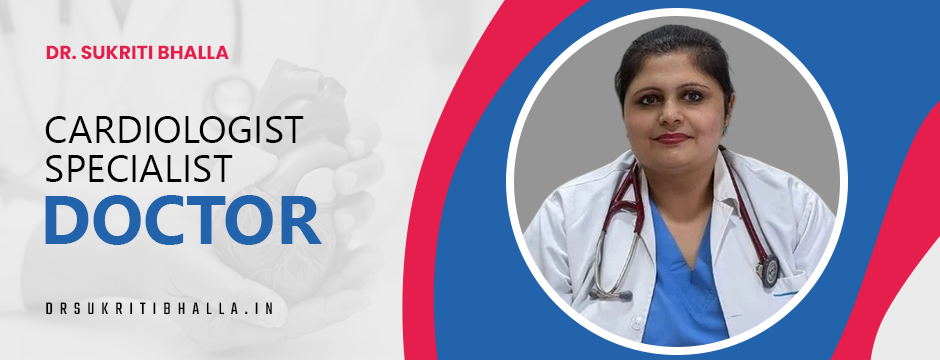
A Cardiologist Specialist Doctor is someone who has completed specialised training in evaluation, diagnosis and management, and—in many cases—prevention of disorders of the cardiovascular system. Their expertise is not limited to treating chronic disease once it has caused damage, but rather is multifaceted: completing a full risk assessment and recommending appropriate changes; interpreting diagnostic tests; managing underlying chronic diseases; working with a team of health providers to optimise cardiovascular health outcomes; and daily preventing heart disease together.
How a Cardiologist Averts Heart Disease?
Here are the main ways a cardiologist takes a proactive approach to prevent heart disease:
Identifying and Evaluating Risk Factors Early
- Medical History and Family History: The best thyroid doctor in Delhi will obtain a thorough history, including family and personal health history (for example: previous hypertension, hyperlipidemia, diabetes). Genetics is very important.
- Lifestyle Factors: The cardiologist will review tobacco use, dietary patterns, exercise level, stress level, alcohol use, and weight. These are modifiable risk factors that can be changed.
- Screening Tests and Biomarkers: Blood work for cholesterol (LDL, HDL, triglycerides), blood sugar (fasting glucose and HbA1c), and possibly inflammatory markers. This information will help risk-stratify.
Diagnostic Evaluations & Surveillance
- Physical Exam and Vital Signs: They will examine blood pressures, heart rate, auscultate for murmurs, signs of fluid overload, etc.
- Imaging and Functional Testing: ECG (electrocardiogram), echocardiogram, treadmill stress test, and other imaging (CT, MRI) may identify structural or functional abnormalities early.
- Cardiovascular Risk Calculators: Established tools are available to assess long-term risk for cardiovascular disease or heart attack based on multiple risk factors.
Lifestyle & Behavioural Intervention Guidance
- Dietary Changes: Recommending eating a heart-healthy diet, consisting of large amounts of vegetables, fruits, whole grains, lean protein, and healthy fats, while avoiding saturated fats, trans fats, sodium, and added sugar through other foods/drinks. The Mediterranean diet or DASH can be good examples of heart-healthy practices.
- Physical Activity & Exercise Plans: A thyroid doctor in Delhi helps in creating a plan that is compatible with the resident’s health status – Increase a person’s activity level to include moderate aerobic (long duration) exercise, strength training and build from there.
- Weight Management: Assisting or encouraging a person to achieve and maintain a healthy body weight to reduce the burden on their heart and vessels. Even small amounts of weight loss can help reduce risk.
- Smoking Cessation: Giving the person an assessment to determine a successful smoking cessation program that will work for them. Engaging community resources and, where needed, medicines, such as Chantix or Zyban, to help them quit smoking. Avoiding secondary smoke exposure is also helpful.
- Stress Management, Sleep, Other Factors: Helping to manage stress or anxiety, sleep, healthy habits, etc – everything influences the health of the heart.
Medical Management of Underlying Conditions
- Control of Hypertension (high blood pressure): through lifestyle and, when appropriate, with medicine. Uncontrolled hypertension contributes to the damage of the arteries and the cardiovascular system.
- Control of Cholesterol and Lipids: In the absence of diet and exercise, management of statins or other lipid-lowering medications to maintain a safe level of LDL, triglycerides, etc., is acceptable.
- Control of Diabetes: Because blood sugars, the swings or fluctuations of blood sugar and/or complications contribute heavily, it is important to manage or control diabetes with A1c management.
- Control or Treatment of Other Associated Conditions: abuse affects the heart, and other chronic illnesses such as obesity, sleep apnea, and kidney disease. Sometimes arrhythmias (abnormal heart rhythms) or valvular problems are treated before they worsen.
Continuous Surveillance, Feedback and Modifications
- Frequent Follow-Ups: A Cardiologist Specialist Doctor helps in verifying progress, reviewing tests, and modifying the treatment plan. For example, periodically monitoring blood pressure, lipid levels, etc.
- Technological Use: Telemonitoring, remote monitoring tools, wearable devices, apps to monitor heart rate, activity, etc. These technologies may be considered in some population settings.
- Education and Empowerment of the Patient: Explaining the “why” and “how” of changes, educating the patient about their personal risk to increase the likelihood of compliance with recommendations.
Preventive Pharmacotherapy and Interventions (if needed)
Preventative medications may be prescribed, even in indication-free patients, for individuals at intermediate increasing risk: statins, antihypertensives, antiplatelets, etc. When judging risk or existing disease, it is appropriate for invasive or semi-invasive interventions: angioplasty or stenting, correcting some arrhythmias, etc.
Final Words
Heart disease need not be an inevitable part of ageing. Much of it can be prevented, delayed or minimised through early risk detection, lifestyle changes, medical management, and continuous care. A cardiologist plays a crucial role in this process—not only treating disease, but helping individuals stay well: assessing risk, guiding change, intervening when necessary, and adjusting strategies as life and health evolve.
If you’re seeking an expert Cardiologist Specialist Doctor, a compassionate cardiology care focused on prevention as well as treatment, you may want to consider the team at Dr. Sukriti Bhalla. Our specialists combine modern diagnostics with personalised preventive plans to protect your heart health before problems arise.