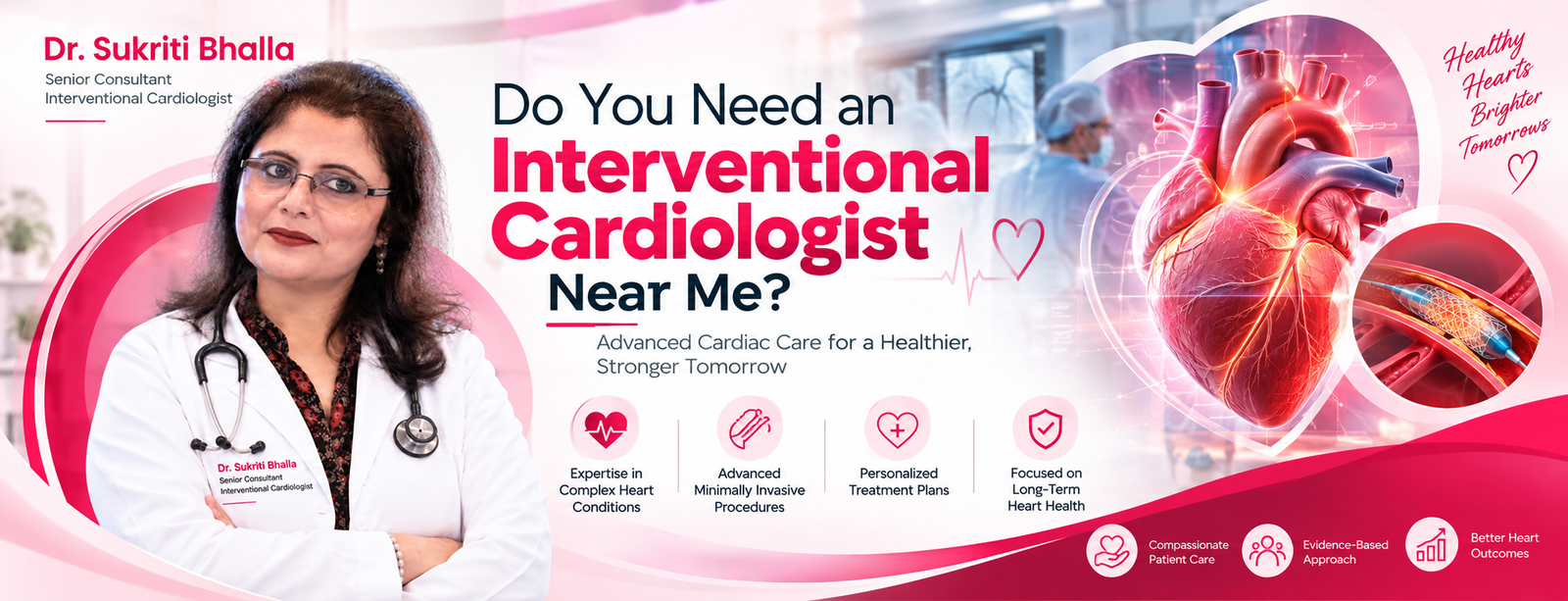
Heart health plays an important role in maintaining an active and healthy life. However, blocked arteries can affect blood flow to the heart and increase the risk of serious complications. Many people ignore early warning signs, such as chest discomfort, breathlessness, unusual fatigue, and dizziness. These symptoms may indicate an underlying heart condition that requires medical attention. Searching for an interventional cardiologist near me can help you find a specialist who can assess your symptoms and recommend suitable treatment.
Interventional cardiologists specialise in diagnosing and treating several cardiovascular conditions through minimally invasive procedures. They use advanced imaging techniques and catheter-based treatments to identify and manage blocked or narrowed coronary arteries. Depending on the severity of the blockage, treatment may involve medication, angioplasty, or stent placement.
This blog explores the common causes and warning signs of heart blockages, the diagnostic tests used by interventional cardiologists, available treatment options, recovery after angioplasty, and ways to maintain long-term heart health.
What Are Heart Blockages and Why Do They Occur
Heart blockages usually develop when the coronary arteries become narrowed or obstructed. These arteries supply oxygen-rich blood to the heart muscle. When blood flow decreases, the heart may not receive enough oxygen to function properly, particularly during physical activity or emotional stress.
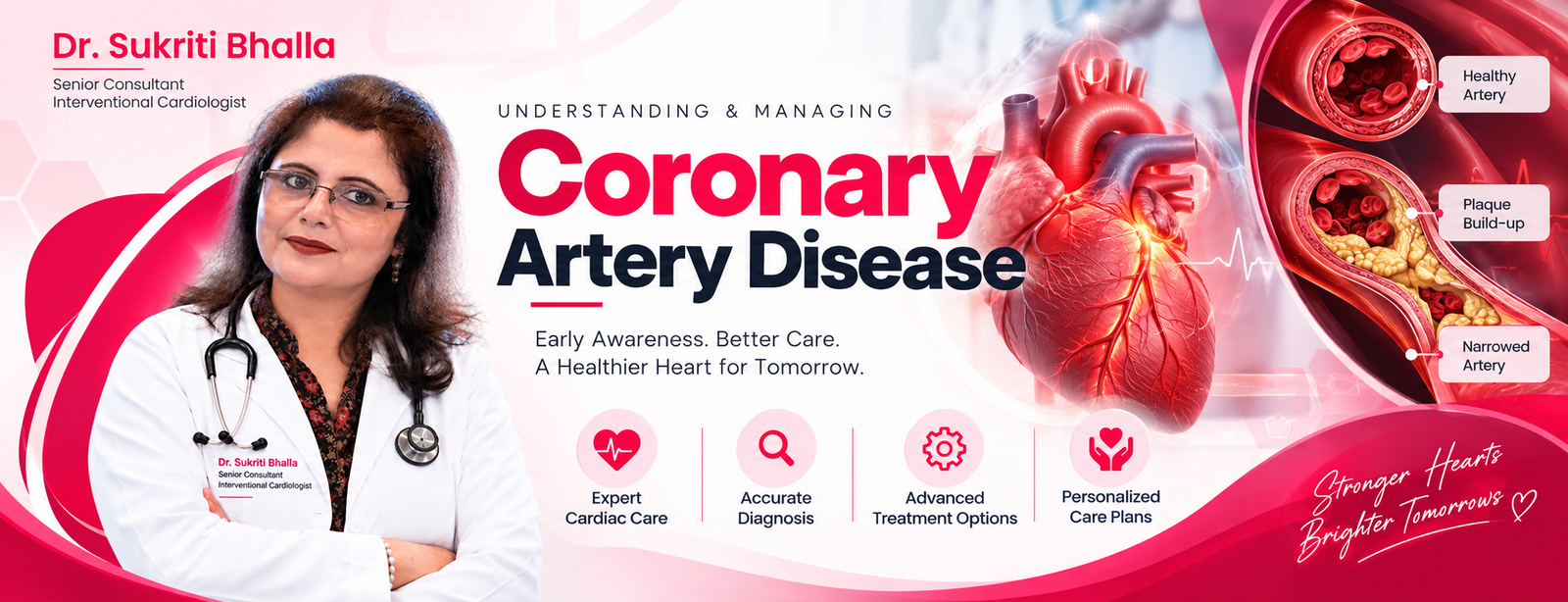
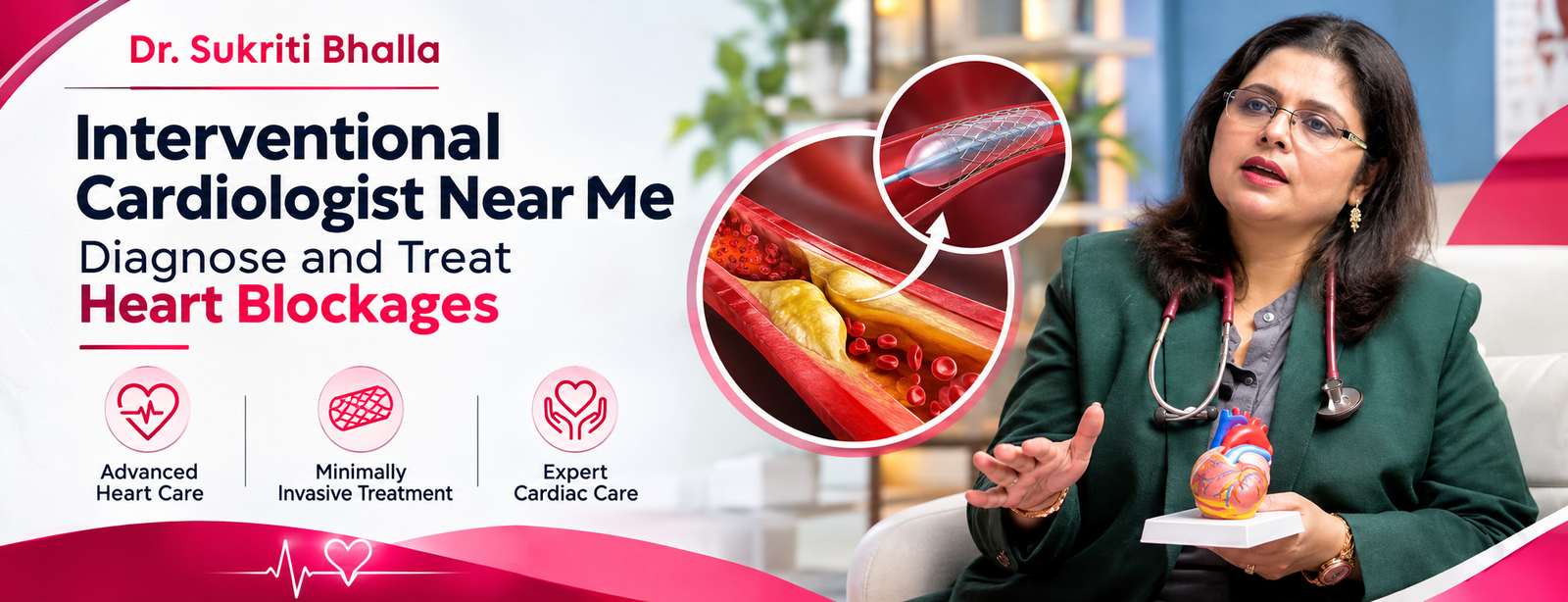
The most common cause of coronary artery blockages is atherosclerosis. This condition develops when fatty deposits, cholesterol, calcium, and other substances accumulate along the inner walls of the arteries. Over time, these deposits form plaques that restrict blood flow.
Common Causes of Blocked Heart Arteries
Several health conditions and lifestyle factors can increase the likelihood of developing coronary artery disease.
- High cholesterol: Excess LDL cholesterol can contribute to plaque formation inside the arteries.
- High blood pressure: Persistent hypertension can damage artery walls and increase cardiovascular strain.
- Diabetes: Elevated blood glucose levels can damage blood vessels and accelerate atherosclerosis.
- Smoking: Tobacco chemicals damage blood vessels and increase the risk of plaque accumulation.
- Obesity: Excess body weight can contribute to hypertension, diabetes, and abnormal cholesterol levels.
- Physical inactivity: A sedentary lifestyle can increase several cardiovascular risk factors.
- Family history: Genetic factors may increase the likelihood of developing coronary artery disease.
Age and certain inflammatory conditions can also influence cardiovascular risk.
Symptoms That May Indicate a Heart Blockage
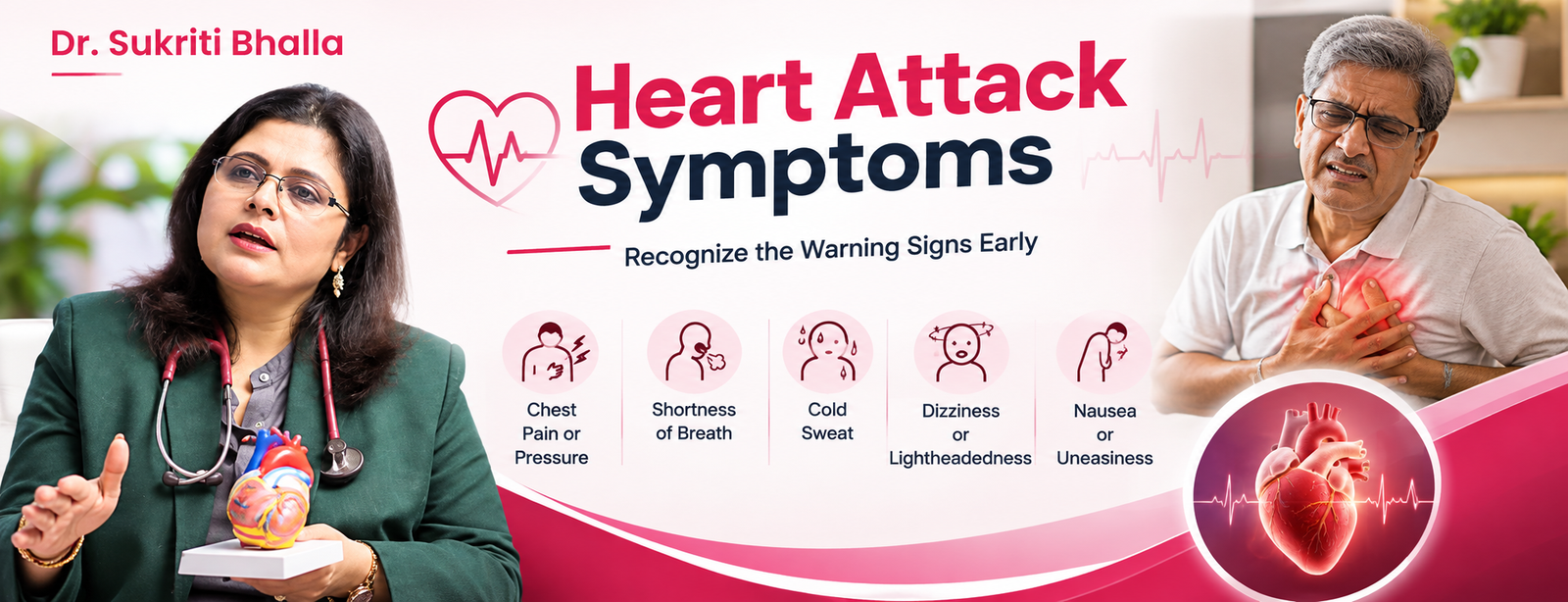
Heart blockages do not always produce noticeable symptoms during their early stages. However, as the narrowing becomes more severe, certain warning signs may appear.
Common symptoms include:
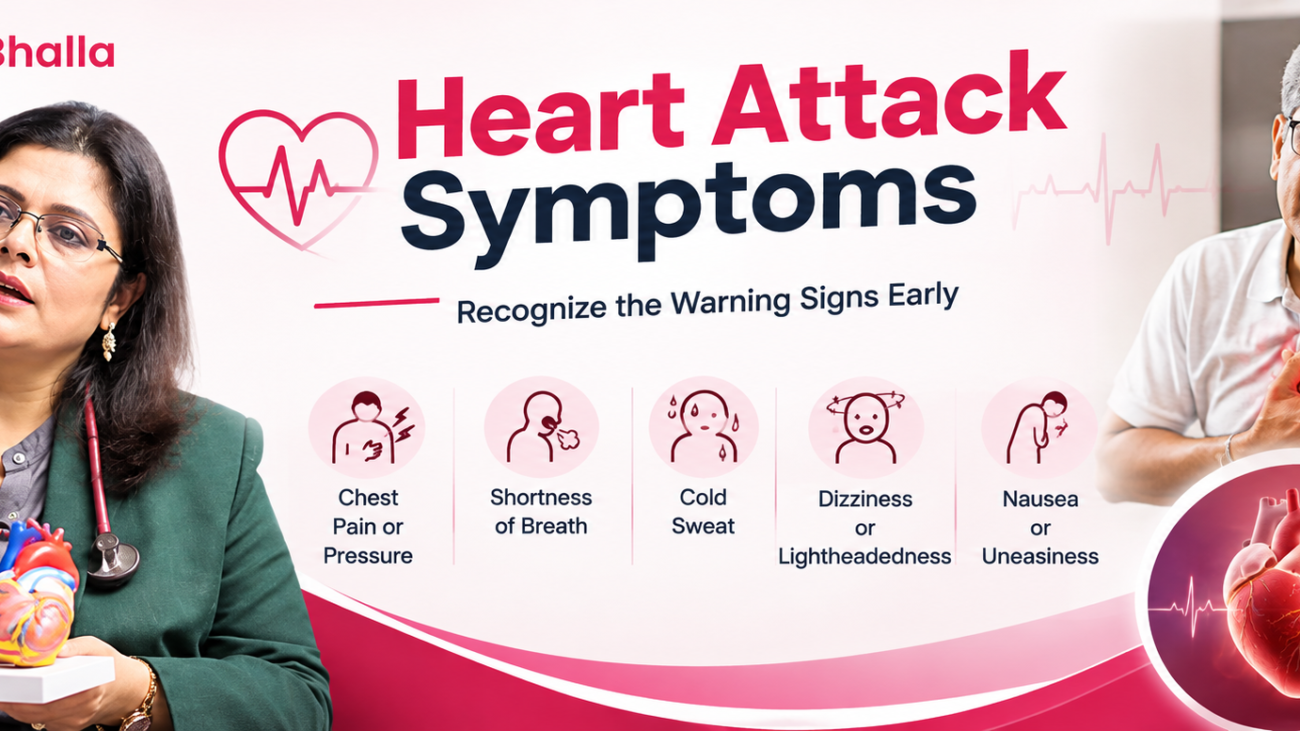
- Chest pain, pressure or tightness, particularly during physical activity.
- Breathlessness during exercise or everyday activities.
- Pain spreading towards the arms, shoulders, neck, jaw or back.
- Unusual tiredness without an obvious explanation.
- Dizziness or light-headedness.
- Sweating, nausea or discomfort.
Some people experience no obvious symptoms until a serious cardiac event occurs. Sudden chest pain, severe breathlessness, fainting, or other possible heart attack symptoms require immediate emergency medical attention. Do not delay emergency care while trying to arrange a routine specialist appointment.
How Does an Interventional Cardiologist Near Me Diagnose Heart Blockages
An interventional cardiologist near me uses a combination of medical assessments, diagnostic tests, and advanced imaging techniques to identify coronary artery blockages. The choice of tests depends on the patient’s symptoms, medical history, risk factors, and overall health.
The primary aim is to determine whether the coronary arteries are narrowed, identify the location of any blockage, and assess how severely blood flow is affected.
Medical History and Physical Examination
The diagnostic process usually begins with a detailed consultation. The cardiologist asks about existing symptoms, their frequency, and the situations in which they occur.
Patients may also need to discuss their medical history, family history, medications, and lifestyle habits. The best cardiologist in Dwarka checks blood pressure, heart rate, and other relevant physical indicators.
This initial assessment helps identify potential cardiovascular risks and determine which investigations are necessary.
Electrocardiogram (ECG)
An electrocardiogram (ECG) measures the heart’s electrical signals to assess its rhythm and functioning. It helps doctors identify abnormal heart rhythms and electrical changes that may indicate reduced blood supply or previous heart damage.
An ECG is particularly useful when a patient experiences chest discomfort, palpitations, or breathlessness. However, a normal ECG does not completely rule out coronary artery disease.
Echocardiogram
An echocardiogram uses ultrasound waves to create images of the heart. It allows the interventional cardiologist near me to examine the heart’s structure, pumping ability, and movement of its walls.
This test can identify areas of reduced heart muscle movement that may be associated with inadequate blood supply. It also helps assess heart function and identify certain structural abnormalities.
Blood Tests
Blood tests help evaluate cardiovascular risk factors and detect signs of heart muscle damage.
Common investigations include:
- Lipid profile: Measures cholesterol and triglyceride levels.
- Blood glucose testing: Helps identify diabetes or poor blood sugar control.
- Cardiac troponin: Detects heart muscle injury, particularly when a heart attack is suspected.
- Kidney function tests: Help assess kidney health before certain contrast-based investigations or procedures.
These results help the interventional cardiologist near me understand the patient’s overall cardiovascular condition and plan further evaluation.
Stress Testing
A stress test evaluates how the heart performs during physical activity or under medication-induced stress. Doctors monitor heart rate, blood pressure, and ECG changes during the assessment.
Some patients may also undergo stress echocardiography or nuclear imaging. These investigations can help identify areas of the heart receiving insufficient blood during increased demand.
Coronary CT Angiography
Coronary CT angiography uses specialised CT imaging and contrast dye to examine the coronary arteries. It can identify plaque deposits, narrowing, and other abnormalities.
This non-invasive investigation is useful for assessing suspected coronary artery disease in appropriately selected patients. The cardiologist considers the results alongside symptoms and other clinical findings.
Coronary Angiography
Coronary angiography is an important investigation for examining the coronary arteries in detail. It involves inserting a thin catheter into an artery, usually through the wrist or groin.
The specialist guides the catheter towards the heart and injects contrast dye. X-ray images then show how blood flows through the coronary arteries and reveal narrowed or blocked areas.
This procedure helps determine the location, severity, and extent of coronary artery disease. It can also guide decisions about further treatment, including angioplasty and stent placement.
How Does an Interventional Cardiologist Near Me Treat Heart Blockages
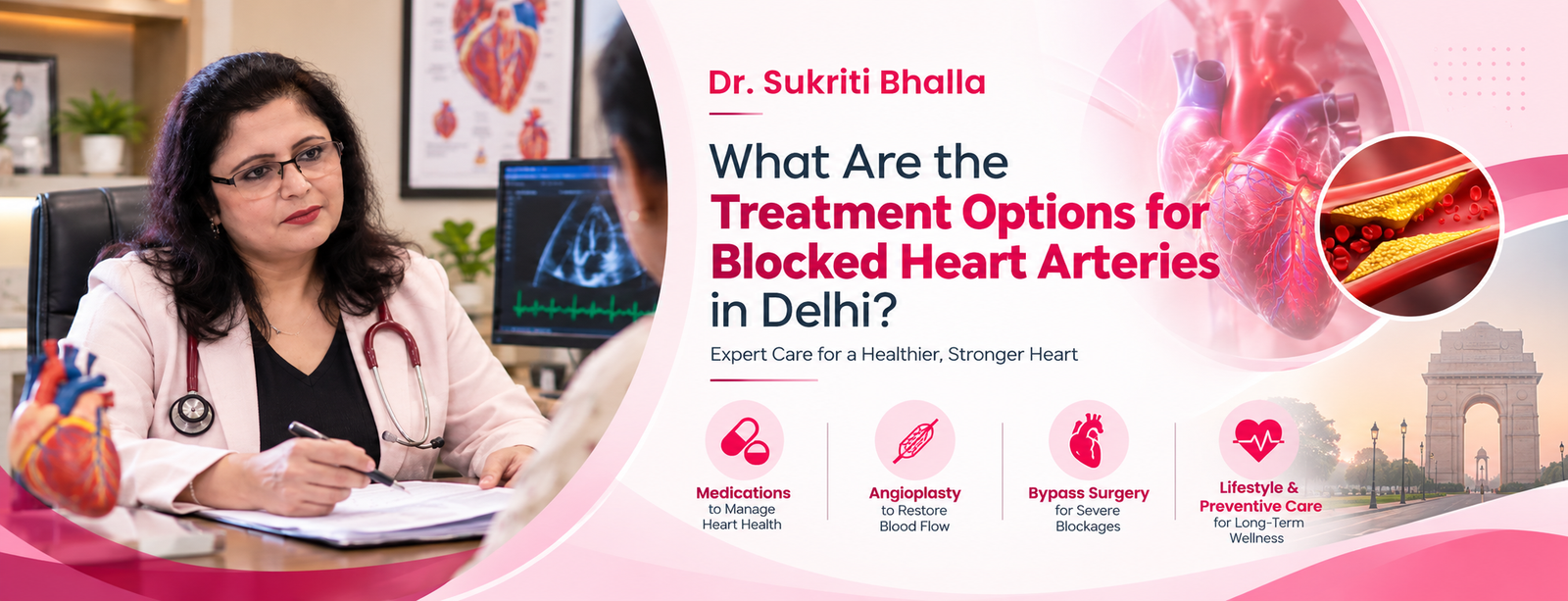
Treatment depends on the location and severity of the blockage, the patient’s symptoms, heart function, and overall medical condition. Not every blockage requires an invasive procedure. Some patients benefit from medication and lifestyle changes, while others need catheter-based interventions.
An interventional cardiologist near me evaluates these factors before recommending an appropriate treatment plan.
Medications for Managing Coronary Artery Disease
Medication plays an important role in managing coronary artery disease and reducing the risk of complications. Doctors may prescribe different medicines depending on the patient’s condition.
Common medication categories include:
- Antiplatelet medicines: Help prevent blood clots from forming.
- Statins: Lower LDL cholesterol and help stabilise fatty plaques.
- Beta-blockers: Reduce heart rate and the heart’s workload.
- Nitrates: Help relieve angina by improving blood flow and reducing cardiac workload.
- Blood pressure medicines: Help control hypertension and reduce cardiovascular strain.
Patients should take prescribed medicines according to medical instructions. They should never stop or change their medication without consulting their treating doctor.
Coronary Angioplasty
Coronary angioplasty is a minimally invasive procedure used to open narrowed or blocked coronary arteries. It is also known as percutaneous coronary intervention (PCI).
During the procedure, the specialist inserts a catheter into an artery, usually through the wrist or groin. A small balloon attached to the catheter is guided towards the narrowed section.
Once positioned correctly, the balloon is inflated to widen the artery and improve blood flow. The balloon is then deflated and removed.
Angioplasty can help relieve symptoms associated with reduced blood supply to the heart. It is also an important treatment option in certain heart attack situations.
Stent Placement
A stent is a small mesh-like tube that helps keep a coronary artery open after angioplasty. It is usually placed during the same procedure.
The stent expands inside the narrowed section and supports the artery walls. Many modern coronary stents are drug-eluting stents, which release medication to reduce the likelihood of the artery narrowing again.
Stent placement can improve blood flow and reduce symptoms in appropriately selected patients. After the procedure, patients generally need antiplatelet medication for a prescribed period to reduce the risk of clot formation within the stent.
Emergency Treatment During a Heart Attack
A heart attack can occur when blood flow through a coronary artery becomes severely restricted or completely blocked. This can damage the heart muscle and requires immediate medical attention.
For suitable patients, emergency angioplasty may be performed to reopen the affected artery. The specialist may place a stent to maintain blood flow.
In certain heart attack situations, primary PCI is the preferred reperfusion treatment when it can be delivered promptly. The exact treatment approach depends on the patient’s condition, available facilities, and clinical circumstances.
What Happens After Heart Blockage Treatment
Treatment does not end when the blocked artery is successfully opened. Recovery and long-term heart health require regular monitoring, appropriate medication, and sustainable lifestyle changes.
The recovery period depends on the type of treatment, the patient’s overall health, and whether complications occurred.
Recovery After Coronary Angioplasty
Most patients undergoing planned angioplasty can return home within a day, depending on their condition and the treating team’s assessment. Recovery following emergency angioplasty may require additional hospital care.
Patients should follow instructions regarding physical activity, wound care, and medication. They may experience mild bruising or tenderness around the catheter insertion site.
During recovery, patients should:
- Avoid strenuous activities until medically cleared.
- Keep the catheter insertion area clean and follow wound-care instructions.
- Take all prescribed medicines on schedule.
- Attend follow-up appointments.
- Report unusual bleeding, swelling, or increasing discomfort around the insertion site.
Severe chest pain, sudden breathlessness or fainting requires immediate medical attention.
Importance of Cardiac Rehabilitation
Cardiac rehabilitation is a medically supervised programme designed to support recovery after certain heart conditions and procedures. It combines physical activity, education and lifestyle guidance.
A cardiac rehabilitation programme may include:
- Supervised exercise sessions.
- Guidance on heart-healthy nutrition.
- Support for quitting smoking.
- Stress management techniques.
- Education about medication and symptom management.
These programmes help patients rebuild physical confidence and develop healthier routines. The cardiologist can determine whether cardiac rehabilitation is appropriate based on individual needs.
Lifestyle Changes to Prevent Further Blockages
Angioplasty and stent placement improve blood flow through treated arteries, but they do not eliminate the underlying causes of coronary artery disease. Continued preventive care is essential.

Important lifestyle changes include:
- Follow a balanced diet: Choose vegetables, fruits, whole grains, legumes, nuts, and suitable sources of lean protein. Limit excess salt, saturated fats, and highly processed foods.
- Stay physically active: Regular exercise supports heart health and helps manage blood pressure, cholesterol, and body weight. Follow an activity plan recommended by your doctor.
- Quit smoking: Stopping tobacco use can significantly improve cardiovascular health and reduce the risk of further artery damage.
- Manage existing conditions: Keep diabetes, high blood pressure and cholesterol under control through appropriate treatment and regular monitoring.
- Maintain a healthy weight: Managing body weight can reduce the strain on the heart and improve overall metabolic health.
- Prioritise sleep and stress management: Adequate sleep and healthy ways of managing stress support overall cardiovascular well-being.
When Should You Consult an Interventional Cardiologist Near Me
Recognising when to seek an interventional cardiologist near me can help prevent complications associated with coronary artery disease. You should consider a cardiac evaluation if you experience recurring chest discomfort, unexplained breathlessness, or other symptoms associated with reduced blood flow.
An appointment may also be appropriate if:
- You have been diagnosed with coronary artery disease.
- Your doctor suspects narrowed or blocked coronary arteries.
- You have diabetes, hypertension or high cholesterol alongside other cardiovascular risk factors.
- You have experienced a heart attack and need further treatment or monitoring.
- You have been advised to undergo coronary angiography or angioplasty.
- You continue experiencing angina despite prescribed medication.
Patients with a previous history of angioplasty or stent placement may also need regular follow-up consultations.
Why Timely Cardiac Evaluation Matters
Early evaluation helps identify cardiovascular problems before they become more serious. It also allows doctors to assess risk factors and recommend suitable preventive measures.
However, not every episode of chest pain indicates a blocked artery. A proper medical assessment is necessary to identify the underlying cause and avoid unnecessary treatment.
If you experience sudden chest pressure, severe breathlessness, cold sweating, or pain spreading to your arm or jaw, seek emergency medical care immediately. Do not wait for a routine appointment or attempt to travel to a specialist independently.
How to Choose the Right Specialist for Heart Blockage Treatment
Choosing the right cardiac specialist is an important step towards receiving appropriate treatment. An experienced interventional cardiologist can evaluate your condition, explain available treatment options, and guide you through the diagnostic and recovery process.
Consider the following factors when selecting a specialist:
- Clinical experience: Look for experience in diagnosing and treating coronary artery disease.
- Procedural expertise: Check experience with coronary angiography, angioplasty, and stent placement.
- Diagnostic facilities: Access to appropriate cardiac investigations can support accurate diagnosis.
- Patient communication: Choose a specialist who explains medical findings and treatment options clearly.
- Follow-up care: Regular monitoring and preventive guidance are important for long-term heart health.
You should also feel comfortable discussing your symptoms, concerns, and treatment preferences during consultations. A clear understanding of your condition can help you participate more confidently in healthcare decisions.
Final Notes
Heart blockages can affect blood circulation and increase the risk of serious cardiovascular complications. Early diagnosis, appropriate treatment, and regular monitoring are essential for protecting heart health. Understanding how an interventional cardiologist near me identifies blocked arteries and treats coronary artery disease can help patients seek timely medical attention. Depending on individual requirements, treatment may involve medication, coronary angiography, angioplasty, or stent placement.
If you are looking for expert cardiac care, then you can rely on Dr. Sukriti Bhalla. She offers specialised evaluation and treatment for various cardiovascular conditions. Visit her website now to learn more about her expertise and available cardiac services. Seeking the right medical guidance from her can help you take informed steps towards better heart health.
FAQs
1. What are the early signs of blocked heart arteries?
Early signs may include chest discomfort, breathlessness during physical activity, unusual fatigue, and dizziness. However, some people experience no noticeable symptoms initially.
2. Can an interventional cardiologist treat heart blockages without surgery?
Yes, interventional cardiologists can treat suitable blockages using minimally invasive procedures, such as balloon angioplasty and stent placement, without conventional open-heart surgery.
3. Is coronary angiography painful?
Coronary angiography is generally performed under local anaesthesia. Patients may experience mild pressure during catheter insertion but usually remain comfortable throughout the procedure.
4. How long does recovery take after angioplasty?
Many patients return home within 24 hours after planned angioplasty. However, recovery varies depending on individual health, complications, and whether emergency treatment was required.
5. Can heart blockages develop again after stent placement?
Yes, arteries can develop further narrowing due to progressive coronary artery disease. Medication adherence, lifestyle changes, and regular cardiac follow-ups help reduce future risks.