Hearing that you may need an angioplasty can feel worrying. You may have questions about the procedure, its safety, recovery, and long-term effects. Searching for a top cardiologist near me is often one of the first steps people take after experiencing chest discomfort or receiving an abnormal heart test result.
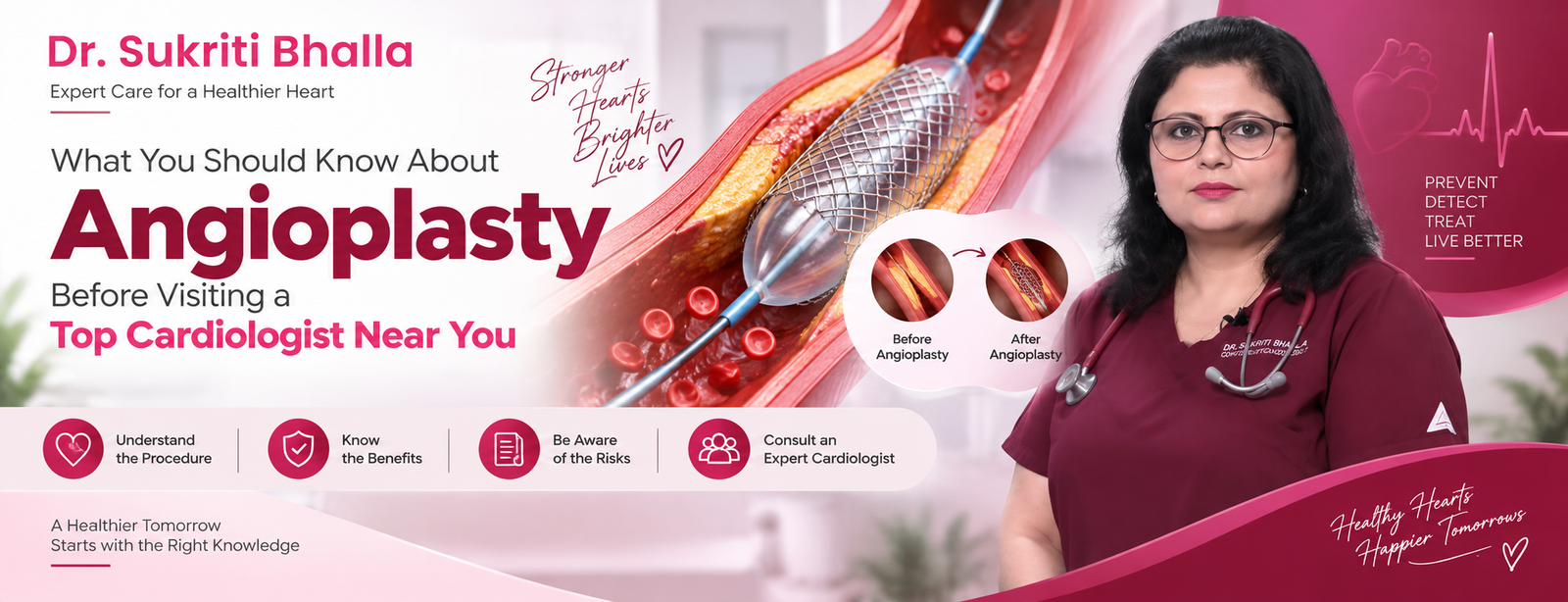
Angioplasty is a common procedure used to improve blood flow through narrowed or blocked coronary arteries. It is also known as percutaneous coronary intervention, or PCI. During the procedure, a small balloon is used to widen a narrowed artery. A stent may then be inserted to keep the artery open and restore blood flow. Understanding the procedure can make discussions with your cardiologist easier. It can also help you prepare better for treatment and recovery.
This guide explains why angioplasty may be recommended, what happens during the procedure, possible risks, recovery expectations, and important questions to ask before treatment.
What Is Angioplasty and Why Is It Recommended: Insights from Top Cardiologist Near Me
The coronary arteries provide the heart muscle with oxygen-rich blood. Over time, plaque, made up of fatty deposits, can accumulate inside these arteries. This process is associated with coronary heart disease and can restrict blood flow. When an artery becomes significantly narrowed, you may develop symptoms such as chest pain or angina. In some situations, reduced blood flow can contribute to a heart attack.
Angioplasty helps restore blood flow through the affected artery. It is commonly considered when symptoms are significant or when an artery needs to be opened urgently during a heart attack. However, angioplasty is not suitable for everyone. The top cardiologist near me will consider your overall health, the location and severity of the blockage, and other factors before recommending treatment.
For people researching angioplasty treatment for blocked coronary arteries, understanding the reason for treatment is important. The goal is not simply to open an artery. The wider aim is to improve blood flow and manage the underlying heart condition.
What Is a Stent
A stent is a small mesh tube placed inside a narrowed coronary artery. It acts as a scaffold to help keep the artery open after the balloon is removed.
There are different types of stents. Drug-eluting stents release medication that helps reduce the chance of the artery becoming narrowed again.
The top cardiologist near me will decide whether a stent is appropriate based on your individual circumstances.

How Is Angioplasty Performed by the Top Cardiologist Near Me
If you are preparing for angioplasty, knowing what happens during the procedure can reduce some uncertainty. The procedure usually takes place in a specialised cardiac catheterisation laboratory by the top cardiologist near me. A catheter, which is a thin and flexible tube, is inserted into an artery. Depending on the situation, the access point may be in the wrist, arm, or groin.
The catheter is guided towards the affected coronary artery using X-ray imaging. A guide wire is then moved through the narrowed section. A small balloon is positioned at the blockage and inflated.
The balloon presses the plaque against the artery wall. This widens the passage and allows blood to flow more freely. If a stent is required, it is usually positioned around the balloon. When the balloon is inflated, the stent expands and remains inside the artery after the balloon and catheter are removed.
A coronary angioplasty commonly takes between 30 minutes and two hours, although the duration can vary depending on the complexity of the procedure.
Will You Be Awake During Angioplasty
Angioplasty is generally performed using local anaesthetic around the catheter insertion site. You may remain awake during the procedure.
You may experience some pressure or mild discomfort during the procedure. It is important to tell the medical team if you experience significant chest pain or feel unwell during treatment. Afterwards, a cardiologist specialist doctor will monitor you while you recover.
Who May Need Angioplasty: Analysis by the Top Cardiologist Near Me
Angioplasty may be recommended for people with significant narrowing of the coronary arteries. It may be used as part of a planned treatment approach for certain patients with angina. It can also be performed as an emergency treatment during a heart attack.
However, treatment decisions are highly individual. Some people may benefit from medication and lifestyle changes rather than an invasive procedure. Others may require coronary artery bypass graft surgery, particularly when several arteries are severely narrowed, or the pattern of disease makes angioplasty unsuitable.
Therefore, searching for the best cardiologist for angioplasty consultation should not be based only on whether a doctor performs the procedure. It is also important to discuss whether angioplasty is actually appropriate for your condition.
The top cardiologist near me may review your symptoms, medical history, examination findings, ECG results, blood tests, imaging, and other cardiac investigations before recommending a treatment plan.
What Are the Benefits and Risks of Angioplasty
Like every medical procedure, angioplasty has potential benefits and risks. The balance varies between individuals. One major benefit is improved blood flow through the treated coronary artery. Many people experience improvements in symptoms such as chest pain, breathlessness, or tiredness after successful treatment.
However, angioplasty does not remove the underlying tendency towards coronary artery disease. Lifestyle changes and prescribed medication may still be important after treatment.
Understanding Possible Complications
Bleeding or bruising around the catheter insertion site is relatively common. Other complications are less common but can include damage to an artery, an allergic reaction to contrast dye, excessive bleeding, heart attack, stroke, or other serious problems.
The level of risk depends on factors such as age, general health, other medical conditions, and whether the angioplasty is planned or performed as emergency treatment.
This is why an individual medical assessment matters. Online information can help you understand the procedure, but it cannot determine whether angioplasty is suitable for you.
Another concern is restenosis, where an artery becomes narrowed again. Modern stent technology has reduced this risk, although it can still occur.
Why Medication Matters After Stenting
Medication is an important part of recovery. Many patients need antiplatelet medicines after stent placement to reduce the risk of blood clots forming inside the stent.

The exact medicines and duration depend on your circumstances. Never stop prescribed heart medication without discussing it with the top cardiologist near me.
Following your medication plan carefully is especially important after stent placement because stopping certain medicines too early can increase the risk of serious complications.
Recovery After Angioplasty: What Should You Expect
Recovery varies depending on your health and whether the procedure was planned or performed during an emergency.
After an uncomplicated planned angioplasty, many patients can leave the hospital on the same day or the following day. Some people may experience bruising or soreness around the catheter insertion site.
Your cardiologist specialist doctor will provide personalised instructions about wound care, medication, physical activity, and follow-up appointments.
Returning to Daily Activities
Many people gradually return to normal activities within days. However, strenuous activity and heavy lifting may need to be avoided for a period recommended by your medical team.
Driving restrictions can also apply after angioplasty. The exact advice may depend on your circumstances and local regulations.
If your angioplasty follows a heart attack, recovery can take considerably longer. Your cardiology team may recommend cardiac rehabilitation to support physical recovery and help you make sustainable lifestyle changes.
For anyone researching recovery after coronary angioplasty and stent placement, it is important to understand that recovery is not simply about healing the catheter insertion site. Long-term heart health also requires attention.
Lifestyle Changes After Angioplasty
Angioplasty can improve blood flow, but it does not automatically eliminate the causes of coronary artery disease.
Your doctor may recommend:
- Eating a balanced, heart-friendly diet.
- Staying physically active as advised.
- Maintaining a healthy weight.
- Stopping smoking.
- Limiting alcohol where appropriate.
- Taking prescribed medicines correctly.
- Attending follow-up appointments.
- Participating in cardiac rehabilitation when recommended.
These changes can support long-term cardiovascular health and reduce the risk of further problems.

When Should You Seek Urgent Medical Help from the Top Cardiologist Near Me
It is important to understand which symptoms require immediate attention. After angioplasty, contact the top cardiologist near me if you notice increasing pain or swelling around the catheter site or develop a high temperature.
Severe chest pain that does not improve requires urgent medical attention. Significant bleeding from the catheter site that does not stop with pressure is also an emergency. NHS guidance advises calling emergency services rather than driving yourself if severe symptoms occur.
If you are unsure whether a symptom is serious, seek medical advice rather than ignoring it. Remember that chest pain can have different causes. Do not assume that new or worsening chest discomfort is simply part of recovery.
Final Thoughts
Understanding angioplasty before your consultation can make the treatment process less confusing. Knowing why angioplasty is recommended, how a stent works, what risks may occur, and what recovery involves can help you have a more productive conversation with the top cardiologist near me.
However, every heart condition is different. Treatment should be based on your symptoms, investigations, medical history, and individual risks. If you have been advised to consider angioplasty, discuss your concerns openly and follow personalised medical guidance.
For professional cardiac evaluation and guidance regarding angioplasty and other heart conditions, you can consult Dr. Sukriti Bhalla. To book your appointment and get reliable consultation, visit our official website today.
FAQs
1. How long does a coronary angioplasty take?
A coronary angioplasty usually takes around 30 minutes to two hours, although complex procedures may take longer depending on the blockage and treatment required.
2. Is angioplasty painful?
Angioplasty usually involves local anaesthetic. You may feel pressure or mild discomfort during the procedure, but significant pain should always be reported to your medical team.
3. How long does recovery after angioplasty take?
Many people recover within several days after uncomplicated planned angioplasty. However, recovery can take longer after emergency treatment or a heart attack.
4. Does everyone need a stent during angioplasty?
No. A stent is often used, but treatment depends on the artery, blockage, and individual circumstances. Your cardiologist will determine the most appropriate approach.
5. Can an artery become blocked again after angioplasty?
Yes. Restenosis can occur after angioplasty, although modern stents have reduced this risk. Medication and healthy lifestyle habits remain important for long-term heart health.