Heart health is closely connected to the levels of cholesterol circulating in your blood. While cholesterol performs important functions in the body, having too much of certain types can increase your risk of serious cardiovascular problems. Understanding your cholesterol levels early can help you take suitable steps towards protecting your heart. If you are concerned about your cholesterol, consulting the best cardiologist in South Delhi can help you understand your individual risk and appropriate care options.
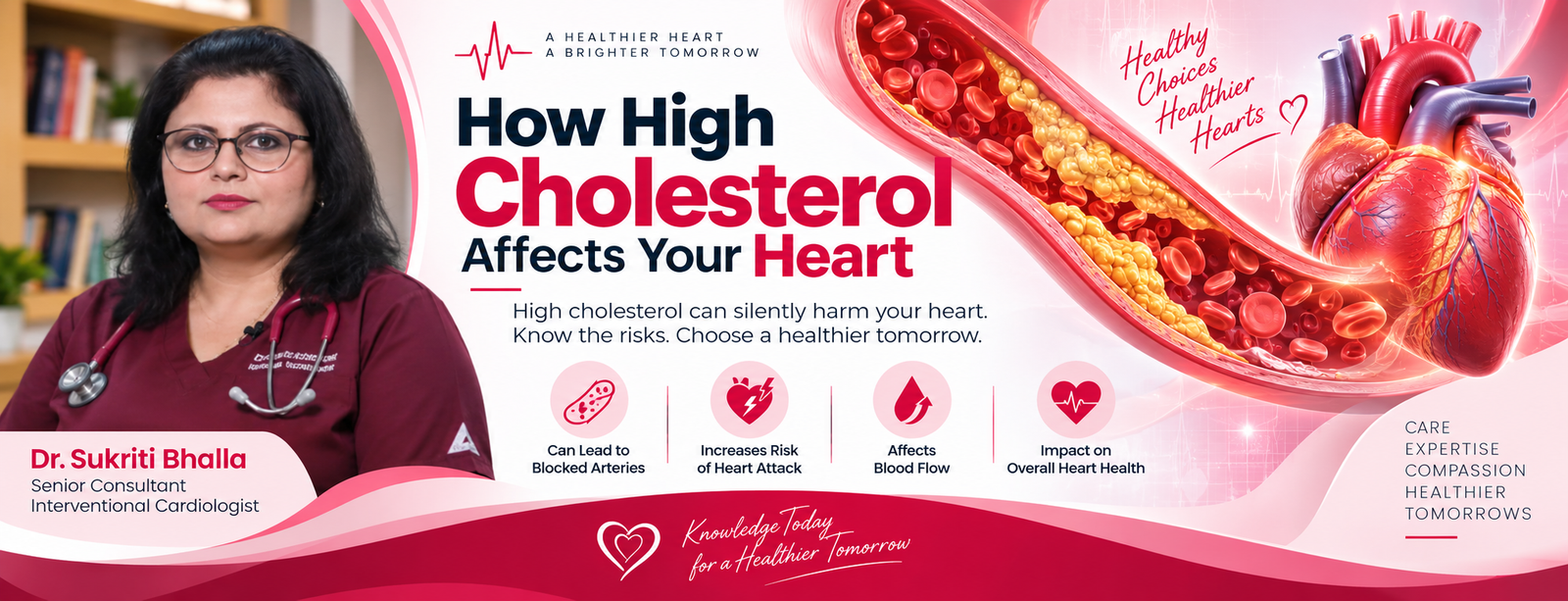
High cholesterol often develops without noticeable symptoms. You may feel perfectly healthy while cholesterol gradually contributes to changes inside your arteries. Over time, these changes can affect blood flow and increase the likelihood of coronary artery disease, heart attacks, and other complications.
Knowing what cholesterol means, why it rises, and how it affects your heart can help you make informed decisions. This guide explains the relationship between high cholesterol and heart health and highlights when professional cardiac advice may be necessary.
What Is Cholesterol and Why Is It Important for Your Body
Cholesterol is a waxy, fat-like substance found in every cell of your body. Your body needs cholesterol to perform several essential functions. It helps produce certain hormones, supports cell membranes, and contributes to the production of substances needed for digestion.
Most of the cholesterol your body needs is produced by your liver. You can also obtain cholesterol from some foods, particularly animal-based products. Because cholesterol does not dissolve in blood, it needs to travel through the bloodstream with the help of proteins. These combinations are called lipoproteins.
The two main types commonly discussed are low-density lipoprotein and high-density lipoprotein. Low-density lipoprotein, or LDL, is often called “bad” cholesterol. Excess LDL can contribute to fatty deposits inside the arteries. These deposits may gradually narrow the arteries and restrict blood flow.
High-density lipoprotein, or HDL, is commonly known as “good” cholesterol. It helps transport some cholesterol away from the arteries towards the liver, where it can be processed and removed. Triglycerides are another type of fat found in your blood. High triglyceride levels can also contribute to cardiovascular risk, particularly when combined with high LDL or low HDL.
A cholesterol test usually measures several of these values. Your best cardiologist in South Delhi considers them alongside your age, blood pressure, lifestyle, family history, and other health factors. Therefore, cholesterol should not be viewed as a single number. Your overall cardiovascular risk provides a more meaningful picture.
How High Cholesterol Affects Your Heart and Arteries
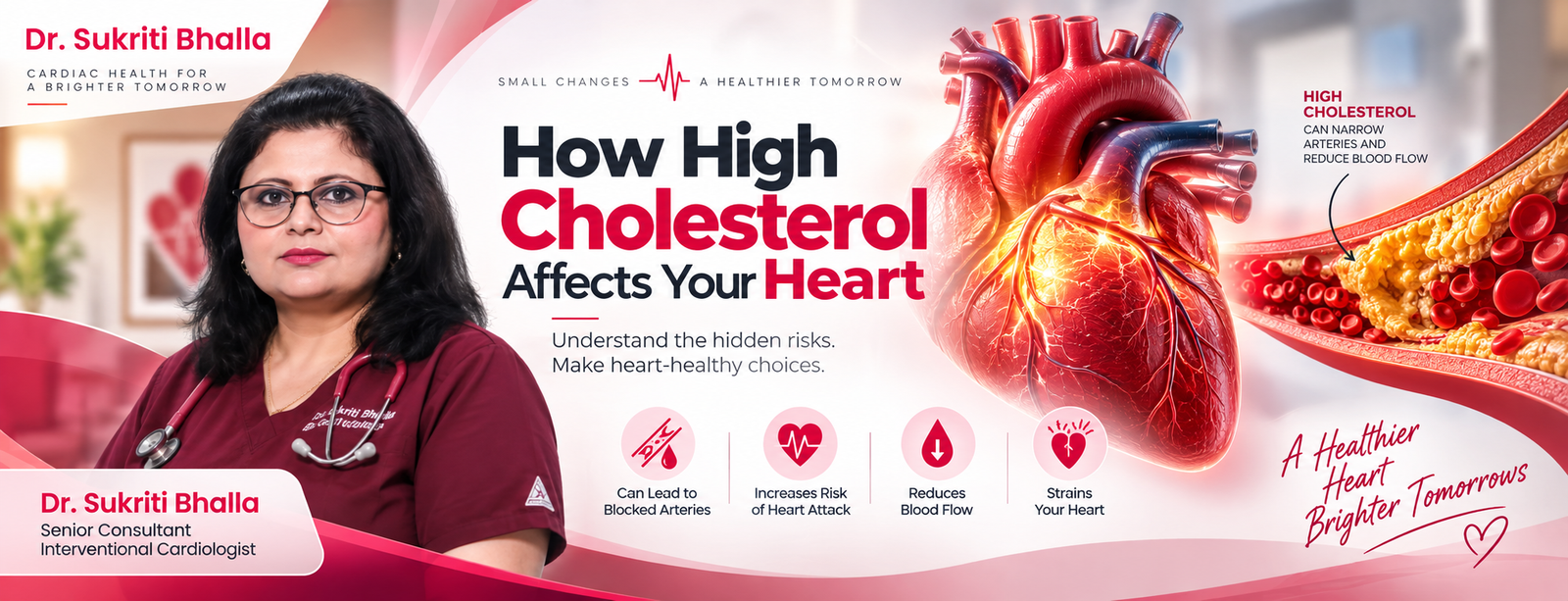
High cholesterol can affect your cardiovascular system gradually. This is one reason why it can be difficult to recognise the problem without a blood test or medical assessment. When LDL levels remain high, cholesterol can enter the walls of your arteries. Other substances can collect in the same area, contributing to the formation of plaque.
This process is known as atherosclerosis. As plaque develops, the artery can become narrower and less flexible. At first, the narrowing may not cause noticeable symptoms. However, as the blockage progresses, blood may struggle to reach the heart muscle efficiently.
Reduced blood flow to the heart can cause symptoms such as chest discomfort or pressure, particularly during physical activity. In some people, the condition may remain unnoticed until a serious cardiovascular event occurs. A plaque deposit can also become unstable and rupture. The body may respond by forming a blood clot around the damaged area. If the clot significantly blocks blood flow to the heart, it can cause a heart attack.
This is why how high cholesterol causes blocked arteries is an important topic for anyone concerned about cardiovascular health. High cholesterol does not automatically mean that you will develop heart disease. However, persistent high LDL can increase your risk, particularly when other risk factors are present.
Smoking, high blood pressure, diabetes, obesity, physical inactivity, and a family history of cardiovascular disease can further increase risk.
What Cholesterol Levels Mean for Your Heart: Observations of Best Cardiologist in South Delhi
A lipid profile can provide useful information about your cholesterol and triglyceride levels. It typically measures total cholesterol, LDL cholesterol, HDL cholesterol, and triglycerides. However, there is no single cholesterol number that determines whether someone is healthy or unhealthy.
The best cardiologist in South Delhi interprets cholesterol results according to the person’s overall risk. Someone who has already experienced cardiovascular disease may have different treatment goals from someone without previous heart problems.
This is why understanding cholesterol levels and heart disease risk requires more than simply looking at the total cholesterol value.
LDL Cholesterol
LDL is one of the most important cholesterol measurements when assessing cardiovascular risk.
When LDL remains elevated, it can contribute to plaque formation within the arteries. Lowering LDL may therefore be an important part of reducing cardiovascular risk for some people.
The appropriate target can differ between individuals. Your doctor may consider existing heart disease, diabetes, blood pressure, smoking history, and other factors before recommending a target.
HDL Cholesterol
HDL helps transport cholesterol away from certain tissues and towards the liver.
Although HDL is commonly described as protective, increasing HDL alone is not necessarily the main objective of cholesterol treatment. Overall cardiovascular risk and LDL management remain important considerations.
Triglycerides
Triglycerides are another type of fat found in your blood. Elevated triglycerides can be associated with increased cardiovascular risk, particularly alongside other metabolic risk factors.
High triglycerides can sometimes be linked with excess weight, diabetes, alcohol consumption, certain medicines, or dietary factors.
Total Cholesterol
Total cholesterol combines different cholesterol measurements. While useful, it should not be interpreted in isolation.
A comprehensive assessment gives a better understanding of what your results mean for your individual heart health.
What Causes High Cholesterol: Insights from the Best Cardiologist in South Delhi
Several factors can contribute to high cholesterol. Some are linked to lifestyle, while others cannot be changed. Understanding the potential causes with the assistance of the best cardiologist in South Delhi can help you identify areas where you may be able to reduce your risk.
Diet
A diet high in saturated fats can contribute to increased LDL cholesterol in some people. Foods containing large amounts of saturated fat can include fatty cuts of meat, butter, ghee, full-fat dairy products, and certain processed foods.
This does not mean that every source needs to be eliminated. Instead, your overall eating pattern matters. Replacing foods high in saturated fat with healthier sources of unsaturated fat may support better cardiovascular health.
Fruits, vegetables, whole grains, pulses, nuts, seeds and oily fish can form part of a heart-friendly eating pattern.
Lack of Physical Activity
Regular movement can support cardiovascular health and contribute to healthy body weight. Physical activity can also improve several metabolic factors associated with heart disease.
Adults should aim to remain physically active according to their abilities and medical circumstances. If you have an existing heart condition or significant symptoms, seek professional advice before starting an intensive exercise programme.
Excess Weight
Being overweight can affect cholesterol and triglyceride levels. It can also increase the likelihood of developing high blood pressure and type 2 diabetes.
Even modest improvements in weight, when appropriate, can support better overall cardiovascular health.
Genetics
Some people inherit a tendency towards high cholesterol. Familial hypercholesterolaemia is an inherited condition that can cause particularly high LDL levels. It can increase the risk of cardiovascular disease at a younger age.
People with a strong family history of early heart disease or unusually high cholesterol may benefit from medical assessment.
Other Factors
Certain medical conditions and medicines can affect cholesterol levels. Age and hormonal changes can also influence cholesterol. Therefore, high cholesterol should not always be attributed to diet alone.
A medical assessment provided by the best cardiologist in South Delhican help identify the factors contributing to your results and determine whether further investigation is appropriate.
How to Lower Cholesterol and Protect Your Heart: Views of the Best Cardiologist in South Delhi
Managing high cholesterol usually involves looking at your overall cardiovascular health rather than focusing on cholesterol alone.
Lifestyle changes can provide an important foundation. Depending on your individual risk, your best cardiologist in South Delhi may also recommend medication.
Follow a Heart-Friendly Diet
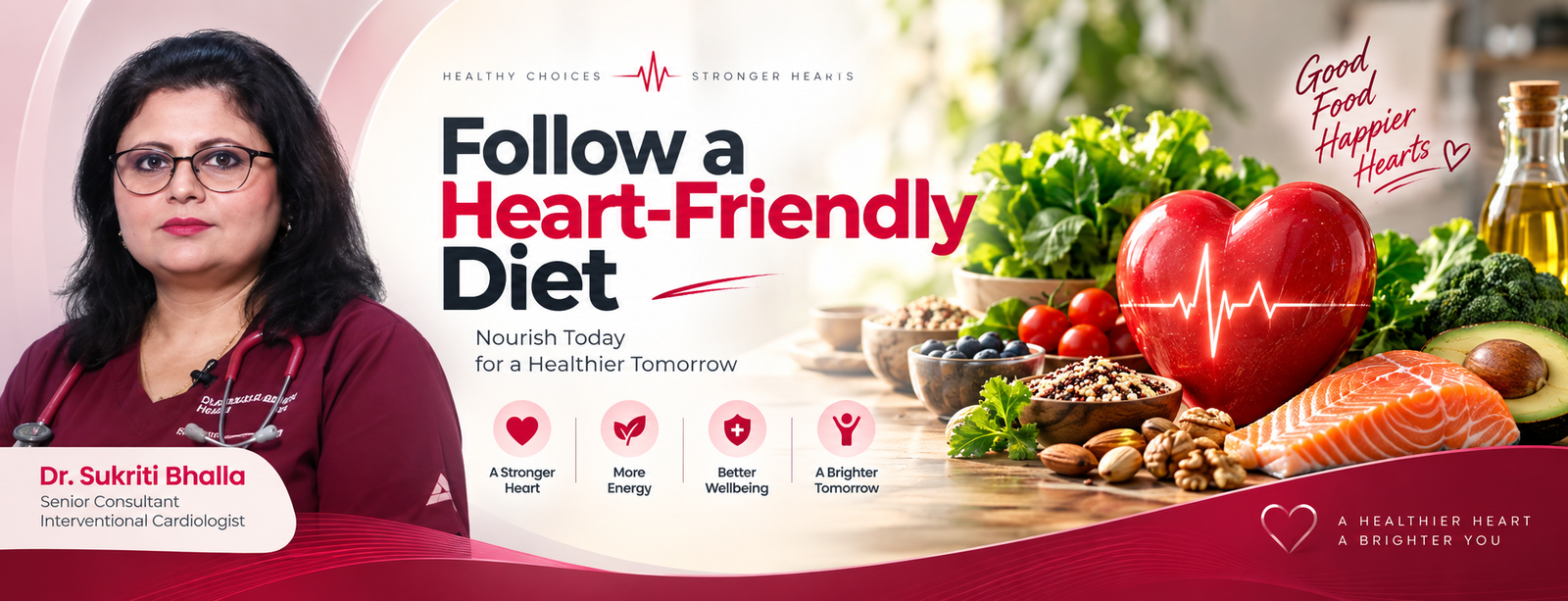
Focus on a varied diet containing plenty of vegetables, fruits, whole grains and pulses. Choose healthier sources of fat, such as nuts, seeds, olive oil and oily fish. Limit excessive saturated fats and highly processed foods.
Increasing dietary fibre can also be helpful. Foods such as oats, beans, lentils, vegetables and whole grains can contribute to a balanced diet.
Stay Physically Active
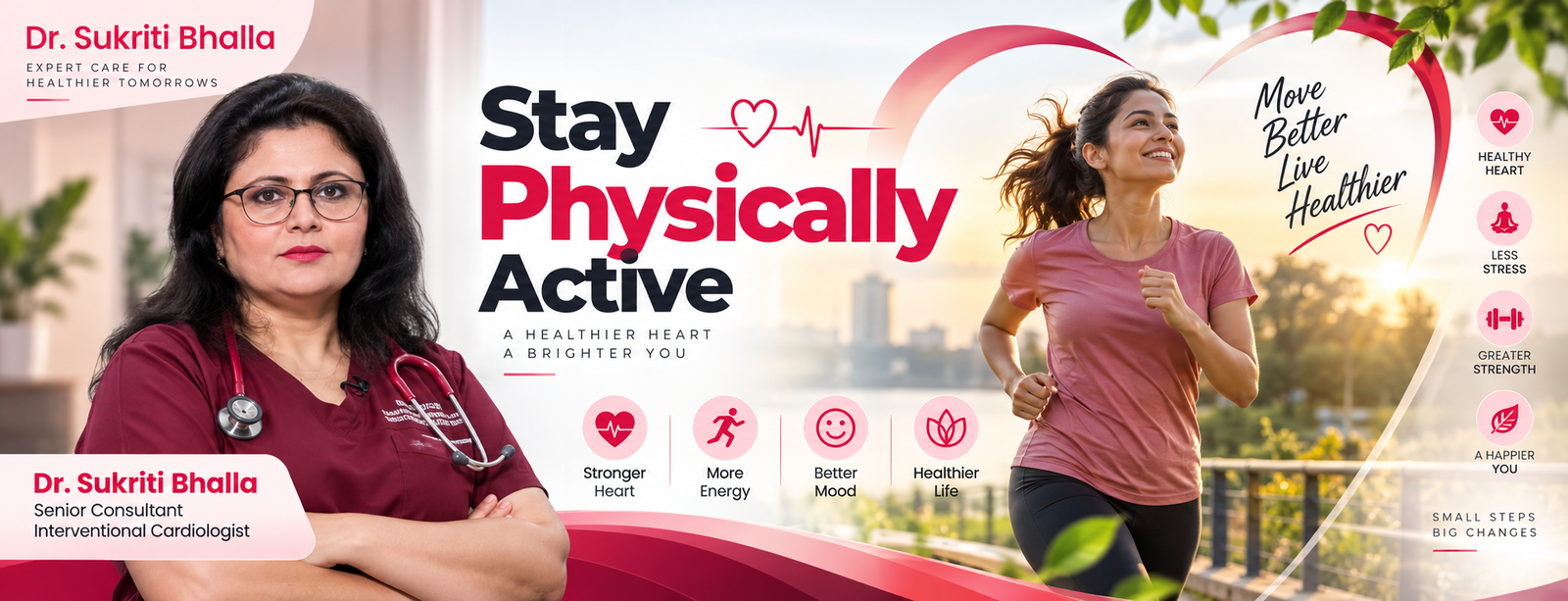
Regular physical activity can support heart health, circulation and healthy body weight.
Activities such as brisk walking, cycling, swimming, or other suitable forms of exercise can be incorporated into your routine. Consistency matters more than exercising intensely for a short period.
Stop Smoking
Smoking damages blood vessels and significantly increases cardiovascular risk. If you smoke, stopping can provide substantial benefits for your heart and overall health.
Manage Blood Pressure and Blood Sugar
High blood pressure and diabetes can increase cardiovascular risk. When these conditions occur alongside high cholesterol, the combined risk may be greater. Regular monitoring can help identify changes early.
Maintain a Healthy Weight
If you are overweight, gradual and sustainable weight management with the help of the best thyroid doctor in Delhi can support improvements in several cardiovascular risk factors.
Avoid extreme diets or rapid weight-loss approaches. Sustainable lifestyle changes are generally easier to maintain over the long term.
Take Prescribed Medicines Correctly
Lifestyle changes are important, but they may not always be enough. The best cardiologist in South Delhi may recommend cholesterol-lowering medicines when cardiovascular risk is sufficiently high or when lifestyle measures alone do not achieve the desired reduction.
Statins are commonly used to reduce LDL cholesterol. Other medicines may be considered depending on individual circumstances. Never stop or change prescribed cholesterol medication without speaking with your doctor first.
When Should You Seek Advice from the Best Cardiologist in South Delhi
High cholesterol deserves attention because it can remain silent for years. You may need to speak with a cardiologist if you have consistently high cholesterol, a strong family history of heart disease, or several cardiovascular risk factors.
Medical advice from the best cardiologist in South Delhi can also be particularly important if you have symptoms that could indicate a heart problem.
These symptoms can include chest pain or pressure, unexplained breathlessness, unusual fatigue, dizziness or palpitations. Some symptoms can have causes unrelated to the heart, but they should not be ignored.
People who have previously experienced a heart attack, stroke, coronary artery disease or other cardiovascular conditions may also require ongoing cardiac care.
What Happens During a Cardiology Assessment
A cardiology consultation usually begins with a discussion about your symptoms, medical history and cardiovascular risk factors. Your doctor may review previous blood tests and medications. Blood pressure, weight and other relevant measurements may also be assessed.
Depending on your situation, further tests may be recommended. These can include an ECG, echocardiogram, exercise testing or other investigations.
A lipid profile may also be reviewed to understand your cholesterol levels. The purpose of these assessments is to create a clearer picture of your cardiovascular health.
Why Regular Monitoring Matters
Cholesterol levels can change over time. Lifestyle, age, medicines, weight, and medical conditions can all influence your results. Regular monitoring can show whether your treatment and lifestyle changes are working.
It can also help your doctor decide whether your management plan needs adjustment. The frequency of testing depends on your individual circumstances. Your healthcare professional can advise you on an appropriate schedule.
End Thoughts
High cholesterol may not cause obvious symptoms, but its long-term effects can significantly influence cardiovascular health. Excess LDL cholesterol can contribute to plaque formation, narrowing of the arteries, and an increased risk of coronary artery disease and heart attack.
If you are looking for expert guidance on cholesterol management, prevention, or cardiovascular treatment by the best cardiologist in South Delhi, then you can rely on us at Dr. Sukriti Bhalla. We can help you understand your heart health and explore appropriate care options. Visit our website now to learn more and take a proactive approach to your cardiovascular wellbeing.
FAQs
1. Can high cholesterol cause heart disease?
High cholesterol, particularly elevated LDL, can contribute to plaque formation inside arteries. Over time, this may restrict blood flow and increase the risk of coronary artery disease.
2. How often should cholesterol levels be checked?
Testing frequency depends on your age, health history, cardiovascular risk, and previous results. Your doctor can recommend an appropriate schedule based on your individual circumstances.
3. Can lifestyle changes lower high cholesterol?
Yes. A balanced diet, regular exercise, weight management and stopping smoking can improve cholesterol levels and reduce overall cardiovascular risk in many people.
4. Does high cholesterol always require medication?
Not always. Treatment depends on your cholesterol levels and overall cardiovascular risk. Some people need lifestyle changes, while others may require prescribed cholesterol-lowering medication.
5. Can high cholesterol cause symptoms?
High cholesterol usually does not cause noticeable symptoms. A blood test is generally needed to identify abnormal cholesterol levels before complications develop.