
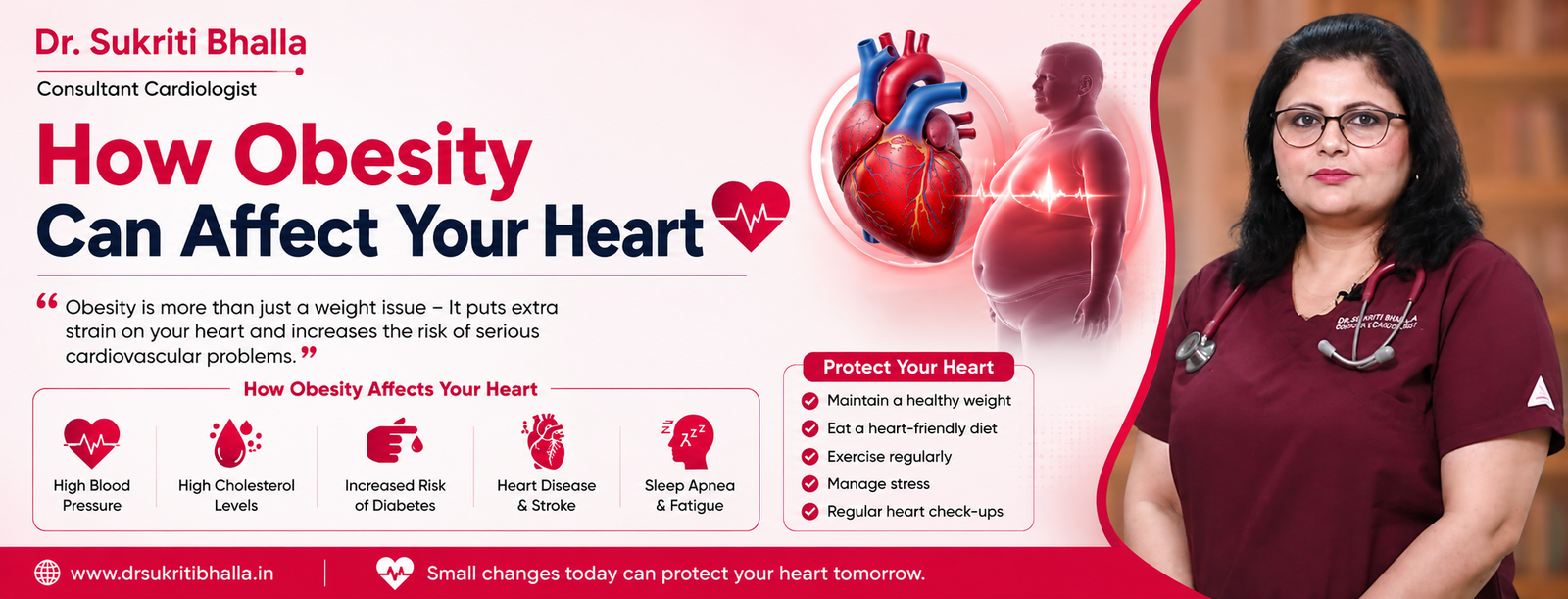
Obesity can affect much more than body weight. It can place additional pressure on the heart and blood vessels, increasing the risk of several cardiovascular problems. Speaking with the best cardiologist in Dwarka can help people understand their individual heart risks and take suitable preventive steps.
Excess body fat can influence blood pressure, cholesterol, blood sugar, inflammation, and the way the heart works. These changes may develop gradually, so people may not notice a problem until complications appear. However, understanding the connection between obesity and heart health can encourage earlier action.
The good news is that even modest lifestyle improvements can support better cardiovascular health. A balanced diet, regular physical activity, sufficient sleep, stress management, and appropriate medical monitoring can all make a difference.
This article explains how obesity affects the heart, which conditions may be linked to excess weight, the warning signs worth noticing, and practical ways to support cardiovascular health.
The Link Between Obesity and Heart Health
Obesity can affect the cardiovascular system in several interconnected ways. Carrying excess body fat may increase the amount of work required from the heart. Over time, this additional workload can contribute to changes in heart function.
One important concern is high blood pressure. When blood pressure remains elevated, the heart must pump harder to move blood through the arteries. Long-term strain may contribute to thickening of the heart muscle and increase the risk of cardiovascular complications.
Obesity can also affect cholesterol levels. Some people with excess weight may have higher levels of LDL cholesterol and triglycerides, alongside lower HDL cholesterol. These changes can contribute to the build-up of fatty deposits inside arteries.
Another factor is inflammation. Excess body fat, particularly around the abdomen, can contribute to chronic low-grade inflammation. Persistent inflammation may affect blood vessels and contribute to cardiovascular risk.
Obesity is also closely associated with insulin resistance and type 2 diabetes. Elevated blood glucose can damage blood vessels over time, making diabetes an important cardiovascular risk factor.
For these reasons, maintaining a healthy weight by seeking support from the best cardiologist near Dwarka is not simply about appearance. It is an important part of protecting the heart and reducing preventable cardiovascular risks.
How Obesity Can Affect the Heart: Risks Explained by the Best Cardiologist in Dwarka
Understanding the potential risks can make it easier to recognise why weight management matters for cardiovascular health.
High Blood Pressure
Excess weight can increase the likelihood of developing hypertension. The heart may need to work harder to circulate blood through the body, while changes in blood vessels can also contribute to higher pressure.
High blood pressure often causes no obvious symptoms. This is why regular monitoring from the best cardiologist in Dwarka is important, particularly for people who have obesity or other cardiovascular risk factors.
Coronary Artery Disease
Obesity may contribute to several factors associated with coronary artery disease. Changes in cholesterol, blood pressure, blood sugar, and inflammation can encourage plaque formation within the arteries.
Over time, narrowed arteries may reduce blood flow to the heart. In some cases, a complete blockage can result in a heart attack.
Heart Failure
Excess weight can increase the workload placed on the heart. Persistent strain may eventually affect how effectively the heart fills or pumps blood.
Obesity may also coexist with conditions such as hypertension, diabetes, and sleep apnoea, which can further increase the burden on the cardiovascular system.
Abnormal Heart Rhythms
Obesity has also been associated with a greater likelihood of developing certain heart rhythm problems. Atrial fibrillation is one example.
Changes in the structure of the heart, blood pressure, inflammation, and other obesity-related factors may contribute to rhythm disturbances.
Stroke Risk
Obesity can indirectly increase stroke risk by contributing to hypertension, diabetes, abnormal cholesterol levels, and atrial fibrillation.
Reducing these underlying risk factors can therefore play an important role in supporting long-term cardiovascular health.
Why Abdominal Fat Can Be Particularly Concerning
Not all body fat has the same relationship with cardiovascular risk. Fat stored around the abdomen, often called visceral fat, can be particularly important.
Visceral fat accumulates around internal organs and actively influences metabolic processes. It can release substances that influence inflammation, insulin sensitivity, and lipid metabolism.
A person may therefore benefit from looking beyond body weight alone. Waist circumference, blood pressure, cholesterol, blood glucose, lifestyle habits, and family history can all help provide a broader picture of cardiovascular risk.
This is one reason personalised assessment by the best cardiologist in Dwarka can be useful. Two people with a similar body weight may have very different health profiles and cardiovascular risks.
People concerned about abdominal obesity should consider discussing their overall risk profile with a qualified healthcare professional rather than relying solely on weight or appearance.
Warning Signs That Should Not Be Ignored
Obesity itself does not necessarily cause noticeable heart symptoms. However, certain symptoms can indicate an underlying cardiovascular problem and should receive appropriate attention.
Chest Discomfort
Pressure, tightness, heaviness, or discomfort in the chest can sometimes indicate reduced blood flow to the heart. It should not automatically be attributed to weight, indigestion, or tiredness.
Breathlessness
Shortness of breath during ordinary activities, particularly if it is new or worsening, may require assessment. Breathlessness can have several causes, including cardiovascular and respiratory conditions.
Unusual Fatigue
Persistent or unexplained tiredness may sometimes accompany cardiovascular problems. If fatigue is new, severe, or associated with other symptoms, medical advice is appropriate.
Swelling
Swelling around the ankles, feet, or lower legs can sometimes occur when the body retains fluid. Several conditions can cause swelling, so professional evaluation is important.
Palpitations
A sensation of a racing, pounding, fluttering, or irregular heartbeat may be linked to an abnormal rhythm. Frequent episodes should be evaluated by a healthcare professional.
Severe chest pain, significant difficulty breathing, fainting, or other sudden serious symptoms require urgent medical attention.
Obesity, Sleep Apnoea and Cardiovascular Health
Sleep is another important part of the relationship between obesity and heart health. Obesity can increase the likelihood of obstructive sleep apnoea, a condition in which breathing repeatedly stops and starts during sleep.
Sleep apnoea can cause repeated drops in oxygen levels and disrupt normal sleep. It may also contribute to increased blood pressure and place additional stress on the cardiovascular system.
Common symptoms include loud snoring, witnessed pauses in breathing, morning headaches, poor concentration, and excessive daytime sleepiness.
People with obesity who experience these symptoms should consider discussing them with a healthcare professional. Identifying and managing sleep-related breathing problems can form an important part of broader cardiovascular risk management.
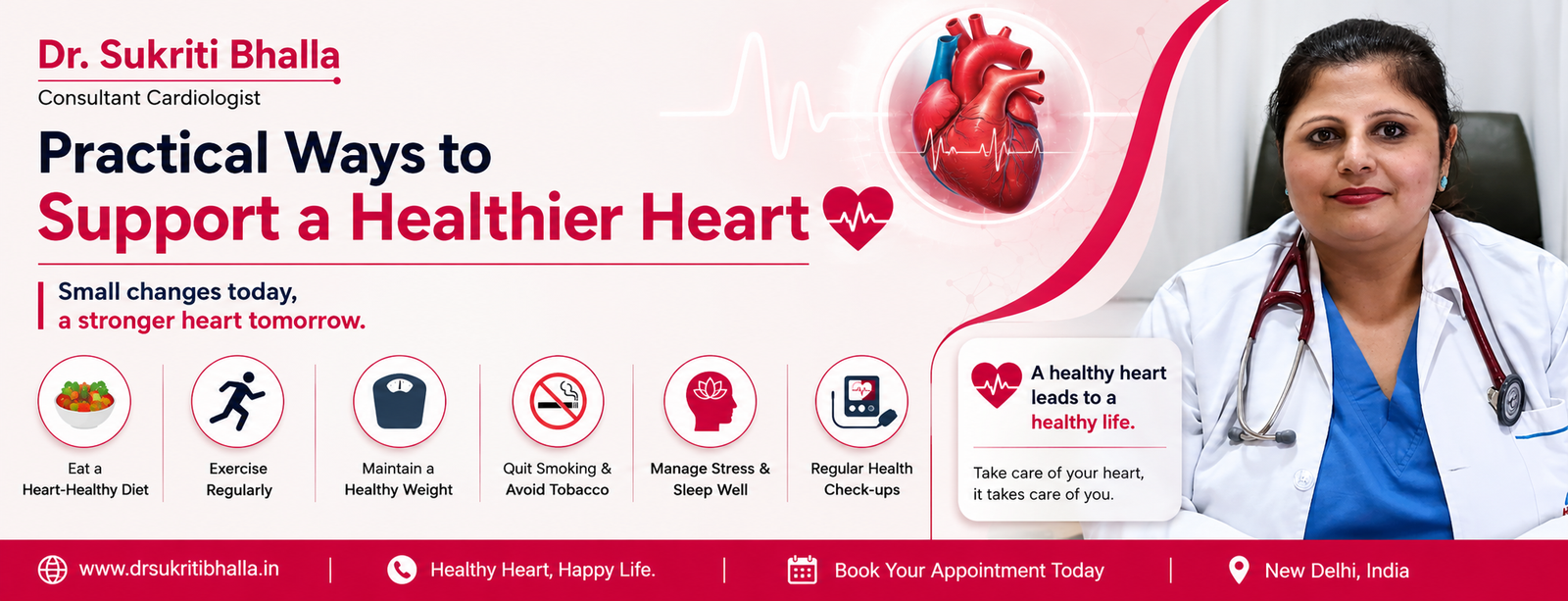
Practical Ways to Support a Healthier Heart: Insights From the Best Cardiologist in Dwarka
Weight management does not need to involve extreme diets or unrealistic fitness routines. Sustainable changes suggested by the best cardiologist in Dwarka are generally easier to maintain over time.
Choose a Balanced Diet
A heart-conscious eating pattern can include vegetables, fruits, whole grains, pulses, lean protein sources, and healthier fats.
Reducing highly processed foods, excessive salt, added sugars, and foods high in saturated fat can also support better cardiovascular health.
Portion sizes matter as well. Eating mindfully can help people recognise hunger and fullness signals while avoiding unnecessary calorie intake.
Stay Physically Active
Regular movement can benefit blood pressure, cholesterol, blood sugar, fitness, and weight management.
Walking is a practical starting point for many people. Others may prefer cycling, swimming, strength training, or another activity they enjoy.
People with existing health conditions or significant obesity may benefit from discussing an appropriate exercise plan with a healthcare professional before beginning vigorous activity.
Improve Sleep
Adults generally benefit from consistent, sufficient sleep. Maintaining regular sleeping and waking times can support healthy routines.
Good sleep habits may include limiting excessive screen use before bed, keeping the bedroom comfortable, and avoiding large meals close to bedtime.
Manage Stress
Long-term stress can make healthy habits more difficult to maintain. It may also affect sleep, eating patterns, and physical activity.
Simple approaches such as walking, breathing exercises, hobbies, social interaction, and relaxation techniques may help people manage everyday stress.
Avoid Smoking
Smoking damages blood vessels and significantly increases cardiovascular risk. People who smoke can benefit from seeking professional support to quit.
Reducing exposure to tobacco smoke is an important step towards protecting cardiovascular health.
Best Cardiologist in Dwarka: When Should You Consider a Heart Check

People with obesity do not necessarily need the same tests or frequency of assessment. The best cardiologist in Dwarka can consider individual factors before recommending appropriate screening.
Depending on the person’s circumstances, an assessment may include blood pressure measurement, weight and waist measurements, cholesterol testing, blood glucose testing, and other investigations when clinically appropriate.
An ECG may be recommended when symptoms or other factors suggest that an assessment of heart rhythm or electrical activity would be useful. Further tests may also be considered when there is a specific clinical reason.
Regular assessment becomes particularly important when obesity occurs alongside hypertension, diabetes, high cholesterol, a strong family history of cardiovascular disease, smoking, reduced physical activity, or concerning symptoms.
The purpose of a heart check is not simply to identify disease. It can also help people understand their risk and make informed lifestyle decisions.
Long-Term Heart Health Starts With Small Changes
Weight management can feel overwhelming when approached as a single large goal. Breaking it into smaller, realistic steps can make the process more manageable.
For example, someone might begin by adding a short daily walk, replacing sugary drinks with water, increasing vegetable intake, or establishing a consistent bedtime.
Over time, these choices can become routine. Even when weight loss is gradual, improvements in physical activity, blood pressure, blood sugar, and eating habits can support cardiovascular health.
It is also important to avoid self-blame. Obesity can involve multiple factors, including genetics, sleep, medications, environment, eating patterns, physical activity, and underlying health conditions.
A personalised approach by the best cardiologist in Dwarka is therefore often more useful than following a generic weight-loss plan.
Conclusion
Obesity can influence the heart through several pathways, including high blood pressure, abnormal cholesterol, insulin resistance, inflammation, sleep apnoea, and increased strain on the cardiovascular system. These factors can collectively raise the risk of conditions such as coronary artery disease, heart failure, stroke, and abnormal heart rhythms.
If you are looking for personalised guidance regarding obesity and cardiovascular health from the best cardiologist in Dwarka, then you can rely on us at Dr. Sukriti Bhalla. Our approach can help patients better understand their cardiovascular health and take informed steps towards long-term heart wellness. Visit us now to explore more about our services.
FAQs
1. Can obesity directly cause heart disease?
Obesity can increase heart disease risk by contributing to high blood pressure, abnormal cholesterol, diabetes, inflammation, and increased workload on the heart.
2. Does losing weight improve heart health?
Yes, gradual weight loss can support healthier blood pressure, cholesterol, blood sugar, and heart function, particularly when combined with regular physical activity and balanced nutrition.
3. Can obesity cause high blood pressure?
Yes, obesity can increase the likelihood of hypertension by placing greater demands on the cardiovascular system and contributing to changes in blood vessel function.
4. Is abdominal fat more harmful to heart health?
Abdominal or visceral fat is metabolically active and can contribute to inflammation, insulin resistance, abnormal cholesterol, and other factors associated with cardiovascular disease.
5. When should someone with obesity have a heart checkup?
People with obesity should discuss cardiovascular screening with a healthcare professional, especially when they have symptoms or additional risk factors such as diabetes or hypertension.