Your heart works every second to keep your body alive. Yet, many people only think about heart health when they notice chest pain or another warning sign. This approach can be risky. Several heart conditions may develop quietly without causing clear symptoms in their early stages. Regular checkups can help identify these concerns before they become serious.
A cardiologist in Paschim Vihar can assess your heart health and identify factors that may increase your risk of cardiovascular disease. Routine cardiac visits are not only useful for people with an existing heart condition. They can also benefit healthy adults who want to protect their heart for the future. A professional assessment can provide useful information about your current cardiovascular health. Furthermore, regular monitoring allows changes to be noticed early.
In this blog, we will cover the importance of regular cardiac checkups, early detection of heart problems, common risk factors, diagnostic tests, preventive care, and lifestyle changes that support a healthier heart.
Why Are Regular Cardiac Checkups Important
Heart disease can develop gradually. Some risk factors may remain unnoticed because they do not always cause obvious symptoms. High blood pressure and high cholesterol, for example, can exist for years without making you feel unwell.
Regular cardiac checkups provide an opportunity to identify these risks. Your doctor can review your medical history, lifestyle, symptoms, and family history. They may also check your blood pressure, heart rate, and other important indicators.
A checkup can also help you understand your personal risk level. This is particularly useful if you have several risk factors. People with diabetes, high cholesterol, or high blood pressure may require more regular monitoring. The same may apply to people with a strong family history of heart disease. In addition, routine appointments can help track changes over time. A single checkup provides useful information, but repeated assessments can reveal patterns.
Early Detection Can Make a Difference
One major advantage of regular monitoring is early detection. Heart problems may become more difficult to manage when they are identified late. A doctor can investigate unusual symptoms and decide whether further tests are necessary. These may include an electrocardiogram (ECG), echocardiogram, stress testing, or blood tests, depending on your circumstances.
Early assessment does not mean that every unusual result indicates a serious disease. Instead, it allows you and your doctor to understand what is happening. This can make prevention and treatment more effective.
How a Cardiologist in Paschim Vihar Can Assess Your Heart Health
A cardiac consultation usually begins with a detailed discussion. Your cardiologist in Paschim Vihar may ask about symptoms, previous illnesses, medicines, lifestyle habits, and family history. You may also be asked about symptoms such as chest discomfort, breathlessness, dizziness, unusual tiredness, or a racing heartbeat. Based on this information, your cardiologist can decide whether further evaluation is needed.
Understanding Your Risk Factors
Several factors can influence heart health. Some cannot be changed, while others can often be managed. Age and family history are examples of factors that cannot be controlled. However, blood pressure, cholesterol, weight, physical activity, diet, and smoking habits can often be addressed.
Regular cardiac checkups for heart disease prevention can help you monitor these factors and take action when necessary. Your doctor may also consider your stress levels and sleep habits. Long-term stress and poor sleep can affect overall wellbeing and may contribute to unhealthy lifestyle patterns.
Choosing Appropriate Cardiac Tests
Not everyone requires the same tests. A cardiologist considers your symptoms, age, medical history, and risk factors before recommending investigations. An ECG can provide information about the electrical activity of your heart. An echocardiogram can help assess heart structure and function.
Other tests may be recommended when clinically appropriate. This personalised approach helps avoid unnecessary testing while ensuring that important concerns are investigated.
What Heart Problems Can Routine Checkups Help Identify
Regular cardiac assessments can help detect several cardiovascular concerns. The exact conditions considered will depend on your individual symptoms and risk factors.
High Blood Pressure
High blood pressure is one of the major cardiovascular risk factors. It can place additional strain on the heart and blood vessels over time. As high blood pressure may not always cause noticeable symptoms, regular blood pressure checks are essential for maintaining good heart health. If your readings remain high, your doctor can discuss lifestyle changes and treatment options.
High Cholesterol
Cholesterol plays an important role in the body. However, unhealthy cholesterol levels can contribute to the build-up of fatty deposits in arteries. A simple blood test can help detect unhealthy cholesterol levels and assess your risk of heart disease. Your doctor can then assess your overall cardiovascular risk and suggest appropriate measures.
Irregular Heart Rhythms
Some people experience an irregular heartbeat, also known as an arrhythmia. Symptoms can include palpitations, dizziness, weakness, or breathlessness. However, some rhythm problems may not produce obvious symptoms. An ECG and other assessments can help your doctor understand your heart rhythm and determine whether additional monitoring is needed.
Coronary Artery Disease
Coronary artery disease develops when the arteries supplying blood to the heart become narrowed or blocked. Common risk factors include smoking, high blood pressure, high cholesterol, diabetes, obesity, and a family history of heart disease. Regular assessments can help identify risk factors and encourage preventive action.
When Should You Consider Seeing a Cardiologist in Paschim Vihar
You do not always need to wait for severe symptoms before discussing your heart health with a cardiologist in Paschim Vihar. If you experience recurring chest discomfort, unexplained breathlessness, frequent palpitations, dizziness, or fainting, you should seek medical advice. People with known risk factors may also benefit from a cardiovascular assessment.
For example, you may consider speaking with a doctor if you have:
- High blood pressure
- High cholesterol
- Diabetes
- A strong family history of heart disease
- A history of smoking
- Obesity or excess weight
- Low physical activity
- Persistent stress
- Previous heart-related concerns
When to see a cardiologist for heart health screening depends on your individual circumstances. Your GP or healthcare professional can help determine whether specialist assessment is appropriate.
It is also important to remember that sudden or severe chest pain, severe breathing difficulty, fainting, or other signs of an acute medical emergency require urgent medical attention.
How Regular Cardiac Checkups from a Cardiologist in Paschim Vihar Support Preventive Heart Care
Prevention is one of the strongest reasons to take cardiac checkups seriously. Instead of waiting for a problem to appear, preventive care focuses on reducing risks before they become major concerns.
Monitoring Blood Pressure and Cholesterol
Your blood pressure and cholesterol levels can change over time. Regular monitoring helps identify these changes. If levels become unhealthy, your doctor can discuss practical ways to improve them. Depending on your situation, this could involve dietary changes, exercise, weight management, or medicines.
Supporting a Healthier Lifestyle
A consultation about cardiac care in Paschim Vihar can also provide an opportunity to review daily habits. Your doctor may discuss physical activity, nutrition, smoking, alcohol consumption, sleep, and stress management. Small changes can become meaningful when maintained consistently. For example, increasing daily movement, eating more balanced meals, and reducing tobacco exposure can support cardiovascular health.
Managing Existing Health Conditions
Conditions such as diabetes and high blood pressure can affect cardiovascular health. Keeping them under control is therefore important. Regular medical monitoring can help ensure that your treatment remains suitable. It also allows you to discuss new symptoms or concerns. Cardiologist consultation for heart disease risk assessment can be particularly useful when several risk factors occur together.
What Can You Expect During a Cardiac Checkup
Knowing what happens during an appointment can make the process feel easier. Your consultation may begin with questions about your symptoms and health history. Your doctor may then perform a physical examination and check vital signs. Depending on your situation, further investigations may be recommended.
Medical History and Symptom Review
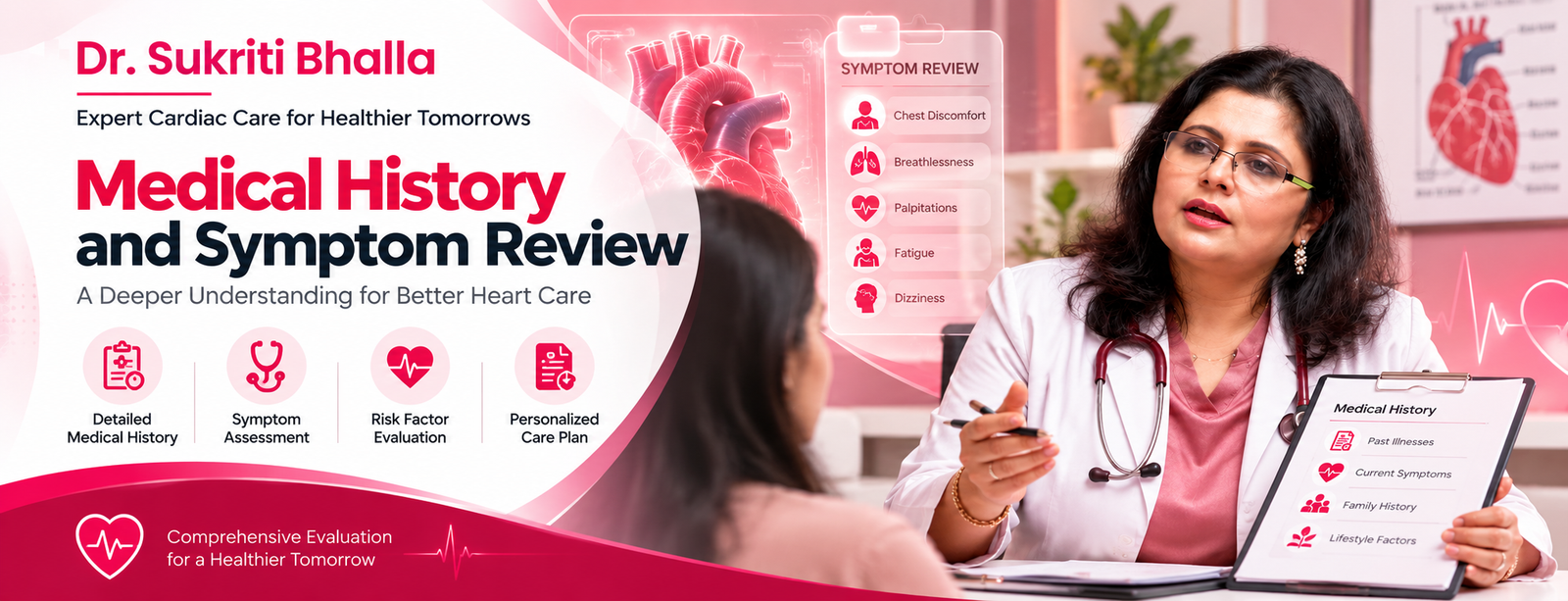
Your doctor may ask when your symptoms started, how often they occur, and whether anything makes them better or worse. You should provide accurate information about medicines, previous conditions, and relevant family history. Even symptoms that seem minor can be useful when assessing your cardiovascular health.
Diagnostic Testing
Your cardiologist in Paschim Vihar may recommend tests based on your individual needs. An ECG is commonly used to assess heart rhythm. Other investigations can provide information about heart structure, blood flow, or exercise response. You should not assume that every patient requires the same tests. Appropriate testing depends on clinical assessment.
Personalised Advice
After reviewing the available information, your doctor can explain the findings and discuss the next steps. This may include lifestyle advice, further testing, monitoring, or treatment. A clear discussion can help you understand your heart health and make informed decisions.
How Lifestyle Changes Can Complement Cardiac Checkups
Medical checkups are important, but everyday habits also play a major role in maintaining cardiovascular health. Regular physical activity can support heart and overall fitness. Adults should aim to remain active according to their health status and medical advice.
A balanced diet is equally important. Include a variety of vegetables, fruits, whole grains, and other nutritious foods. Limiting excessive salt, saturated fats, and highly processed foods can also support healthier choices.
Smoking is another major risk factor. If you smoke, seeking support to stop can provide significant health benefits. Sleep and stress management should not be ignored either. Poor sleep and ongoing stress can make healthy routines more difficult to maintain.
Furthermore, maintaining a healthy weight can reduce pressure on the cardiovascular system and improve several risk factors. The goal is not to make every change overnight. Sustainable improvements are often easier to maintain when introduced gradually.
Why Consistent Monitoring Is Better Than Occasional Checks: Insights from a Cardiologist in Paschim Vihar
One checkup can provide a useful snapshot of your health. Regular monitoring provides a broader picture. For example, your blood pressure may be normal during one appointment and higher during another period. Tracking changes can help your doctor identify whether further assessment is necessary.
The same principle applies to cholesterol, symptoms, and other health indicators. Regular visits can also help you stay accountable. You have an opportunity to discuss progress, challenges, and new concerns with your healthcare professional. This ongoing approach can make preventive care a regular part of your health routine rather than something you consider only after experiencing symptoms.
Final Note
Your heart deserves attention long before a serious problem develops. Regular cardiac checkups can help identify important risk factors, monitor existing conditions, and support healthier lifestyle choices. A proactive approach can be especially valuable when you have high blood pressure, high cholesterol, diabetes, excess weight, or a family history of cardiovascular disease.
Choosing the right cardiologist in Paschim Vihar, like Dr. Sukriti Bhalla, can make your cardiac care journey more comfortable and informed. With the right medical guidance, regular assessments, and healthy lifestyle habits, you can take meaningful steps towards protecting your heart. We offer professional cardiology care focused on helping patients understand and manage their cardiovascular health. Visit our website now to learn more about cardiac care and take the next step towards better heart health.
FAQs
1. How often should I have a cardiac checkup?
The frequency depends on your age, medical history, symptoms, and risk factors. Your doctor can recommend a suitable schedule based on your individual cardiovascular needs.
2. Can a cardiac checkup detect heart disease early?
Yes. A cardiac assessment can identify certain risk factors and symptoms early. Your cardiologist may recommend appropriate tests when further investigation is clinically necessary.
3. Should healthy adults visit a cardiologist?
Healthy adults with significant risk factors or a strong family history may benefit from specialist advice. However, the need for cardiology assessment varies between individuals.
4. What tests may be included during a cardiac checkup?
Tests depend on your symptoms and risk profile. They may include blood pressure measurement, ECG, blood tests, echocardiography, or other investigations when clinically appropriate.
5. Can lifestyle changes reduce heart disease risk?
Yes. Regular activity, a balanced diet, avoiding tobacco, managing weight, controlling blood pressure, and maintaining healthy cholesterol levels can support better cardiovascular health.