Heart health affects every part of daily life. The heart circulates blood and oxygen throughout the body, helping every organ and tissue receive the nutrients and oxygen it needs. When it becomes affected by disease, many vital functions can suffer. This is why early care and regular monitoring matter. A cardiologist specialist doctor can help identify possible heart risks before they become serious complications. Many heart conditions develop gradually. High blood pressure, high cholesterol, diabetes, smoking, obesity, and inactivity can increase cardiovascular risks.
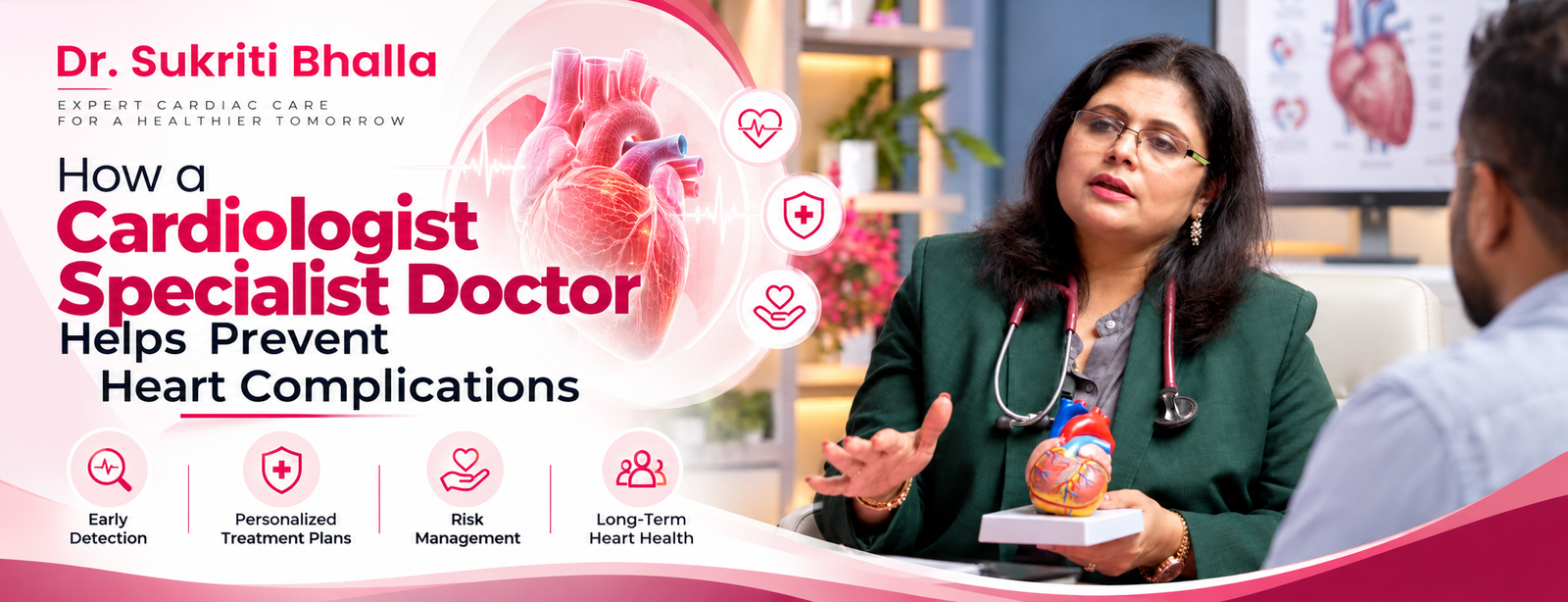
Some people may also have a family history of heart disease. Regular medical assessments can help identify these risks and support timely action. Heart care not only revolves around treating an existing condition. It also involves prevention, monitoring, and healthy lifestyle choices. A cardiologist can assess individual risk factors and recommend suitable tests or treatments when needed.
This blog explains how a cardiologist supports preventive heart care. It also explores common risk factors, diagnostic tests, lifestyle measures, and situations where professional assessment may be important.
What Does a Cardiologist Specialist Doctor Do
A cardiologist specialist doctor specialises in diagnosing, treating, and managing conditions that affect the heart and blood vessels. Their role can extend from early risk assessment to long-term management of diagnosed cardiovascular conditions. During an appointment, the doctor may ask about your symptoms, lifestyle, family history, medicines, and previous medical conditions. They may also check your blood pressure, pulse, weight, and other relevant measurements.
Depending on your situation, further investigations may be recommended. These can include an electrocardiogram (ECG), echocardiogram, exercise testing, blood tests, or other cardiac investigations. The aim is to select tests that match your symptoms and risk factors. For people with risk factors but no symptoms, medical advice can help identify areas that need attention. For those with existing heart conditions, regular follow-up can help monitor changes and adjust treatment when necessary.
Early Risk Assessment Can Help Prevent Heart Complications
Prevention often starts with understanding your individual risk. A cardiologist specialist doctor can review several factors that may increase the likelihood of cardiovascular disease.
These factors may include:
- High blood pressure
- High cholesterol
- Diabetes
- Smoking or tobacco use
- Excess weight
- Physical inactivity
- Family history of heart disease
- Increasing age
- High levels of ongoing stress
- Previous cardiovascular problems
One person may have several risk factors, while another may have only one. The level of concern can therefore vary between individuals. A specialist can explain which factors are modifiable and which cannot be changed.
You cannot change your age or family history. However, you may be able to improve blood pressure, cholesterol, physical activity, diet, and smoking habits. This approach can support early heart disease risk assessment for adults and encourage appropriate follow-up. It can also help people understand why routine health checks matter even when they feel well.
Managing Blood Pressure and Cholesterol
Blood pressure and cholesterol are two important areas of cardiovascular prevention. If either remains poorly controlled, it can contribute to long-term damage affecting the heart and blood vessels. A cardiologist specialist doctor can help assess whether readings require closer monitoring or further management. They may review existing medicines, discuss lifestyle factors, and recommend follow-up measurements.
High blood pressure can put additional stress on the heart, making it work harder to circulate blood throughout the body. Over time, uncontrolled hypertension can contribute to serious cardiovascular concerns. Regular monitoring can provide useful information about whether management strategies are working. Cholesterol is also important because certain cholesterol patterns can contribute to plaque build-up inside arteries. A doctor may consider your overall risk when discussing cholesterol levels and possible treatment.
People should avoid changing prescribed medicines without medical advice. If you experience side effects or have concerns about treatment, discuss them with your doctor. A personalised approach is useful because treatment goals can differ according to age, existing conditions, previous cardiovascular events, and other health factors.
How a Cardiologist Specialist Doctor Supports Heart Health
A cardiologist specialist doctor can support prevention by helping patients understand symptoms and respond to them appropriately. Chest discomfort, unusual breathlessness, unexplained tiredness, dizziness, fainting, or a racing or irregular heartbeat can have different causes. Some symptoms may be linked to the heart, while others may have a different explanation.
Persistent or concerning symptoms should not be ignored. Medical assessment can help determine whether further cardiac evaluation is needed. A specialist may also monitor people who have already experienced a cardiovascular event or have a diagnosed heart condition. Follow-up appointments can help review symptoms, test results, medicines, and lifestyle changes.
For recurring symptoms, keeping a simple record can be helpful. Note when the symptom occurs, how long it lasts, what you were doing, and whether anything makes it better or worse. This information can help the doctor understand the pattern and decide whether additional assessment is appropriate.
Recognising Symptoms That Need Prompt Attention
Some symptoms require urgent medical attention, especially when they are sudden, severe, or associated with other warning signs. Possible warning signs of a serious cardiac problem include chest pressure or pain, severe breathlessness, fainting, sudden weakness, or symptoms that spread towards the arm, shoulder, back, neck, or jaw. Do not rely on online information to decide whether a potentially serious symptom is harmless. If symptoms appear suddenly or become severe, seek urgent medical attention without delay.
Preventive Heart Care Through Lifestyle Changes
Medical care is only one part of protecting cardiovascular health. Daily habits can also influence several heart disease risk factors. Regular physical activity can support cardiovascular fitness, blood pressure management, weight control, and overall wellbeing. Your suitable level of activity may depend on your age, fitness, symptoms, and existing health conditions.

Food choices also matter. A balanced eating pattern can include vegetables, fruits, whole grains, pulses, nuts, and other nutrient-rich foods. Limiting excessive salt, added sugars, and foods high in saturated fat may support heart health. Smoking is another important risk factor. Stopping tobacco use can reduce cardiovascular risk and provide broader health benefits.
Sleep and stress management should not be overlooked. Poor sleep and ongoing stress can affect daily habits and may influence factors such as blood pressure and weight. A doctor can help you set realistic goals rather than recommending sudden changes that are difficult to maintain.
Small, consistent improvements can be easier to continue over time. For people seeking lifestyle changes to prevent heart disease, professional guidance can make health goals more practical and personalised.
Building a Long-Term Heart Prevention Plan
Preventing heart complications is usually an ongoing process rather than a one-time task. A cardiologist specialist doctor can help patients understand their risks and review progress over time. A useful prevention plan may include regular blood pressure checks, appropriate cholesterol monitoring, healthy eating, physical activity, smoking cessation, suitable sleep habits, and adherence to prescribed treatment.
Medication can be an important part of prevention for some people. If a doctor prescribes medicines for blood pressure, cholesterol, rhythm problems, or another cardiovascular condition, taking them as directed is important. Appointments also provide an opportunity to discuss changes in symptoms or lifestyle. Your plan may need adjustment when your health, medicines, activity levels, or other circumstances change.
It is also useful to understand your family history. If close relatives have experienced cardiovascular disease at a younger age, tell your doctor. This information may influence the type of risk assessment or monitoring considered. Furthermore, prevention works best when patients understand why each recommendation has been made. Ask questions if you are unsure about a medicine, test, symptom, or lifestyle goal.
In addition, avoid relying only on symptoms to judge your heart health. Some risk factors may produce no obvious warning signs. Routine checks can therefore be valuable even when you feel healthy.
Who Should Consider Seeing a Cardiologist Specialist Doctor
Not everyone needs regular cardiology appointments. However, certain symptoms, conditions, or risk factors may make specialist assessment appropriate.
You may be advised to see a cardiologist specialist doctor if you have:
- Persistent or unexplained chest discomfort
- Recurrent palpitations
- Unexplained fainting or dizziness
- Breathlessness during routine activities
- Known heart disease
- Abnormal ECG findings
- Difficult-to-control blood pressure
- High cardiovascular risk
- A strong family history of certain heart conditions
- Previous heart or vascular complications
Your primary care doctor may also refer you when symptoms or test results need specialist evaluation. People with diabetes, kidney disease, high cholesterol, or multiple cardiovascular risk factors may benefit from discussing their heart health with a medical professional.
The need for specialist care depends on individual circumstances. An appointment does not automatically mean that a serious heart condition is present. It can provide a clearer understanding of your cardiovascular health. For individuals looking for when to see a cardiologist for heart symptoms, consider the type, severity, duration, and pattern of symptoms rather than waiting for them to become severe.
Tests a Cardiologist May Recommend
Cardiac tests are selected according to the patient’s symptoms, medical history, examination findings, and risk factors. There is no single test suitable for everyone. An ECG records the heart’s electrical activity and can provide information about heart rhythm and certain electrical abnormalities. An echocardiogram uses ultrasound to create images of the heart. It can help assess heart structure, pumping function, and valve function. An exercise test may be used in selected situations to observe how the heart responds to physical activity.

Blood tests can provide useful information about cholesterol, blood sugar, or other markers relevant to cardiovascular health. Some patients may require additional imaging or monitoring. Longer-term rhythm monitoring can be considered when intermittent palpitations or other rhythm-related symptoms need further evaluation. The best sugar doctor near me chooses investigations based on clinical need. This helps avoid unnecessary testing while ensuring important symptoms and risks receive appropriate attention.
Conclusion
A cardiologist specialist doctor can play an important role in preventing heart complications through risk assessment, early detection, symptom evaluation, treatment management, and long-term monitoring. However, prevention also depends on everyday choices and timely medical attention. Managing blood pressure and cholesterol, staying physically active, eating a balanced diet, avoiding tobacco, maintaining healthy sleep habits, and following prescribed treatment can all support cardiovascular health.
If you have persistent symptoms, multiple risk factors, or an existing heart condition, discuss your concerns with a qualified medical professional like Dr. Sukriti Bhalla. She offers personalised care and treatment to each patient based on their needs and health status. For professional guidance on cardiovascular health and specialist care, visit our website now to learn more about our available medical services and consultation options.
FAQs
1. When should I see a cardiologist?
Consider cardiology advice for persistent chest discomfort, unexplained breathlessness, recurrent palpitations, fainting, abnormal cardiac tests, or significant cardiovascular risk factors and other concerning symptoms promptly.
2. Can a cardiologist help prevent heart disease?
Yes. A cardiologist can assess risk factors, recommend suitable tests, manage conditions, guide lifestyle changes, and monitor cardiovascular health to help reduce future complications over time.
3. What tests can a cardiologist perform?
Depending on your symptoms and risk factors, a cardiologist may recommend an ECG, echocardiogram, exercise testing, blood tests, or longer-term heart rhythm monitoring when clinically appropriate.
4. Can lifestyle changes reduce heart complications?
Healthy eating, regular physical activity, avoiding tobacco, managing weight, controlling blood pressure and cholesterol, and following medical advice can support cardiovascular health and reduce risks.
5. Are regular heart check-ups necessary without symptoms?
Routine health checks can identify silent risk factors such as high blood pressure or cholesterol. Your doctor can advise whether specialist monitoring is appropriate for you.