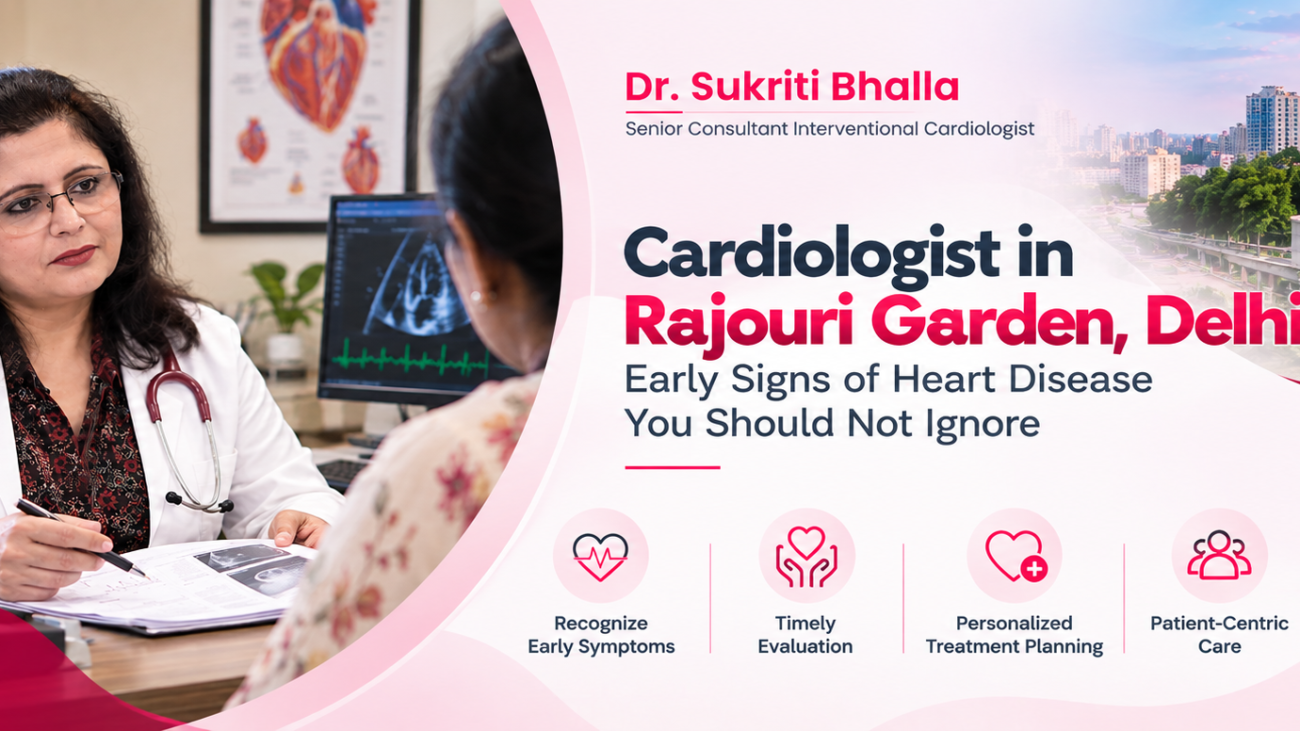
Heart disease can remain unnoticed for years, often showing clear warning signs only when the condition becomes more serious. Many people dismiss early warning signs as tiredness, stress, acidity, or normal ageing. However, recognising these changes early can help you seek appropriate medical advice before a serious problem develops. Choosing the best cardiologist in Rajouri Garden can help you understand your heart health and identify possible risks at an early stage. A cardiologist can assess your symptoms, medical history, lifestyle, and risk factors before recommending suitable tests or treatment.
Heart problems may develop without causing intense chest pain in the early stages. Breathlessness, unusual fatigue, dizziness, swelling in the legs, and irregular heartbeats may also require attention. Some people may experience mild symptoms that come and go, making them easy to ignore. Furthermore, people with diabetes, high blood pressure, high cholesterol, obesity, or a family history of heart disease may have a higher risk. Regular monitoring becomes even more important for them.
This guide explains the early signs of heart disease, common risk factors, useful diagnostic tests, and practical ways to protect your heart. Understanding these signs can help you make informed decisions about when to seek professional cardiac advice.
Early Warning Signs of Heart Disease: Insights from the Best Cardiologist in Rajouri Garden
Heart disease can affect people differently. Symptoms may also vary according to the specific condition. Some warning signs are easy to notice, while others may be mild and easy to overlook. Knowing the warning signs can help you recognise when medical evaluation may be appropriate.
Chest Pain or Discomfort
Chest discomfort is one of the symptoms people commonly associate with heart problems. It may feel like pressure, heaviness, squeezing, tightness, or burning. The sensation may occur during physical activity or emotional stress. It can sometimes improve after resting.
However, chest discomfort does not always mean heart disease. Acid reflux, muscle problems, and other conditions can cause similar symptoms. If chest discomfort is new, severe, persistent, or associated with other symptoms, seek urgent medical attention from the best cardiologist in Rajouri Garden.
Unusual Shortness of Breath
Breathlessness can occur after intense exercise. It becomes more concerning when it happens during normal activities or while resting. Some people notice breathlessness when climbing a few stairs. Others may feel unusually breathless while lying down.
Shortness of breath and heart disease symptoms can sometimes occur together. Therefore, unexplained breathing difficulties should not always be attributed to poor fitness. A proper medical assessment can help determine whether the symptom is related to the heart, lungs, anaemia, or another condition.
Persistent or Unusual Fatigue
Feeling tired after a busy day is normal. However, persistent fatigue without an obvious explanation deserves attention. Some people with heart problems experience reduced energy before developing more noticeable symptoms.
If everyday activities suddenly feel exhausting, it may be worth discussing the change with a healthcare professional. Fatigue can have many causes, so proper evaluation is important.
Dizziness or Fainting
Occasional dizziness can result from dehydration, low blood sugar, or standing up quickly. However, repeated dizziness or unexplained fainting can sometimes indicate a cardiovascular problem.
Abnormal heart rhythms may affect how effectively blood reaches the brain. Blood pressure problems can also cause dizziness. Fainting, particularly during exercise, should be taken seriously and assessed promptly.
Irregular or Rapid Heartbeat
Heart palpitations can feel like fluttering, pounding, racing, or skipped beats. They may occur after exercise, caffeine, stress, or anxiety. Occasional palpitations are not always dangerous.
However, frequent or prolonged episodes may require investigation. People experiencing palpitations alongside chest pain, breathlessness, severe dizziness, or fainting should seek support from a female cardiologist near me.
Swelling in the Legs or Ankles
Swelling around the feet, ankles, or lower legs can have several causes. It may occur after prolonged standing or due to certain medications.
However, unexplained or persistent swelling may sometimes be associated with fluid retention. When swelling occurs with breathlessness or unusual fatigue, a cardiovascular assessment may be appropriate.
Best Cardiologist in Rajouri Garden: When Should You Seek Help
Knowing when to seek professional advice can make a major difference. You do not have to wait for symptoms to become serious before seeking medical attention. People with ongoing or unexplained heart-related symptoms should consider discussing them with the best cardiologist in Rajouri Garden.
Symptoms That Need Prompt Attention
Certain symptoms should never be ignored, especially when they appear suddenly or become severe.
These include:
- New or severe chest pain
- Difficulty breathing
- Fainting or near-fainting
- Sudden weakness
- Persistent rapid heartbeat
- Severe dizziness
- Sudden swelling accompanied by breathlessness
- Chest discomfort spreading towards the arm, shoulder, back, neck, or jaw
Severe or sudden symptoms may indicate a medical emergency. In such cases, seek emergency medical care rather than waiting for a routine appointment.
People Who May Need Regular Heart Checks
Regular cardiovascular assessments can be useful for people with certain risk factors.
These may include individuals with:
- High blood pressure
- High cholesterol
- Diabetes
- Obesity
- A sedentary lifestyle
- Smoking history
- A strong family history of heart disease
- Previous cardiovascular problems
- Long-term stress
- Increasing age
A cardiologist for high blood pressure and cholesterol can help assess cardiovascular risks and recommend suitable monitoring. Regular check-ups may also help identify changes before they develop into more serious problems.
Common Risk Factors for Heart Disease
Heart disease usually does not have just one cause. Several factors can increase a person’s overall cardiovascular risk.
High Blood Pressure
High blood pressure places additional pressure on the arteries and heart. It can remain unnoticed because many people have no obvious symptoms. Regular blood pressure checks can help detect potential health concerns at an early stage. If high blood pressure is diagnosed, following medical advice offered by the best cardiologist in Rajouri Garden and making suitable lifestyle changes can help protect long-term cardiovascular health.
High Cholesterol
Cholesterol is essential for the body, but excessive levels can contribute to plaque formation inside arteries. This process can gradually restrict blood flow and increase cardiovascular risk. A blood test can help measure cholesterol levels. Your healthcare professional can then assess the results alongside your other risk factors.
Diabetes
Diabetes can affect blood vessels and increase the risk of cardiovascular disease. People with diabetes should pay close attention to blood glucose control, blood pressure, cholesterol, diet, exercise, and regular health checks. A personalised approach is often more useful than focusing on one risk factor alone.
Smoking
Smoking can damage blood vessels and contribute to cardiovascular problems. It can also increase the risk of several other serious health conditions. Stopping smoking is one of the important steps people can take to support better cardiovascular health.
Physical Inactivity
A lack of regular physical activity can contribute to weight gain, high blood pressure, poor cholesterol levels, and reduced cardiovascular fitness. Regular movement can support heart health when performed safely and appropriately.
Family History
Having close family members with cardiovascular disease may increase your risk. Family history cannot be changed, but knowing about it can help you and your healthcare professional make informed decisions about screening and prevention.
Best Cardiologist in Rajouri Garden: Tests Used to Assess Heart Health
The best cardiologist in Rajouri Garden may recommend different tests depending on your symptoms, age, medical history, and risk factors. No single test is suitable for everyone.
Electrocardiogram
An electrocardiogram, commonly called an ECG, records the heart’s electrical activity. It can help identify certain rhythm problems and other electrical abnormalities. An ECG is often a useful starting point when someone reports palpitations, chest discomfort, dizziness, or other symptoms.
Echocardiogram
An echocardiogram uses ultrasound to create images of the heart. It can provide information about the heart’s structure, valves, chambers, and pumping function. The test is non-invasive and may be recommended when a healthcare professional needs a closer look at heart function.
Blood Tests
Blood tests can provide information about cholesterol, blood glucose, and other markers relevant to cardiovascular health. The results are generally considered alongside symptoms, medical history, physical examination, and other findings.
Stress Testing
A stress test assesses how the heart responds to physical activity. It may be recommended in selected patients depending on symptoms and cardiovascular risk. The exact test and monitoring approach will depend on the individual’s circumstances.
Holter Monitoring
A Holter monitor records the heart rhythm over an extended period. It can be helpful when symptoms such as palpitations occur intermittently and are not captured during a standard ECG. The information may help identify certain abnormal rhythms.
How to Protect Your Heart Every Day
Heart health involves more than medical appointments. Daily habits can also influence cardiovascular risk.
Follow a Balanced Diet
Choose a varied diet containing vegetables, fruits, whole grains, pulses, lean protein, and suitable sources of healthy fats. Try to limit excessive salt, added sugars, processed foods, and unhealthy fats. If you have a specific medical condition, discuss dietary changes with an appropriate healthcare professional.
Stay Physically Active
Regular physical activity can support cardiovascular fitness, weight management, blood pressure, and overall wellbeing. Adults should aim for a level of activity that suits their health and fitness. If you have symptoms or an existing heart condition, seek professional advice before starting a demanding exercise programme.
Manage Stress
Long-term stress can affect sleep, eating habits, blood pressure, and general wellbeing. Simple practices such as regular movement, adequate sleep, breathing exercises, hobbies, and social connection may help manage everyday stress. If stress becomes difficult to manage, consider speaking with a qualified professional.
Avoid Smoking
If you smoke, consider taking steps towards quitting. Support from healthcare professionals can make the process easier. Avoiding tobacco exposure is an important part of cardiovascular risk reduction.
Monitor Your Health
Keep track of important health measures such as blood pressure, blood glucose, cholesterol, and weight when appropriate. Regular monitoring can help identify changes early. People with existing health conditions should follow the monitoring schedule recommended by their healthcare team.
Final Thoughts
Recognising early warning signs can help you take action before a potential heart problem becomes more serious. Symptoms such as chest discomfort, breathlessness, unusual fatigue, dizziness, palpitations, and unexplained swelling deserve appropriate attention. However, symptoms alone cannot confirm heart disease. Many signs can have different causes. A professional assessment can help identify the underlying reason and determine whether further testing is needed.
People with high blood pressure, diabetes, high cholesterol, obesity, smoking history, or a family history of heart disease may benefit from regular cardiovascular monitoring. Healthy lifestyle choices can also support better heart health over time. If you are looking for the best cardiologist in Rajouri Garden, then you can rely on Dr. Sukriti Bhalla. She offers professional cardiac care and guidance tailored to your heart health needs. Visit the official website to book a consultation right now.
FAQs
1. What are the earliest signs of heart disease?
Early signs may include chest discomfort, unusual fatigue, breathlessness, dizziness, palpitations, and swelling. These symptoms can have other causes, so proper medical assessment remains important.
2. When should I see a cardiologist for chest pain?
Seek medical advice for unexplained or recurring chest pain. Severe or sudden pain, especially with breathlessness, sweating, or weakness, requires urgent emergency medical attention.
3. Can heart disease occur without obvious symptoms?
Yes, some cardiovascular conditions can develop without noticeable symptoms. Regular health checks are particularly important for people with significant risk factors or a strong family history.
4. Which tests can help detect heart problems?
Depending on symptoms, a cardiologist may recommend an ECG, echocardiogram, blood tests, stress testing, or Holter monitoring to assess different aspects of cardiovascular health.
5. How can I reduce my risk of heart disease?
Maintaining a balanced diet, staying active, avoiding smoking, managing stress, controlling blood pressure and cholesterol, and attending appropriate health checks can help reduce cardiovascular risk.