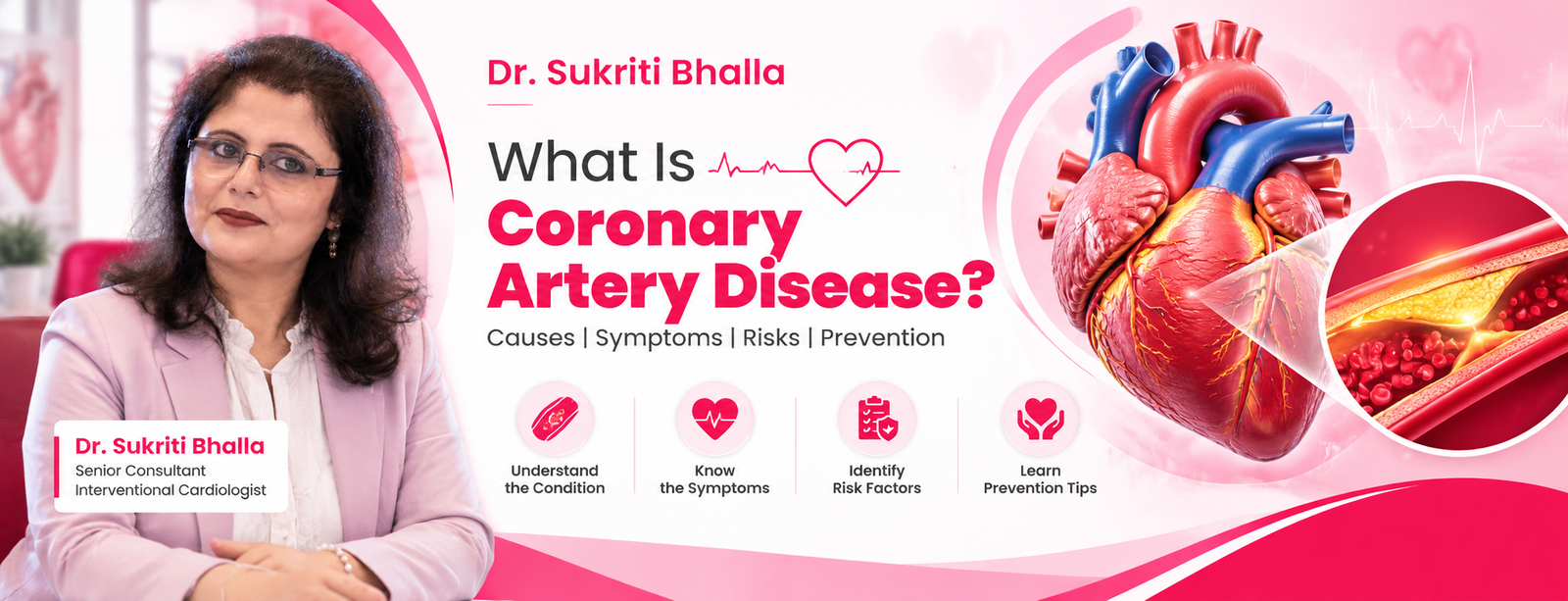
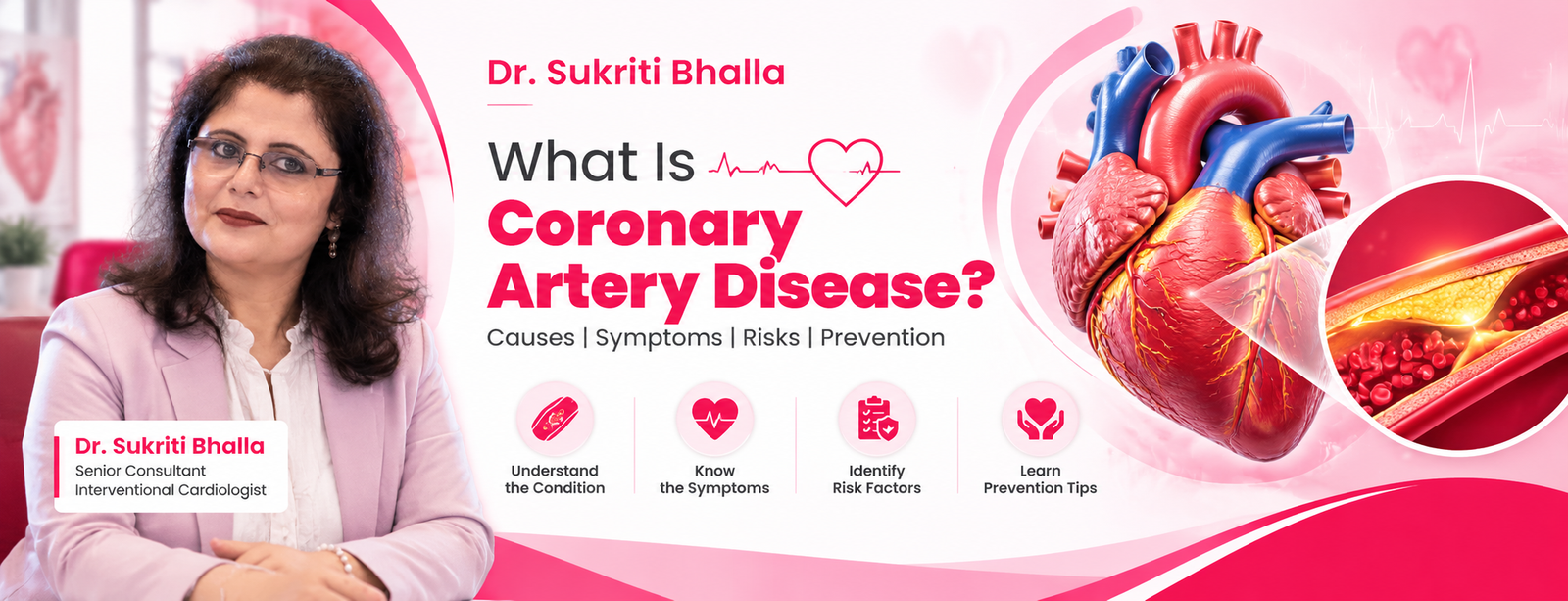
Coronary artery disease (CAD) is one of the most common heart conditions, developing when the blood vessels supplying the heart become narrowed or blocked by plaque buildup. This condition can reduce blood flow to the heart muscle, causing chest discomfort, shortness of breath, fatigue, and, in severe cases, a heart attack. Early diagnosis, appropriate treatment, and regular follow-up can help reduce complications and improve quality of life.
Consulting the best cardiologist doctor in Delhi can help patients understand their condition and choose a suitable treatment plan based on their symptoms, medical history, and cardiovascular risk factors. Managing coronary artery disease involves more than treating symptoms. It requires identifying contributing factors, controlling blood pressure and cholesterol, improving daily habits, and determining whether medications or procedures are necessary. A cardiologist evaluates these factors to develop an individualised care strategy.
Understanding how CAD develops, recognising warning signs, and following evidence-based medical advice can help patients take a more active role in protecting their heart health. This blog explains how coronary artery disease develops, its warning signs, diagnostic tests, treatment options, lifestyle changes, and how a cardiologist can help manage the condition and reduce complications.
What Is Coronary Artery Disease, and Why Does It Need Medical Attention
Coronary artery disease occurs when plaque made of cholesterol, fatty substances, calcium, and other materials accumulates inside the coronary arteries. This process, known as atherosclerosis, gradually narrows the arteries and limits the oxygen-rich blood reaching the heart muscle.
Some people experience no noticeable symptoms during the early stages. Others develop chest pressure, discomfort during physical activity, breathlessness, or unusual tiredness. Symptoms may become more frequent as the disease progresses.
CAD requires medical attention because reduced blood flow can affect the heart’s ability to function normally. A sudden rupture of plaque can also trigger a blood clot, potentially blocking an artery and causing a heart attack.
Several factors increase the risk of developing CAD, including:
- High blood pressure
- Elevated LDL cholesterol
- Diabetes or prediabetes
- Smoking or tobacco use
- Physical inactivity
- Excess body weight
- A family history of early heart disease
- Increasing age
Recognising these risks early allows patients and healthcare professionals to take preventive action. Regular medical evaluations are particularly important for individuals with multiple risk factors or a history of cardiovascular problems.
How Can the Best Cardiologist Doctor in Delhi Diagnose Coronary Artery Disease
Correct diagnosis is the initial step toward effective treatment. The best cardiologist doctor in Delhi evaluates a patient’s symptoms, medical history, lifestyle, and risk factors before recommending appropriate investigations. The goal is to understand whether CAD is present, determine its severity, and assess the risk of future cardiovascular events.
Medical History and Physical Examination
The best cardiologist in West Delhi asks about symptoms, including chest discomfort, breathlessness, dizziness, and reduced exercise tolerance. Information about existing medical conditions, medications, smoking, family history, and previous cardiac events helps establish the patient’s risk profile.
A physical examination may include checking blood pressure, heart rate, and other signs relevant to cardiovascular health.
Electrocardiogram (ECG)
An ECG records the heart’s electrical activity. It can help identify certain rhythm abnormalities and signs of current or previous heart muscle injury. However, a normal ECG does not necessarily rule out coronary artery disease.
Blood Tests
Blood tests can measure cholesterol levels, blood glucose, and other markers relevant to cardiovascular risk. If a heart attack is suspected, clinicians may check troponin levels to identify heart muscle injury.
Echocardiogram and Stress Testing
An echocardiogram uses ultrasound to assess the heart’s structure, pumping function, and movement of its walls. Stress testing evaluates how the heart responds to increased workload and may reveal evidence of reduced blood flow.
Coronary CT Angiography or Invasive Angiography
Coronary CT angiography uses imaging to examine coronary arteries for narrowing. Invasive coronary angiography involves injecting contrast material through a catheter to visualise the arteries and identify significant blockages.

Not every patient needs every test. The best cardiologist doctor in Delhi selects investigations according to symptoms, clinical findings, and the likelihood of coronary artery disease.
What Treatment Options Can Help Manage Coronary Artery Disease
Treatment depends on the extent of arterial narrowing, symptom severity, heart function, other medical conditions, and the patient’s overall risk. A comprehensive plan often combines medication, lifestyle changes, and, when appropriate, procedures to restore blood flow.
Medications to Control Symptoms and Reduce Risk
Medications are often an essential part of coronary artery disease treatment in Delhi and may help control symptoms, manage risk factors, and prevent complications.
Depending on the health condition of a patient, a cardiologist may prescribe:
- Statins: Lower LDL cholesterol and help stabilise plaque.
- Antiplatelet medications: Reduce the risk of certain blood clots when clinically indicated.
- Blood pressure medications: Control hypertension and reduce cardiovascular strain.
- Beta blockers: May reduce the heart’s workload and help manage angina in appropriate patients.
- Nitrates: Can relieve angina by improving blood flow and reducing the heart’s workload.
- Other cholesterol-lowering medications: May be considered when additional LDL reduction is needed.
Medication choices depend on individual needs, potential side effects, and other health conditions. Patients should take medicines as prescribed and consult their healthcare professional before stopping or changing treatment.
Angioplasty and Stent Placement
When a significant coronary blockage causes symptoms or presents a suitable clinical indication, a cardiologist may recommend percutaneous coronary intervention (PCI), commonly called angioplasty.
During this procedure, a catheter is guided into the affected artery. A small balloon may be inflated to widen the narrowed area, and a stent is often placed to help keep the artery open.
Angioplasty can improve blood flow and relieve angina in appropriately selected patients. However, it is not necessary for every person with CAD, and it does not eliminate the underlying tendency to develop atherosclerosis. Continued medication, risk-factor management, and follow-up remain essential.
Coronary Artery Bypass Grafting
Coronary artery bypass grafting (CABG) is a surgical option for certain patients with complex or extensive coronary artery disease. Surgeons use a blood vessel graft to create a route around a blocked artery.
The decision between medication, angioplasty, and bypass surgery depends on factors such as the location and number of blockages, heart function, diabetes, and overall health. In selected complex cases, a multidisciplinary heart team may help determine the most appropriate approach.
How Does the Best Cardiologist Doctor in Delhi Help Prevent CAD Complications
Effective CAD management focuses not only on relieving current symptoms but also on reducing the likelihood of future heart attacks, worsening heart function, and other cardiovascular complications.
The best cardiologist doctor in Delhi can help patients establish an ongoing management plan that includes the following measures.
Controlling Cholesterol and Blood Pressure
High LDL cholesterol contributes to plaque formation, while uncontrolled blood pressure places additional stress on blood vessels. Regular monitoring and appropriate treatment help reduce these risks. Patients may need periodic blood tests and medication adjustments to meet their individualised targets.
Managing Diabetes
High blood glucose can damage blood vessels and increase cardiovascular risk. Patients with diabetes benefit from coordinated management of glucose levels, blood pressure, cholesterol, nutrition, and physical activity.
Stopping Smoking
Smoking damages blood vessels and increases the risk of clot formation. Quitting tobacco is one of the most important steps patients can take to improve cardiovascular health. Healthcare professionals can recommend counseling, structured cessation programs, and suitable treatments.
Recognising Symptoms Early
Patients should understand their usual symptoms and seek medical advice if they become more frequent, last longer, or occur with less activity than before. Prompt assessment can identify changes requiring treatment.
Following a Personalised Care Plan
Regular follow-up allows the best cardiologist doctor in Delhi to review symptoms, assess medication tolerance, monitor risk factors, and determine whether additional testing is necessary. A consistent care plan can help reduce avoidable complications.
What Lifestyle Changes Support Long-Term Heart Health
Medical treatment works best when combined with sustainable lifestyle habits. Patients with CAD should discuss activity levels, dietary needs, and rehabilitation options with their healthcare team before making major changes.
Follow a Heart-Healthy Diet
Choose vegetables, fruits, whole grains, beans, nuts, and other fiber-rich foods. Include appropriate sources of lean protein and unsaturated fats, such as fish, seeds, and olive oil. Limit trans fats, excess saturated fat, heavily processed foods, and high-sodium meals.
A registered dietitian can help patients create a realistic eating plan that considers diabetes, kidney disease, weight goals, and personal preferences.
Exercise Safely and Consistently
Regular physical activity can support blood pressure control, cholesterol management, and overall cardiovascular fitness. The appropriate activity level depends on symptoms, disease severity, and recent cardiac procedures.
A clinician may recommend supervised cardiac rehabilitation, particularly after a heart attack, angioplasty, or bypass surgery. Patients should avoid starting strenuous exercise without medical guidance when their condition is unstable.
Maintain a Healthy Weight
Excess body weight can contribute to high blood pressure, diabetes, and abnormal cholesterol levels. Gradual, sustainable changes in eating habits and physical activity are generally more helpful than extreme diets.
Prioritise Sleep and Stress Management
Adequate sleep and practical stress-management strategies can support overall health. Patients may benefit from regular sleep schedules, relaxation techniques, social support, or professional counseling when stress becomes difficult to manage.
Attend Regular Follow-Up Appointments
Routine visits help healthcare professionals track progress and address emerging concerns. Patients should maintain an updated medication list, record relevant blood pressure readings, and report new or changing symptoms promptly.
When Should You Seek Immediate Medical Attention
Coronary artery disease can sometimes become an emergency, even in people who have previously experienced only mild symptoms.
Call your local emergency number immediately if you experience:
- New, severe, or persistent chest pressure or pain
- Chest discomfort spreading to the arm, back, shoulder, neck, or jaw
- Sudden shortness of breath
- Cold sweats, nausea, or lightheadedness accompanied by chest discomfort
- Fainting or sudden, unexplained weakness with possible cardiac symptoms
Heart attacks do not always cause dramatic chest pain. Some people, particularly older adults and individuals with diabetes, may experience less typical symptoms.
Do not wait for a routine cardiology appointment if a heart attack is suspected. Seek emergency care immediately rather than driving yourself to the hospital. Early treatment can limit heart muscle damage and improve outcomes.
Final Thoughts
Coronary artery disease requires a proactive approach that combines accurate diagnosis, individualised treatment, healthy lifestyle choices, and consistent medical follow-up. Recognising symptoms early and controlling risk factors can help patients manage their condition and reduce the risk of serious complications. Whether treatment involves medication, angioplasty, surgery, or lifestyle modification, decisions should be based on a thorough clinical assessment conducted by the best cardiologist doctor in Delhi rather than a one-size-fits-all approach.
For individuals seeking professional cardiac guidance, they can book a consultation with Dr. Sukriti Bhalla. She offers a starting point for exploring cardiology consultation and heart care options in Delhi. Visit her website now to learn more about her personalised treatment and healthcare support.
FAQs
1. Can coronary artery disease be reversed?
Coronary artery disease cannot always be reversed completely, but treatment and lifestyle changes can slow progression, stabilise plaque, improve symptoms, and reduce the risk of cardiovascular complications.
2. What is the most common symptom of coronary artery disease?
Chest discomfort or pressure, known as angina, is a common symptom. Some patients also experience breathlessness, fatigue, or other symptoms, while others have no obvious warning signs.
3. Does coronary artery disease always require angioplasty?
No. Many patients can manage coronary artery disease with medication and lifestyle changes. Angioplasty is considered when symptoms, blockage severity, and clinical findings support the procedure.
4. How often should patients with coronary artery disease visit a cardiologist?
Follow-up frequency depends on disease severity, symptoms, treatment, and other conditions. Your cardiologist will recommend a schedule and may adjust it if your condition changes.
5. Can lifestyle changes help prevent coronary artery disease from worsening?
Yes. A heart-healthy diet, regular clinician-approved exercise, smoking cessation, adequate sleep, and control of cholesterol, blood pressure, and diabetes can reduce cardiovascular risk.