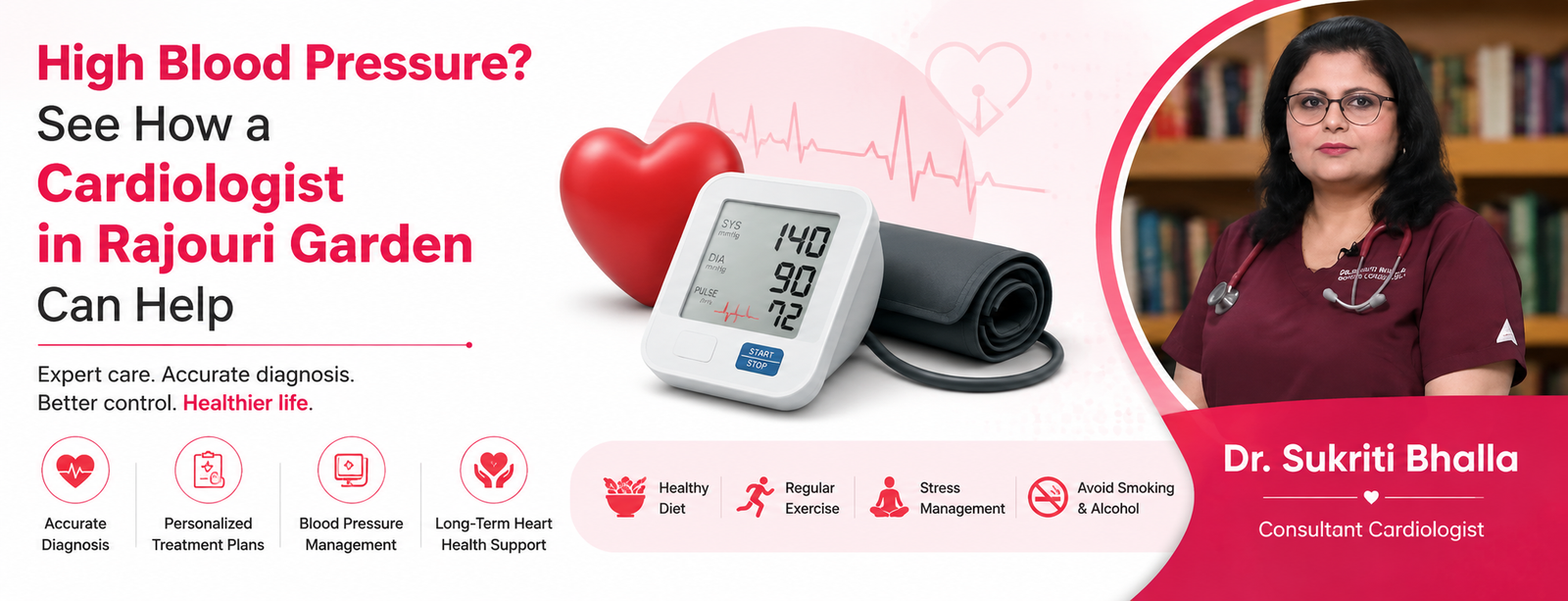
High blood pressure can develop gradually, often without causing noticeable symptoms. Yet, when left unmanaged, it can place extra strain on the heart and blood vessels. This makes regular monitoring and timely medical care important. A cardiologist in Rajouri Garden can help patients understand their blood pressure readings, identify possible risk factors, and create a suitable management plan.
Managing high blood pressure involves more than simply taking prescribed medicines. Doctors may assess your overall heart health, review your lifestyle, and recommend appropriate tests. They can also monitor how well your treatment is working and make adjustments when necessary. Alongside medical care, healthier eating, regular physical activity, better sleep and stress management can support blood pressure control.
This guide explains how cardiologists approach high blood pressure, which tests may be used, how treatment can help and what lifestyle changes can support long-term heart health.
Understanding High Blood Pressure and Its Effects with a Cardiologist in Rajouri Garden
Blood pressure refers to the pressure created as blood flows through your arteries. It is measured using two readings: systolic and diastolic pressure. Systolic pressure is the pressure in your arteries when the heart contracts and pumps blood throughout the body. Diastolic pressure represents the pressure between heartbeats, when the heart relaxes.
A consistently elevated blood pressure level can affect the cardiovascular system over time. The heart may need to work harder to pump blood throughout the body. The arteries can also experience increased pressure, which may contribute to damage and other cardiovascular complications.
High blood pressure can often occur without producing clear or noticeable symptoms. Some people may feel completely well despite having elevated readings. This is why routine checks from the cardiologist in Rajouri Garden can be valuable, particularly for people with risk factors.
Why High Blood Pressure Needs Attention
Persistent high blood pressure can increase the risk of several serious health problems. These may include:
- Coronary artery disease
- Heart attack
- Heart failure
- Stroke
- Kidney problems
- Damage to blood vessels
- Certain vision complications
The level of risk can depend on several factors, including age, family history, cholesterol levels, diabetes, smoking, weight, physical activity, and existing cardiovascular conditions. Seeking professional advice can help identify these factors and address them early.
How a Cardiologist in Rajouri Garden Assesses High Blood Pressure
A cardiologist in Rajouri Garden usually begins by understanding the patient’s medical history and current health. The assessment may include questions about previous illnesses, medications, family history, diet, activity levels, sleep, and other lifestyle factors.
Blood pressure may also be measured more than once. A single elevated reading does not always provide enough information to determine whether someone has persistent hypertension.
The doctor may consider readings taken at different times and under different circumstances. This can help distinguish ongoing high blood pressure from temporary increases caused by stress, illness, caffeine or other factors.
Looking Beyond the Blood Pressure Reading
A cardiologist may also consider the patient’s overall cardiovascular risk. For example, someone with high cholesterol or diabetes may require a different approach from someone with no additional risk factors.
The cardiologist may discuss any symptoms you have been experiencing, including:
- Chest discomfort
- Breathlessness
- Dizziness
- Headaches
- Palpitations
- Unusual tiredness
These symptoms can have many possible causes, so they should be assessed in the appropriate medical context.
Tests Recommended by a Cardiologist in Rajouri Garden for High Blood Pressure
Depending on the patient’s circumstances, a Best cardiologist in Rajouri Garden may recommend tests to understand cardiovascular health and identify possible complications.
An electrocardiogram (ECG) is a test that records the heart’s electrical signals and helps assess its rhythm and activity. It can provide information about heart rhythm and other cardiac changes. An echocardiogram uses ultrasound to produce images of the heart. It helps evaluate the heart’s structure and how well it is functioning.
Blood tests may also be useful. These can help assess factors such as cholesterol, blood sugar and kidney function. Such information can help a doctor understand the patient’s wider health profile. In some cases, additional investigations may be recommended based on symptoms, medical history and initial findings.
Why Regular Monitoring Matters
Blood pressure can change throughout the day. It may rise during periods of stress or physical activity and fall during rest. Your doctor may therefore recommend regular home monitoring. Keeping a record of readings can provide useful information during follow-up appointments.
A reliable home monitor should be used correctly. Sitting quietly for a few minutes before taking a reading and following the manufacturer’s instructions can improve consistency. Patients should discuss their monitoring routine with their doctor rather than making treatment decisions based on individual readings.
Lifestyle Changes That Support Blood Pressure Management
Medical treatment from a cardiologist in Delhi Rajouri Garden can be important, but everyday habits also have a major role in cardiovascular health. Your doctor may recommend several practical changes based on your individual needs.
Follow a Heart-Healthy Diet
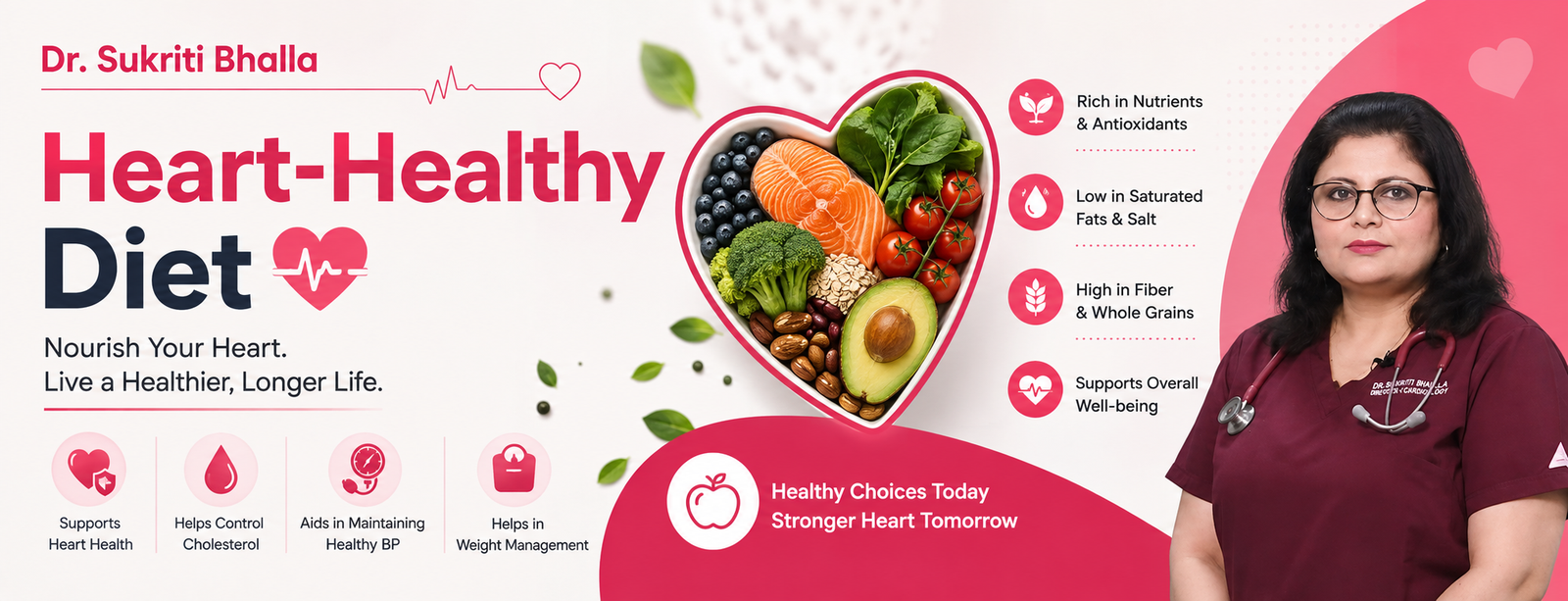
Diet can influence blood pressure and overall cardiovascular health. A balanced eating pattern can include vegetables, fruits, whole grains, pulses, lean protein and suitable sources of healthy fats. Reducing excess salt can also be helpful for many people with high blood pressure.
Processed foods, packaged snacks and some ready-made meals can contain significant amounts of sodium. Rather than making sudden extreme changes, patients can gradually develop healthier eating habits that are realistic for their daily routine.
Stay Physically Active
Regular physical activity can support cardiovascular fitness and help with weight management. Activities such as brisk walking, cycling, or swimming may be suitable for many people.
However, exercise plans should consider a person’s existing health and fitness level. Anyone with a heart condition or concerning symptoms should discuss suitable activity with a healthcare professional. Even small improvements in daily movement can contribute to a healthier routine.

Maintain a Healthy Weight
Carrying excess weight can place additional demands on the cardiovascular system. If weight reduction is appropriate, gradual and sustainable changes are generally more practical than restrictive short-term diets.
A cardiologist in Rajouri Garden can help determine whether weight management should form part of an individual’s blood pressure plan.
Manage Stress
Long periods of stress can affect sleep, eating habits and daily routines. These factors can indirectly make cardiovascular health harder to manage.
Simple strategies such as regular physical activity, relaxation exercises, adequate rest and maintaining social connections may help people manage everyday stress. If stress feels difficult to manage, discussing it with an appropriate healthcare professional can also be useful.
Monitoring High Blood Pressure Over the Long Term with a Cardiologist in Rajouri Garden
Managing hypertension is usually an ongoing process rather than a one-time treatment. Blood pressure can change as people age or as their health, weight, activity levels, and medications change.
Regular follow-up allows a cardiologist in Rajouri Garden to review progress and determine whether the current approach remains suitable. Patients may be encouraged to maintain a record of their blood pressure readings. They should also inform their doctor about any new symptoms or changes in their health.
Why Follow-Up Appointments Matter
Follow-up visits can help assess whether treatment is working effectively. They also provide an opportunity to discuss medication concerns, lifestyle changes, and new health issues.

A treatment plan may need adjustment over time. This does not necessarily mean that the previous approach failed. It may simply reflect changes in the patient’s health or response to treatment. Consistent follow-up can therefore support better long-term management.
Who May Need Closer Blood Pressure Monitoring
Some people have a higher risk of developing cardiovascular complications from high blood pressure. These may include individuals with diabetes, high cholesterol, obesity, kidney disease, or a family history of cardiovascular disease.
Older adults may also benefit from regular monitoring. However, high blood pressure can affect younger adults as well. People who regularly consume excessive salt, smoke, drink heavily, remain physically inactive, or experience prolonged stress may also have modifiable risk factors. A personalised assessment can help identify which factors are most relevant to each person.
High Blood Pressure Should Not Be Ignored
Because hypertension may cause few or no symptoms, waiting until you feel unwell is not a reliable approach. Regular health checks can identify elevated blood pressure before complications develop. If readings remain high, professional assessment can help determine the next steps.
People should also avoid relying solely on information from online sources when deciding whether they need treatment. Individual blood pressure management should be guided by a qualified healthcare professional.
When Should You Seek Urgent Medical Attention from a Cardiologist in Rajouri Garden
Most high blood pressure cases require planned assessment and ongoing management. However, extremely high blood pressure accompanied by serious symptoms can require urgent medical attention.
Symptoms such as severe chest pain, significant breathing difficulty, sudden weakness, confusion, fainting, or sudden vision changes should not be ignored. In such situations, patients should seek emergency medical care rather than waiting for a routine appointment.
It is also important to remember that symptoms can have different causes. A cardiologist in Rajouri Garden can determine the appropriate response based on the person’s condition.
Building a Long-Term Heart Health Plan
Managing blood pressure becomes easier when patients understand their condition and take an active role in their care. Keeping appointments, taking prescribed medication correctly, and monitoring blood pressure can all support better management. Lifestyle habits should also be sustainable. Instead of attempting several major changes at once, patients can focus on achievable improvements.
For example, reducing processed foods, walking regularly, improving sleep, and keeping track of blood pressure can become part of a consistent routine. The right approach depends on the individual. A cardiologist can help patients understand their risk and develop a plan that fits their health needs.
Conclusion
High blood pressure can often be managed effectively when it is identified early and monitored consistently. A combination of professional assessment, appropriate treatment, healthy lifestyle habits, and regular follow-up can support better cardiovascular health.
If you are concerned about persistent high blood pressure or want a professional assessment of your heart health, consulting an experienced cardiologist in Rajouri Garden can be an important step. For expert cardiac consultation and personalised heart-care guidance, you can explore us at Dr. Sukriti Bhalla. We offer personalised care and guidance, following which you can remain healthy. To learn more about our services, visit our website now.
FAQs
1. How often should I check my blood pressure?
The frequency depends on your readings and health history. Your doctor can recommend a suitable monitoring schedule based on your individual cardiovascular risk.
2. Can lifestyle changes lower high blood pressure?
Healthy eating, regular activity, weight management, reduced salt intake and stress control may support better blood pressure levels alongside treatment.
3. Do I need medication for high blood pressure?
Not everyone needs medication immediately. Treatment depends on blood pressure levels, cardiovascular risk, medical conditions and how well lifestyle changes work.
4. Can high blood pressure damage the heart?
Yes. Persistent high blood pressure can increase the heart’s workload and contribute to cardiovascular problems, including coronary artery disease and heart failure.
5. Should I stop my medicine when my blood pressure improves?
No. Improved readings may indicate that treatment is working. Always consult your doctor before changing or stopping prescribed blood pressure medication.