Female Cardiologist in Kirti Nagar, Delhi

Looking for a Female Cardiologist in Kirti Nagar, Delhi? Here’s Why

Heart health deserves attention at every stage of a woman’s life. Yet, many women delay cardiac care because symptoms can appear mild, unusual, or difficult to recognise. Choosing the right specialist can make conversations about heart health more comfortable and productive. 

Female Cardiologist in Kirti Nagar, Delhi

A female cardiologist in kirti nagar delhi can offer professional cardiac care while creating a setting where women may feel more at ease discussing sensitive concerns. This can be especially helpful when symptoms involve hormonal changes, pregnancy, menopause, stress, or other factors that can affect cardiovascular health. A suitable cardiologist can also help women understand risk factors, diagnostic tests, lifestyle changes, and treatment options.

This article explores why many women may prefer a female cardiologist, what qualities to look for, and how the right specialist can support informed heart-health decisions.

Why Women May Prefer a Female Cardiologist in Kirti Nagar Delhi

Choosing a female cardiologist in Kirti Nagar Delhi is a personal decision. While clinical expertise should always remain the priority, comfort can influence how openly a patient communicates. Women may sometimes find it easier to discuss personal symptoms and concerns with another woman.

For example, a patient may want to discuss changes that occur during pregnancy or menopause. She may also have questions about weight changes, hormonal treatments, stress, or family history. These topics can feel easier to explain when the consultation environment feels comfortable.

A female heart specialist for women in Delhi can provide an approachable setting for these discussions. However, the most important factor remains appropriate medical expertise and the ability to assess each patient individually.

Comfortable Communication Can Encourage Better Care

Good communication is an essential part of quality healthcare. Patients should feel comfortable explaining what they experience, when symptoms occur, and how those symptoms affect daily life.

Women sometimes overlook symptoms such as unusual tiredness, breathlessness, nausea, dizziness, or discomfort in areas other than the chest. Open communication can help a doctor understand the complete picture.

best heart care support

A supportive consultation also allows patients to ask questions. They can discuss test results, treatment choices, medicines, exercise, diet, and follow-up requirements.

Discussing Women-Specific Heart Concerns

Women can have cardiovascular risk factors that require particular attention during different stages of life. Pregnancy-related complications, menopause, hormonal changes, and certain health conditions can influence cardiovascular risk.
This does not mean every woman requires specialised treatment. Instead, it highlights the importance of considering the patient’s individual history.

A women-focused cardiology consultation in Delhi can help patients discuss these factors and understand how they relate to their overall heart health.

What Should You Look for in a Female Cardiologist in Kirti Nagar Delhi

Selecting a female cardiologist in Kirti Nagar Delhi should involve more than simply choosing someone based on location. Several factors can help women identify a suitable specialist.

Relevant Qualifications and Clinical Experience

Start by checking the doctor’s medical qualifications, cardiology training, and professional experience. A cardiologist should have appropriate training to evaluate and manage cardiovascular conditions.

Female Cardiologist in Kirti Nagar, Delhi

Experience also matters because heart-related complaints can vary considerably. Some patients may need preventive guidance, while others may require detailed investigations or long-term management.

A qualified female cardiologist, for women’s heart health, should be able to assess symptoms carefully and recommend investigations when appropriate.

Ability to Explain Medical Information Clearly

Cardiology can involve unfamiliar terms and complex test results. A good doctor should explain important information in language that patients can understand.

Patients should know why a particular test has been suggested and what the results could indicate. They should also understand the purpose of recommended lifestyle changes or medicines.

Clear explanations can help patients participate more actively in their healthcare decisions.

A Patient-Centred Approach

Every woman has different circumstances, habits, medical history, and concerns. A good cardiologist should therefore avoid treating every patient in the same way.

Instead, the consultation should consider relevant factors such as age, family history, lifestyle, existing conditions, medications, and symptoms.

A patient-centred approach can make healthcare more meaningful because recommendations are based on the individual rather than a generic checklist.

How a Female Cardiologist in Kirti Nagar Delhi Can Support Preventive Heart Care

Cardiac care is not limited to treating established heart disease. Prevention can also play an important role, particularly when a woman has recognised risk factors.

Regular assessment from a female cardiologist in Kirti Nagar Delhi can help identify issues such as high blood pressure, high cholesterol, obesity, diabetes, or other factors associated with cardiovascular disease.

cardiologist in rajorigarden

Women with a strong family history may also benefit from discussing their personal risk with a qualified professional.

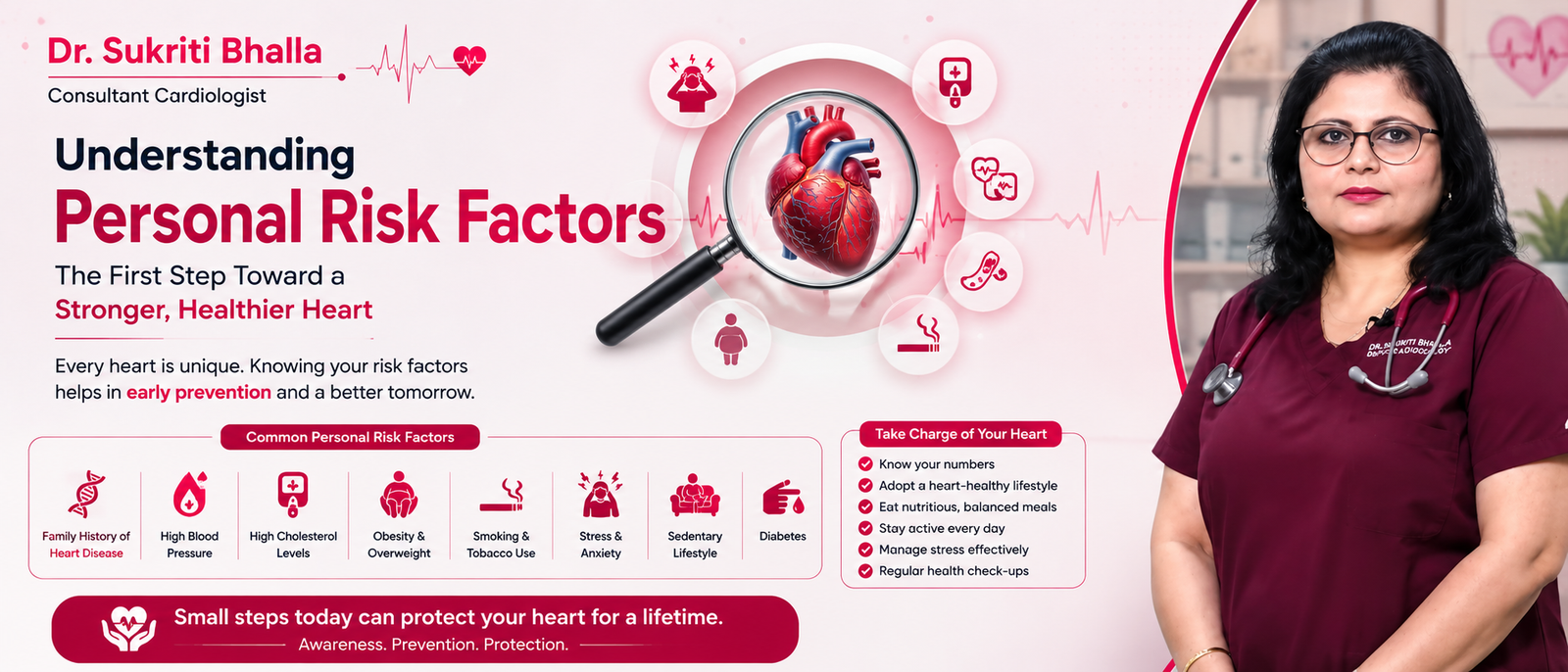
Understanding Personal Risk Factors

Risk assessment can provide a clearer picture of cardiovascular health. The best cardiologist in Kirti Nagar may consider several elements when evaluating risk.

These can include:

  • Blood pressure
  • Cholesterol levels
  • Blood sugar
  • Smoking habits
  • Physical activity
  • Diet
  • Body weight
  • Family history
  • Existing medical conditions
  • Age and other individual factors

Not every factor carries the same importance for every patient. A professional assessment can help identify the areas that require attention.

Encouraging Sustainable Lifestyle Changes

Heart health is closely linked with everyday habits. However, lifestyle advice should be practical and realistic.

A cardiologist may discuss regular physical activity, balanced nutrition, adequate sleep, stress management, and avoiding tobacco.

Instead of making extreme changes, patients can work towards achievable improvements. Small changes maintained over time can be more sustainable than short-term efforts.

A female cardiologist for preventive heart care in Delhi can help women understand which lifestyle changes are appropriate for their circumstances.

Symptoms Women Should Not Ignore

Women should take persistent or concerning symptoms seriously. Heart problems do not always present as dramatic chest pain.

Some women may experience symptoms such as:

  • Unusual breathlessness
  • Persistent fatigue
  • Dizziness
  • Nausea
  • Sweating
  • Palpitations
  • Chest pressure or discomfort
  • Pain affecting the back, jaw, neck, shoulder, or arm

These symptoms can have many possible causes. They do not automatically indicate heart disease.

However, new, severe, persistent, or concerning symptoms should not be ignored. Urgent symptoms may require immediate medical attention rather than waiting for a routine appointment with a female cardiologist in Kirti Nagar Delhi.

Why Early Evaluation Matters

Early medical assessment can help determine whether symptoms require further investigation. It can also prevent patients from assuming that unusual symptoms are simply caused by stress or tiredness.

Women often have demanding personal and professional responsibilities. As a result, they may postpone appointments or normalise recurring symptoms.

Making time for appropriate medical evaluation is an important part of responsible heart care.

Choosing a Convenient Female Cardiologist in Kirti Nagar Delhi

Location can influence whether patients maintain regular appointments. A conveniently located clinic of a female cardiologist in Kirti Nagar Delhi can make consultations and follow-ups easier to manage.

This can be particularly useful for patients who require repeated monitoring or periodic assessments.

However, convenience should not replace clinical suitability. Women should consider the doctor’s qualifications, communication style, experience, and approach to patient care alongside location.

Accessibility and Follow-Up Care

Cardiac care can involve more than one consultation. Depending on the patient’s situation, a doctor may recommend follow-up appointments, additional tests, medication reviews, or lifestyle monitoring.

Therefore, it can be helpful to choose a specialist whose practice is reasonably accessible.

A cardiology doctor near Kirti Nagar Delhi for women may be a practical option for patients who value easier access to ongoing consultations.

What Can You Expect During a Cardiology Consultation

Knowing what may happen during an appointment can make the experience less stressful.

The consultation usually begins with a discussion about symptoms and medical history. The doctor may ask when symptoms began, how frequently they occur, and whether particular activities trigger them.

The female cardiologist in Kirti Nagar Delhi may also ask about family history, lifestyle habits, existing conditions, and current medicines.

A physical examination may follow. Depending on the situation, the doctor may recommend investigations such as blood tests, an ECG, echocardiography, or other cardiac assessments.

The exact tests depend on the individual’s symptoms and clinical needs.

Questions Women Can Ask Their Cardiologist

Patients should feel comfortable asking questions. Useful questions may include:

  • What could be causing my symptoms?
  • Do I need any cardiac tests?
  • What do my results mean?
  • Are there specific risk factors I should monitor?
  • Should I change my diet or activity levels?
  • How often should I return for a review?
  • Which symptoms require urgent attention?

Taking notes during an appointment can also help patients remember important recommendations.

Building a Long-Term Relationship with Your Female Cardiologist in Kirti Nagar Delhi 

Heart health is often a long-term consideration. A single consultation with a female cardiologist in Kirti Nagar Delhi may provide useful information, but ongoing care can be important for people with cardiovascular risk factors or diagnosed conditions.

A good doctor-patient relationship is built on communication, trust, consistency, and appropriate medical guidance.

Patients should feel able to share changes in symptoms or difficulties with treatment. They should also understand when follow-up appointments are necessary.

Trust and Open Communication

Trust can encourage patients to communicate honestly. They may be more willing to discuss lifestyle habits, missed medicines, emotional stress, or other factors affecting their health.

A female cardiologist in Kirti Nagar Delhi should listen without making the patient feel uncomfortable or dismissed.

This can be particularly important when symptoms are unclear or when a patient is worried about what they might mean.

Personalised Monitoring

Not everyone needs the same follow-up schedule or investigations. Monitoring should depend on the individual’s circumstances.

A doctor may adjust recommendations when risk factors change. For example, changes in blood pressure, cholesterol, weight, medication, or symptoms may require reassessment.

This personalised approach can help keep cardiac care relevant over time.

End Notes

Choosing the right cardiologist is an important step towards taking heart health seriously. A female cardiologist in kirti nagar delhi can offer professional cardiac care in an environment where some women may feel more comfortable discussing personal concerns. However, qualifications, experience, communication, personalised attention, and appropriate follow-up should remain central to the decision.

Regular conversations with a qualified specialist can support better awareness and informed decisions about heart health. For women looking for experienced and personalised cardiac care, they can trust us at Dr. Sukriti Bhalla. We can be considered a specialist option in Delhi to provide you with personalised guidance on cardiac care. Visit our website now to learn more about her approach and available cardiology services.

FAQs

1. Why choose a female cardiologist for women’s heart health?

A female cardiologist may help some women feel more comfortable discussing personal symptoms, hormonal changes, pregnancy-related concerns, menopause, stress, and cardiovascular risk factors.

2. What should women consider when choosing a cardiologist?

Women should consider qualifications, cardiology experience, communication skills, patient-centred care, clinic accessibility, follow-up arrangements, and whether the specialist understands their individual health concerns.

3. Which heart symptoms should women discuss with a cardiologist?

Women should discuss persistent breathlessness, unusual fatigue, palpitations, dizziness, chest discomfort, sweating, nausea, or unexplained pain affecting the back, jaw, neck, shoulder, or arm.

4. Can women benefit from preventive cardiology consultations?

Yes. Preventive consultations can help identify cardiovascular risk factors, encourage healthier habits, monitor changes, and support timely medical evaluation when concerns develop.

5. What happens during a typical cardiology appointment?

A cardiology appointment may include discussing symptoms and medical history, a physical assessment, reviewing risk factors, and recommending appropriate diagnostic tests based on individual needs.

dr sukriti bhalla

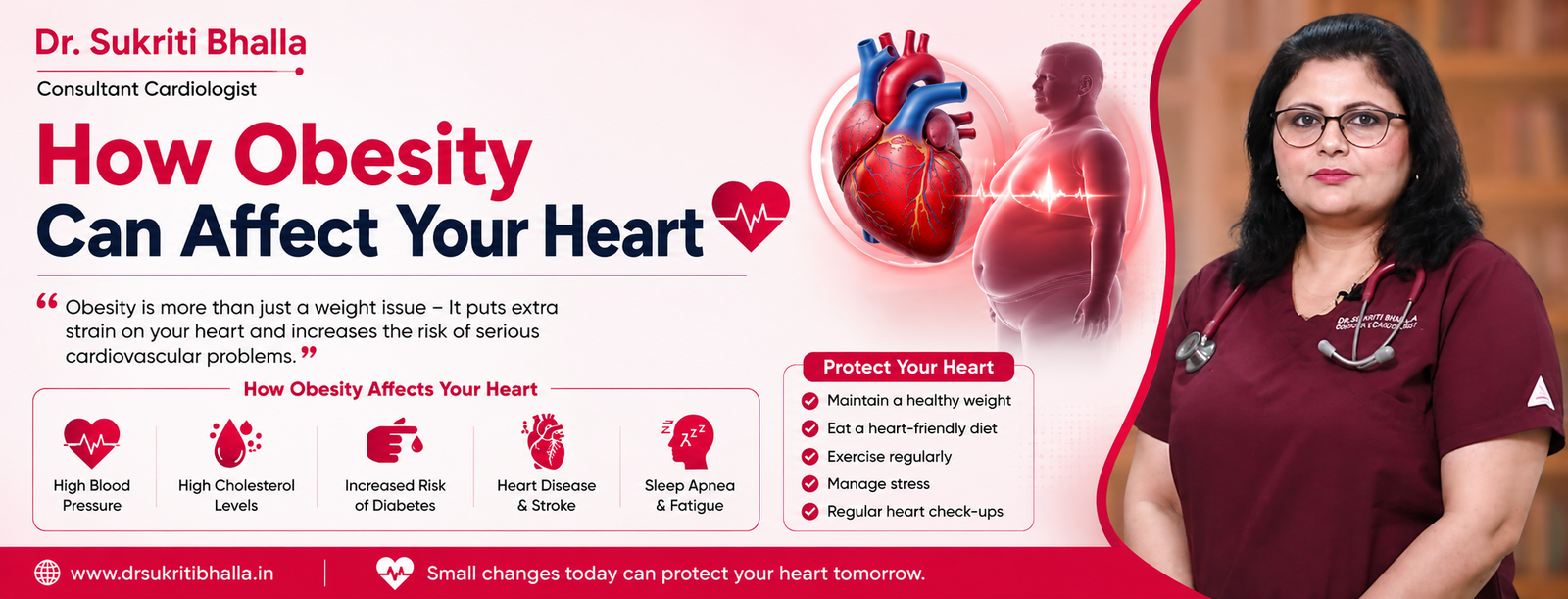
How Obesity Can Affect Your Heart: Insights From a Leading Dwarka Cardiologist

Obesity can affect much more than body weight. It can place additional pressure on the heart and blood vessels, increasing the risk of several cardiovascular problems. Speaking with the best cardiologist in Dwarka can help people understand their individual heart risks and take suitable preventive steps.

Excess body fat can influence blood pressure, cholesterol, blood sugar, inflammation, and the way the heart works. These changes may develop gradually, so people may not notice a problem until complications appear. However, understanding the connection between obesity and heart health can encourage earlier action.

obesity treaatment in dwarka

The good news is that even modest lifestyle improvements can support better cardiovascular health. A balanced diet, regular physical activity, sufficient sleep, stress management, and appropriate medical monitoring can all make a difference.

This article explains how obesity affects the heart, which conditions may be linked to excess weight, the warning signs worth noticing, and practical ways to support cardiovascular health.

The Link Between Obesity and Heart Health

Obesity can affect the cardiovascular system in several interconnected ways. Carrying excess body fat may increase the amount of work required from the heart. Over time, this additional workload can contribute to changes in heart function.

One important concern is high blood pressure. When blood pressure remains elevated, the heart must pump harder to move blood through the arteries. Long-term strain may contribute to thickening of the heart muscle and increase the risk of cardiovascular complications.

Obesity can also affect cholesterol levels. Some people with excess weight may have higher levels of LDL cholesterol and triglycerides, alongside lower HDL cholesterol. These changes can contribute to the build-up of fatty deposits inside arteries.

Another factor is inflammation. Excess body fat, particularly around the abdomen, can contribute to chronic low-grade inflammation. Persistent inflammation may affect blood vessels and contribute to cardiovascular risk.

Obesity is also closely associated with insulin resistance and type 2 diabetes. Elevated blood glucose can damage blood vessels over time, making diabetes an important cardiovascular risk factor.

For these reasons, maintaining a healthy weight by seeking support from the best cardiologist near Dwarka is not simply about appearance. It is an important part of protecting the heart and reducing preventable cardiovascular risks.

How Obesity Can Affect the Heart: Risks Explained by the Best Cardiologist in Dwarka

Understanding the potential risks can make it easier to recognise why weight management matters for cardiovascular health.

High Blood Pressure

Excess weight can increase the likelihood of developing hypertension. The heart may need to work harder to circulate blood through the body, while changes in blood vessels can also contribute to higher pressure.

Practical Ways to Support a Healthier Heart

High blood pressure often causes no obvious symptoms. This is why regular monitoring from the best cardiologist in Dwarka is important, particularly for people who have obesity or other cardiovascular risk factors.

Coronary Artery Disease

Obesity may contribute to several factors associated with coronary artery disease. Changes in cholesterol, blood pressure, blood sugar, and inflammation can encourage plaque formation within the arteries.

Over time, narrowed arteries may reduce blood flow to the heart. In some cases, a complete blockage can result in a heart attack.

Heart Failure

Excess weight can increase the workload placed on the heart. Persistent strain may eventually affect how effectively the heart fills or pumps blood.

Obesity may also coexist with conditions such as hypertension, diabetes, and sleep apnoea, which can further increase the burden on the cardiovascular system.

Abnormal Heart Rhythms

Obesity has also been associated with a greater likelihood of developing certain heart rhythm problems. Atrial fibrillation is one example.

Changes in the structure of the heart, blood pressure, inflammation, and other obesity-related factors may contribute to rhythm disturbances.

Stroke Risk

Obesity can indirectly increase stroke risk by contributing to hypertension, diabetes, abnormal cholesterol levels, and atrial fibrillation.

Reducing these underlying risk factors can therefore play an important role in supporting long-term cardiovascular health.

Why Abdominal Fat Can Be Particularly Concerning

Not all body fat has the same relationship with cardiovascular risk. Fat stored around the abdomen, often called visceral fat, can be particularly important.

Visceral fat accumulates around internal organs and actively influences metabolic processes. It can release substances that influence inflammation, insulin sensitivity, and lipid metabolism.

A person may therefore benefit from looking beyond body weight alone. Waist circumference, blood pressure, cholesterol, blood glucose, lifestyle habits, and family history can all help provide a broader picture of cardiovascular risk.

This is one reason personalised assessment by the best cardiologist in Dwarka can be useful. Two people with a similar body weight may have very different health profiles and cardiovascular risks.

best cardiologist in Dwarka

People concerned about abdominal obesity should consider discussing their overall risk profile with a qualified healthcare professional rather than relying solely on weight or appearance.

Warning Signs That Should Not Be Ignored

Obesity itself does not necessarily cause noticeable heart symptoms. However, certain symptoms can indicate an underlying cardiovascular problem and should receive appropriate attention.

Chest Discomfort

Pressure, tightness, heaviness, or discomfort in the chest can sometimes indicate reduced blood flow to the heart. It should not automatically be attributed to weight, indigestion, or tiredness.

Breathlessness

Shortness of breath during ordinary activities, particularly if it is new or worsening, may require assessment. Breathlessness can have several causes, including cardiovascular and respiratory conditions.

Unusual Fatigue

Persistent or unexplained tiredness may sometimes accompany cardiovascular problems. If fatigue is new, severe, or associated with other symptoms, medical advice is appropriate.

Swelling

Swelling around the ankles, feet, or lower legs can sometimes occur when the body retains fluid. Several conditions can cause swelling, so professional evaluation is important.

Palpitations

A sensation of a racing, pounding, fluttering, or irregular heartbeat may be linked to an abnormal rhythm. Frequent episodes should be evaluated by a healthcare professional.

Severe chest pain, significant difficulty breathing, fainting, or other sudden serious symptoms require urgent medical attention.

Obesity, Sleep Apnoea and Cardiovascular Health

Sleep is another important part of the relationship between obesity and heart health. Obesity can increase the likelihood of obstructive sleep apnoea, a condition in which breathing repeatedly stops and starts during sleep.

Sleep apnoea can cause repeated drops in oxygen levels and disrupt normal sleep. It may also contribute to increased blood pressure and place additional stress on the cardiovascular system.

Common symptoms include loud snoring, witnessed pauses in breathing, morning headaches, poor concentration, and excessive daytime sleepiness.

People with obesity who experience these symptoms should consider discussing them with a healthcare professional. Identifying and managing sleep-related breathing problems can form an important part of broader cardiovascular risk management.

Practical Ways to Support a Healthier Heart: Insights From the Best Cardiologist in Dwarka

best cardiologist in dwarka

Weight management does not need to involve extreme diets or unrealistic fitness routines. Sustainable changes suggested by the best cardiologist in Dwarka are generally easier to maintain over time.

Choose a Balanced Diet

A heart-conscious eating pattern can include vegetables, fruits, whole grains, pulses, lean protein sources, and healthier fats.

Reducing highly processed foods, excessive salt, added sugars, and foods high in saturated fat can also support better cardiovascular health.

Portion sizes matter as well. Eating mindfully can help people recognise hunger and fullness signals while avoiding unnecessary calorie intake.

Stay Physically Active

Regular movement can benefit blood pressure, cholesterol, blood sugar, fitness, and weight management.

Walking is a practical starting point for many people. Others may prefer cycling, swimming, strength training, or another activity they enjoy.

People with existing health conditions or significant obesity may benefit from discussing an appropriate exercise plan with a healthcare professional before beginning vigorous activity.

Improve Sleep

Adults generally benefit from consistent, sufficient sleep. Maintaining regular sleeping and waking times can support healthy routines.

Good sleep habits may include limiting excessive screen use before bed, keeping the bedroom comfortable, and avoiding large meals close to bedtime.

Manage Stress

Long-term stress can make healthy habits more difficult to maintain. It may also affect sleep, eating patterns, and physical activity.

Simple approaches such as walking, breathing exercises, hobbies, social interaction, and relaxation techniques may help people manage everyday stress.

Avoid Smoking

Smoking damages blood vessels and significantly increases cardiovascular risk. People who smoke can benefit from seeking professional support to quit.

Reducing exposure to tobacco smoke is an important step towards protecting cardiovascular health.

Best Cardiologist in Dwarka: When Should You Consider a Heart Check

dr sukriti bhalla

People with obesity do not necessarily need the same tests or frequency of assessment. The best cardiologist in Dwarka can consider individual factors before recommending appropriate screening.

Depending on the person’s circumstances, an assessment may include blood pressure measurement, weight and waist measurements, cholesterol testing, blood glucose testing, and other investigations when clinically appropriate.

An ECG may be recommended when symptoms or other factors suggest that an assessment of heart rhythm or electrical activity would be useful. Further tests may also be considered when there is a specific clinical reason.

Regular assessment becomes particularly important when obesity occurs alongside hypertension, diabetes, high cholesterol, a strong family history of cardiovascular disease, smoking, reduced physical activity, or concerning symptoms.

The purpose of a heart check is not simply to identify disease. It can also help people understand their risk and make informed lifestyle decisions.

Long-Term Heart Health Starts With Small Changes

Weight management can feel overwhelming when approached as a single large goal. Breaking it into smaller, realistic steps can make the process more manageable.

For example, someone might begin by adding a short daily walk, replacing sugary drinks with water, increasing vegetable intake, or establishing a consistent bedtime.

Over time, these choices can become routine. Even when weight loss is gradual, improvements in physical activity, blood pressure, blood sugar, and eating habits can support cardiovascular health.

It is also important to avoid self-blame. Obesity can involve multiple factors, including genetics, sleep, medications, environment, eating patterns, physical activity, and underlying health conditions.

A personalised approach by the best cardiologist in Dwarka is therefore often more useful than following a generic weight-loss plan.

Conclusion

Obesity can influence the heart through several pathways, including high blood pressure, abnormal cholesterol, insulin resistance, inflammation, sleep apnoea, and increased strain on the cardiovascular system. These factors can collectively raise the risk of conditions such as coronary artery disease, heart failure, stroke, and abnormal heart rhythms.

If you are looking for personalised guidance regarding obesity and cardiovascular health from the best cardiologist in Dwarka, then you can rely on us at Dr. Sukriti Bhalla. Our approach can help patients better understand their cardiovascular health and take informed steps towards long-term heart wellness. Visit us now to explore more about our services.


FAQs

1. Can obesity directly cause heart disease?

Obesity can increase heart disease risk by contributing to high blood pressure, abnormal cholesterol, diabetes, inflammation, and increased workload on the heart.

2. Does losing weight improve heart health?

Yes, gradual weight loss can support healthier blood pressure, cholesterol, blood sugar, and heart function, particularly when combined with regular physical activity and balanced nutrition.

3. Can obesity cause high blood pressure?

Yes, obesity can increase the likelihood of hypertension by placing greater demands on the cardiovascular system and contributing to changes in blood vessel function.

4. Is abdominal fat more harmful to heart health?

Abdominal or visceral fat is metabolically active and can contribute to inflammation, insulin resistance, abnormal cholesterol, and other factors associated with cardiovascular disease.

5. When should someone with obesity have a heart checkup?

People with obesity should discuss cardiovascular screening with a healthcare professional, especially when they have symptoms or additional risk factors such as diabetes or hypertension.

best-cardiologist-doctor-in-delhi

How the Best Cardiologist Doctor in Delhi Can Help Protect Your Heart

Heart health is not something that should be considered only after symptoms appear. Regular monitoring, timely diagnosis, and appropriate lifestyle changes can significantly reduce the risk of serious cardiovascular problems. Choosing the best cardiologist doctor in Delhi can help individuals understand their heart health, identify potential risk factors, and receive personalised guidance based on their medical needs.

best cardiologist doctor in Delhi

Cardiovascular diseases can develop gradually, sometimes without producing obvious warning signs. High blood pressure, high cholesterol, diabetes, obesity, smoking, stress, lack of physical activity and a family history of heart disease can all influence cardiovascular health. A cardiologist can assess these factors and recommend suitable tests, treatments and preventive measures.

This guide explores how an experienced cardiologist can support heart health, the warning signs that should not be ignored, common diagnostic tests, and practical steps for maintaining a healthier heart.

Why Regular Cardiac Care Matters

Many people associate cardiology with treating serious heart conditions. However, preventive cardiac care is equally important. The best cardiologist doctor in Delhi​ does not only diagnose disease; they can also help identify risks before they develop into significant complications.

A regular cardiac assessment may be particularly valuable for people who have:

  • High blood pressure
  • High cholesterol
  • Diabetes or elevated blood sugar
  • A family history of cardiovascular disease
  • A sedentary lifestyle
  • Obesity or excess weight
  • A history of smoking
  • Persistent stress or poor sleep
  • Previous heart-related concerns

Early assessment can help establish a baseline for your cardiovascular health. Depending on your age, symptoms and risk profile, a cardiologist may recommend routine monitoring or specific investigations.

Understanding Your Individual Heart Risk

Heart disease does not affect everyone in the same way. Two people with similar lifestyles may have very different cardiovascular risks because of genetics, age, existing medical conditions and other factors.

A specialist can review your:

  • Medical and family history
  • Blood pressure
  • Cholesterol levels
  • Blood glucose levels
  • Weight and lifestyle habits
  • Previous test results
  • Current medications
  • Symptoms and physical activity levels

This information can help create a personalised approach to prevention and treatment rather than relying on general advice.

How the Best Cardiologist Doctor in Delhi Can Support Preventive Heart Care

Preventive cardiology focuses on reducing the likelihood of cardiovascular disease and identifying risks at an early stage. Consulting the best cardiologist doctor in Delhi​ can help you take practical action rather than waiting for symptoms to become severe.

best cardiologist in Palam

Identifying Cardiovascular Risk Factors

One of the first steps in protecting your heart is understanding what could put you at risk. A cardiologist can evaluate several factors and determine whether additional testing or lifestyle changes may be appropriate.

For example, consistently elevated blood pressure can gradually affect blood vessels and increase cardiovascular risk. Similarly, high levels of certain cholesterol particles may contribute to plaque formation within arteries.

If several risk factors occur together, professional assessment becomes even more important.

Detecting Heart Problems Early

Some cardiovascular conditions may develop without noticeable symptoms. Regular assessment can provide an opportunity to detect abnormalities before they cause major complications.

Depending on your symptoms and clinical history, your doctor may recommend tests such as:

  • Electrocardiogram (ECG)
  • Echocardiogram
  • Exercise or stress testing
  • Blood tests
  • Holter monitoring
  • Blood pressure monitoring
  • Other specialised cardiac investigations

The choice of test depends on the individual’s circumstances. Not every person requires every investigation.

Creating a Personalised Prevention Plan

A good cardiac care plan should be practical and suited to your lifestyle. Instead of offering generic recommendations, the best cardiologist doctor in Delhi​ can help you understand which changes may be most beneficial for you.

This may include recommendations related to:

  • Physical activity
  • Dietary habits
  • Weight management
  • Blood pressure control
  • Cholesterol management
  • Smoking cessation
  • Stress management
  • Sleep quality
  • Medication adherence

For people searching for preventive cardiology consultation in Delhi, personalised risk assessment can be an important first step towards long-term cardiovascular protection.

Warning Signs That Should Never Be Ignored

Although some heart conditions can remain silent, others may produce warning signs. Recognising these symptoms can help individuals seek medical attention at the appropriate time.

Common symptoms that may need a cardiac evaluation include:

  • Chest pain, pressure or tightness
  • Breathlessness during activity or at rest
  • Unexplained fatigue
  • Rapid or irregular heartbeat
  • Dizziness or light-headedness
  • Fainting or near-fainting
  • Swelling in the legs or ankles
  • Reduced ability to perform usual physical activities
  • Pain or discomfort spreading towards the arm, shoulder, neck, jaw or back

Chest Discomfort Requires Particular Attention

Chest discomfort should never be dismissed automatically as acidity, indigestion or stress. Heart-related discomfort can vary considerably between individuals.

dr sukriti bhalla

Some people may experience pressure or heaviness, while others may notice breathlessness, unusual fatigue or discomfort in another part of the upper body.

If symptoms are sudden, severe, persistent or accompanied by sweating, breathlessness, fainting or nausea, urgent medical attention is important.

The best cardiologist doctor in Delhi​ can subsequently investigate recurring or unexplained symptoms to determine whether they are related to the heart or another condition.

Tests a Cardiologist May Recommend

Cardiac investigations are selected according to symptoms, risk factors, and medical history. Understanding their purpose can make the diagnostic process less intimidating.

Electrocardiogram

An ECG records the heart’s electrical activity. It can help identify certain rhythm abnormalities and other electrical changes that may require further evaluation.

Echocardiogram

An echocardiogram uses ultrasound to create images of the heart. It can provide information about the heart’s chambers, valves, pumping function, and overall structure.

Holter Monitoring

A Holter monitor records heart activity over an extended period while a person continues normal daily activities. It can be useful when intermittent rhythm problems are suspected.

Exercise Stress Testing

A stress test evaluates how the heart responds to physical exertion. Depending on the individual’s condition, it may help assess exercise-related symptoms or cardiovascular function.

Blood Tests

Blood investigations can provide information about factors such as cholesterol and blood glucose. These results can contribute to an overall cardiovascular risk assessment.

Importantly, diagnostic tests should be interpreted in context. A single result does not always provide a complete picture of heart health.

Heart Health Check-Up with the Best Cardiologist Doctor in Delhi​: What to Expect

A cardiac consultation generally begins with a detailed discussion rather than immediately moving to investigations. Your best cardiologist in Palam may ask about your symptoms, lifestyle, previous health problems, and family history.

A typical consultation may involve:

  1. Medical history: Understanding existing conditions, previous treatments, and family history.
  2. Symptom assessment: Discussing the nature, duration, and frequency of any symptoms.
  3. Physical examination: Checking relevant clinical indicators such as blood pressure and heart rate.
  4. Risk assessment: Evaluating factors that could contribute to cardiovascular disease.
  5. Diagnostic recommendations: Advising tests where clinically appropriate.
  6. Treatment or prevention plan: Developing recommendations based on the findings.
  7. Follow-up: Monitoring progress and adjusting the plan when necessary.
best cardiologist doctor in Delhi

Preparing a list of current medications, previous reports, and relevant family medical history can make the consultation more productive.

Lifestyle Changes That Can Strengthen Heart Health

Medical care is only one part of cardiovascular prevention. Everyday habits can have a meaningful influence on heart health.

Eat a Balanced Diet

A heart-conscious eating pattern can include vegetables, fruits, whole grains, pulses, lean sources of protein and healthier fats. Limiting excessive salt, added sugar and highly processed foods may also be beneficial.

Rather than following restrictive diets without professional guidance, focus on sustainable eating habits that can be maintained over time.

Stay Physically Active

Regular physical activity supports cardiovascular fitness, weight management and overall wellbeing. The appropriate level of activity depends on your age, fitness level and health status.

People with existing heart conditions or unexplained symptoms should discuss suitable exercise levels with a healthcare professional.

Maintain a Healthy Weight

Excess weight can contribute to several cardiovascular risk factors, including high blood pressure, abnormal cholesterol and insulin resistance. Gradual, sustainable weight management can therefore form part of a broader heart-health strategy.

Avoid Smoking

Smoking can damage blood vessels and increase cardiovascular risk. Quitting can provide significant health benefits, and professional support may make the process more manageable.
Manage Stress and Sleep

Chronic stress and inadequate sleep can affect overall health and may influence cardiovascular risk factors. Establishing a consistent sleep routine, taking regular breaks, and using healthy stress-management techniques can support a balanced lifestyle.

How to Choose the Best Cardiologist Doctor in Delhi

Selecting the best cardiologist doctor in Delhi​ should involve more than searching for a highly ranked name. The right specialist should have appropriate qualifications, relevant clinical experience, and a patient-centred approach.

Consider the following factors:

Qualifications and Clinical Experience

Check the cardiologist’s professional qualifications, areas of expertise, and experience with conditions relevant to your concerns.

Communication

A good consultation should allow you to ask questions and understand your diagnosis, tests and treatment options. Clear communication can help patients participate more confidently in their healthcare decisions.

Diagnostic Approach

A responsible specialist should recommend investigations based on symptoms and clinical need rather than unnecessary testing.

Personalised Care

Every patient has different risk factors and circumstances. Look for a cardiologist who takes time to understand your health history and develops recommendations accordingly.

Accessibility and Follow-Up

Cardiac care can involve ongoing monitoring. Consider whether the specialist provides suitable follow-up and makes it practical to maintain continuity of care.

Final Note

Protecting your heart involves more than responding to symptoms after they appear. Regular assessment, early identification of risk factors, appropriate investigations and sustainable lifestyle changes can all contribute to better cardiovascular health. Choosing the best cardiologist doctor in Delhi should therefore involve considering qualifications, experience, communication, personalised care and appropriate diagnostic practices. 

Whether you need preventive guidance, evaluation of symptoms, or ongoing management of an existing condition, professional cardiac care like that from us at Dr. Sukriti Bhalla can help you make informed decisions about your health. We provide specialist cardiac care with a focus on understanding individual patient needs and supporting informed approaches to heart health. To learn more about our cardiac consultations, preventive care, and available services, visit us now and explore the appropriate care options.

FAQs

1. How often should I have a heart health check-up?

The frequency depends on your age, medical history, and cardiovascular risk factors. Your cardiologist can recommend an appropriate schedule based on your individual health profile.

2. Can a cardiologist help prevent heart disease?

Yes. A cardiologist can assess cardiovascular risk factors, recommend appropriate lifestyle changes, monitor health indicators, and provide treatment when early abnormalities are identified.

3. What are common signs of heart problems?

Common signs include chest discomfort, breathlessness, palpitations, dizziness, fainting, unusual fatigue and swelling. Sudden or severe symptoms require prompt medical assessment.

4. Is an ECG necessary during every cardiac consultation?

Not necessarily. An ECG may be recommended when symptoms, medical history or clinical findings indicate that evaluating the heart’s electrical activity would be useful.

5. Can lifestyle changes reduce cardiovascular risk?

Yes. Maintaining physical activity, eating a balanced diet, avoiding smoking, managing weight, controlling blood pressure and getting adequate sleep can support cardiovascular health.

Heart Problems Consult the Best Cardiologist in South Delhi

Heart Problems? Consult the Best Cardiologist in South Delhi for Expert Diagnosis & Treatment

Heart health plays a crucial role in maintaining overall wellbeing, yet many cardiovascular conditions develop silently before noticeable symptoms appear. Regular screenings, timely diagnosis, and expert medical guidance can significantly improve outcomes for individuals experiencing heart-related concerns. Choosing the best cardiologist in South Delhi ensures access to advanced diagnostic techniques, personalised treatment plans, and preventive strategies designed around individual health needs.

cardiologist in dwarka

Cardiologists evaluate a wide range of conditions, including coronary artery disease, hypertension, heart rhythm disorders, valve problems, and heart failure. With advancements in medical technology, modern cardiac care now focuses not only on treating existing conditions but also on identifying potential risks before complications occur.

In this blog, we will explore how cardiologists diagnose common heart conditions, the advanced tests used for accurate evaluation, available treatment approaches, preventive care strategies, and when you should seek expert cardiac consultation. 

Understanding the Role of the Best Cardiologist in South Delhi in Heart Care

The best cardiologist in South Delhi​ specialises in diagnosing, managing, and preventing diseases affecting the heart and blood vessels. Their role extends beyond treating symptoms; they focus on identifying underlying causes, reducing risk factors, and helping patients maintain healthier lifestyles.

The heart is influenced by several factors, including genetics, age, diet, physical activity levels, stress, and existing medical conditions such as diabetes or high blood pressure. A comprehensive cardiac evaluation helps doctors understand how these factors affect heart function.

Patients often seek consultation for symptoms such as:

  • Persistent chest pain or discomfort
  • Shortness of breath during routine activities
  • Unexplained fatigue
  • Palpitations or irregular heartbeat
  • Dizziness or fainting episodes
  • Swelling in the legs or ankles

Early medical attention can prevent minor concerns from developing into serious cardiovascular complications. Cardiologists use a combination of patient history, physical examination, diagnostic tests, and clinical experience to create suitable treatment strategies.

How the Best Cardiologist in South Delhi Diagnoses Common Heart Conditions

Conducting appropriate diagnosis is the foundation of best cardiac treatment. The best cardiologist in South Delhibegins the process by understanding the patient’s symptoms, lifestyle habits, family history, and existing health concerns.

Medical History and Physical Examination

The first step in cardiac diagnosis involves a detailed discussion about symptoms and health background. Doctors review factors such as previous illnesses, medications, smoking habits, cholesterol levels, and family history of heart disease.

A physical examination may include checking blood pressure, heart rate, pulse patterns, and listening to heart sounds. These initial evaluations provide important information about potential cardiovascular concerns.

Heart Problems Consult the Best Cardiologist in South Delhi

For individuals looking for comprehensive heart health evaluation and diagnostic consultation, a detailed assessment helps identify whether further testing is required.

Electrocardiogram (ECG) Testing

An electrocardiogram (ECG) helps cardiologists assess the heart’s electrical signals, making it easier to identify irregular heart rhythms and other cardiac conditions. It is one of the most commonly used diagnostic tests for detecting abnormal heart rhythms, previous heart attacks, and other electrical irregularities.

An ECG is quick, non-invasive, and provides valuable insights into heart function. Cardiologists often recommend this test when patients report symptoms such as chest discomfort, palpitations, or unexplained weakness.

Echocardiography for Heart Structure Assessment

An echocardiogram uses ultrasound technology to create images of the heart. It allows doctors to examine heart chambers, valves, pumping ability, and blood flow patterns.

This test plays an important role in diagnosing conditions such as valve disorders, weakened heart muscles, and structural abnormalities.

Stress Testing and Exercise Evaluation

Some heart problems become noticeable only when the heart is under physical stress. A stress test evaluates how the heart responds during controlled exercise.

It helps the best cardiologist in South Delhiidentify reduced blood flow to the heart, particularly in individuals who may have coronary artery disease symptoms.

Advanced Imaging and Cardiac Tests

Depending on the patient’s condition, cardiologists may recommend additional investigations, including:

  • Cardiac CT scans
  • Cardiac MRI scans
  • Holter monitoring
  • Coronary angiography
  • Blood tests for cardiac markers

These advanced techniques provide detailed information about heart structure, function, and possible blockages.

Common Heart Conditions Diagnosed and Treated by the Best Cardiologist in South Delhi​

The best cardiologist in South Delhi manages a wide range of cardiovascular conditions. Early diagnosis and appropriate treatment can help patients maintain better heart health and reduce the risk of complications.

Coronary Artery Disease

Coronary artery disease occurs when the arteries supplying blood to the heart become narrowed due to plaque buildup. Reduced blood flow can lead to chest pain, breathing difficulties, or heart attacks.

best cardiologist in dwarka

Treatment depends on the severity of the condition and may include lifestyle changes, medication, angioplasty, or other procedures.

Patients searching for effective treatment options for coronary artery disease and blocked arteries often require personalised care based on their symptoms and diagnostic results.

High Blood Pressure (Hypertension)

Hypertension is one of the most common cardiovascular conditions. If left uncontrolled, it can increase the risk of heart attacks, strokes, kidney problems, and heart failure.

Cardiologists help patients manage blood pressure through:

  • Regular monitoring
  • Medication management
  • Dietary recommendations
  • Exercise guidance
  • Stress management techniques

Maintaining healthy blood pressure levels is essential for protecting long-term heart function.

Heart Rhythm Disorders

Arrhythmias occur when the heart beats too quickly, too slowly, or irregularly. Some rhythm problems are harmless, while others require medical intervention.

The best cardiologist in South Delhi diagnoses rhythm disorders using ECGs, Holter monitoring, and other specialised tests. Treatment may involve medications, lifestyle adjustments, or procedures depending on the condition.

Heart Valve Diseases

Heart valves regulate blood flow through different chambers of the heart. When valves become damaged or narrowed, they can affect normal circulation.

Symptoms may include fatigue, breathlessness, chest discomfort, and swelling. Cardiologists evaluate valve function through imaging tests and recommend suitable management options.

Heart Failure

Heart failure occurs when the heart cannot pump blood effectively enough to meet the body’s needs. It requires careful management to improve symptoms and prevent progression.

Treatment may include medications, lifestyle changes, monitoring, and specialised cardiac therapies.

Treatment Approaches Recommended by Cardiologists

Cardiac treatment varies depending on the type and severity of the condition. Modern cardiology focuses on combining medical therapies with preventive care to achieve better outcomes.

Medication-Based Treatment

Many heart conditions can be effectively managed with prescribed medications. These may help:

  • Control blood pressure
  • Reduce cholesterol levels
  • Prevent blood clots
  • Regulate heart rhythm
  • Improve heart function

Cardiologists in Dwarka carefully select medications based on individual health conditions and monitor progress regularly.

Lifestyle Modification and Preventive Care

Lifestyle changes are an essential part of cardiovascular treatment. Cardiologists commonly recommend:

  • A balanced heart-friendly diet
  • Regular physical activity
  • Weight management
  • Stress reduction
  • Avoiding smoking
  • Limiting alcohol consumption

These changes support medical treatments and help reduce future cardiac risks.

Interventional Cardiology Procedures

Some conditions require advanced procedures to restore normal heart function. These may include angioplasty, stent placement, or other minimally invasive treatments.

The decision to recommend a procedure depends on diagnostic findings, symptoms, and overall health status.

Importance of Regular Cardiac Check-Ups

Many heart conditions progress gradually without obvious warning signs. Regular check-ups allow doctors to identify risk factors early and recommend preventive measures.

Individuals with a family history of heart disease, diabetes, high cholesterol, hypertension, or lifestyle-related risks should consider routine cardiac evaluations.

Regular screenings can help detect changes in heart health before they become severe. Preventive cardiology focuses on reducing risks through early intervention and personalised health planning.

For those seeking preventive cardiology consultation for early detection of heart diseases, regular medical guidance can play an important role in maintaining cardiovascular wellness.

Choosing Expert Heart Care for Long-Term Cardiovascular Health

Selecting the right cardiologist is an important decision for managing heart health effectively. Patients should consider factors such as clinical expertise, diagnostic approach, treatment methods, and commitment to personalised care.

The best cardiologist in South Delhi​ focuses on understanding each patient’s concerns and providing evidence-based recommendations. Effective communication between patients and doctors also helps improve treatment experiences and long-term outcomes.

Modern heart care involves more than treating symptoms. It includes prevention, early diagnosis, lifestyle guidance, and continuous monitoring to support healthier lives.

Final Note

Heart conditions require timely diagnosis, expert evaluation, and personalised treatment to achieve better health outcomes. From identifying early warning signs to managing complex cardiovascular diseases, the best cardiologist in South Delhiplays an essential role in protecting heart health.

For individuals looking for trusted cardiac care, they can rely on us at Dr. Sukriti Bhalla. We are recognised for providing comprehensive heart care solutions, offering expert consultation, advanced diagnostic support, and personalised treatment approaches. Visit us now to learn more about professional cardiac services and take a proactive step towards maintaining a healthier heart.


FAQs

1. When should I visit a cardiologist for a heart check-up?

You should consult a cardiologist if you experience chest pain, breathlessness, irregular heartbeat, dizziness, or have risk factors like hypertension or diabetes.

2. What tests are commonly used to diagnose heart problems?

Cardiologists commonly use ECGs, echocardiograms, stress tests, blood tests, and advanced imaging techniques to evaluate heart structure and function.

3. Can lifestyle changes improve heart health?

Yes, healthy eating, regular exercise, stress management, and avoiding smoking can significantly support heart health and reduce cardiovascular risks.

4. How often should adults undergo cardiac screening?

The frequency depends on age, medical history, risk factors, and existing conditions. A cardiologist can recommend an appropriate screening schedule.

5. Are heart conditions treatable without surgery?

Many heart conditions can be managed through medication, lifestyle changes, and monitoring. Surgery or procedures are recommended only when medically necessary.

dr. Sukriti bhalla

How Angioplasty Helps Heart Patients: Insights from the Best Cardiologist in Rajouri Garden

Heart disease remains one of the leading causes of health complications worldwide, affecting people across all age groups. In recent years, advancements in cardiac care have significantly improved patient outcomes, with angioplasty emerging as one of the most effective minimally invasive procedures for treating blocked arteries. 

Best cardiologist in Rajori garden

If you are searching for the best cardiologist in Rajouri Garden, understanding how angioplasty works and when it becomes necessary can help you make informed decisions about your heart health. Angioplasty is commonly recommended for patients experiencing chest pain, reduced blood flow, or heart attack risks due to narrowed coronary arteries. This modern treatment not only restores healthy circulation but also improves quality of life by reducing symptoms and preventing severe cardiac events. 

Under the supervision of experienced specialists, patients can recover faster and return to their daily activities with improved confidence and well-being. In this article, we explore how angioplasty benefits heart patients, the procedure involved, recovery expectations, and expert insights into maintaining long-term heart health.

Understanding Angioplasty and Why It Is Needed With the Best Cardiologist in Rajouri Garden 

Angioplasty is a minimally invasive cardiac procedure used to open blocked or narrowed arteries that supply blood to the heart. Coronary artery disease develops when fatty deposits, known as plaque, accumulate inside the arteries, restricting blood flow. This condition can lead to chest discomfort, shortness of breath, fatigue, or even a heart attack.
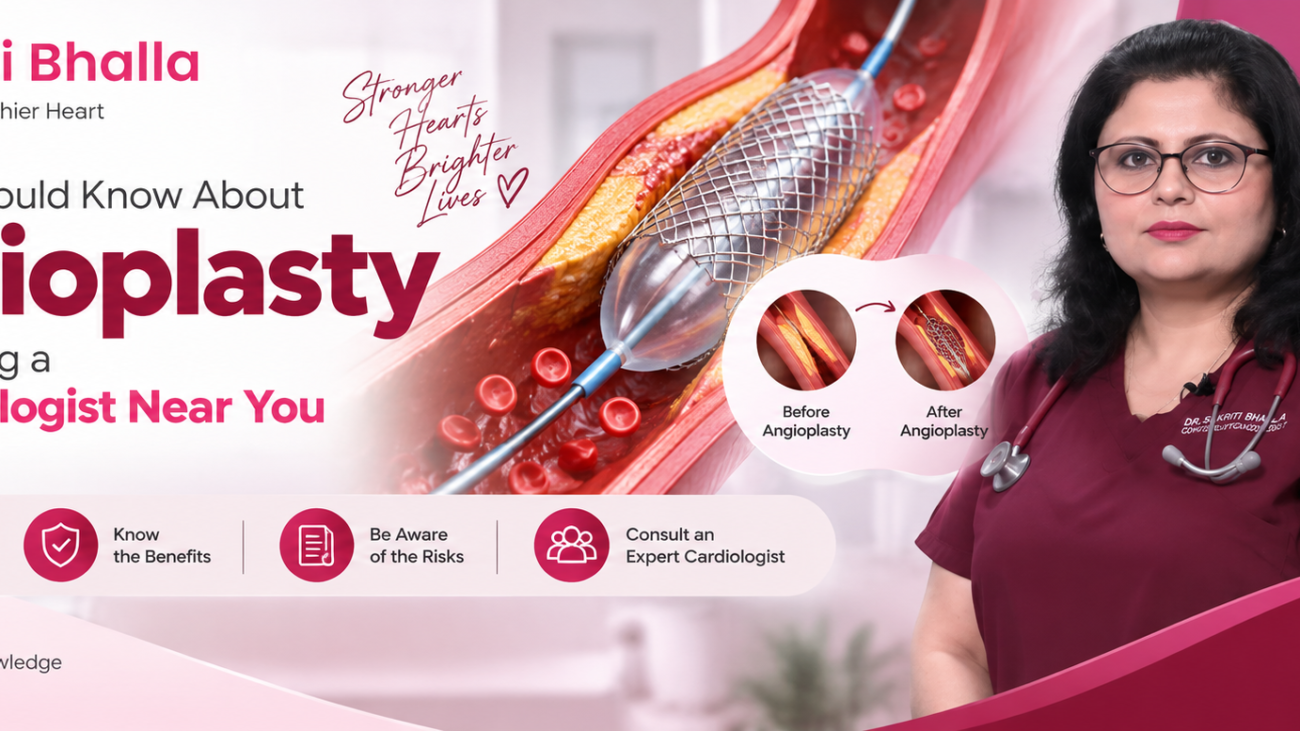
During angioplasty, a thin catheter with a small balloon at its tip is inserted into a blood vessel, usually through the wrist or groin. Once the catheter reaches the blocked artery, the balloon is inflated to widen the artery and restore proper blood circulation. In many cases, a stent is also placed to keep the artery open permanently.

Patients often require angioplasty when medication and lifestyle changes are no longer enough to control symptoms. The procedure is widely recommended because it offers quicker recovery compared to open-heart surgery and effectively reduces the risk of future cardiac complications.

The best cardiologist in Rajouri Garden has made angioplasty safer and more efficient than ever before. With advanced imaging technology and expert monitoring, patients can undergo treatment with minimal discomfort and shorter hospital stays.

Benefits of Angioplasty According to the Best Cardiologist in Rajouri Garden

When performed by an experienced specialist, angioplasty provides several life-changing benefits for heart patients. Consulting the best cardiologist in Rajouri Garden for angioplasty treatment ensures that patients receive an accurate diagnosis, personalised care, and advanced treatment options.

Improved Blood Flow to the Heart

The primary benefit of angioplasty is restoring blood flow through blocked coronary arteries. Once circulation improves, the heart receives adequate oxygen and nutrients, reducing strain on the cardiovascular system.

Relief from Chest Pain

Many patients suffering from angina experience persistent chest pain or tightness during physical activity. Angioplasty helps eliminate these symptoms by improving circulation and reducing arterial blockage.

Reduced Risk of Heart Attack

Blocked arteries increase the likelihood of heart attacks. By reopening narrowed arteries, angioplasty lowers the chances of severe cardiac emergencies and supports long-term heart function.

Faster Recovery Time

Compared to bypass surgery, angioplasty involves smaller incisions and less trauma to the body. Most patients recover quickly and can resume normal activities within a short period.

Enhanced Quality of Life

Patients often notice improved energy levels, better exercise tolerance, and greater overall well-being after successful angioplasty. This contributes significantly to both physical and emotional health.

Best Heart Specialist in Delhi

Minimally Invasive Procedure

One of the biggest advantages is that angioplasty does not require major surgery. The procedure is performed using a catheter, making it safer for many patients, especially older adults.

Signs That You May Need Angioplasty

Heart conditions often develop gradually, and recognising early warning signs is essential for timely treatment. Consulting a specialist for advanced angioplasty treatment for blocked heart arteries can prevent complications and improve recovery outcomes.

Some common symptoms that may indicate blocked arteries include:


      • Persistent chest pain or pressure.

      • Shortness of breath during activity

      • Fatigue and weakness

      • Dizziness or fainting episodes

      • Pain radiating to the arms, neck, or jaw

      • Irregular heartbeat

      • Sudden sweating or nausea

    Certain risk factors also increase the likelihood of coronary artery disease, including smoking, diabetes, obesity, high cholesterol, hypertension, and a sedentary lifestyle.

    Patients experiencing these symptoms should seek immediate cardiac evaluation. Early diagnosis through ECGs, stress tests, echocardiograms, or angiography can help determine whether angioplasty is necessary.

    What to Expect During an Angioplasty Procedure

    Understanding the process can reduce anxiety and help patients prepare confidently for treatment. A typical angioplasty procedure is straightforward and performed under local anaesthesia.

    Initial Assessment

    Before the procedure, the best cardiologist in Rajouri Garden conducts a detailed evaluation of the patient’s heart condition. This may include blood tests, imaging scans, and angiography to identify the exact location of arterial blockage.

    Catheter Insertion

    A small incision is made in the wrist or groin, and a catheter is guided through the blood vessels towards the heart.

    Balloon Expansion

    Once the catheter reaches the blocked artery, the balloon inflates to compress plaque against the artery walls, creating more space for blood flow.

    Stent Placement

    In most cases, a stent is inserted to support the artery and prevent future narrowing. These stents may be medicated to reduce clot formation.

    Monitoring and Recovery

    After the procedure, patients are observed for a few hours or overnight. Most individuals experience noticeable symptom relief shortly afterwards.

    The procedure is considered highly successful and continues to save countless lives globally each year.

    Recovery Tips from the Best Cardiologist in Rajouri Garden

    Recovery after angioplasty plays a crucial role in maintaining long-term heart health. Following the guidance of the best cardiologist in Rajouri Garden for heart blockage treatment can significantly reduce the risk of future complications.

    Follow Medication Instructions Carefully

    Patients are usually prescribed blood thinners, cholesterol-lowering medications, or blood pressure medicines after angioplasty. Taking these medications consistently is essential.

    Adopt a Heart-Healthy Diet

    A balanced diet low in saturated fats, sugar, and salt supports cardiovascular recovery. Include fruits, vegetables, lean proteins, and whole grains in daily meals.

    Engage in Moderate Physical Activity

    Regular exercise improves circulation, strengthens the heart, and helps maintain a healthy weight. Walking and light aerobic activities are often recommended initially.

    Quit Smoking and Limit Alcohol

    Smoking damages blood vessels and increases the risk of recurring blockages. Avoiding tobacco products is critical for long-term heart health.

    Attend Regular Follow-Ups

    Routine cardiac check-ups allow the best heart specialist in Delhi to monitor recovery and identify potential concerns early. Follow-up visits also help optimise medications and lifestyle plans.

    Manage Stress Effectively

    Stress can negatively impact heart health. Techniques such as meditation, yoga, and deep breathing exercises may help reduce anxiety and support overall well-being.

    Importance of Choosing the Best Cardiologist in Rajouri Garden

    Cardiac procedures require precision, expertise, and comprehensive patient care. Selecting an experienced cardiologist ensures accurate diagnosis, effective treatment planning, and better recovery outcomes.

    The best cardiologist in Rajouri Garden not only performs angioplasty safely but also guides patients through preventive care strategies. From risk assessment to post-procedure rehabilitation, expert supervision can greatly improve patient confidence and long-term cardiovascular health.

    Patients should look for specialists who offer modern diagnostic facilities, patient-centred treatment approaches, and extensive experience in interventional cardiology. Early intervention and personalised care can make a substantial difference in managing heart disease successfully.

    Lifestyle Changes to Prevent Future Heart Problems

    While angioplasty restores blood flow, maintaining heart health requires long-term commitment. Patients can reduce future cardiac risks through healthier lifestyle habits.

    Important preventive measures include:


        • Maintaining healthy cholesterol and blood pressure levels.

        • Exercising regularly

        • Eating nutrient-rich meals

        • Managing diabetes effectively

        • Getting sufficient sleep

        • Reducing stress

        • Avoiding smoking and tobacco products

      Preventive cardiac care from the best cardiologist in Rajouri Garden is equally important as treatment. Consistent lifestyle improvements can enhance heart function and reduce the likelihood of recurring arterial blockages.

      Conclusion

      Angioplasty has transformed the treatment of coronary artery disease by offering a safe, minimally invasive, and highly effective solution for restoring healthy blood flow to the heart. From relieving chest pain to preventing heart attacks, the procedure significantly improves both survival rates and quality of life for heart patients. Timely diagnosis, expert medical guidance, and long-term lifestyle management remain essential for successful outcomes.

      For those seeking expert cardiac care, they can trust us at Dr Sukriti Bhalla. We are recognised for comprehensive heart treatment, personalised patient care, and advanced cardiology solutions. Consulting our experienced specialist can make all the difference in achieving better heart health and long-term well-being.

      Indian Silk House

      Early Symptoms You Should Never Ignore According to the Best Thyroid Doctor in Delhi

      Thyroid disorders are becoming increasingly common across all age groups, yet many people fail to recognise the warning signs until the condition begins affecting their overall quality of life. According to the best thyroid doctor in Delhi, early diagnosis plays a vital role in preventing complications linked to thyroid imbalance. The thyroid gland may be small, but it controls several critical bodily functions, including metabolism, energy levels, heart rate, mood, and hormonal balance.

      Best Thyroid doctor in Delhi

      Unfortunately, thyroid symptoms are often subtle and mistaken for stress, ageing, lifestyle changes, or nutritional deficiencies. Persistent fatigue, sudden weight fluctuations, mood swings, hair thinning, or irregular menstrual cycles may appear harmless initially, but they can indicate an underlying thyroid disorder requiring medical attention.

      This article explores the key symptoms you should never ignore and explains when a professional thyroid evaluation becomes essential for maintaining long-term health and well-being.

      Understanding Thyroid Disorders and Their Impact on Health with the Best Thyroid Doctor in Delhi​

      The thyroid gland is a butterfly-shaped gland located in the front of the neck. It produces hormones that regulate metabolism, body temperature, digestion, and energy production. When the thyroid produces either too much or too little hormone, several body systems are affected.

      The two most common thyroid disorders include:

      • Hypothyroidism (underactive thyroid)
      • Hyperthyroidism (overactive thyroid)

      Both conditions can significantly impact physical and emotional health if left untreated. In many cases, symptoms develop gradually, making them difficult to identify in the early stages.

      Some individuals are also at greater risk of thyroid disease, including:

      • Women above 30 years of age
      • Individuals with a family history of thyroid disorders
      • People suffering from autoimmune conditions
      • Patients with diabetes or hormonal imbalances
      • Individuals experiencing chronic stress

      Seeking help from the best thyroid doctor in Delhi​ becomes essential when symptoms persist without explanation.

      Early Warning Signs Identified by the Best Thyroid Doctor in Delhi

      Recognising thyroid symptoms early can help prevent severe hormonal disturbances and improve treatment outcomes. Many patients ignore mild discomforts, assuming they are temporary lifestyle-related issues.

      Persistent Fatigue and Low Energy

      One of the earliest signs of thyroid imbalance is unusual tiredness. Even after adequate sleep, individuals may feel exhausted throughout the day. An underactive thyroid slows down metabolism, causing low energy production.

      Symptoms may include:

      • Constant lethargy
      • Difficulty concentrating
      • Reduced productivity
      • Daytime sleepiness

      This symptom is commonly linked with early signs of hypothyroidism in adults and should not be ignored when persistent.

      Unexplained Weight Changes

      Sudden weight gain or weight loss without changes in diet or exercise may indicate thyroid dysfunction.

      • Hypothyroidism often leads to weight gain due to slower metabolism
      • Hyperthyroidism may cause rapid weight loss despite increased appetite

      If body weight fluctuates unexpectedly over a short period, thyroid testing becomes necessary.

      Interventional cardiologist near me

      Hair Thinning and Dry Skin

      The thyroid gland plays an important role in maintaining healthy skin and hair growth. Hormonal imbalance may reduce blood circulation and nutrient delivery to hair follicles and skin tissues.

      Common symptoms include:

      • Hair fall or thinning hair
      • Dry, rough skin
      • Brittle nails
      • Puffy face

      Many individuals overlook these cosmetic symptoms without realising they may signal deeper endocrine issues.

      Why the Best Thyroid Doctor in Delhi Recommends Early Diagnosis

      Early diagnosis from the best thyroid doctor in Delhi​ is critical because untreated thyroid disorders can gradually affect multiple organs and body systems. Delayed treatment may increase the risk of severe complications.

      Hormonal Imbalance Can Affect Mental Health

      Thyroid hormones directly influence brain function and emotional well-being. Imbalanced hormone levels may trigger:

      • Anxiety
      • Depression
      • Irritability
      • Mood swings
      • Memory issues

      Many patients initially seek psychiatric treatment without identifying the thyroid disorder causing these symptoms.

      Thyroid Disorders May Affect Heart Health

      An untreated thyroid condition can increase strain on the cardiovascular system. Hyperthyroidism may lead to rapid heartbeat and palpitations, while hypothyroidism may increase cholesterol levels and blood pressure.

      Ignoring these warning signs may eventually raise the risk of:

      • Heart disease
      • Irregular heartbeat
      • Hypertension
      • Poor circulation

      This highlights the importance of consulting a specialist for thyroid treatment for unexplained fatigue and weight gain.

      Fertility and Menstrual Problems

      Women commonly experience reproductive health complications due to thyroid imbalance.

      Symptoms may include:

      • Irregular menstrual cycles
      • Heavy periods
      • Difficulty conceiving
      • Increased miscarriage risk

      Timely medical intervention from the best thyroid doctor in Delhi​ can help restore hormonal balance and improve reproductive health outcomes.

      Symptoms of Hyperthyroidism You Should Never Ignore

      Hyperthyroidism occurs when the thyroid gland becomes overactive and produces excessive hormones. This condition accelerates metabolism and can affect multiple body functions.

      Rapid Heartbeat and Palpitations

      One of the most concerning symptoms is an unusually fast or irregular heartbeat. Patients may feel chest discomfort, anxiety, or excessive sweating even while resting.

      Increased Appetite With Weight Loss

      Despite eating normally or more than usual, many individuals lose weight rapidly because the body burns energy too quickly.

      Tremors and Nervousness

      Patients may experience:

      • Shaking hands
      • Restlessness
      • Difficulty sleeping
      • Increased irritability

      These symptoms are often confused with stress-related disorders.

      Heat Intolerance

      People with hyperthyroidism frequently feel overheated even in cool environments. Excessive sweating and sensitivity to warm temperatures are common signs.

      Anyone experiencing these symptoms should seek evaluation for specialist care for hyperthyroidism symptoms in Delhi before complications develop.

      Common Signs of Hypothyroidism That Often Go Unnoticed

      Hypothyroidism develops gradually, which makes it difficult for many individuals to identify the condition early.

      Constipation and Slow Digestion

      Reduced thyroid hormone levels slow digestive function, leading to persistent constipation and bloating.

      Cold Sensitivity

      People with hypothyroidism often feel unusually cold because metabolism slows down and reduces body heat production.

      Muscle Weakness and Joint Pain

      Low thyroid hormone levels may affect muscles and joints, causing:

      • Muscle cramps
      • Stiffness
      • Body aches
      • Reduced physical strength

      Slow Heart Rate

      An underactive thyroid may reduce heart rate and lower circulation efficiency, contributing to fatigue and weakness.

      These symptoms are commonly associated with the best treatment options for hypothyroidism in Delhi and should never be dismissed as normal ageing.

      Lifestyle Factors That Can Worsen Thyroid Health

      While some thyroid conditions are genetic or autoimmune, lifestyle factors can also contribute to hormonal imbalance.

      Poor Diet Choices

      Deficiencies in iodine, selenium, and zinc may negatively affect thyroid function.

      Chronic Stress

      Long-term stress impacts hormone production and may worsen thyroid-related symptoms over time.

      Lack of Sleep

      Inadequate sleep disrupts hormonal regulation and weakens metabolic function.

      Sedentary Lifestyle

      Low physical activity levels may worsen fatigue, weight gain, and poor circulation associated with thyroid disorders.

      Maintaining healthy daily habits can support medical treatment and improve thyroid health outcomes.

      When Should You Consult the Best Thyroid Doctor in Delhi​

      Many people delay consultation because symptoms appear mild initially. However, persistent changes in physical or emotional health should never be ignored.

      You should seek medical evaluation with an interventional cardiologist near me if you experience:

      • Ongoing fatigue for several weeks
      • Sudden weight changes
      • Persistent hair loss
      • Anxiety or depression without a clear cause
      • Menstrual irregularities
      • Neck swelling or discomfort
      • Heart palpitations

      Timely diagnosis can help prevent long-term complications and improve overall quality of life significantly.

      Conclusion

      Thyroid disorders often develop silently, with symptoms that can easily be mistaken for stress, fatigue, or routine lifestyle changes. However, ignoring persistent warning signs may lead to serious complications affecting metabolism, heart health, fertility, emotional well-being, and overall quality of life. Early recognition and timely medical intervention remain the most effective ways to manage thyroid conditions successfully.

      If you are experiencing ongoing symptoms such as unexplained weight changes, fatigue, hair loss, mood disturbances, or hormonal imbalance, consulting the best thyroid doctor in Delhi​  is essential. For expert diagnosis and personalised care, visit us now at Dr. Sukriti Bhalla for professional thyroid evaluation and treatment support.

      dr sukriti bhalla

      Best Cardiologist in Delhi: Top Heart Doctors & Cardiology Hospitals (2026 Guide)

      Finding the best cardiologist in Delhi is crucial for anyone dealing with heart-related concerns, whether it is routine cardiac screening, advanced interventional procedures, or emergency care. Delhi has emerged as a major healthcare hub in India, offering world-class cardiac facilities, highly experienced doctors, and cutting-edge medical technology. 

      Best Cardiologist In Delhi

      With increasing cases of hypertension, heart disease, and lifestyle-related cardiac conditions, choosing the right specialist can make a significant difference in treatment outcomes and long-term heart health. Looking for the best cardiologist in Delhi or Dwarka? Discover top cardiologist doctors, interventional specialists, and leading heart hospitals in Delhi NCR to get the right treatment with confidence. 

      Patients today seek not only expertise but also personalised care, transparent treatment plans, and access to advanced procedures such as angioplasty, bypass surgery, and minimally invasive interventions. From reputed private hospitals to specialised cardiac centres, Delhi offers a wide range of options for heart care.

      This 2026 guide explores top heart doctors, leading hospitals, treatment services, and practical tips to help you select the most suitable cardiologist for your needs.

      Why Choosing the Best Cardiologist in Delhi Matters

      Heart diseases require precise diagnosis, timely treatment, and continuous monitoring. Selecting the best cardiologist doctor in Delhi ensures that patients receive evidence-based care, accurate diagnosis, and access to modern cardiac procedures.

      A skilled cardiologist can identify early warning signs of heart disease and create a personalised treatment plan that suits the patient’s lifestyle and medical condition. From managing cholesterol and blood pressure to treating complex cardiac disorders, the right specialist provides comprehensive support throughout the treatment journey.

      Delhi’s healthcare infrastructure includes internationally trained cardiologists and advanced diagnostic technologies such as echocardiography, cardiac MRI, CT angiography, and catheterisation labs. This makes the city a preferred destination for patients seeking reliable cardiac treatment.

      Many patients specifically look for the best cardiologist in Dwarka due to the growing number of multi-speciality hospitals and modern clinics in the region. Dwarka has become a convenient healthcare hub for residents of West Delhi and nearby NCR areas, offering quality cardiac services with easy accessibility.

      In addition, Delhi’s cardiac specialists collaborate with surgeons, physicians, and rehabilitation experts, ensuring holistic care and improved recovery outcomes.

      Key Factors to Consider When Selecting the Best Cardiologist in Delhi

      Choosing a cardiologist should not be based solely on reputation. Patients should carefully assess several key factors before making their final decision.

      Experience and qualifications play a major role in determining the effectiveness of treatment. Cardiologists with years of clinical practice and specialised training in interventional cardiology are better equipped to handle complex heart conditions.

      Hospital affiliation is another essential aspect. A doctor associated with a reputed cardiology hospital in Delhi usually has access to advanced equipment, emergency care units, and surgical support.

      Patient reviews and success rates also provide valuable insights into the quality of treatment. Positive feedback from previous patients indicates trust, professionalism, and consistent results.

      Location and accessibility matter as well. Patients often prefer specialists located in central areas or near their residences, especially for follow-up visits and regular consultations.

      Finally, communication and patient care should be considered. A good cardiologist explains treatment options clearly, answers queries patiently, and ensures that patients feel comfortable throughout the process.

      Leading Cardiology Hospital for Advanced Heart Treatment

      Delhi is known as a renowned cardiac centres which provide advanced treatment and world-class facilities. These hospitals are known for their skilled teams, modern infrastructure, and high success rates.

      Many top cardiologists in Delhi India work in multi-speciality hospitals that offer complete cardiac care, including diagnostics, intervention, surgery, and rehabilitation. These hospitals focus on patient safety, advanced technology, and personalised treatment plans.

      Patients searching for heart treatment in Delhi India can access services such as angiography, angioplasty, bypass surgery, pacemaker implantation, valve replacement, and heart failure management. The presence of advanced intensive care units and emergency cardiac teams ensures a quick response in critical situations.

      Delhi’s healthcare system also supports patients from neighbouring regions. People often travel to consult cardiologist in Delhi Noida or cardiologist in Gurgaon, as these NCR areas are well connected and provide access to leading cardiac facilities.

      Furthermore, hospitals maintain strict international protocols, ensuring hygiene, safety, and high-quality treatment standards for both domestic and international patients.

      Modern Cardiology Services Available in Delhi

      The field of cardiology has evolved significantly in recent years, and Delhi has kept pace with these advancements. Today, patients can benefit from minimally invasive procedures, faster recovery times, and improved success rates.

      The presence of the best interventional cardiologist in Delhi allows patients to undergo procedures such as angioplasty, stent placement, and catheter-based interventions with minimal risk and shorter hospital stays.

      Advanced cardiac imaging techniques help doctors detect heart problems at an early stage, allowing preventive care and timely treatment. Preventive cardiology services such as stress tests, lipid profiling, and heart health screening are widely available.

      For complex cases, collaboration between cardiologists and the best heart surgeon in Delhi ensures comprehensive care. This teamwork is essential for procedures like coronary artery bypass grafting and valve replacement surgeries.

      Patients also benefit from post-treatment rehabilitation programmes, including dietary counselling, physiotherapy, and lifestyle modification plans that improve long-term heart health and reduce the risk of recurrence.

      How to Find the Best Cardiologist in Delhi: A Complete Patient Guide

      Best Cardiologist doctor in Delhi

      Finding the best cardiologist near me Delhi has become easier with digital healthcare platforms and online appointment systems. Patients can search for specialists based on location, experience, and patient reviews.

      Many healthcare portals provide detailed profiles of doctors, including qualifications, areas of expertise, and consultation availability. This helps patients compare options and select from the best cardiologists in Delhi NCR.

      Another useful approach is seeking recommendations from general physicians, family members, or friends who have undergone cardiac treatment. Personal recommendations often help patients find trusted and dependable specialists.

      Checking whether the doctor is listed among the top 10 cardiologists in Delhi can also be helpful, as it reflects recognition and credibility within the medical community.

      Additionally, patients should ensure that the cardiologist offers comprehensive services, including diagnosis, treatment, and follow-up care, to maintain continuity and convenience throughout the treatment journey.

      Final Thoughts

      Choosing the best cardiologist in Delhi is essential for effective diagnosis, treatment, and long-term heart health. Delhi offers a wide network of experienced specialists, advanced hospitals, and modern treatment facilities, making it one of the best destinations for cardiac care in India. Patients should focus on experience, hospital infrastructure, and personalised treatment approaches while selecting a heart specialist.

      For those seeking expert cardiac care with a patient-centred approach, you can trust us at Dr Sukriti Bhalla. With a strong commitment to advanced treatment and compassionate care, patients can explore our professional cardiac services and consultations, ensuring reliable and high-quality heart care in Delhi.

      Frequently Asked Questions (FAQs)

      1. How do I choose the best cardiologist in Delhi?

      Look for qualifications, experience, hospital affiliation, patient reviews, and treatment specialisation. A cardiologist who offers personalised care, clear communication, and advanced diagnostic facilities is usually the best choice.

      2. Which area in Delhi has the best cardiology services?

      Dwarka, Central Delhi, and NCR regions like Noida and Gurgaon offer excellent cardiac facilities with modern hospitals, experienced specialists, and advanced diagnostic and treatment technologies for heart patients.

      3. When should I consult a cardiologist?

      Consult a cardiologist if you experience chest pain, breathlessness, irregular heartbeat, high blood pressure, or a family history of heart disease. Early diagnosis helps prevent serious complications and improves treatment outcomes.

      4. Are cardiology treatments in Delhi affordable?

      Yes, Delhi offers a wide range of treatment options, from government hospitals to private centres, allowing patients to choose affordable cardiac care without compromising on quality and advanced medical technology.

      5. What treatments do cardiologists in Delhi commonly provide?

      Cardiologists in Delhi provide angiography, angioplasty, bypass surgery, pacemaker implantation, valve replacement, heart failure management, and preventive cardiac screening, ensuring complete care for various heart-related conditions.

      Dr Sukriti Bhalla

      Best Cardiologist Doctor in Delhi 2026: Expert Guide

      Heart health has become a growing concern in modern urban life, especially in fast-paced cities like Delhi, where stress, sedentary lifestyles, and dietary habits contribute to increasing cardiac risks. Finding the best cardiologist doctor in Delhi is essential for timely diagnosis, preventive care, and advanced treatment. 

      Best cardiologist doctor in Delhi

      Whether you are dealing with chest pain, high blood pressure, irregular heartbeat, or need regular heart check-ups, consulting a qualified cardiologist ensures accurate medical guidance and effective treatment. 

      Looking for the best cardiologist doctor in Delhi? Discover top heart specialists, leading hospitals, treatment options, consultation fees, and expert tips to choose the right cardiologist in Delhi. 

      Delhi is home to some of India’s most experienced cardiologists and world-class medical facilities offering cutting-edge cardiac care. From routine ECG and stress tests to complex heart surgeries and interventional cardiology procedures, patients have access to comprehensive treatment options. 

      This guide will help you understand how to choose the right cardiologist, explore the top hospitals, review consultation fees, and learn what to expect from heart treatment in 2026.

      Why Selecting the Best Cardiologist Doctor in Delhi Matters

      Heart diseases require accurate diagnosis, advanced technology, and experienced medical professionals. Selecting the right cardiologist can significantly improve treatment outcomes and reduce health risks. A skilled specialist not only treats existing conditions but also focuses on preventive cardiology to avoid future complications.

      The heart specialist doctor in Delhi you choose should have strong clinical experience, proper certifications, and access to modern medical infrastructure. Cardiologists in Delhi are trained in managing conditions such as coronary artery disease, hypertension, heart failure, arrhythmia, and congenital heart disorders.

      Moreover, the best cardiologist in Delhi NCR typically follows a patient-centred approach, offering personalised treatment plans based on medical history, lifestyle, and diagnostic results. This ensures better recovery and long-term heart health management.

      Best Cardiologist Doctor in Delhi and Leading Hospitals

      Delhi is known for its advanced healthcare system and internationally recognised cardiac centres. Patients seeking the top cardiologist in Delhi often look for hospitals with modern facilities and experienced specialists.

      Some well-known cardiology hospitals in Delhi provide advanced services such as angioplasty, bypass surgery, pacemaker implantation, and cardiac rehabilitation. Hospitals equipped with modern diagnostic tools and emergency cardiac units ensure quick and efficient treatment.

      Many patients search for the best cardiologist in AIIMS Delhi due to the institution’s reputation for affordable and high-quality care. Similarly, private healthcare institutions offer premium services and personalised treatment plans.

      Choosing the right cardiologist hospital in Delhi depends on factors such as doctor experience, treatment success rate, hospital infrastructure, and patient reviews. A well-equipped hospital ensures safety, accuracy, and better recovery outcomes.

      Get Advanced Cardiac Treatment in Delhi

      Modern cardiac care requires advanced infrastructure and specialised treatment facilities. The best cardiology hospital Delhi offers comprehensive diagnostic and treatment services under one roof, ensuring convenience and efficiency for patients.

      Advanced heart treatment in Delhi includes non-invasive tests like ECG, echocardiography, and stress tests, as well as interventional procedures such as angiography and stent placement. Hospitals also provide cardiac surgery, rehabilitation, and preventive health programmes.

      Patients looking for the best heart specialist in Delhi should consider hospitals that offer multidisciplinary care, including dieticians, physiotherapists, and cardiac rehabilitation experts. This integrated approach improves patient recovery and long-term heart health.

      Technology-driven healthcare, including robotic surgery and minimally invasive procedures, has further improved treatment success rates in Delhi’s top cardiology centres.

      Cardiologist Consultation Fees and Appointment Guide

      Understanding cardiologist consultation fees Delhi helps patients plan their medical expenses effectively. Consultation charges vary depending on the doctor’s experience, hospital reputation, and type of treatment required.

      Generally, consultation fees in Delhi range from moderate to premium, depending on the specialist and facility. Senior cardiologists in reputed hospitals may charge higher fees, while government hospitals offer affordable options.

      Patients searching for a cardiologist near me Delhi can easily book appointments online or through hospital portals. Many hospitals now provide teleconsultation services, allowing patients to consult cardiologists remotely.

      It is advisable to check appointment availability, consultation charges, and treatment packages before scheduling a visit. Early consultation helps in timely diagnosis and reduces the risk of serious heart complications.

      Best Heart Surgeon and Best Cardiologist Doctor in Delhi

      Private hospitals in Delhi have some of the most experienced cardiac specialists in India. Many patients prefer consulting the top cardiologist in Apollo Hospital Delhi due to advanced facilities and personalised care.

      Apollo and other leading hospitals also house the best heart surgeon in Delhi, specialising in complex procedures such as bypass surgery, valve replacement, and minimally invasive heart surgery. These surgeons work with multidisciplinary teams to ensure high success rates.

      Best cardiologist in Delhi

      Experienced surgeons and cardiologists collaborate to provide accurate diagnosis, treatment planning, and post-surgery care. This teamwork improves patient safety and recovery time.

      When selecting a cardiologist or surgeon, patients should consider qualifications, years of experience, patient feedback, and hospital infrastructure to make an informed decision.

      How to Choose the Best Cardiologist

      Selecting the best cardiologist in Delhi requires careful evaluation of several factors. Patients should look for board-certified doctors with strong clinical experience and a proven track record in treating heart conditions.

      Check patient reviews, hospital affiliations, and treatment success rates before making a decision. It is also important to consider communication skills, as a good cardiologist explains medical conditions clearly and provides practical guidance.

      Accessibility and follow-up care are equally important. Choosing a cardiologist who offers regular monitoring and long-term care ensures better heart health management.

      Additionally, patients should prioritise doctors who focus on preventive cardiology, lifestyle management, and early detection of heart diseases to reduce future health risks.

      Conclusion

      Finding the best cardiologist doctor in Delhi is crucial for maintaining heart health and ensuring timely treatment. From experienced specialists and advanced hospitals to affordable consultation options and modern treatment facilities, patients have access to comprehensive cardiac care. 

      Choosing a qualified cardiologist with strong expertise and patient-focused care can significantly improve treatment outcomes and long-term heart health.

      For expert cardiac consultation and personalised heart care, consider us at DR Sukriti Bhalla. Our team of experience professional provide relevant guidance and advanced cardiology support in Delhi. To learn more about our services, visit our website now. 

      Frequently Asked Questions (FAQs)

      1. How do I find the best cardiologist in Delhi?

      Look for qualifications, experience, hospital affiliation, patient reviews, and treatment success rates. Choosing a certified cardiologist with advanced facilities ensures accurate diagnosis and effective heart care

      2. What are the average cardiologist consultation fees in Delhi?

      Cardiologist consultation fees in Delhi typically range, depending on hospital reputation, doctor experience, and type of consultation, including in-person or teleconsultation services.

      3. Which hospital is best for cardiac treatment in Delhi?

      Delhi has several reputed cardiology hospitals offering advanced treatments, modern technology, and experienced specialists, making it important to choose based on infrastructure, expertise, and patient reviews.

      4. When should I consult a heart specialist in Delhi?

      You should consult a cardiologist if you experience chest pain, breathlessness, irregular heartbeat, high blood pressure, dizziness, or a family history of heart disease or cardiac complications

      5. Are cardiology hospitals across Delhi equipped with advanced technology?

      Yes, most leading cardiology hospitals provide modern diagnostic tools, minimally invasive procedures, robotic surgeries, and advanced cardiac care units for accurate treatment and improved recovery outcomes.

      dr sukritibhalla

      Best Cardiologist in Delhi: Top Heart Specialists & Care

      Looking for the best cardiologist in Delhi? Discover top heart doctors, leading hospitals, and advanced treatment options for heart disease, angioplasty, and cardiac surgery in Delhi NCR. With rising cases of heart-related conditions, choosing the right specialist is crucial for timely diagnosis and effective treatment. 

      best cardiologist in Delhi

      The best cardiologist offers expertise in managing complex cardiac issues using modern technology and personalised care. From preventive cardiology to life-saving procedures, Delhi is home to some of the finest heart specialists and world-class healthcare facilities, making it a preferred destination for cardiac care across India.

      Why Selecting the Best Cardiologist in Delhi Is Important

      Your heart health is extremely important for you, and therefore, you should never take it lightly. The right cardiologist can make a significant difference in early diagnosis, treatment success, and long-term recovery. The best heart specialist in Delhi is equipped with advanced knowledge and experience to treat a wide range of conditions, including coronary artery disease, arrhythmias, and heart failure.

      Delhi’s healthcare system is known for its cutting-edge technology and internationally trained doctors. Many specialists here are recognised as the top cardiologist in Delhi NCR, offering comprehensive care that includes diagnosis, treatment, and rehabilitation.

      Patients benefit from:

      • Advanced diagnostic tools
      • Minimally invasive procedures
      • Personalised treatment plans
      • Access to multidisciplinary teams

      Choosing the right doctor ensures better outcomes and peace of mind for both patients and their families.

      Best Cardiologist in Delhi and Their Expertise

      Delhi is home to some of the most experienced cardiologists in India. These professionals specialise in various branches of cardiology, ensuring that patients receive targeted care based on their condition.

      Interventional Cardiologists

      The best interventional cardiologist in Delhi specialises in procedures like angioplasty and stent placement. These minimally invasive techniques help restore blood flow without major surgery.

      Cardiac Surgeons

      For more complex conditions, the best heart surgeon in Delhi performs surgeries such as bypass surgery, valve replacement, and heart transplants. Their expertise is critical in life-threatening situations.

      Preventive Cardiologists

      Preventive care is equally important. Specialists focus on lifestyle management, early detection, and reducing risk factors such as high blood pressure, diabetes, and cholesterol.

      Many patients today actively search for the best heart specialist in Delhi who can provide holistic care, from prevention to advanced treatment, under one roof.

      Best Hospitals for Advanced Cardiac Care in Delhi

      Best Heart Specialist in Delhi

      Delhi is home to some of the most reputed hospitals, offering world-class cardiac care. These institutions are equipped with modern infrastructure and highly skilled medical teams.

      Key features of top cardiac hospitals include:

      • State-of-the-art catheterisation labs
      • Advanced imaging technologies play a vital role in accurate diagnosis
      • 24/7 emergency cardiac services
      • Dedicated cardiac intensive care units (ICUs)

      These hospitals provide access to advanced cardiac care hospitals in Delhi NCR for angioplasty and bypass surgery, ensuring that patients receive timely and effective treatment.

      Additionally, many hospitals follow international treatment protocols, making Delhi a preferred destination for both domestic and international patients seeking high-quality cardiac care.

      Advanced Cardiac Treatments Available in Delhi

      Modern cardiology has evolved significantly, offering less invasive and more effective treatment options. The best cardiologist in Delhi uses advanced techniques to ensure faster recovery and improved outcomes.

      Angioplasty and Stenting

      A common procedure used to open blocked arteries, angioplasty, is minimally invasive and often performed by interventional cardiologists.

      Coronary Artery Bypass Surgery (CABG)

      This surgical procedure is recommended for severe blockages and is performed by experienced cardiac surgeons.

      Electrophysiology Procedures

      Used to treat irregular heart rhythms, these procedures include pacemaker implantation and ablation therapy.

      Heart Failure Management

      Comprehensive programmes focus on medication, lifestyle changes, and advanced therapies to improve quality of life.

      Patients looking for affordable heart treatment in Delhi with experienced cardiologists can benefit from a wide range of options tailored to different budgets and medical needs.

      Strategies and Possible Ways to Find the Best Cardiologist in Delhi

      Selecting the right cardiologist requires careful consideration of several factors:

      Qualifications and Experience

      Look for doctors with recognised degrees and years of experience in treating cardiac conditions.

      Specialisation

      Choose a specialist based on your specific condition, whether it requires intervention, surgery, or preventive care.

      Hospital Affiliation

      Doctors associated with reputed hospitals often have access to better facilities and support systems.

      Patient Reviews

      Feedback from other patients can provide valuable insights into the doctor’s approach and success rate.

      Accessibility

      Ensure to consider factors such as location, appointment availability, and follow-up care options when making your decision.

      Many patients today search for how to find the best cardiologist in Delhi for heart problems to ensure they receive expert care tailored to their needs.

      Importance of Early Diagnosis and Preventive Care

      Heart diseases often develop silently, making early detection essential. Regular check-ups and screenings can help identify risk factors before they become serious.

      Preventive measures include:

      • Maintaining a healthy diet
      • Regular physical activity
      • Managing stress
      • Avoiding smoking and excessive alcohol use

      The best cardiologist in Delhi for heart disease diagnosis and treatment emphasises preventive care as a key component of long-term heart health.

      By taking proactive steps, individuals can significantly reduce their risk of developing severe cardiac conditions.

      End Thoughts

      Finding the right cardiologist is essential for maintaining good heart health and receiving timely treatment. With access to highly skilled doctors, modern hospitals, and advanced procedures, Delhi stands out as a leading destination for cardiac care.If you are seeking expert consultation and compassionate care, consider visiting us at Dr Sukriti Bhalla. To learn more about us, visit our website today.

      Frequently Asked Questions (FAQs)

      1. Who is considered the best cardiologist in Delhi?

      The best cardiologist in Delhi is one with extensive experience, strong patient reviews, and expertise in treating various heart conditions using advanced diagnostic and treatment techniques.

      2. How do I choose a cardiologist in Delhi NCR?

      Check qualifications, hospital affiliation, patient feedback, and specialisation. A top cardiologist should offer personalised care and have experience handling complex cardiac cases effectively.

      3. What treatments do cardiologists in Delhi offer?

      Cardiologists in Delhi provide treatments like angioplasty, bypass surgery, pacemaker implantation, and preventive care for conditions such as hypertension, heart failure, and coronary artery disease

      4. Are cardiac treatments in Delhi affordable?

      Yes, Delhi offers a range of affordable to premium cardiac treatments. Many hospitals provide cost-effective packages without compromising on quality or advanced medical care.

      5. When should I consult a heart specialist?

      Consult a heart specialist if you experience chest pain, shortness of breath, irregular heartbeat, or have risk factors like diabetes, high blood pressure, or a family history of heart disease.

      dr sukriti bhalla

      Heart Care Matters: Best Cardiologist in Delhi Guide

      best cardiologist in Delhi

      Heart health is the cornerstone of overall well-being. With the rise of lifestyle-related conditions, finding the best cardiologist in Delhi has become increasingly important for timely diagnosis, treatment, and prevention of heart diseases. From managing high blood pressure and cholesterol to advanced interventions for coronary artery disease, the right cardiologist can significantly improve your quality of life.

      Delhi, being a hub for medical excellence, is home to numerous experienced specialists. However, locating the top cardiologist or the best cardiologist in Delhi NCR requires careful consideration of expertise, experience, patient outcomes, and hospital facilities. Whether you are looking for preventive care, interventional cardiology, or complex heart surgery, a reliable specialist ensures personalised treatment and ongoing guidance for long-term heart health.

      Choosing the right professional not only addresses current cardiac concerns but also prevents potential complications in the future. From lifestyle counselling to cutting-edge procedures, consulting the best cardiologist can make a life-changing difference. In this article, we explore why expert heart care matters, highlight top cardiologists and hospitals, and offer guidance on making an informed decision.

      Top Cardiologist in Delhi NCR

      Delhi NCR hosts some of the most reputed cardiologists in India. These specialists offer a combination of extensive experience, modern medical technology, and personalised care. Whether you require non-invasive procedures, interventional cardiology, or preventive heart check-ups, the top cardiologist in Delhi ensures that treatment is tailored to your unique needs.

      Many cardiologists have trained at prestigious institutions and regularly handle complex cardiac cases. Their expertise spans diagnostic testing, angioplasty, stent placements, pacemaker implantation, and management of chronic heart conditions. Patients benefit from evidence-based care that not only addresses immediate issues but also reduces long-term cardiovascular risks.

      Choosing a top cardiologist means access to comprehensive care, including lifestyle modification advice, diet counselling, and early detection of heart disease. This holistic approach is what sets leading specialists apart from general practitioners.

      Top 10 Cardiologists in Delhi

      For patients seeking highly reputable care, the top 10 cardiologists in Delhi list provides guidance on specialists known for exceptional skills and patient outcomes. These professionals are recognised for their ability to handle complex cardiac procedures while maintaining personalised attention.

      Factors considered when identifying cardiologists in Delhi include:

          • Years of experience in cardiology and interventional procedures

          • Success rates of surgeries and interventions

          • Patient reviews and testimonials

          • Recognition in medical boards and associations

          • Affiliation with leading cardiology hospitals in Delhi

        Consulting one of these top specialists ensures that patients receive cutting-edge care and benefit from the latest advancements in cardiology. They are often associated with premium facilities and high-standard cardiac care units.

        How to Choose the Best Cardiologist in Delhi

        Selecting the best cardiologist in Delhi can seem overwhelming due to the large number of specialists available. Considering a few key factors can make the decision much easier.

            1. Experience and Expertise: Ensure the cardiologist has specialised training in areas relevant to your condition. For example, for angioplasty or bypass surgery, seek an interventional cardiologist.

            1. Hospital Affiliation: Choosing a cardiologist linked to a reputed hospital guarantees access to advanced diagnostic and surgical facilities.

            1. Patient Feedback: Testimonials, reviews, and word-of-mouth recommendations can provide insight into the specialist’s approach and reliability.

            1. Accessibility and Location: Convenience matters for regular follow-ups; consider specialists in Delhi NCR or nearby areas.

            1. Comprehensive Care: The best cardiologist offers both preventive advice and advanced interventions, addressing both lifestyle management and clinical needs.

          By considering these factors, you can make an informed choice that ensures quality cardiac care and peace of mind.

          The Role of Preventive Cardiology in Long-Term Heart Health

          Preventive care is a vital aspect of maintaining a healthy heart, and consulting the best cardiologist in Delhi ensures that potential issues are identified before they become serious. Preventive cardiology focuses on risk assessment, lifestyle management, and early detection through routine screenings such as ECGs, echocardiograms, and blood tests.

          dr sukriti bhalla

          A specialist can provide personalised guidance on diet, exercise, and stress management, helping patients reduce the likelihood of heart disease. They also monitor risk factors such as high blood pressure, cholesterol, and diabetes, tailoring interventions to individual needs.

          By prioritising preventive cardiology, patients not only improve their long-term heart health but also reduce the risk of costly procedures in the future. Choosing the best cardiologist ensures that you receive comprehensive care that combines advanced diagnostics, expert advice, and continuous support for a healthier life.

          Best Cardiology Hospitals in Delhi

          The best cardiologist & cardiology hospital in Delhi merges exceptional expertise with state-of-the-art medical technology. Top hospitals offer:

              • Modern cath labs for interventional procedures

              • Advanced diagnostic facilities like CT angiography and echocardiography

              • Dedicated cardiac care units (CCU) for critical patients

              • Multidisciplinary teams for complex cardiac conditions

            Some hospitals in Delhi NCR are internationally accredited, ensuring adherence to global healthcare standards. Patients benefit from experienced cardiologists, cutting-edge technology, and a holistic approach to treatment, making these facilities the ideal choice for anyone seeking premium heart care.

            Conclusion

            Heart health cannot be compromised. Consulting the best cardiologist in Delhi ensures timely diagnosis, effective treatment, and preventive care that enhances both longevity and quality of life. From managing common conditions to performing complex interventions, experienced cardiologists make a tangible difference in patient outcomes.

            For comprehensive cardiac care from a trusted specialist, visit us at Dr. Sukriti Bhalla. Prioritise your heart today by consulting with our best cardiologist for personalised and expert cardiac care.


            Frequently Asked Questions (FAQs)

            Dr. Sukriti Bhalla is recognised as one of the best cardiologists in Delhi, offering advanced cardiac care and personalised treatment plans for patients across Delhi NCR.

            For angioplasty, stent placement, and minimally invasive procedures, Dr. Sukriti Bhalla is considered a leading interventional cardiologist in Delhi, known for precision and successful outcomes.

            While many top cardiologists perform interventional procedures, cardiac surgery for complex cases is handled by specialists in renowned cardiology hospitals affiliated with Delhi’s leading doctors.

            Delhi hosts several world-class hospitals for cardiology. Patients seeking top-notch care often choose facilities where the best cardiologist & cardiology hospital in Delhi collaborate for comprehensive treatment.

            Dr. Sukriti Bhalla serves patients across Delhi and Noida, making her one of the most trusted names for cardiac care in the NCR region.