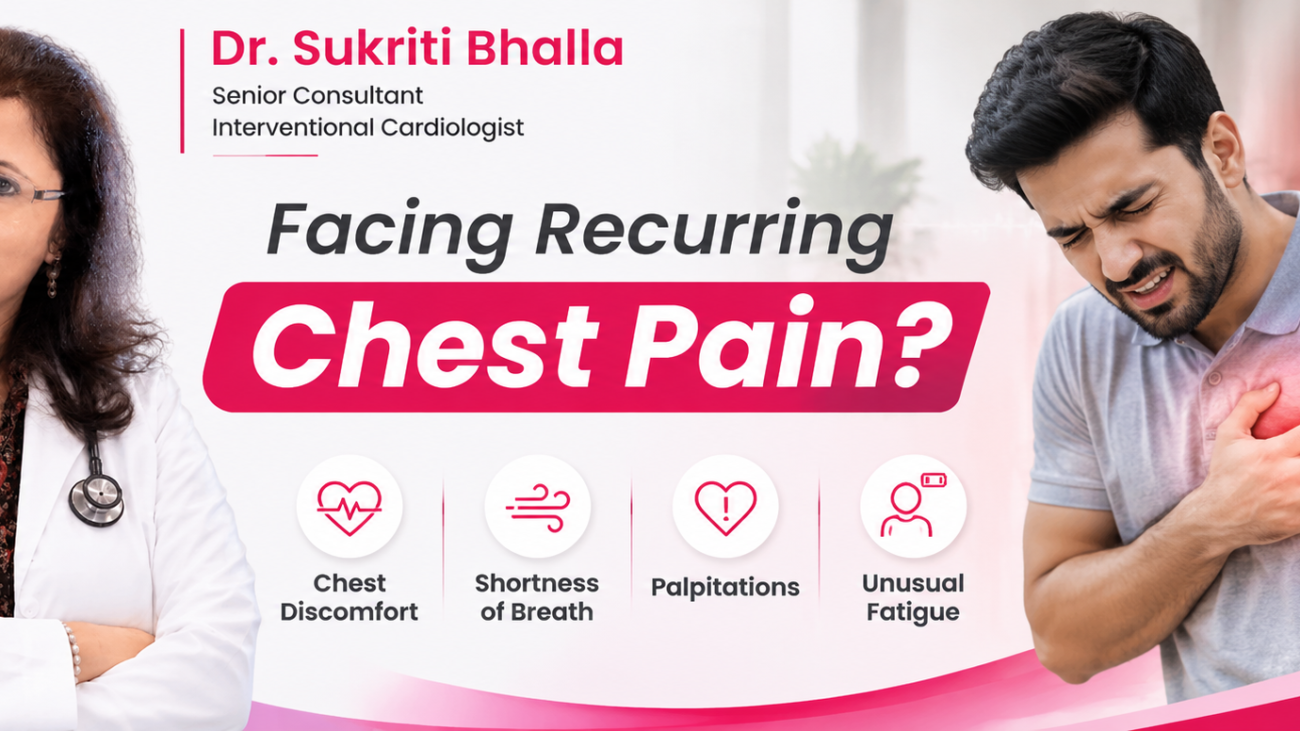
Chest pain is one of the symptoms people should never ignore, particularly when it occurs repeatedly or becomes more noticeable during physical activity. Although occasional discomfort may result from muscle strain, acidity, or stress, recurring chest pain can sometimes indicate an underlying heart condition that requires medical attention. Searching for an interventional cardiologist near me can be an important step towards understanding the cause of this discomfort and exploring appropriate treatment options.

Interventional cardiologists specialise in diagnosing and treating certain cardiovascular conditions using minimally invasive, catheter-based procedures. They play an important role in managing coronary artery disease, blocked arteries, and other conditions that affect blood flow to the heart. Depending on the diagnosis, treatment may involve medication, lifestyle modifications, coronary angioplasty, or stent placement.
Identifying the warning signs and seeking timely medical advice can help avoid complications. Understanding when chest pain requires specialist attention, what diagnostic tests may be recommended, and how different treatments work can help you make informed decisions about your heart health. This guide explains how an interventional cardiologist can help investigate recurring chest pain and manage the underlying cardiovascular concerns.
Why Should You Consult an Interventional Cardiologist Near Me for Recurring Chest Pain
Recurring chest pain can have several causes, but one important possibility is reduced blood flow to the heart muscle. This condition may occur when the coronary arteries become narrowed due to plaque accumulation, a process associated with coronary artery disease.
When the heart muscle does not receive enough oxygen-rich blood, a person may experience angina. It can feel like pressure, tightness, heaviness, or discomfort in the chest. Some people also experience pain in the arms, shoulders, back, neck, or jaw.
An interventional cardiologist near me evaluates cardiovascular conditions and determines whether specialised treatment is required. Their assessment may help identify problems such as:
- Narrowing or blockage of coronary arteries.
- Reduced blood supply to the heart muscle.
- Coronary artery disease.
- Certain complications following a heart attack.
- Recurrent angina associated with underlying coronary conditions.
Consulting a specialist is particularly important when chest discomfort repeatedly occurs during exercise, walking, climbing stairs, or emotional stress.
An interventional cardiologist for recurring chest pain can assess your symptoms, review medical history, recommend suitable investigations, and determine whether medication or an interventional procedure may be appropriate.
However, not every episode of chest pain indicates a heart problem. A proper medical evaluation is essential to identify the actual cause rather than making assumptions based on symptoms alone.
What Causes Recurring Chest Pain
Understanding the possible causes of chest pain helps explain why professional evaluation is important. Although cardiovascular conditions are a major concern, discomfort in the chest can also originate from the digestive system, muscles, lungs, or other structures.
Coronary Artery Disease
Coronary artery disease develops when plaque builds up inside the arteries supplying blood to the heart. This accumulation can gradually narrow the arteries and restrict circulation.
During physical activity, the heart requires additional oxygen. If narrowed arteries cannot supply enough blood, chest discomfort may develop.
People with coronary artery disease may experience recurring angina, breathlessness, fatigue, or discomfort that improves with rest. The severity and symptoms pattern can widely differ.
Angina
Angina is chest discomfort caused by insufficient blood flow to the heart muscle. It is primarily associated with coronary artery disease.
There are different forms of angina:
- Stable angina: Usually follows a predictable pattern, such as discomfort during physical exertion, and often improves with rest or prescribed medication.
- Unstable angina: Can occur unexpectedly, even during rest, and may indicate an acute coronary problem requiring emergency medical assessment.
- Microvascular angina: Involves problems affecting the small blood vessels supplying the heart.
Any new, worsening, or unexplained chest pain should be assessed promptly.
Heart Attack-Related Complications
A heart attack occurs when blood flow to part of the heart muscle becomes severely restricted or blocked. Some individuals may experience ongoing symptoms or complications during recovery.
Persistent or returning chest discomfort after a heart attack requires medical attention. It may indicate a further cardiovascular problem and should not be dismissed as normal recovery discomfort.
Gastrointestinal Problems
Acid reflux, indigestion, and oesophageal conditions can produce sensations that resemble cardiac chest pain. These symptoms may occur after meals or when lying down.
However, it is not always possible to distinguish digestive discomfort from heart-related pain based on symptoms alone. Medical assessment is important, especially when symptoms are new or recurring.
Musculoskeletal Conditions
Muscle strain, inflammation around the ribs, and injuries involving the chest wall can also cause discomfort. The pain may become more noticeable when moving, coughing, or pressing the affected area.
Although these conditions are not necessarily related to the heart, a healthcare professional should assess unexplained or persistent symptoms.
Warning Signs That Require Immediate Medical Attention
Recognising emergency symptoms with the help of an interventional cardiologist near me is essential because certain types of chest pain may indicate a heart attack or another serious cardiovascular condition.

Call emergency services immediately if you experience:
- Sudden chest pressure, squeezing, tightness, or severe discomfort.
- Chest pain that lasts more than a few minutes or repeatedly returns.
- Pain spreads towards the arms, shoulders, back, neck, jaw, or upper abdomen.
- Breathlessness, particularly when accompanied by chest discomfort.
- Cold sweating, nausea, or vomiting.
- Sudden dizziness, fainting, or unusual weakness.
Women, older adults, and people with diabetes may sometimes experience less typical heart attack symptoms, including unusual fatigue, breathlessness, nausea, or discomfort without prominent chest pain.
Do not wait for a routine specialist appointment if you suspect a heart attack. Seek emergency medical care immediately. Do not drive yourself to the hospital.
How an Interventional Cardiologist Near Me Diagnoses the Cause of Chest Pain
An accurate diagnosis is the foundation of effective heart care. An interventional cardiologist considers the patient’s symptoms, medical history, risk factors, and investigation results before recommending treatment.
If you search for an interventional cardiologist near me for heart blockage, understanding the diagnostic process can help you prepare for your consultation.
Medical History and Physical Examination
The specialist may ask when the pain started, how frequently it occurs, how long it lasts, and whether physical activity triggers it.
They may also review existing medical conditions, family history, smoking habits, blood pressure, cholesterol levels, and diabetes status.
A physical examination helps assess general cardiovascular health and identify signs that may require further investigation.
Electrocardiogram (ECG)
An ECG records the electrical activity of the heart. It can help identify certain abnormalities, including changes associated with reduced blood supply or a previous heart attack.
An ECG is a useful initial investigation, although a normal result does not always rule out coronary artery disease.
Echocardiography
An echocardiogram uses ultrasound waves to create images of the heart. It helps evaluate heart structure, pumping function, and the movement of the heart muscle.
This investigation by a top cardiologist in Dwarka can help identify certain abnormalities that may be associated with cardiovascular symptoms.
Stress Testing
A stress test evaluates how the heart responds to physical activity or medication-induced stress.
It may help identify signs of reduced blood supply during increased cardiac demand. The specialist determines whether this test is appropriate based on the patient’s condition.
Coronary Angiography
Coronary angiography is an imaging procedure used to examine the coronary arteries. A thin catheter is guided through a blood vessel, and contrast dye is introduced to make the arteries visible under X-ray imaging.
It can help identify the location and severity of arterial narrowing or blockages. The findings assist the cardiologist in deciding whether medication, angioplasty, or another treatment approach is suitable.
What Treatment Options Can an Interventional Cardiologist Recommend

Treatment depends on the cause of chest pain, the severity of the condition, the extent of arterial narrowing, and the patient’s overall health.
There is no single treatment suitable for everyone. An interventional cardiologist evaluates the available options before recommending an appropriate care plan.
Medication and Lifestyle Modifications
Some patients can manage their condition through prescribed medication and changes to daily habits.
Depending on the diagnosis, medication may help control blood pressure, reduce cholesterol, manage angina, or lower the risk of blood clots.
Lifestyle recommendations may include:
- Following a balanced, heart-healthy diet.
- Engaging in appropriate physical activity after medical advice.
- Quitting smoking and avoiding tobacco exposure.
- Maintaining a healthy weight.
- Managing diabetes and high blood pressure.
- Attending regular medical follow-ups.
Medication should always be taken according to the treating doctor’s instructions. Patients should not stop or change prescribed treatment without consulting their healthcare professional.
Coronary Angioplasty
Coronary angioplasty is a minimally invasive procedure used to improve blood flow through narrowed coronary arteries.
During the procedure, a catheter with a small balloon is guided towards the affected artery. The balloon is inflated to widen the narrowed section and improve circulation.
In suitable cases, a stent may also be placed to help keep the artery open.
An interventional cardiologist for coronary angioplasty assesses whether this procedure is appropriate based on symptoms, investigation findings, and individual clinical requirements.
Stent Placement
A coronary stent is a small mesh-like tube placed inside an artery to help maintain blood flow.
Stent placement is commonly performed as part of angioplasty when a suitable blockage requires mechanical support to keep the artery open.
The type of stent and the need for the procedure depend on the patient’s condition. Following treatment, patients may need prescribed antiplatelet medication and regular follow-up care.
Other Cardiac Procedures
Depending on the diagnosis, some patients may require other specialised procedures, such as pressure assessment of coronary arteries, intravascular imaging, or interventions for selected structural heart conditions.
In certain cases involving complex or extensive coronary artery disease, bypass surgery may be considered instead of angioplasty.
The final decision should be based on a comprehensive clinical assessment and discussion of the potential benefits and risks of each option.
Why Timely Consultation Matters for Heart Health
Ignoring recurring chest pain can delay the diagnosis of an underlying cardiovascular condition. Early medical evaluation can help identify potential problems and allow suitable treatment to begin when needed.
Timely consultation is particularly important for individuals with risk factors such as:
- High blood pressure.
- Elevated cholesterol.
- Diabetes.
- Smoking or tobacco use.
- Obesity and physical inactivity.
- A family history of cardiovascular disease.
- Previous heart attack or diagnosed coronary artery disease.
A specialist can assess these risk factors alongside the patient’s symptoms and investigation results. This helps determine whether additional monitoring, medication, or an interventional procedure is necessary.
It is also important to remember that finding a blockage does not automatically mean angioplasty or stent placement is required. Treatment decisions depend on the overall clinical picture, including symptoms, the location and severity of narrowing, and evidence of reduced blood supply.
How to Choose the Right Interventional Cardiologist Near Me
Selecting a suitable interventional cardiologist near me is an important part of managing recurring chest pain. Beyond convenience and location, consider the specialist’s qualifications, clinical experience, treatment approach, and access to appropriate cardiac facilities.
Here are some factors to consider:
- Qualifications and experience: Review the specialist’s medical qualifications, cardiology training, and experience in managing coronary artery disease and interventional procedures.
- Range of procedures: Consider whether the specialist has experience with relevant treatments, such as coronary angiography, angioplasty, and stent placement.
- Diagnostic facilities: Access to appropriate cardiac investigations can support accurate diagnosis and treatment planning.
- Patient communication: A good consultation should provide an opportunity to discuss symptoms, understand investigation results, and ask questions about available treatments.
- Follow-up care: Ongoing monitoring is important after an interventional procedure and for patients managing long-term cardiovascular conditions.
Searching for the best interventional cardiologist near me should involve looking beyond online listings. Consider verified credentials, relevant experience, and whether the specialist’s approach aligns with your medical requirements.
Conclusion
Recurring chest pain is a warning sign that deserves proper medical attention, especially when it occurs frequently or is accompanied by breathlessness, fatigue, or discomfort in other parts of the body. Identifying the underlying cause early can help prevent potential complications and ensure that the right treatment from an interventional cardiologist near me is considered. Whether the condition requires medication, lifestyle changes, angioplasty, or stent placement, an accurate diagnosis and an appropriate treatment plan are essential for long-term heart health.
For expert guidance on coronary artery disease, heart blockages, and advanced cardiac treatments, one can consult Dr. Sukriti Bhalla. She is an interventional cardiologist specialising in advanced cardiac care, coronary angioplasty, and minimally invasive heart procedures. Visit her website now to explore her expertise and take an informed step towards better heart health.
FAQs
1. When should I consult an interventional cardiologist for recurring chest pain?
Consult a cardiologist when chest discomfort repeatedly occurs, particularly during physical activity or alongside breathlessness. Sudden or severe symptoms require immediate emergency assessment.
2. Can recurring chest pain indicate blocked coronary arteries?
Yes, recurring chest pain can indicate reduced blood flow caused by narrowed coronary arteries. However, proper medical investigations are necessary to confirm the underlying cause.
3. Does every patient with a heart blockage require angioplasty?
No, treatment depends on blockage severity, symptoms, and overall health. Some patients benefit from medication, while others may require angioplasty or bypass surgery.
4. What tests help identify the cause of recurring chest pain?
Doctors may recommend an ECG, echocardiogram, stress test, blood investigations, or coronary angiography depending on symptoms, medical history, and suspected cardiovascular conditions.
5. Can an interventional cardiologist treat coronary artery disease?
Yes, interventional cardiologists manage suitable coronary artery conditions through medication guidance, risk-factor management, angioplasty, and stent placement when clinically indicated.