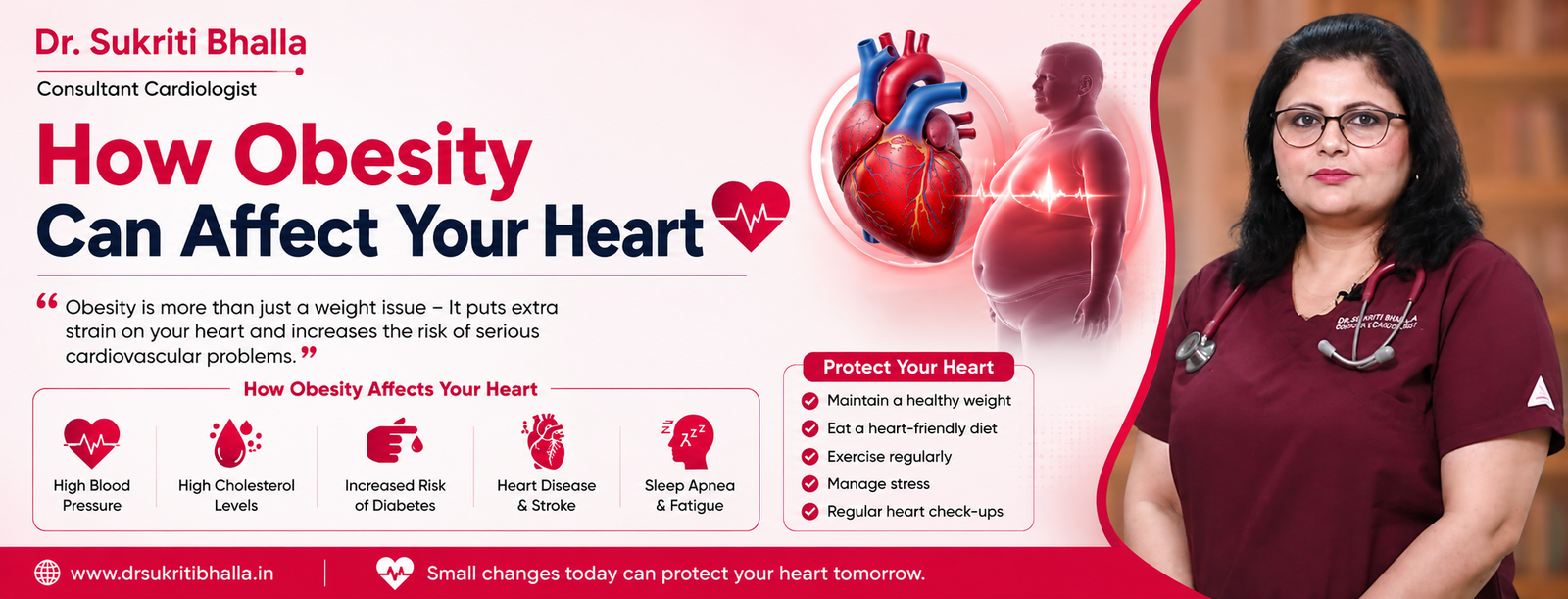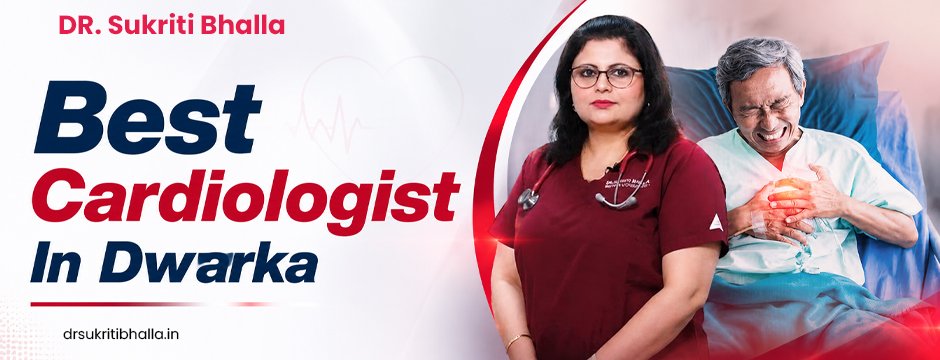
Glowing red heart and young Indian man with chest pain symbolizing India’s silent heart health crisis.

India’s Silent Heart Crisis: Obesity, BP, Pollution & Attacks

India is facing a heart health emergency — and it’s unfolding quietly.

Heart disease is no longer a condition affecting only the elderly. Across metro cities and smaller towns alike, cardiologists are reporting a disturbing rise in heart attacks among people in their 30s and 40s. Increasing obesity, uncontrolled high blood pressure, chronic stress, air pollution, and sedentary lifestyles are accelerating cardiovascular risk at an unprecedented pace.

Recent projections suggest that nearly one-third of India’s population could be obese by 2050. Meanwhile, hypertension continues to remain underdiagnosed and poorly controlled. Add rising pollution levels in urban regions, and the picture becomes even more concerning.

This article examines the four major drivers of India’s growing cardiac crisis — obesity, high blood pressure, pollution, and delayed diagnosis — and what individuals can do to protect themselves.

Why Are Heart Attacks Rising Among Young Indians?

Cardiologists across India have observed a clear pattern: younger patients are arriving at emergency rooms with acute heart attacks far more frequently than before.

Several contributing factors stand out:

  • High stress jobs and long working hours
  • Sleep deprivation
  • Processed and high-salt diets
  • Smoking and vaping
  • Undetected hypertension
  • Family history of heart disease

A detailed explainer on why heart attacks are increasing in young people in India breaks down the changing risk patterns seen in urban populations.

A recent media feature discussing the alarming increase in cardiovascular diseases highlights how lifestyle changes and metabolic disorders are pushing heart risk earlier in life. (Internal link: Firstpost cardiovascular surge article)

Many people still confuse cardiac arrest with heart attack, but understanding the difference is crucial — as explained in this guide on heart attack vs cardiac arrest differences.

Similarly, coverage explaining the growing number of heart attacks in young Indians provides insight into how risk factors are evolving. (Internal link: News18 youth heart attack article) 

Recent national coverage has examined the alarming rise in cardiovascular diseases among young Indians, highlighting how lifestyle disorders are accelerating heart risk.

Heart Attack vs Cardiac Arrest: Know the Difference

Many people use these terms interchangeably, but they are medically distinct.

  • Heart attack: A blockage in the coronary arteries stops blood flow to heart muscle.
  • Cardiac arrest: The heart suddenly stops beating due to electrical malfunction.

Understanding the difference can save lives — especially in emergency response situations. (Internal link: Heart attack vs cardiac arrest explanation article)

Obesity: The Biggest Hidden Trigger of Heart Disease

India is simultaneously battling undernutrition and rising obesity. Urban dietary patterns have shifted dramatically toward refined carbohydrates, processed foods, and sugary beverages.

Multiple national media reports have covered new findings projecting that obesity rates in India may surge sharply by 2050. (Internal link: India Today obesity study article)

Excess body fat, particularly visceral fat around the abdomen, triggers:

  • Chronic inflammation
  • Insulin resistance
  • Elevated cholesterol
  • Increased blood pressure

Over time, this metabolic cascade damages blood vessels and accelerates atherosclerosis — the primary cause of heart attacks.

According to recent projections covered in national media, nearly one-third of Indians may be obese by 2050, raising serious cardiovascular concerns.

In expert commentary featured across publications such as Financial Express, BW Healthcare World, and Firstpost, cardiologists have emphasized that obesity is not merely a cosmetic concern but a major cardiovascular threat. (Internal links: Financial Express article, BW Healthcare article, Firstpost obesity feature)

Experts have warned that obesity is not just a lifestyle issue but a ticking time bomb for heart disease.

Is Diet More Responsible Than Exercise?

While physical inactivity contributes to weight gain, several recent analyses suggest diet plays a larger role in India’s obesity surge. (Internal link: India Today diet vs exercise article)

High refined carb intake, excessive salt, trans fats, and sugary snacks are compounding metabolic risk — even among individuals who appear “moderately active.”

On World Obesity Day, doctors highlighted how India’s obesity rates are surging across all age groups.

A recent analysis also examined whether diet plays a bigger role than exercise in India’s obesity crisis.

High Blood Pressure: The Silent Killer

Hypertension rarely produces noticeable symptoms in early stages, yet it quietly damages arteries for years.

According to global health data, over 1.4 billion people worldwide suffer from high blood pressure — but only a fraction manage to control it effectively. Media coverage discussing the rapid rise in high blood pressure highlights the urgency of awareness and screening. (Internal link: ABP News BP article)

Common contributors in India include:

  • High salt consumption
  • Chronic stress
  • Sedentary work culture
  • Obesity
  • Poor sleep

Early Symptoms People Often Ignore

Although hypertension is often silent, some warning signs may appear:

  • Persistent headaches
  • Dizziness
  • Blurred vision
  • Fatigue
  • Shortness of breath

WHO-backed data suggests that high blood pressure cases are rising rapidly worldwide, with India contributing significantly.

Excessive salt intake remains one of the biggest dietary drivers. Experts have repeatedly cautioned against high sodium consumption in daily meals. Doctors also warn that excessive salt intake can significantly increase heart risk

Without treatment, hypertension significantly increases the risk of heart attack, stroke, and kidney disease.

Pollution & Heart Risk: An Overlooked Urban Danger

Air pollution is typically associated with respiratory problems — but its cardiovascular impact is equally serious.

Fine particulate matter (PM2.5) enters the bloodstream, triggering inflammation, increasing clot formation, and narrowing blood vessels.

Recent expert commentary has drawn attention to the link between pollution spikes and rising cardiovascular emergencies. Health experts recently cautioned that pollution spikes are increasing cardiovascular and respiratory problems in urban India.

Urban residents — particularly in Delhi NCR — face higher cumulative exposure. Those with existing hypertension, diabetes, or heart disease are especially vulnerable.

Stroke Warning Signs You Should Never Ignore

Stroke is one of the leading causes of disability and death in India. What many people don’t realize is that warning signs often appear days before a major event.

Reports indicate that nearly half of stroke patients experience symptoms in the week prior. Research suggests that almost half of stroke patients report warning signs one week before the event.

These may include:

  • Sudden numbness or weakness (especially on one side)
  • Difficulty speaking
  • Facial drooping
  • Sudden severe headache
  • Loss of coordination

The FAST rule helps identify emergencies:

  • Face drooping
  • Arm weakness
  • Speech difficulty
  • Time to call emergency services

Immediate treatment dramatically improves survival and recovery.

For advanced cardiac evaluation and preventive heart screening, patients can consult Dr. Sukriti Bhalla, Senior Consultant – Cardiology at Aakash Healthcare, New Delhi, who has been widely featured for her expert insights on heart health. 

Dr. Sukriti Bhalla, Senior Consultant – Cardiology at Aakash Healthcare, New Delhi

How to Protect Your Heart in 2026: Practical Prevention Steps

The encouraging news? Most cardiovascular risk factors are modifiable.

Here are practical steps:

  1. Get annual heart screening after age 30
  2. Monitor waist circumference
  3. Reduce salt intake
  4. Exercise at least 30 minutes daily
  5. Maintain 7–8 hours of sleep
  6. Stop smoking and avoid vaping
  7. Limit alcohol consumption
  8. Manage stress through mindfulness or therapy
  9. Check lipid profile and blood sugar regularly
  10. Know your family history

Small, consistent changes can significantly lower long-term risk.

When Should You See a Cardiologist?

You should consult a heart specialist if you experience:

  • Recurrent chest discomfort
  • Breathlessness on mild exertion
  • Repeated high BP readings
  • Strong family history of heart disease
  • Diabetes combined with obesity

Early evaluation prevents major emergencies.

For individuals seeking expert cardiac evaluation, you can learn more about Dr. Sukriti Bhalla, Senior Consultant – Cardiology, Aakash Healthcare (New Delhi), and her work in interventional cardiology here:
(Internal link: India’s Super Top 10 Cardiologist in Delhi profile page)

Dr. Bhalla has also shared expert insights in multiple national publications addressing obesity, cardiovascular risk, pollution, and hypertension trends.

Conclusion: Awareness Is the First Line of Defense

India’s heart health crisis is real — but it is preventable.

Obesity, uncontrolled blood pressure, poor dietary habits, rising pollution, and delayed screenings are accelerating cardiovascular risk. However, informed lifestyle changes and timely medical consultation can significantly reduce the likelihood of heart attack or stroke.

Heart disease is no longer an “old age problem.” Prevention must begin early — in your 30s, not your 60s.

Regular check-ups, healthy habits, and early action remain the most powerful tools in protecting your heart. 

Frequently Asked Questions (FAQs)

1. Why are heart attacks increasing among young Indians?

Rising obesity, stress, sedentary lifestyles, smoking, poor diet, and undiagnosed hypertension are major contributors to early heart disease in India.

2. Can obesity directly cause heart disease?

Yes. Obesity increases inflammation, cholesterol levels, insulin resistance, and blood pressure — all of which significantly raise heart attack and stroke risk.

3. Does air pollution affect heart health?

Yes. Fine particulate matter (PM2.5) can enter the bloodstream, trigger inflammation, increase clot formation, and worsen existing heart conditions.

4. What are early warning signs of a stroke?

Sudden numbness, facial drooping, difficulty speaking, weakness on one side, and severe headache are early warning signs. Immediate medical attention is critical.

DR Sukriti Bhalla

How the Best Cardiologist Doctor in Delhi Helps Reduce Cardiac Risk Factors

Heart disease remains one of the leading causes of death worldwide, yet it is largely preventable with timely medical guidance and lifestyle modification. If you are searching for the best cardiologist doctor in Delhi, you are likely concerned about managing or preventing heart-related conditions. Consulting a specialist is not only about treating existing problems but also about reducing future risks through personalised and evidence-based care. A top heart specialist for cardiac risk management in Delhi focuses on early detection, preventive cardiology, and long-term monitoring to safeguard your heart health.

best cardiologist doctor in delhi

Cardiac risk factors such as high blood pressure, diabetes, high cholesterol, obesity, smoking, stress, and a sedentary lifestyle significantly increase the likelihood of heart attack and stroke. The right cardiologist helps you understand these risks and provides a structured plan to minimise them. From detailed cardiac evaluations to advanced diagnostic testing and tailored treatment strategies, expert care can transform your health outcomes.

In this blog, we explore how the best cardiology expert in Delhi plays a vital role in reducing cardiac risk factors and helping patients lead healthier, longer lives.

Understanding Cardiac Risk Factors and Their Impact

Cardiac risk factors are conditions or behaviours that increase the probability of developing heart disease. These can be broadly divided into modifiable and non-modifiable factors.

Non-modifiable Risk Factors

  • Age
  • Family history of heart disease
  • Gender

While these cannot be changed, their impact can be managed through proactive monitoring.

Modifiable Risk Factors

  • High blood pressure (hypertension)
  • High cholesterol
  • Diabetes
  • Smoking
  • Obesity
  • Physical inactivity
  • Chronic stress

A skilled cardiologist performs a thorough risk assessment to identify both visible and hidden risk factors. Early identification is crucial in preventing complications such as coronary artery disease, heart failure, and arrhythmias.

Role of the Best Cardiologist Doctor in Delhi in Risk Assessment and Prevention

The best cardiologist doctor in Delhi begins with a comprehensive consultation. This includes reviewing your medical history, family history, lifestyle patterns, and current symptoms. Advanced diagnostic tools such as ECG, echocardiography, stress tests, lipid profile, and cardiac imaging help evaluate heart function and detect abnormalities early.

Personalised Risk Profiling

Each patient receives a customised risk profile based on:

  • Blood pressure levels
  • Blood sugar readings
  • Cholesterol values
  • Body mass index
  • Lifestyle habits

This detailed assessment enables the cardiologist to stratify your risk level and recommend preventive strategies accordingly.

Preventive Cardiology Approach

Preventive cardiology focuses on reducing risk before severe disease develops. This may include:

  • Early treatment of hypertension
  • Aggressive cholesterol management
  • Diabetes control
  • Smoking cessation programmes

With continuous monitoring, patients can avoid hospitalisation and serious cardiac events.

Lifestyle Modification Guidance from a Leading Heart Specialist in Delhi

Indies best cardiac surgeon

One of the most powerful tools in reducing cardiac risk is lifestyle modification. A leading cardiologist provides structured and practical advice tailored to your routine and health status.

Dietary Changes

Patients are guided to:

  • Reduce saturated fats and trans fats
  • Limit salt intake
  • Increase fibre-rich foods
  • Consume fresh fruits and vegetables
  • Maintain portion control

A heart-friendly diet plays a significant role in controlling blood pressure and cholesterol.

Physical Activity

Engaging in regular physical activity enhances heart strength and promotes better blood circulation throughout the body. Depending on your condition, a cardiologist may recommend:

  • Brisk walking
  • Cycling
  • Swimming
  • Supervised cardiac rehabilitation programmes

Consistency is key to long-term cardiovascular health.

Stress Management

Chronic stress elevates blood pressure and triggers hormonal imbalances. Relaxation techniques such as meditation, yoga, breathing exercises, and counselling can significantly reduce cardiac strain.

Medical Management by the Best Cardiologist Doctor in Delhi

When lifestyle modifications alone are insufficient, medical therapy becomes essential. The best cardiologist doctor in Delhi prescribes evidence-based medications to control underlying risk factors effectively.

Hypertension Management

Antihypertensive medications help regulate blood pressure and reduce strain on the heart and arteries.

Cholesterol Control

Statins and other lipid-lowering drugs reduce LDL cholesterol and stabilise arterial plaques, preventing heart attacks.

Diabetes and Heart Health

Strict glycaemic control is crucial in preventing cardiovascular complications. Cardiologists work closely with diabetologists when required to optimise treatment plans.

Advanced Interventions

In certain cases, procedures such as angioplasty or stent placement may be necessary. Early intervention prevents progression to severe heart disease.

Regular follow-ups ensure that treatment remains effective and adjustments are made promptly.

Long-Term Monitoring and Follow-Up Care

Reducing cardiac risk factors is not a one-time process. Continuous monitoring with India’s best cardiac surgeon is vital to ensure sustained improvement.

Periodic Health Check-ups

Routine tests allow doctors to track:

  • Blood pressure trends
  • Cholesterol levels
  • Blood sugar control
  • Weight changes

Patient Education

Educated patients are empowered patients. Understanding warning signs such as chest pain, breathlessness, or palpitations encourages timely medical attention.

Motivation and Accountability

Regular appointments create a sense of accountability. Patients are more likely to adhere to dietary, exercise, and medication plans when monitored by a trusted specialist.

Importance of Early Consultation with a Heart Specialist

Many people ignore early symptoms like fatigue, mild chest discomfort, or irregular heartbeat. Delaying medical consultation increases the risk of complications.

Early consultation with a qualified cardiologist:

  • Identifies silent heart disease
  • Prevents progression
  • Reduces healthcare costs
  • Improves survival rates

Prevention is always better than cure, particularly when it comes to heart health.

Final Thoughts

Reducing cardiac risk factors requires a proactive, structured, and personalised approach. From early diagnosis and preventive strategies to advanced medical management and long-term monitoring, the best cardiologist doctor in Delhi plays a crucial role in protecting heart health. Choosing the right specialist ensures accurate risk assessment, evidence-based treatment, and compassionate guidance throughout your journey.

If you are looking for dedicated and comprehensive cardiac care, you can consult Dr. Sukriti Bhalla. We at Dr. Sukriti Bhalla provide expert guidance and personalised heart health management. To take the first step towards a healthier heart today, reach out to us now.


Frequently Asked Questions (FAQs)

1. When should I consult a cardiologist for cardiac risk assessment?

You should consult a cardiologist if you have high blood pressure, diabetes, high cholesterol, a family history of heart disease, or symptoms such as chest discomfort or breathlessness.

2. Can cardiac risk factors be completely reversed? 

Many modifiable risk factors like high cholesterol, obesity, and hypertension can be significantly reduced through lifestyle changes, medication, and consistent follow-up care under specialist supervision.

3. How often should I undergo heart health screening?

Adults above 30 with risk factors should undergo annual screening, while those with existing conditions may require more frequent monitoring as advised by their cardiologist.

4. Does stress really increase heart disease risk?

Yes, chronic stress raises blood pressure and inflammation levels, which contribute to heart disease. Managing stress through relaxation techniques can significantly lower cardiovascular risk.

5. Are medications necessary if lifestyle changes are followed?

In some cases, lifestyle changes alone may not suffice. Medications help control blood pressure, cholesterol, and diabetes, reducing the likelihood of serious cardiac complications.

dr sukriti bhalla

How a Cardiologist in Dwarka Can Improve Your Heart Lifestyle

Keeping your heart healthy is vital for overall well-being and a longer, more active life. In today’s fast-paced world, lifestyle factors such as diet, stress, physical activity, and sleep patterns significantly impact heart health. While general awareness about cardiovascular health has increased, many people still overlook subtle risk factors that can lead to serious complications. Regular consultation with a cardiologist is crucial, as they provide expert guidance on prevention, early detection, and management of heart conditions.

A cardiologist in Dwarka can play a pivotal role in transforming your heart lifestyle. From offering personalised diet and exercise plans to monitoring blood pressure and cholesterol levels, cardiologists ensure that your heart remains healthy and resilient. They employ advanced diagnostic tools and tests to detect early signs of cardiovascular issues, allowing timely intervention. Additionally, a cardiologist provides education on recognising warning signs, managing stress, and making lifestyle adjustments that suit your individual health needs.

By integrating professional advice with everyday habits, a cardiologist helps individuals prevent heart disease, reduce the risk of complications, and enhance their quality of life. For those with a family history of heart disease, regular visits are even more critical.

The Role of a Cardiologist in Heart Health

A cardiologist is a specialist trained to diagnose, treat, and prevent heart and vascular conditions. Their role goes beyond managing illness; they focus on optimising heart function and promoting long-term cardiovascular wellness.

Key responsibilities include:

  • Evaluating heart health through clinical examinations and advanced diagnostic tests.
  • Providing lifestyle counselling, including diet, exercise, and stress management.
  • Prescribing and monitoring medications for conditions like hypertension, arrhythmia, and cholesterol.
  • Advising on preventive strategies for individuals at risk due to genetics, lifestyle, or pre-existing conditions.

Regular consultation with a cardiologist ensures that your heart is not only treated but also maintained proactively.

Lifestyle Changes Recommended by Cardiologists

Balanced Diet

Nutrition plays a vital role in heart health. Cardiologists often recommend a diet rich in fruits, vegetables, whole grains, lean proteins, and healthy fats. Reducing salt, sugar, and processed foods can help lower blood pressure, cholesterol, and inflammation.

Regular Physical Activity

Exercise strengthens the heart, improves blood circulation, and helps to maintain a stable weight. Cardiologists typically suggest at least 150 minutes of moderate-intensity aerobic activity per week, alongside strength training and flexibility exercises.

Stress Management

Chronic stress can lead to elevated blood pressure and heart rate. Techniques such as meditation, yoga, deep breathing, and adequate sleep are commonly advised by cardiologists to manage stress effectively.

Avoiding Tobacco and Limiting Alcohol

Smoking and consuming excessive alcohol are major risk factors for heart disease. Cardiologists provide guidance on quitting strategies and responsible alcohol use.

Importance of Regular Check-Ups

Even in the absence of symptoms, regular heart check-ups are essential. Cardiologists use a variety of diagnostic tools such as ECG, echocardiograms, and lipid profiling to monitor heart function. Early detection of issues like high cholesterol, hypertension, or irregular heartbeats can prevent more serious complications in the future.

Additionally, for patients with existing conditions such as diabetes or obesity, cardiologists offer customised monitoring and management plans to reduce the risk of heart attacks, strokes, and other cardiovascular events.

Best Heart Surgeon In India

Managing Chronic Conditions

For patients with chronic conditions, such as coronary artery disease or heart failure, a cardiologist provides ongoing care and guidance. This includes:

  • Medication management to control symptoms and prevent progression.
  • Lifestyle modifications tailored to specific health needs.
  • Periodic assessments to adjust treatment plans as necessary.
  • Education on recognising early warning signs of complications.

Proper management by a cardiologist can significantly improve outcomes and enhance the quality of life for patients with chronic heart conditions.

Technology and Modern Cardiology

Advancements in cardiology have transformed how heart health is monitored and managed. The modern and the best heart surgeon in India uses:

  • Wearable devices to track heart rate and rhythm in real-time.
  • Telemedicine for convenient consultations and follow-ups.
  • Advanced imaging techniques like CT and MRI scans for precise diagnosis.
  • Minimally invasive procedures for quicker recovery and reduced risk.

A cardiologist in Dwarka utilising these technologies ensures accurate diagnosis, effective treatment, and personalised care.

Preventive Measures and Education

Education is a key aspect of cardiology. Cardiologists empower patients to make informed decisions about their health, teaching them to:

  • Monitor blood pressure and heart rate at home.
  • Identify symptoms such as chest pain, dizziness, or shortness of breath.
  • Understand the importance of regular screenings and check-ups.
  • Incorporate sustainable lifestyle changes for long-term heart health.

Preventive care reduces the likelihood of major cardiovascular events and promotes longevity.

Closing Thoughts

Maintaining a healthy heart requires a combination of lifestyle management, preventive care, and professional guidance. A cardiologist in Dwarka plays an essential role in helping individuals adopt heart-friendly habits, detect potential risks early, and manage existing conditions effectively. For those seeking expert care, can trust Dr Sukriti Bhalla. 

We at  Dr Sukriti Bhalla offer personalised, compassionate, and comprehensive cardiology services. With her extensive experience, advanced diagnostic tools, and patient-focused approach, we help individuals to achieve a healthier heart and improved quality of life. Consult with us today to take proactive steps towards a stronger, healthier heart.

Cardoiologist in Dwarka

How a Cardiologist in Dwarka Helps Manage Blood Pressure and Cholesterol

High blood pressure and high cholesterol are two of the most common yet dangerous health conditions affecting millions of adults today. Often called “silent killers,” these conditions may not cause noticeable symptoms in the early stages, but over time, they significantly increase the risk of heart attacks, strokes, and other serious cardiovascular problems. In rapidly growing urban areas like Dwarka, lifestyle changes, work stress, poor diet, and lack of physical activity have made hypertension and cholesterol disorders increasingly common.

Cardoiologist in Dwarka

Managing these conditions effectively requires more than occasional checkups or temporary medications. It demands a comprehensive, personalised approach led by an experienced cardiologist who understands how blood pressure and cholesterol interact with overall heart health. A qualified cardiologist in Dwarka plays a vital role in early diagnosis, risk assessment, preventive care, and long-term disease management.

From identifying underlying causes to creating tailored treatment plans that include lifestyle modifications, medication, and regular monitoring, cardiologists help patients regain control of their heart health. With advancements in diagnostic technology and evidence-based treatment strategies, patients today have access to world-class cardiac care close to home. Understanding how a cardiologist supports blood pressure and cholesterol management can empower individuals to take proactive steps toward a healthier, longer life.

Understanding Blood Pressure and Cholesterol

Blood pressure measures the force of blood against artery walls, while cholesterol refers to fatty substances in the blood that can build up inside arteries. When either is elevated, the heart has to work harder to pump blood, increasing the risk of arterial damage. When both conditions occur together, the danger multiplies.

A cardiologist evaluates not just the numbers, but also how these factors affect the heart, blood vessels, and overall cardiovascular system.

Early Diagnosis and Risk Assessment

One of the most important roles of a cardiologist in Dwarka is early detection. Many patients live with high blood pressure or cholesterol for years without knowing it. Cardiologists use detailed evaluations, including blood tests, ECGs, stress tests, and imaging studies, to assess cardiovascular risk.

They also consider family history, lifestyle habits, age, and existing medical conditions. This thorough risk assessment allows the cardiologist to identify potential problems before they become life-threatening.

Personalised Treatment Plans

No two patients are the same, and effective management requires individualised care. A cardiologist designs a treatment plan based on the severity of the condition and the patient’s overall health. This may include:

  • Blood pressure–lowering medications
  • Cholesterol-lowering drugs such as statins
  • Adjustments to existing medications
  • Monitoring for side effects and effectiveness

Regular follow-ups ensure that treatment remains effective and adapts to the patient’s changing needs.

Lifestyle Modification Guidance

Medication alone is not enough to manage blood pressure and cholesterol long-term. Cardiologists provide clear, practical guidance on lifestyle changes that support heart health. This includes advice on diet, exercise, stress management, sleep quality, and smoking cessation.

Patients are educated on heart-friendly eating patterns, such as reducing sodium, limiting saturated fats, and increasing fiber intake. Physical activity plans are customised to match fitness levels and medical conditions, ensuring safety and sustainability.

Preventive Cardiology and Long-Term Monitoring

Preventive care is a cornerstone of cardiology. A cardiologist in Dwarka focuses not only on treating existing conditions but also on preventing complications like heart attacks, strokes, and heart failure.

Through regular monitoring, periodic testing, and patient education, cardiologists help individuals maintain stable blood pressure and cholesterol levels over the long term. This proactive approach reduces hospitalisations and improves quality of life.

Advanced Cardiac Interventions When Needed

In some cases, uncontrolled blood pressure and cholesterol lead to blocked arteries or other serious heart conditions. Cardiologists are trained to identify when advanced interventions are required. These may include angioplasty, stent placement, or device implantation.

Early specialist involvement ensures timely intervention, often preventing irreversible heart damage.

Why Expert Cardiac Care Matters

Managing blood pressure and cholesterol is not just about reaching target numbers—it’s about protecting the heart, brain, and vital organs. An experienced cardiologist brings clinical expertise, advanced technology, and a patient-centered approach that general care alone cannot provide.

Experience Expert Cardiac Care with Dr. Sukriti Bhalla

At Dr. Sukriti Bhalla, we believe heart care should be precise, compassionate, and focused on long-term wellness. Under the supervision of the best heart surgeon in India (Dr. Sukriti Bhalla), our practice offers comprehensive management of blood pressure and cholesterol backed by exceptional experience and results.

With 10+ years of clinical expertise and 20,000+ successful interventional cardiac procedures, we bring world-class cardiology care to Dwarka and Delhi NCR. Our approach combines advanced diagnostics, evidence-based treatments, and preventive cardiology strategies designed to empower patients.

We are proud to have helped 200,000+ satisfied patients through our calm, accurate diagnostic skills and patient-first philosophy. From preventive counseling to complex angioplasties, pacemaker implantations, and structural heart procedures, our team is committed to delivering care you can trust.

When you choose us, you’re not just receiving treatment; you’re gaining a long-term partner in heart health.

Final Thoughts

High blood pressure and cholesterol are manageable conditions when addressed with expert care and consistency. A skilled cardiologist in Dwarka plays a critical role in diagnosis, treatment, prevention, and education, helping patients avoid serious cardiovascular complications.

With the right guidance, personalised treatment, and a commitment to preventive care like that of Dr. Sukriti Bhalla, patients can lead healthier, more active lives. Taking control of your heart health today is one of the most important investments you can make for your future.

dr sukriti bhalla

How Top Heart Specialist in Delhi Diagnose & Treat Heart Disease

Heart disease is one of the leading causes of illness and mortality worldwide, making early diagnosis and effective management critical. In a bustling city like Delhi, where lifestyle factors, stress, and genetics can impact cardiovascular health, having access to an experienced and trusted heart specialist can make all the difference. Whether it’s a routine check-up, chest discomfort, irregular heartbeats, or severe coronary issues, timely intervention can save lives and improve long-term well-being.

best heart specialist in Delhi

The best heart specialist in Delhi combines cutting-edge technology, clinical expertise, and a patient-centred approach to provide comprehensive cardiovascular care. They are not just skilled in diagnosing complex heart conditions, but also in managing them with personalised treatment plans. From non-invasive tests to advanced interventional procedures, these specialists ensure patients receive precise care tailored to their individual needs. Choosing a renowned cardiologist ensures your heart health is in safe hands, giving you confidence and peace of mind.

This guide explores how a leading heart specialist diagnoses and manages heart disease, highlighting the technologies, procedures, and personalised care that set them apart.

The Diagnostic Process: Precision at the Core

Diagnosis is the cornerstone of effective heart disease management. A top heart specialist in Delhi begins with a thorough clinical evaluation, including a detailed medical history, family history, and lifestyle assessment. This helps identify risk factors such as hypertension, diabetes, high cholesterol, and smoking habits.

Non-Invasive Tests

The initial diagnosis often involves non-invasive tests, which are safe and provide vital information about heart health:

  • Electrocardiogram (ECG): Records the electrical activity of the heart to detect rhythm disturbances.
  • Echocardiography: Uses ultrasound to evaluate heart structure and function, identifying valve or structural abnormalities.
  • Stress Testing: Assesses how the heart performs under physical exertion, revealing potential blockages.
  • CT & MRI Scans: Deliver detailed images of coronary arteries and cardiac structures to support precise diagnosis.

Blood Tests and Biomarkers

Blood tests measuring cardiac enzymes, cholesterol levels, and inflammatory markers provide additional insights into heart health. These tests are crucial for detecting heart attacks, ongoing inflammation, and risk for future cardiovascular events.

Interventional Cardiology: Advanced Management of Heart Disease

Once a diagnosis is established, an expert cardiologist uses advanced interventional procedures to manage complex heart conditions. Interventional cardiology is minimally invasive, offering faster recovery and reduced risks compared to traditional surgeries.

Key Interventional Procedures

  • Coronary & Peripheral Angioplasty: Opens blocked arteries to restore blood flow and reduce the risk of heart attacks.
  • Primary & Elective PCI (Percutaneous Coronary Interventions): Treats acute or chronic coronary artery disease with precision.
  • Pacemaker & Device Implantation: Manages heart rhythm disorders to ensure a regular heartbeat and improved cardiac function.
  • Structural Heart Procedures: Corrects defects in heart valves or chambers, often without open-heart surgery.
  • Radial & Femoral Interventions: Minimally invasive access methods designed for faster recovery and fewer complications.

Lifestyle Management and Preventive Cardiology

Management of heart disease is not limited to procedures. The best heart specialist in Delhi emphasises preventive care and long-term lifestyle strategies:

  • Dietary Guidance: Tailored meal plans focusing on heart-healthy nutrition.
  • Exercise Recommendations: Structured programs to improve cardiovascular endurance and maintain a healthy weight.
  • Medication Management: Optimised prescriptions to control blood pressure, cholesterol, and other risk factors.
  • Regular Monitoring: Scheduled check-ups to track heart health and adjust treatment plans proactively.

By combining medical treatment with lifestyle interventions, patients achieve better outcomes and a higher quality of life.

Follow-Up Care and Long-Term Heart Health

best cardiologist in dwarka

Post-treatment follow-up is critical for the successful management of heart disease. Leading heart specialists in Delhi schedule regular appointments, monitor recovery, and adjust medications or interventions as needed.

Monitoring Techniques

  • Echocardiography: Tracks heart function over time.
  • Holter Monitoring: Records heart rhythms continuously for days to detect abnormalities.
  • Lifestyle Reinforcement: Continuous support for diet, exercise, and stress management.

This ongoing care ensures patients remain stable, reduces the risk of future complications, and enhances overall quality of life.

Experience World-Class Cardiac Care with Dr Sukriti Bhalla 

If you are looking for the best cardiologist in Dwarka, Dr Sukriti Bhalla offers world-class cardiovascular care built on expertise, compassion, and precision. With over 10 years of clinical experience and 20,000+ successful interventional procedures, we specialise in coronary angioplasties, pacemaker implantations, radial and femoral interventions, and advanced structural heart procedures.

We prioritise a patient-first approach, ensuring each consultation and treatment is tailored to your individual needs. Our team uses cutting-edge technology and follows the latest clinical protocols to provide safe, effective, and minimally invasive treatment options. Beyond treatment, we actively promote preventive cardiology, empowering patients with knowledge to maintain long-term heart health.

Choosing us means experiencing care that combines skill, empathy, and results. Whether you need urgent cardiac intervention or ongoing management of a chronic heart condition, we ensure your heart health is our top priority. 

End Notes

Managing heart disease requires a combination of expert diagnosis, advanced interventional skills, and patient-centred care. The best heart specialist in delhi integrate these elements seamlessly, providing personalised treatment plans that address immediate cardiac issues while promoting long-term heart health.

For anyone seeking reliable, expert, and compassionate cardiac care, choosing a specialist like Dr Sukriti Bhalla can make a life-changing difference. With skill, experience, and a commitment to excellence, we exemplify world-class interventional cardiology. Patients benefit from minimally invasive procedures, preventive strategies, and continuous follow-up care, ensuring the heart remains strong and healthy.

Cardiologiest

How a Cardiologist in Dwarka Helps Prevent Heart Attacks?

Heart attacks remain one of the leading causes of death worldwide, yet many of them are preventable with timely medical care, lifestyle changes, and expert guidance. In rapidly growing urban areas like Dwarka, changing lifestyles, work-related stress, poor dietary habits, and lack of physical activity have significantly increased the risk of cardiovascular diseases across all age groups. What makes this situation more concerning is that heart disease often progresses silently, showing warning signs only when significant damage has already occurred.

Cardiologiest

This is where the role of a skilled cardiologist becomes crucial. A cardiologist does far more than treat emergencies; they work proactively to identify risk factors, diagnose early-stage heart conditions, and guide patients toward long-term heart health. From managing blood pressure and cholesterol to detecting hidden blockages and advising preventive therapies, cardiology care plays a decisive role in stopping heart attacks before they happen. A cardiologist in Dwarka combines clinical expertise with an understanding of local lifestyle patterns, allowing for personalised and practical preventive care. 

Understanding the Risk Factors for Heart Attacks

Preventing heart attacks starts with understanding the factors that increase risk. Cardiologists focus on both modifiable and non-modifiable risk elements. Non-modifiable factors include age, genetics, and family history of heart disease. While these cannot be changed, early monitoring helps reduce their impact.

Modifiable risk factors are where prevention truly begins. High blood pressure, elevated cholesterol levels, diabetes, smoking, obesity, poor diet, physical inactivity, and chronic stress are major contributors. A cardiologist evaluates how these factors interact in each patient and prioritises interventions accordingly, significantly reducing the likelihood of heart attacks over time.

Early Detection Through Preventive Heart Screenings

One of the most powerful ways a cardiologist in Dwarka helps prevent heart attacks is through early detection. Regular heart screenings help uncover issues before they become dangerous.

These screenings may include blood pressure monitoring, lipid profile tests, blood sugar analysis, electrocardiograms (ECG), echocardiography, and stress tests. By identifying abnormalities early, cardiologists can initiate timely treatment, preventing plaque buildup, arterial blockages, and sudden cardiac events.

Personalised Risk Assessment and Treatment Planning

No two hearts are the same. Cardiologists develop personalised care plans based on a patient’s medical history, lifestyle, test results, and risk profile. Instead of a one-size-fits-all approach, treatment is tailored to address specific vulnerabilities.

For some patients, lifestyle changes may be enough. For others, medication may be required to control blood pressure, cholesterol, or heart rhythm. This customised approach ensures that preventive strategies are both effective and sustainable in the long run.

Managing High Blood Pressure Effectively

Cardiologists play a vital role in diagnosing hypertension early and managing it effectively. They guide patients on dietary changes such as reducing salt intake, maintaining a healthy weight, and adopting heart-healthy eating habits. When necessary, they prescribe medications and monitor progress regularly. Proper blood pressure control dramatically reduces stress on the heart and blood vessels, lowering heart attack risk.

Cholesterol Control and Plaque Prevention

Excess cholesterol, especially LDL (bad cholesterol), contributes to plaque formation in arteries, leading to blockages that cause heart attacks. Cardiologists help patients understand their cholesterol levels and take steps to manage them.

Through dietary guidance, exercise recommendations, and medication when needed, cardiologists work to stabilise or reverse plaque buildup. Regular follow-ups with the best cardiologist in Delhi ensure that cholesterol levels remain within a safe range, protecting the heart from sudden events.

Diabetes and Heart Disease Management

Diabetes significantly increases the risk of heart attacks. Cardiologists often work alongside physicians to ensure optimal blood sugar control while monitoring heart health closely. They understand the close link between insulin resistance, inflammation, and cardiovascular damage.

By managing diabetes effectively and addressing associated risk factors such as obesity and hypertension, cardiologists help prevent long-term heart complications and reduce the chance of acute cardiac events.

Lifestyle Guidance and Behavioural Changes

A cardiologist’s role extends beyond prescriptions and tests. Education and counselling are key components of preventive cardiology. Patients receive guidance on physical activity, stress management, sleep hygiene, and smoking cessation.

Small but consistent lifestyle changes—such as regular walking, balanced meals, stress reduction techniques, and quitting tobacco—can significantly lower heart attack risk. Cardiologists provide realistic, achievable advice that fits into daily life, making long-term heart health attainable.

Advanced Diagnostic Tools for Accurate Assessment

Modern cardiology relies on advanced diagnostic tools to detect subtle heart issues. Cardiologists in Dwarka use non-invasive imaging and functional tests to assess heart structure, blood flow, and performance.

These technologies help identify early signs of coronary artery disease, heart muscle weakness, or rhythm disorders. Accurate diagnosis allows for early intervention, reducing the likelihood of sudden heart attacks and improving long-term outcomes.

Regular Monitoring and Long-Term Follow-Up

Prevention is an ongoing process. Cardiologists emphasise regular follow-ups to monitor progress, adjust treatment plans, and address new risk factors as they arise. Long-term monitoring ensures that preventive measures remain effective as a patient’s health and lifestyle evolve.

Consistent medical supervision helps catch warning signs early and reinforces healthy habits, creating a strong defence against heart attacks.

Wrapping Up

Preventing heart attacks requires more than emergency care—it demands proactive, expert-led cardiovascular management. A cardiologist in Dwarka plays a critical role by identifying risks early, offering personalised treatment plans, guiding lifestyle changes, and using advanced diagnostics to protect heart health. Through consistent monitoring and patient education, cardiology care helps individuals significantly reduce their chances of experiencing a life-threatening cardiac event.

If you are looking for expert guidance focused on prevention, early diagnosis, and long-term heart wellness, consulting an experienced cardiologist can make all the difference. To take a proactive step toward protecting your heart health, consider expert cardiology care at Dr Sukriti Bhalla, where prevention, precision, and patient-focused treatment come together for a healthier heart.

cardiologist in dwarka

Common Heart Conditions Treated by the Best Cardiologist in Dwarka

Best Cardiologist in Dwarka

Heart disease continues to be one of the leading causes of illness across all age groups in India. With changing lifestyles, rising stress levels, sedentary habits, and dietary imbalances, cardiac conditions are no longer limited to the elderly. Young adults, working professionals, and even athletes are increasingly being diagnosed with heart-related problems that require expert evaluation and timely care. This makes access to an experienced and trusted cardiologist not just important—but essential.

Residents of Dwarka benefit from advanced cardiac care options that focus on early diagnosis, preventive cardiology, and long-term heart health management. A skilled cardiologist plays a vital role in identifying subtle symptoms, interpreting complex diagnostic tests, and designing personalised treatment plans that suit each patient’s lifestyle and medical history. This blog explores the most common heart conditions treated by the best cardiologist in Dwarka, helping patients understand symptoms, causes, and treatment approaches. Being informed is the first step toward protecting your heart—because when it comes to cardiac health, timely intervention can truly be life-saving.

Hypertension (High Blood Pressure)

Hypertension is one of the most common yet silent heart conditions. Many patients remain unaware of high blood pressure until it causes complications such as a heart attack, stroke, or kidney damage. A cardiologist focuses on accurate diagnosis through regular monitoring and evaluates contributing factors like stress, obesity, genetics, and diet.

Treatment typically includes lifestyle modification, salt restriction, weight management, stress control, and medications when required. Long-term monitoring is essential to prevent damage to the heart and blood vessels.

Coronary Artery Disease (CAD)

Coronary artery restricts blood flow and can lead to chest pain (angina) or a heart attack. Symptoms may include chest discomfort, shortness of breath, fatigue, or pain radiating to the arm or jaw.

A cardiologist uses diagnostic tools such as ECG, echocardiography, stress tests, and angiography to assess severity. Treatment may involve medications, lifestyle changes, and, in advanced cases, interventional procedures.

Heart Rhythm Disorders (Arrhythmias)

Conditions such as atrial fibrillation, bradycardia, and tachycardia can increase the risk of stroke and heart failure if untreated. Patients may experience palpitations, dizziness, fainting, or fatigue. A cardiologist identifies rhythm abnormalities using Holter monitoring and ECG studies. Treatment ranges from medications and lifestyle changes to advanced rhythm management strategies.

Heart Failure

Heart failure does not mean the heart has stopped working; rather, it means the heart cannot pump blood efficiently. It can result from long-standing hypertension, coronary artery disease, or cardiomyopathy.

Common symptoms include breathlessness, swelling in the legs, rapid weight gain, and persistent fatigue. The Best Cardiologist in Dwarka focuses on improving heart function, reducing symptoms, and preventing hospitalisation through medications, dietary management, and structured follow-up care.

Valvular Heart Disease

When valves become narrowed (stenosis) or leaky (regurgitation), it can strain the heart and reduce efficiency. Patients may notice shortness of breath, chest pain, dizziness, or swelling. Echocardiography plays a key role in diagnosis. Depending on severity, treatment may involve medical management or referral for advanced interventions.

Cardiomyopathy

Cardiomyopathy may be genetic or develop due to infections, alcohol use, or metabolic disorders. A cardiologist in Dwarka evaluates heart structure and function and designs a treatment plan aimed at stabilising heart performance and improving quality of life.

Congenital Heart Conditions (Adult Follow-Up)

Some individuals are born with structural heart defects that require lifelong monitoring. Even after childhood treatment, adult follow-up with a cardiologist is essential to detect late complications.

These conditions may include septal defects, valve abnormalities, or abnormal blood vessel connections. Ongoing cardiac care ensures optimal heart function and safe daily activity levels.

Preventive Cardiology and Risk Assessment

Prevention is a cornerstone of modern cardiology. A cardiologist assesses risk factors such as cholesterol levels, diabetes, smoking, family history, and lifestyle habits.

Preventive care focuses on early detection, customised exercise guidance, dietary planning, and stress management. This proactive approach helps reduce the risk of heart attacks and improves long-term cardiovascular health.

When Should You See a Cardiologist?

You should consult a cardiologist if you experience:

  • Persistent chest pain or discomfort
  • Shortness of breath during routine activities
  • Irregular heartbeat or palpitations
  • Swelling in the legs or sudden weight gain
  • Family history of heart disease

Early consultation often prevents serious complications and leads to better treatment outcomes.

Bottom Line

Heart health is not something to take lightly, especially in today’s fast-paced lifestyle, where stress and poor habits silently impact cardiovascular well-being. From managing common conditions like hypertension and coronary artery disease to diagnosing complex rhythm disorders and heart failure, expert cardiology care can make a profound difference in both longevity and quality of life.

If you are looking for compassionate, comprehensive, and patient-focused Best Cardiologist in Dwarka, consult a trusted specialist who combines clinical expertise with modern diagnostic precision. To learn more about advanced heart care services and book a consultation, visit Dr Sukriti Bhalla—your partner in protecting and strengthening your heart for the years ahead.

Dr Sukriti Bhalla

Top Heart Conditions Treated by a Cardiologist in Dwarka

Heart health has become a growing concern in today’s fast-paced lifestyle, especially with increasing stress, sedentary habits, unhealthy diets, and genetic predispositions. From young professionals to senior citizens, heart-related issues are no longer limited to a particular age group. Early diagnosis and expert management play a crucial role in preventing complications and ensuring a healthy, active life.

Dwarka, being one of Delhi’s well-developed residential and healthcare hubs, offers access to experienced cardiologists who diagnose and treat a wide spectrum of heart conditions. A qualified cardiologist in Dwarka not only manages existing heart diseases but also focuses on prevention, lifestyle modification, and long-term cardiac care. Whether it is chest pain, breathlessness, palpitations, or abnormal blood pressure readings, timely consultation can make a life-saving difference. This blog highlights the most common heart conditions treated by cardiologists.

Coronary Artery Disease (CAD)

Coronary Artery Disease is one of the most common heart conditions treated by cardiologists. Symptoms may include chest pain (angina), shortness of breath, fatigue, or even a heart attack.

Cardiologists in Dwarka manage CAD through a combination of medications, lifestyle changes, and diagnostic tests, including ECG, echocardiography, stress tests, and angiography. Early detection significantly reduces the risk of severe complications.

Hypertension (High Blood Pressure)

Persistent hypertension increases the risk of heart attack, stroke, kidney disease, and heart failure. A cardiologist focuses on identifying the underlying causes, monitoring blood pressure trends, and prescribing appropriate medications. Patients are also guided on salt restriction, weight management, stress reduction, and physical activity to keep blood pressure under control.

Heart Rhythm Disorders (Arrhythmias)

Common symptoms include palpitations, dizziness, fainting, chest discomfort, or fatigue. Cardiologists diagnose arrhythmias using ECG, Holter monitoring, and electrophysiological studies. Treatment may involve medications, lifestyle adjustments, or advanced interventions depending on the severity and type of rhythm disorder.

Heart Failure

Heart failure does not mean the heart has stopped working, but rather that it cannot pump blood efficiently to meet the body’s needs. Patients may experience breathlessness, swelling in the legs, rapid weight gain, and persistent fatigue.

Management of heart failure requires a comprehensive approach, including medications, dietary changes, fluid management, and regular monitoring. A cardiologist helps patients improve heart function and prevent hospitalisations through personalised treatment plans.

Valvular Heart Disease

Heart valves regulate blood flow within the heart. When these valves become narrowed (stenosis) or leaky (regurgitation), it can affect overall heart function. Valvular heart disease may be congenital or develop over time due to infection, ageing, or rheumatic fever.

Cardiologists evaluate valve conditions using echocardiography and other imaging techniques. Treatment ranges from medication and regular follow-ups to referrals for surgical or interventional procedures when required.

Congenital Heart Diseases

Some may be detected early in childhood, while others remain undiagnosed until adulthood. A cardiologist in Dwarka plays a vital role in diagnosing these conditions, monitoring heart function, and managing symptoms. With advancements in cardiac care, many individuals with congenital heart disease can lead normal, active lives with proper medical supervision.

Cardiomyopathy

It can be genetic, lifestyle-related, or caused by other medical conditions. Symptoms often include breathlessness, fatigue, swelling, and irregular heartbeats. Cardiologists focus on slowing disease progression, relieving symptoms, and reducing the risk of complications through medications and lifestyle guidance.

High Cholesterol and Lipid Disorders

Many patients are unaware of high cholesterol until routine tests reveal it. The best cardiologist in Delhi assesses lipid profiles and cardiovascular risk factors, prescribing medications when necessary and advising on dietary changes, exercise, and weight control. Effective cholesterol management is a cornerstone of heart disease prevention.

Chest Pain and Unexplained Breathlessness

Not all chest pain is related to the heart, but it should never be ignored. Similarly, unexplained breathlessness may indicate underlying cardiac issues.

Cardiologists conduct detailed evaluations to determine whether symptoms are cardiac or non-cardiac in origin. Prompt diagnosis ensures timely treatment and peace of mind for patients.

Preventive Cardiology and Heart Health Screening

Cardiologists in Dwarka also focus on preventive cardiology by offering heart health check-ups, risk assessments, and lifestyle counselling. These services are particularly beneficial for individuals with a family history of heart disease, diabetes, obesity, or high stress levels.

Final Words

Heart conditions can range from mild and manageable to serious and life-threatening, but timely consultation with an experienced cardiologist can significantly improve outcomes. From hypertension and coronary artery disease to arrhythmias and heart failure, an expert Cardiologist in Dwarka ensures accurate diagnosis, effective treatment, and long-term heart health.

If you are looking for trusted and compassionate cardiac care in Dwarka, consult Dr Sukriti Bhalla, a renowned cardiologist dedicated to comprehensive heart care, preventive cardiology, and patient-centric treatment. To learn more or book an appointment, visit us and take the first step toward a healthier heart.

Dr Sukriti Bhalla

How Modern Technology Helps the Best Heart Specialist in Delhi Deliver Better Outcomes

Cardiology has evolved rapidly over the past decade, driven by continuous advancements in medical technology. Today, patients benefit from faster diagnoses, minimally invasive procedures, and highly personalised treatment plans. For anyone seeking the best heart specialist in Delhi, modern technology plays a crucial role in ensuring better outcomes, reduced recovery times, and improved quality of life.

best heart specialist in Delhi

Heart conditions can be complex and time-sensitive, making accuracy and early detection essential. Advanced diagnostic tools allow specialists to identify cardiovascular issues at their earliest stages, often before symptoms become severe. Similarly, innovative treatment devices enable safer procedures with greater precision, reducing risks traditionally associated with cardiac care.

From state-of-the-art imaging systems to advanced monitoring equipment and catheter-based interventions, technology now supports every step of the cardiac care journey. These tools empower heart specialists to make data-driven decisions, customise treatments, and closely monitor patient progress.

This blog explores how modern technology enhances cardiac care and supports the best heart specialists in Delhi in delivering exceptional patient outcomes. Understanding these advancements can help patients make informed decisions when choosing the right cardiac expert for their long-term heart health.

Advanced Diagnostic Technology for Accurate Detection

Accurate diagnosis is the foundation of effective heart treatment. Modern cardiology relies on advanced diagnostic tools such as high-resolution echocardiography, digital ECG systems, stress testing equipment, and cardiac CT scans. These technologies provide detailed insights into heart structure, blood flow, and electrical activity.

With clearer imaging and real-time data, heart specialists can detect conditions like coronary artery disease, valve disorders, and arrhythmias with greater accuracy. Early diagnosis enables timely intervention, which significantly improves survival rates and reduces the likelihood of complications.

Minimally Invasive Cardiac Procedures

One of the most significant technological breakthroughs in cardiology is the emergence of minimally invasive procedures. Techniques such as angioplasty, stent placement, and catheter-based interventions allow treatment without open-heart surgery.

These procedures result in smaller incisions, less pain, shorter hospital stays, and quicker recovery times. For patients seeking treatment from the best heart surgeon in India, minimally invasive approaches offer both safety and comfort without compromising effectiveness.

Smart Monitoring and Wearable Devices

Modern heart care extends beyond the clinic through wearable and remote monitoring devices. Portable ECG monitors, Holter devices, and smart heart trackers allow specialists to continuously monitor heart rhythms over extended periods.

These devices help identify irregularities that may not appear during short clinic visits. Continuous monitoring supports better treatment adjustments and reduces the risk of unexpected cardiac events, especially for patients managing chronic heart conditions.

best heart surgeon in India

Data-Driven and Personalised Treatment Plans

Technology enables cardiologists to move away from one-size-fits-all treatment approaches. Advanced software systems analyse patient data, medical history, imaging results, and lifestyle factors to design personalised care plans.

This tailored approach ensures treatments are optimised for individual needs, improving effectiveness and reducing unnecessary interventions. Personalised care is particularly valuable for managing complex conditions such as heart failure or multiple co-existing cardiac issues.

Improved Patient Safety and Surgical Precision

Modern cardiac devices are designed to enhance safety and precision during procedures. Advanced catheter systems, robotic assistance, and imaging-guided tools allow heart specialists to perform complex interventions with exceptional accuracy.

These innovations reduce the margin of error, lower complication rates, and improve long-term success. Enhanced safety protocols supported by technology also ensure better outcomes for high-risk patients.

The Future of Cardiology in Delhi

As technology continues to evolve, cardiac care will become even more precise and preventive. Artificial intelligence, advanced imaging, and predictive analytics are expected to further improve early diagnosis and treatment success.

Patients seeking the best heart specialist in Delhi can be confident that modern technology will continue to play a vital role in improving survival rates, comfort, and overall heart health.

Dr Sukriti Bhalla: Commitment to Advanced Cardiac Care

At Dr Sukriti Bhalla’s practice, we believe that exceptional heart care is built on a strong foundation of expertise and advanced technology. Our approach integrates modern diagnostic tools, minimally invasive techniques, and personalised treatment planning to ensure every patient receives the highest standard of care.

We focus on using proven medical technologies that enhance accuracy, safety, and recovery while maintaining a compassionate, patient-centred approach. By combining clinical excellence with innovation, our goal is to deliver better outcomes and long-term heart health for every patient.

Conclusion

Modern technology has transformed cardiology, empowering the best heart specialist in Delhi to deliver safer, faster, and more effective care. From early diagnosis and minimally invasive treatments to personalised care plans and continuous monitoring, innovation is at the heart of better cardiac outcomes.

For patients looking for trusted and advanced heart care, Dr Sukriti Bhalla combines medical expertise with modern technology to deliver high-quality cardiac treatment focused on long-term patient well-being.

Dr. Sukriti Bhalla

Why Best Cardiologist Doctor in Delhi Improves Life

Your heart is the core of your well-being—every breath, every movement, and every moment of your day depends on its ability to function smoothly. Yet, heart-related issues often progress silently. Many people ignore mild symptoms like fatigue, breathlessness, chest discomfort, and palpitations, assuming they are temporary. However, these warning signs can indicate underlying cardiovascular conditions that need professional attention. This is where consulting the Best Cardiologist Doctor in Delhi becomes essential.

In a fast-paced city like Delhi, where stress levels, pollution, lifestyle habits, and long working hours can severely impact cardiovascular health, seeking care from the best cardiologist is more than just a precaution—it’s an investment in your long-term quality of life. Whether you’re managing an existing heart condition, at risk due to family history, or simply want to maintain strong cardiovascular health, early intervention and expert guidance can make a remarkable difference.

Early Detection of Heart Problems

Many heart diseases develop quietly. High blood pressure, coronary artery disease, arrhythmias, or early-stage heart failure often show minimal symptoms in the beginning. A top cardiologist uses advanced diagnostic tools—ECGs, stress tests, echocardiograms, angiography, and more—to detect issues long before they escalate.

Early detection offers several life-changing advantages:

  • You can begin treatment before complications arise.
  • You avoid severe symptoms or emergencies.
  • You gain control over your health rather than reacting to crises.

By catching warning signs early, you significantly increase the chances of successful treatment, which directly contributes to a longer, healthier life.

Personalised Treatment and Expert Care

Every heart is unique, and so is every patient’s medical condition. The best cardiologists in Delhi take a patient-centric approach, tailoring treatment plans according to individual symptoms, age, lifestyle, and medical history.

best cardiologist doctor in delhi​

This personalised care may include:

  • Medication plans
  • Minimally invasive procedures
  • Dietary and exercise recommendations
  • Regular monitoring through follow-up visits

Customised cardiology care ensures higher success rates and minimises the risk of complications. It also boosts your confidence because you know your treatment is designed precisely for your needs.

Prevention of Major Cardiac Events

A heart attack or stroke doesn’t happen overnight—it is usually the result of long-term cardiac stress, clogged arteries, uncontrolled hypertension, or unmanaged lifestyle issues. Consulting a highly skilled cardiologist significantly reduces your chances of such medical emergencies.

The Best Cardiologist Doctor in Delhi monitors your risk factors and helps you manage:

  • Cholesterol levels
  • Blood pressure
  • Blood sugar
  • Obesity
  • Stress and lifestyle choices

Preventing a heart attack dramatically improves your quality of life, allowing you to enjoy daily activities without fear or limitations.

Better Management of Chronic Conditions

If you already have a heart condition—such as hypertension, arrhythmia, congenital disorders, or coronary artery disease—regular guidance from an expert cardiologist is crucial. Chronic heart conditions need continuous monitoring and adjustments to treatment.

A well-trained cardiologist helps you:

  • Prevent worsening of your condition
  • Reduce symptoms like fatigue, chest pain, and dizziness
  • Improve your mobility and stamina
  • Avoid hospitalisations and complications

Properly managing chronic conditions can make your daily life more active, comfortable, and fulfilling.

Improved Lifestyle and Long-Term Health

A cardiologist is not just a doctor for emergencies—they are your long-term partner in creating a healthier lifestyle. The best cardiologist in Delhi guides you through changes that significantly enhance your overall well-being.

These may include:

  • Healthy eating habits
  • Structured exercise programs
  • Stress management techniques
  • Smoking and alcohol reduction plans
  • Sleep improvement strategies

Small yet consistent lifestyle changes create massive positive outcomes over time. Better sleep, increased energy, weight control, and improved emotional health all stem from a heart-healthy routine shaped by your cardiologist’s expertise.

Access to Advanced Technology and Treatments

Delhi is home to some of India’s most advanced medical facilities and cardiology experts. Consulting the best cardiologist specialist doctor gives you access to cutting-edge treatments such as:

  • Minimally invasive angioplasty
  • Stent placement
  • Electrophysiology studies
  • Advanced cardiac imaging
  • Holter monitoring
  • Pacemaker and ICD implantation

These modern techniques ensure precise diagnosis, quick recovery, and safer treatment outcomes—ultimately improving your overall quality of life.

Emotional Support and Peace of Mind

Living with heart concerns can create anxiety and fear. Regular consultations offer reassurance and mental clarity, reducing stress levels, which itself is a major contributor to heart issues.

A good cardiologist:

  • Takes time to explain your condition
  • Helps you understand progress and improvements
  • Supports you emotionally through recovery
  • Builds trust and confidence in the treatment process

Feeling mentally secure positively impacts physical healing, making your journey smoother.

cardiologist specialist doctor

Enhances Longevity and Daily Functioning

A healthy heart helps you live longer—and live better. By consulting a skilled cardiologist, you can enjoy:

  • Higher energy levels
  • Better physical performance
  • Improved focus and productivity
  • Lower fatigue
  • Stronger immunity and overall wellness

When your heart is healthy, everything from climbing stairs to enjoying family time becomes easier and more enjoyable.

End Thoughts

Your heart deserves the best care possible, and consulting the top cardiologist in Delhi can dramatically improve your quality of life—physically, mentally, and emotionally. From early detection and personalised treatment to long-term lifestyle guidance and advanced cardiac procedures, expert cardiology care is the foundation of a healthier future.If you’re looking for trusted cardiac care, expert diagnosis, and compassionate treatment, consider consulting Dr Sukriti Bhalla, one of the Best Cardiologist Doctor in Delhi, known for exceptional patient care and modern medical expertise. Take the first step toward a stronger heart and a better life by visiting us.