Heart Problems Consult the Best Cardiologist in South Delhi

Heart Problems? Consult the Best Cardiologist in South Delhi for Expert Diagnosis & Treatment

Heart health plays a crucial role in maintaining overall wellbeing, yet many cardiovascular conditions develop silently before noticeable symptoms appear. Regular screenings, timely diagnosis, and expert medical guidance can significantly improve outcomes for individuals experiencing heart-related concerns. Choosing the best cardiologist in South Delhi ensures access to advanced diagnostic techniques, personalised treatment plans, and preventive strategies designed around individual health needs.

cardiologist in dwarka

Cardiologists evaluate a wide range of conditions, including coronary artery disease, hypertension, heart rhythm disorders, valve problems, and heart failure. With advancements in medical technology, modern cardiac care now focuses not only on treating existing conditions but also on identifying potential risks before complications occur.

In this blog, we will explore how cardiologists diagnose common heart conditions, the advanced tests used for accurate evaluation, available treatment approaches, preventive care strategies, and when you should seek expert cardiac consultation. 

Understanding the Role of the Best Cardiologist in South Delhi in Heart Care

The best cardiologist in South Delhi​ specialises in diagnosing, managing, and preventing diseases affecting the heart and blood vessels. Their role extends beyond treating symptoms; they focus on identifying underlying causes, reducing risk factors, and helping patients maintain healthier lifestyles.

The heart is influenced by several factors, including genetics, age, diet, physical activity levels, stress, and existing medical conditions such as diabetes or high blood pressure. A comprehensive cardiac evaluation helps doctors understand how these factors affect heart function.

Patients often seek consultation for symptoms such as:

  • Persistent chest pain or discomfort
  • Shortness of breath during routine activities
  • Unexplained fatigue
  • Palpitations or irregular heartbeat
  • Dizziness or fainting episodes
  • Swelling in the legs or ankles

Early medical attention can prevent minor concerns from developing into serious cardiovascular complications. Cardiologists use a combination of patient history, physical examination, diagnostic tests, and clinical experience to create suitable treatment strategies.

How the Best Cardiologist in South Delhi Diagnoses Common Heart Conditions

Conducting appropriate diagnosis is the foundation of best cardiac treatment. The best cardiologist in South Delhibegins the process by understanding the patient’s symptoms, lifestyle habits, family history, and existing health concerns.

Medical History and Physical Examination

The first step in cardiac diagnosis involves a detailed discussion about symptoms and health background. Doctors review factors such as previous illnesses, medications, smoking habits, cholesterol levels, and family history of heart disease.

A physical examination may include checking blood pressure, heart rate, pulse patterns, and listening to heart sounds. These initial evaluations provide important information about potential cardiovascular concerns.

Heart Problems Consult the Best Cardiologist in South Delhi

For individuals looking for comprehensive heart health evaluation and diagnostic consultation, a detailed assessment helps identify whether further testing is required.

Electrocardiogram (ECG) Testing

An electrocardiogram (ECG) helps cardiologists assess the heart’s electrical signals, making it easier to identify irregular heart rhythms and other cardiac conditions. It is one of the most commonly used diagnostic tests for detecting abnormal heart rhythms, previous heart attacks, and other electrical irregularities.

An ECG is quick, non-invasive, and provides valuable insights into heart function. Cardiologists often recommend this test when patients report symptoms such as chest discomfort, palpitations, or unexplained weakness.

Echocardiography for Heart Structure Assessment

An echocardiogram uses ultrasound technology to create images of the heart. It allows doctors to examine heart chambers, valves, pumping ability, and blood flow patterns.

This test plays an important role in diagnosing conditions such as valve disorders, weakened heart muscles, and structural abnormalities.

Stress Testing and Exercise Evaluation

Some heart problems become noticeable only when the heart is under physical stress. A stress test evaluates how the heart responds during controlled exercise.

It helps the best cardiologist in South Delhiidentify reduced blood flow to the heart, particularly in individuals who may have coronary artery disease symptoms.

Advanced Imaging and Cardiac Tests

Depending on the patient’s condition, cardiologists may recommend additional investigations, including:

  • Cardiac CT scans
  • Cardiac MRI scans
  • Holter monitoring
  • Coronary angiography
  • Blood tests for cardiac markers

These advanced techniques provide detailed information about heart structure, function, and possible blockages.

Common Heart Conditions Diagnosed and Treated by the Best Cardiologist in South Delhi​

The best cardiologist in South Delhi manages a wide range of cardiovascular conditions. Early diagnosis and appropriate treatment can help patients maintain better heart health and reduce the risk of complications.

Coronary Artery Disease

Coronary artery disease occurs when the arteries supplying blood to the heart become narrowed due to plaque buildup. Reduced blood flow can lead to chest pain, breathing difficulties, or heart attacks.

best cardiologist in dwarka

Treatment depends on the severity of the condition and may include lifestyle changes, medication, angioplasty, or other procedures.

Patients searching for effective treatment options for coronary artery disease and blocked arteries often require personalised care based on their symptoms and diagnostic results.

High Blood Pressure (Hypertension)

Hypertension is one of the most common cardiovascular conditions. If left uncontrolled, it can increase the risk of heart attacks, strokes, kidney problems, and heart failure.

Cardiologists help patients manage blood pressure through:

  • Regular monitoring
  • Medication management
  • Dietary recommendations
  • Exercise guidance
  • Stress management techniques

Maintaining healthy blood pressure levels is essential for protecting long-term heart function.

Heart Rhythm Disorders

Arrhythmias occur when the heart beats too quickly, too slowly, or irregularly. Some rhythm problems are harmless, while others require medical intervention.

The best cardiologist in South Delhi diagnoses rhythm disorders using ECGs, Holter monitoring, and other specialised tests. Treatment may involve medications, lifestyle adjustments, or procedures depending on the condition.

Heart Valve Diseases

Heart valves regulate blood flow through different chambers of the heart. When valves become damaged or narrowed, they can affect normal circulation.

Symptoms may include fatigue, breathlessness, chest discomfort, and swelling. Cardiologists evaluate valve function through imaging tests and recommend suitable management options.

Heart Failure

Heart failure occurs when the heart cannot pump blood effectively enough to meet the body’s needs. It requires careful management to improve symptoms and prevent progression.

Treatment may include medications, lifestyle changes, monitoring, and specialised cardiac therapies.

Treatment Approaches Recommended by Cardiologists

Cardiac treatment varies depending on the type and severity of the condition. Modern cardiology focuses on combining medical therapies with preventive care to achieve better outcomes.

Medication-Based Treatment

Many heart conditions can be effectively managed with prescribed medications. These may help:

  • Control blood pressure
  • Reduce cholesterol levels
  • Prevent blood clots
  • Regulate heart rhythm
  • Improve heart function

Cardiologists in Dwarka carefully select medications based on individual health conditions and monitor progress regularly.

Lifestyle Modification and Preventive Care

Lifestyle changes are an essential part of cardiovascular treatment. Cardiologists commonly recommend:

  • A balanced heart-friendly diet
  • Regular physical activity
  • Weight management
  • Stress reduction
  • Avoiding smoking
  • Limiting alcohol consumption

These changes support medical treatments and help reduce future cardiac risks.

Interventional Cardiology Procedures

Some conditions require advanced procedures to restore normal heart function. These may include angioplasty, stent placement, or other minimally invasive treatments.

The decision to recommend a procedure depends on diagnostic findings, symptoms, and overall health status.

Importance of Regular Cardiac Check-Ups

Many heart conditions progress gradually without obvious warning signs. Regular check-ups allow doctors to identify risk factors early and recommend preventive measures.

Individuals with a family history of heart disease, diabetes, high cholesterol, hypertension, or lifestyle-related risks should consider routine cardiac evaluations.

Regular screenings can help detect changes in heart health before they become severe. Preventive cardiology focuses on reducing risks through early intervention and personalised health planning.

For those seeking preventive cardiology consultation for early detection of heart diseases, regular medical guidance can play an important role in maintaining cardiovascular wellness.

Choosing Expert Heart Care for Long-Term Cardiovascular Health

Selecting the right cardiologist is an important decision for managing heart health effectively. Patients should consider factors such as clinical expertise, diagnostic approach, treatment methods, and commitment to personalised care.

The best cardiologist in South Delhi​ focuses on understanding each patient’s concerns and providing evidence-based recommendations. Effective communication between patients and doctors also helps improve treatment experiences and long-term outcomes.

Modern heart care involves more than treating symptoms. It includes prevention, early diagnosis, lifestyle guidance, and continuous monitoring to support healthier lives.

Final Note

Heart conditions require timely diagnosis, expert evaluation, and personalised treatment to achieve better health outcomes. From identifying early warning signs to managing complex cardiovascular diseases, the best cardiologist in South Delhiplays an essential role in protecting heart health.

For individuals looking for trusted cardiac care, they can rely on us at Dr. Sukriti Bhalla. We are recognised for providing comprehensive heart care solutions, offering expert consultation, advanced diagnostic support, and personalised treatment approaches. Visit us now to learn more about professional cardiac services and take a proactive step towards maintaining a healthier heart.


FAQs

1. When should I visit a cardiologist for a heart check-up?

You should consult a cardiologist if you experience chest pain, breathlessness, irregular heartbeat, dizziness, or have risk factors like hypertension or diabetes.

2. What tests are commonly used to diagnose heart problems?

Cardiologists commonly use ECGs, echocardiograms, stress tests, blood tests, and advanced imaging techniques to evaluate heart structure and function.

3. Can lifestyle changes improve heart health?

Yes, healthy eating, regular exercise, stress management, and avoiding smoking can significantly support heart health and reduce cardiovascular risks.

4. How often should adults undergo cardiac screening?

The frequency depends on age, medical history, risk factors, and existing conditions. A cardiologist can recommend an appropriate screening schedule.

5. Are heart conditions treatable without surgery?

Many heart conditions can be managed through medication, lifestyle changes, and monitoring. Surgery or procedures are recommended only when medically necessary.

best cardiologist in palam

What Makes the Best Cardiologist in Palam Different From Regular Heart Care Providers

Heart health plays a vital role in maintaining a healthy and active lifestyle. When people experience heart-related concerns, choosing the right specialist becomes one of the most important healthcare decisions. The best cardiologist in Palam offers more than routine consultations. They provide specialised knowledge, advanced diagnostic expertise, personalised treatment strategies, and continuous support to help patients achieve better heart health outcomes.

best cardiologist in palam

Many individuals delay cardiac consultations until symptoms become severe. However, heart conditions often develop gradually and may remain unnoticed for years. Early evaluation by an experienced cardiologist can help identify potential risks and prevent serious complications. While regular healthcare providers offer valuable support for general health concerns, cardiologists focus specifically on cardiovascular conditions. They understand the complexities of heart diseases and use specialised methods to diagnose, treat, and manage different cardiac problems.

In this blog, we will explore how the best cardiologist differs from regular heart care providers, covering personalised cardiac treatment, advanced diagnosis, preventive care, specialist expertise, and factors to consider when choosing the right heart specialist. 

Understanding the Importance of Specialist Cardiac Care

The heart is one of the most important organs in the human body. Even minor changes in heart function can affect overall wellbeing. Specialist cardiac care focuses on understanding these changes and providing appropriate medical solutions.

The best cardiologist in Palam specialises in diagnosing and managing conditions related to the heart and blood vessels. Their expertise allows them to handle a wide range of cardiovascular concerns, including:

  • Heart rhythm problems
  • High blood pressure complications
  • Coronary artery disease
  • Heart failure
  • Valve-related conditions
  • Preventive heart care

General healthcare providers often perform initial assessments and identify possible concerns. However, cardiologists have deeper training and experience in analysing complex heart conditions.

Patients searching for advanced heart disease diagnosis and treatment in Palam benefit from consulting specialists who can provide detailed evaluations and targeted care plans.

What Makes the Best Cardiologist in Palam Different

Choosing the best cardiologist in Dwarka can have a lasting impact on your heart health journey. The best specialists combine medical expertise, advanced technology, and a patient-focused approach to provide effective cardiac solutions. They not only treat existing heart conditions but also focus on prevention, early detection, and long-term wellness.

From accurate diagnosis to personalised treatment planning, an experienced cardiologist ensures that every patient receives care based on their specific health needs. Understanding these qualities can help individuals make informed decisions when selecting a trusted heart care provider in Palam.

The Best Cardiologist in Palam Focuses on Personalised Treatment Plans

Every patient has different health needs. Factors such as age, lifestyle, family history, medical conditions, and daily habits can influence heart health. The best cardiologist in Palam considers all these aspects before recommending treatment.

best cardiologist in dwarka

Personalised cardiac care involves understanding the patient’s complete health background rather than focusing only on symptoms. This approach helps doctors create suitable treatment plans based on individual requirements.

A personalised approach may include:

  • Detailed medical history evaluation
  • Risk assessment
  • Lifestyle recommendations
  • Appropriate diagnostic testing
  • Continuous health monitoring

For example, a patient with high cholesterol may require a different treatment strategy compared with someone experiencing irregular heart rhythms. A specialised cardiologist identifies these differences and provides suitable guidance.

Individuals looking for personalised cardiac consultation for heart patients in Palam should choose specialists who prioritise individual health goals and long-term wellbeing.

Advanced Diagnostic Expertise Helps Detect Heart Problems Early

Early diagnosis is one of the biggest advantages of consulting an experienced cardiologist. Many heart conditions do not show clear symptoms during their early stages. Advanced diagnostic methods help identify possible problems before they become serious.

Cardiologists may use various diagnostic techniques, such as:

  • Electrocardiograms (ECG)
  • Echocardiography
  • Stress tests
  • Blood investigations
  • Cardiac imaging
  • Blood pressure monitoring

These assessments provide detailed information about heart function. A specialist can interpret results accurately and recommend the most suitable course of action.

Early detection can help patients manage risks effectively. It also improves the chances of successful treatment and prevents complications.

Those searching for accurate heart disease screening and diagnosis services in Palam should consider consulting a specialist with experience in advanced cardiac evaluation.

How the Best Cardiologist in Palam Improves Long-Term Heart Health

Modern cardiology focuses strongly on prevention. Instead of waiting for serious heart conditions to develop, preventive care aims to reduce risks through early intervention.

The best cardiologist in Palam evaluates several important factors, including:

  • Blood pressure levels
  • Cholesterol levels
  • Diabetes risks
  • Family history
  • Weight management
  • Physical activity
  • Dietary habits

A good cardiologist helps patients understand how daily choices affect cardiovascular health. They provide practical advice that supports healthier routines.

Preventive care is especially beneficial for individuals with increased risk factors. People with diabetes, high blood pressure, obesity, or a family history of heart disease may require regular monitoring.

dr.sukriti bhalla

Patients searching for preventive cardiology services for long-term heart wellness can benefit from specialist guidance that focuses on protecting heart health before major problems occur.

The Value of Experience in Cardiac Treatment

Experience plays a significant role in effective heart care. Cardiovascular conditions can vary greatly between individuals, and proper management requires strong clinical knowledge.

An experienced cardiologist can:

  • Identify warning signs quickly
  • Understand complex symptoms
  • Recommend appropriate tests
  • Develop effective treatment strategies
  • Monitor progress over time

Years of clinical practice allow specialists to handle different cardiac situations confidently. They understand that every patient requires a unique approach.

Patients seeking experienced heart specialist consultation in Palam for cardiovascular conditions should consider a doctor’s qualifications, expertise, and approach towards patient care.

A knowledgeable cardiologist does not only focus on immediate symptoms. They aim to understand the causes behind heart concerns and provide solutions that support long-term health.

Communication and Trust: Essential Parts of Quality Heart Care

Medical expertise alone does not define excellent healthcare. Communication between doctors and patients is equally important.

Heart-related concerns can create stress and anxiety. A supportive cardiologist ensures patients feel comfortable discussing their symptoms, concerns, and treatment preferences.

Clear communication helps patients understand:

  • Their medical condition
  • Available treatment options
  • Medication requirements
  • Lifestyle changes
  • Future health plans

When patients understand their condition, they become more involved in their healthcare journey.

A patient-focused approach creates trust and improves the overall treatment experience. This is one of the major qualities that separates exceptional cardiologists from regular healthcare providers.

Comprehensive Cardiac Solutions for Different Heart Conditions

Heart conditions often require continuous management rather than one-time treatment. A specialised cardiologist provides complete care that includes diagnosis, treatment, monitoring, and prevention.

Patients dealing with cardiovascular concerns need specialists who evaluate the complete picture before suggesting solutions.

Comprehensive cardiac care includes:

  • Detailed evaluations
  • Personalised treatment plans
  • Regular follow-ups
  • Risk management strategies
  • Lifestyle guidance

People searching for comprehensive cardiac care for heart disease management in Palam should select specialists who provide ongoing support throughout their healthcare journey.

Complete cardiac care helps patients manage existing conditions while reducing future risks.

Why the Best Cardiologist in Palam is Different From Regular Heart Care Providers

Regular healthcare providers play an important role in maintaining general health. They help patients with routine check-ups, basic health assessments, and initial medical advice.

However, the best cardiologist in Palam focuses specifically on cardiovascular health. They receive advanced training to diagnose and manage complex heart conditions.

The major difference lies in their depth of expertise. Cardiologists use specialised diagnostic techniques, understand complicated heart-related symptoms, and create focused treatment plans.

When patients experience persistent symptoms, have existing heart conditions, or face increased cardiovascular risks, consulting a specialist becomes essential.

A cardiologist provides dedicated care that supports accurate diagnosis, effective treatment, and improved long-term outcomes.

The Role of Technology in Modern Cardiac Care

Technology has transformed the field of cardiology. Advanced equipment and improved diagnostic methods allow specialists to identify heart conditions with greater accuracy.

Modern cardiac technology helps doctors:

  • Detect abnormalities earlier
  • Monitor heart performance
  • Assess disease progression
  • Create personalised treatment approaches

Patients looking for modern cardiac evaluation and treatment options in Palam benefit from specialists who stay updated with the latest developments in medical science.

Technology combined with clinical expertise allows cardiologists to provide safer and more effective heart care.

Lifestyle Guidance for Better Cardiovascular Health

Heart treatment is not limited to medicines and medical procedures. Lifestyle changes play a major role in maintaining a healthy heart.

Cardiologists often guide patients about:

  • Eating balanced meals
  • Staying physically active
  • Managing stress
  • Maintaining a healthy weight
  • Improving sleep habits

These changes support medical treatment and reduce the chances of future complications.

A good cardiologist encourages patients to become active participants in their health journey. Small improvements in daily habits can create significant benefits over time.

How to Choose the Best Cardiologist in Palam

Selecting the best cardiologist in Palam requires careful consideration. Patients should look for qualities that reflect professional expertise and patient commitment.

Important factors include:

Qualifications and Experience

A cardiologist’s education, training, and clinical experience influence the quality of care they provide.

Patient-Centred Approach

A good specialist listens carefully, explains conditions clearly, and involves patients in treatment decisions.

Availability of Advanced Diagnostic Facilities

Modern diagnostic tools help specialists provide accurate assessments and effective treatment plans.

Reputation and Approach to Care

A trusted cardiologist focuses on patient comfort, communication, and long-term health improvement.

Choosing the right specialist ensures better guidance and confidence throughout the treatment process.

End Notes

Choosing the right heart specialist is an important step towards maintaining better cardiovascular health. The best cardiologists combine medical expertise, advanced diagnostic skills, preventive strategies, and compassionate communication to provide complete care.

The best cardiologist in Palam focuses on understanding each patient’s unique needs rather than offering general solutions. Specialist guidance helps detect risks early, manage existing conditions effectively, and support long-term heart wellness.

For patients seeking expert cardiac consultation and personalised heart care, they can trust us at Dr. Sukriti Bhalla. We offer professional cardiology services focused on patient needs, accurate diagnosis, and advanced treatment approaches. Visit us now to learn more about our services.


FAQs

1. When should someone visit a cardiologist?

A person should consult a cardiologist after experiencing chest discomfort, breathing problems, irregular heartbeat, high blood pressure, or other heart-related warning signs.

2. What makes a cardiologist different from a general doctor?

A cardiologist specialises in heart conditions and provides advanced diagnosis, treatment, prevention, and management for cardiovascular health problems.

3. Can a cardiologist help prevent heart disease?

Yes, cardiologists identify risk factors, suggest lifestyle improvements, and provide preventive strategies to reduce the chances of future heart problems.

4. Which tests are commonly used for heart evaluation?

Common cardiac tests include ECG, echocardiography, stress testing, blood investigations, and imaging procedures based on the patient’s health needs.

5. Why is personalised heart care important?

Personalised heart care considers individual health history, symptoms, and risks to create effective treatment plans for better cardiovascular outcomes.

drsukriti bhalla

Cardiologist Specialist Doctor in Delhi: Early Warning Signs of Heart Disease You Should Never Ignore

cardiologist special doctor in Delhi

Heart disease remains one of the leading causes of illness and mortality worldwide, yet many people fail to recognise its warning signs until a serious medical emergency occurs. Consulting a cardiologist specialist doctor in Delhi at the right time can make a significant difference in preventing complications and improving long-term heart health.

Many symptoms associated with heart disease are subtle and may be mistaken for stress, ageing, indigestion, or fatigue. However, ignoring these signals can increase the risk of severe cardiac events such as heart attacks, heart failure, or stroke. Understanding the early indicators allows individuals to seek prompt medical attention and receive appropriate treatment before conditions worsen.

This article explores the key warning signs of heart disease, risk factors, preventive measures, and when it is essential to seek professional cardiac evaluation.

Understanding Heart Disease and Why Early Detection Matters with Cardiologist Specialist Doctor In Delhi

Heart disease is an umbrella term that includes various cardiovascular conditions affecting the heart and blood vessels. Common forms include:

  • Coronary artery disease
  • Heart valve disorders
  • Arrhythmias
  • Heart failure
  • Congenital heart defects
  • Cardiomyopathy

Many cardiovascular conditions develop gradually over several years. During this period, the body often provides warning signs that should not be ignored. Early diagnosis with the help of a cardiologist specialist doctor in Delhi enables effective management through lifestyle modifications, medication, and medical interventions when required.

The challenge is that symptoms often vary between individuals, making awareness particularly important.

Early Warning Signs Identified by a Cardiologist Specialist Doctor in Delhi

Recognising the symptoms of heart disease with the support of a cardiologist specialist doctor in Delhi can help prevent severe complications. The following warning signs require attention, especially if they occur repeatedly or worsen over time.

Chest Pain or Discomfort

Chest pain remains one of the most recognised symptoms of heart disease. However, not all chest discomfort presents as severe pain.

Individuals may experience:

  • Pressure in the chest
  • Tightness
  • Burning sensations
  • Squeezing discomfort
  • A feeling of heaviness

The discomfort may spread to:

  • The neck
  • Jaw
  • Shoulders
  • Arms
  • Upper back

Chest discomfort during physical activity that improves with rest may indicate reduced blood flow to the heart.

Shortness of Breath

Difficulty breathing without an obvious cause should never be overlooked.

You may notice breathlessness:

  • During exercise
  • While climbing stairs
  • During routine daily activities
  • While lying flat

This symptom can indicate:

  • Coronary artery disease
  • Heart failure
  • Valve disorders

Persistent shortness of breath warrants immediate medical evaluation.

Unusual Fatigue

Fatigue is common in modern life, but persistent and unexplained exhaustion can be an early indicator of heart disease.

Warning signs include:

  • Feeling drained after minimal effort
  • Reduced stamina
  • Difficulty completing routine tasks
  • Persistent tiredness despite adequate rest

Women, in particular, may experience fatigue as an early symptom before a cardiac event.

Dizziness or Light-headedness

Occasional dizziness may not be concerning. However, recurrent episodes can suggest that the heart is not pumping blood effectively.

This may be associated with:

  • Arrhythmias
  • Heart valve problems
  • Low blood pressure
  • Reduced cardiac output

Seek medical advice of the best cardiologist in Rajouri Garden if dizziness occurs alongside chest discomfort or breathlessness.

Silent Symptoms That Often Indicate Heart Problems
best cardiologist in ragori graden

Many people assume heart disease always causes dramatic symptoms. In reality, some warning signs are surprisingly subtle.

Swelling in the Legs, Ankles, or Feet

Fluid retention can occur when the heart struggles to pump blood efficiently.

Watch for:

  • Tight shoes are becoming uncomfortable
  • Puffy ankles
  • Swollen feet
  • Indentations left by socks

This symptom is frequently associated with heart failure.

Irregular Heartbeat

A racing, fluttering, or skipping heartbeat should not be dismissed.

Potential causes include:

  • Atrial fibrillation
  • Arrhythmias
  • Structural heart abnormalities

While occasional palpitations can be harmless, persistent irregular rhythms require assessment.

Persistent Cough

A chronic cough that produces white or pink mucus may indicate fluid accumulation in the lungs caused by heart failure.

This symptom often worsens when lying down and should be evaluated promptly.

Excessive Sweating

Unexpected cold sweats without physical exertion can sometimes indicate reduced blood flow to the heart.

If accompanied by chest discomfort or nausea, immediate medical attention is recommended.

Risk Factors That Increase the Need for Cardiac Screening

Certain individuals face a higher risk of developing cardiovascular disease and should undergo regular heart health assessments.

Lifestyle-Related Risk Factors

These include:

  • Smoking
  • Excessive alcohol consumption
  • Physical inactivity
  • Poor dietary habits
  • Chronic stress

These behaviours contribute significantly to cardiovascular damage over time.

Medical Conditions

Several health conditions increase the likelihood of heart disease:

  • High blood pressure
  • High cholesterol
  • Diabetes
  • Obesity
  • Sleep apnoea

Managing these conditions effectively with the help of the best cardiologist in Rajouri Garden helps reduce cardiovascular risk.

Family History

Genetics plays an important role in heart health.

You may require earlier screening if:

  • Parents had heart disease
  • Siblings experienced heart attacks
  • There is a family history of sudden cardiac death

A comprehensive heart health assessment for adults with a family history of heart disease can help identify risks before symptoms develop.

When to Consult a Cardiologist Specialist Doctor in Delhi

Many people delay cardiac evaluations until symptoms become severe. Seeking timely consultation from a cardiologist specialist doctor in Delhi can significantly improve outcomes.

You should consult a heart specialist if you experience:

  • Recurrent chest discomfort
  • Breathlessness
  • Persistent fatigue
  • Dizziness
  • Irregular heartbeat
  • Swelling in the lower limbs

Regular screenings are also important for high-risk individuals.

A preventive cardiac screening and heart disease risk evaluation in Delhi can detect underlying issues before major complications occur.

Diagnostic Tests Often Recommended

Depending on symptoms and risk factors, a cardiologist may recommend:

  • Electrocardiogram (ECG)
  • Echocardiogram
  • Stress testing
  • Holter monitoring
  • Blood tests
  • CT coronary angiography

These investigations help identify cardiac conditions accurately and guide treatment decisions.

Change Your Lifestyle With A Cardiologist Specialist Doctor In Delhi

Prevention remains one of the most effective strategies for maintaining cardiovascular health.

Follow a Heart-Healthy Diet

Focus on:

  • Fruits and vegetables
  • Whole grains
  • Lean proteins
  • Healthy fats
  • Reduced salt intake

Limit:

  • Processed foods
  • Sugary beverages
  • Saturated fats
  • Trans fats

Stay Physically Active

Regular exercise helps:

  • Improve circulation
  • Control weight
  • Lower blood pressure
  • Enhance heart function

Aim for at least 150 minutes of moderate activity each week.

Manage Stress Effectively

Chronic stress can negatively affect cardiovascular health.

Helpful strategies include:

  • Meditation
  • Yoga
  • Deep breathing exercises
  • Adequate sleep
  • Time management

Avoid Tobacco Products

Smoking damages blood vessels and significantly increases the risk of heart attacks and stroke.

Quitting tobacco remains one of the most impactful decisions for heart health.

Schedule Regular Cardiac Check-Ups

Routine assessments are particularly important for individuals seeking early diagnosis and treatment of cardiovascular disease symptoms.

Regular monitoring helps detect abnormalities before they progress into serious conditions.

Common Heart Attack Symptoms That Require Immediate Medical Attention

Some symptoms demand urgent medical care and should never be ignored.

Call emergency medical services immediately if you experience:

  • Severe chest pain
  • Pressure spreading to the arm or jaw
  • Sudden shortness of breath
  • Profuse sweating
  • Nausea or vomiting
  • Sudden dizziness
  • Loss of consciousness

Prompt treatment from a cardiologist specialist doctor in Delhi can significantly reduce heart muscle damage and improve survival rates.

Final Thoughts

Heart disease often develops gradually, providing warning signs long before a major cardiac event occurs. Symptoms such as chest discomfort, breathlessness, fatigue, dizziness, swelling, and irregular heartbeat should never be ignored. Early diagnosis and timely intervention by a cardiologist specialist doctor in Delhi can significantly improve outcomes and help prevent life-threatening complications.

If you are experiencing any warning signs or wish to take a proactive approach to your heart health, consulting an experienced specialist is essential. For expert cardiac evaluation, personalised treatment plans, and comprehensive heart care, visit us now at Dr. Sukriti Bhalla. Being a trusted specialist, we are dedicated to helping patients achieve better cardiovascular health. Reach out to us to get better insights. 
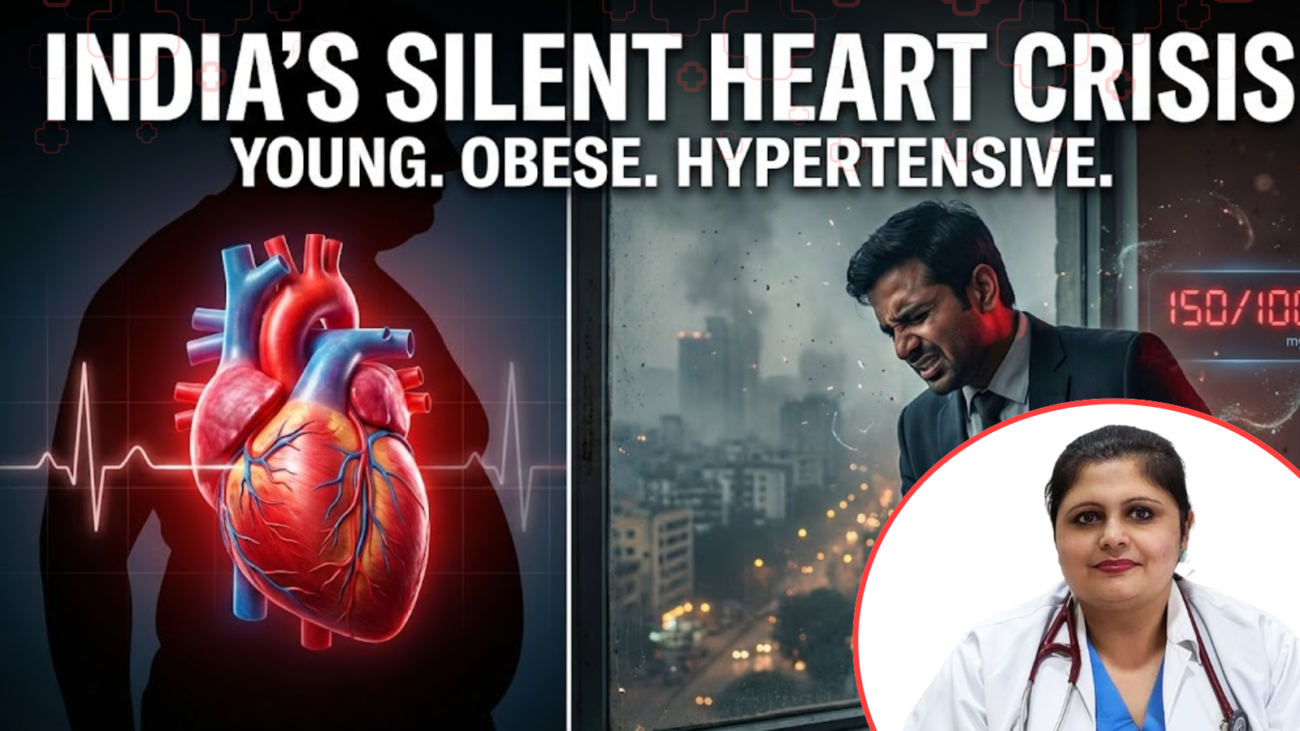
Glowing red heart and young Indian man with chest pain symbolizing India’s silent heart health crisis.

India’s Silent Heart Crisis: Obesity, BP, Pollution & Attacks

India is facing a heart health emergency — and it’s unfolding quietly.

Heart disease is no longer a condition affecting only the elderly. Across metro cities and smaller towns alike, cardiologists are reporting a disturbing rise in heart attacks among people in their 30s and 40s. Increasing obesity, uncontrolled high blood pressure, chronic stress, air pollution, and sedentary lifestyles are accelerating cardiovascular risk at an unprecedented pace.

Recent projections suggest that nearly one-third of India’s population could be obese by 2050. Meanwhile, hypertension continues to remain underdiagnosed and poorly controlled. Add rising pollution levels in urban regions, and the picture becomes even more concerning.

This article examines the four major drivers of India’s growing cardiac crisis — obesity, high blood pressure, pollution, and delayed diagnosis — and what individuals can do to protect themselves.

Why Are Heart Attacks Rising Among Young Indians?

Cardiologists across India have observed a clear pattern: younger patients are arriving at emergency rooms with acute heart attacks far more frequently than before.

Several contributing factors stand out:

  • High stress jobs and long working hours
  • Sleep deprivation
  • Processed and high-salt diets
  • Smoking and vaping
  • Undetected hypertension
  • Family history of heart disease

A detailed explainer on why heart attacks are increasing in young people in India breaks down the changing risk patterns seen in urban populations.

A recent media feature discussing the alarming increase in cardiovascular diseases highlights how lifestyle changes and metabolic disorders are pushing heart risk earlier in life. (Internal link: Firstpost cardiovascular surge article)

Many people still confuse cardiac arrest with heart attack, but understanding the difference is crucial — as explained in this guide on heart attack vs cardiac arrest differences.

Similarly, coverage explaining the growing number of heart attacks in young Indians provides insight into how risk factors are evolving. (Internal link: News18 youth heart attack article) 

Recent national coverage has examined the alarming rise in cardiovascular diseases among young Indians, highlighting how lifestyle disorders are accelerating heart risk.

Heart Attack vs Cardiac Arrest: Know the Difference

Many people use these terms interchangeably, but they are medically distinct.

  • Heart attack: A blockage in the coronary arteries stops blood flow to heart muscle.
  • Cardiac arrest: The heart suddenly stops beating due to electrical malfunction.

Understanding the difference can save lives — especially in emergency response situations. (Internal link: Heart attack vs cardiac arrest explanation article)

Obesity: The Biggest Hidden Trigger of Heart Disease

India is simultaneously battling undernutrition and rising obesity. Urban dietary patterns have shifted dramatically toward refined carbohydrates, processed foods, and sugary beverages.

Multiple national media reports have covered new findings projecting that obesity rates in India may surge sharply by 2050. (Internal link: India Today obesity study article)

Excess body fat, particularly visceral fat around the abdomen, triggers:

  • Chronic inflammation
  • Insulin resistance
  • Elevated cholesterol
  • Increased blood pressure

Over time, this metabolic cascade damages blood vessels and accelerates atherosclerosis — the primary cause of heart attacks.

According to recent projections covered in national media, nearly one-third of Indians may be obese by 2050, raising serious cardiovascular concerns.

In expert commentary featured across publications such as Financial Express, BW Healthcare World, and Firstpost, cardiologists have emphasized that obesity is not merely a cosmetic concern but a major cardiovascular threat. (Internal links: Financial Express article, BW Healthcare article, Firstpost obesity feature)

Experts have warned that obesity is not just a lifestyle issue but a ticking time bomb for heart disease.

Is Diet More Responsible Than Exercise?

While physical inactivity contributes to weight gain, several recent analyses suggest diet plays a larger role in India’s obesity surge. (Internal link: India Today diet vs exercise article)

High refined carb intake, excessive salt, trans fats, and sugary snacks are compounding metabolic risk — even among individuals who appear “moderately active.”

On World Obesity Day, doctors highlighted how India’s obesity rates are surging across all age groups.

A recent analysis also examined whether diet plays a bigger role than exercise in India’s obesity crisis.

High Blood Pressure: The Silent Killer

Hypertension rarely produces noticeable symptoms in early stages, yet it quietly damages arteries for years.

According to global health data, over 1.4 billion people worldwide suffer from high blood pressure — but only a fraction manage to control it effectively. Media coverage discussing the rapid rise in high blood pressure highlights the urgency of awareness and screening. (Internal link: ABP News BP article)

Common contributors in India include:

  • High salt consumption
  • Chronic stress
  • Sedentary work culture
  • Obesity
  • Poor sleep

Early Symptoms People Often Ignore

Although hypertension is often silent, some warning signs may appear:

  • Persistent headaches
  • Dizziness
  • Blurred vision
  • Fatigue
  • Shortness of breath

WHO-backed data suggests that high blood pressure cases are rising rapidly worldwide, with India contributing significantly.

Excessive salt intake remains one of the biggest dietary drivers. Experts have repeatedly cautioned against high sodium consumption in daily meals. Doctors also warn that excessive salt intake can significantly increase heart risk

Without treatment, hypertension significantly increases the risk of heart attack, stroke, and kidney disease.

Pollution & Heart Risk: An Overlooked Urban Danger

Air pollution is typically associated with respiratory problems — but its cardiovascular impact is equally serious.

Fine particulate matter (PM2.5) enters the bloodstream, triggering inflammation, increasing clot formation, and narrowing blood vessels.

Recent expert commentary has drawn attention to the link between pollution spikes and rising cardiovascular emergencies. Health experts recently cautioned that pollution spikes are increasing cardiovascular and respiratory problems in urban India.

Urban residents — particularly in Delhi NCR — face higher cumulative exposure. Those with existing hypertension, diabetes, or heart disease are especially vulnerable.

Stroke Warning Signs You Should Never Ignore

Stroke is one of the leading causes of disability and death in India. What many people don’t realize is that warning signs often appear days before a major event.

Reports indicate that nearly half of stroke patients experience symptoms in the week prior. Research suggests that almost half of stroke patients report warning signs one week before the event.

These may include:

  • Sudden numbness or weakness (especially on one side)
  • Difficulty speaking
  • Facial drooping
  • Sudden severe headache
  • Loss of coordination

The FAST rule helps identify emergencies:

  • Face drooping
  • Arm weakness
  • Speech difficulty
  • Time to call emergency services

Immediate treatment dramatically improves survival and recovery.

For advanced cardiac evaluation and preventive heart screening, patients can consult Dr. Sukriti Bhalla, Senior Consultant – Cardiology at Aakash Healthcare, New Delhi, who has been widely featured for her expert insights on heart health. 

Dr. Sukriti Bhalla, Senior Consultant – Cardiology at Aakash Healthcare, New Delhi

How to Protect Your Heart in 2026: Practical Prevention Steps

The encouraging news? Most cardiovascular risk factors are modifiable.

Here are practical steps:

  1. Get annual heart screening after age 30
  2. Monitor waist circumference
  3. Reduce salt intake
  4. Exercise at least 30 minutes daily
  5. Maintain 7–8 hours of sleep
  6. Stop smoking and avoid vaping
  7. Limit alcohol consumption
  8. Manage stress through mindfulness or therapy
  9. Check lipid profile and blood sugar regularly
  10. Know your family history

Small, consistent changes can significantly lower long-term risk.

When Should You See a Cardiologist?

You should consult a heart specialist if you experience:

  • Recurrent chest discomfort
  • Breathlessness on mild exertion
  • Repeated high BP readings
  • Strong family history of heart disease
  • Diabetes combined with obesity

Early evaluation prevents major emergencies.

For individuals seeking expert cardiac evaluation, you can learn more about Dr. Sukriti Bhalla, Senior Consultant – Cardiology, Aakash Healthcare (New Delhi), and her work in interventional cardiology here:
(Internal link: India’s Super Top 10 Cardiologist in Delhi profile page)

Dr. Bhalla has also shared expert insights in multiple national publications addressing obesity, cardiovascular risk, pollution, and hypertension trends.

Conclusion: Awareness Is the First Line of Defense

India’s heart health crisis is real — but it is preventable.

Obesity, uncontrolled blood pressure, poor dietary habits, rising pollution, and delayed screenings are accelerating cardiovascular risk. However, informed lifestyle changes and timely medical consultation can significantly reduce the likelihood of heart attack or stroke.

Heart disease is no longer an “old age problem.” Prevention must begin early — in your 30s, not your 60s.

Regular check-ups, healthy habits, and early action remain the most powerful tools in protecting your heart. 

Frequently Asked Questions (FAQs)

1. Why are heart attacks increasing among young Indians?

Rising obesity, stress, sedentary lifestyles, smoking, poor diet, and undiagnosed hypertension are major contributors to early heart disease in India.

2. Can obesity directly cause heart disease?

Yes. Obesity increases inflammation, cholesterol levels, insulin resistance, and blood pressure — all of which significantly raise heart attack and stroke risk.

3. Does air pollution affect heart health?

Yes. Fine particulate matter (PM2.5) can enter the bloodstream, trigger inflammation, increase clot formation, and worsen existing heart conditions.

4. What are early warning signs of a stroke?

Sudden numbness, facial drooping, difficulty speaking, weakness on one side, and severe headache are early warning signs. Immediate medical attention is critical.

cardiologist in dwarka

Common Heart Conditions Treated by the Best Cardiologist in Dwarka

Best Cardiologist in Dwarka

Heart disease continues to be one of the leading causes of illness across all age groups in India. With changing lifestyles, rising stress levels, sedentary habits, and dietary imbalances, cardiac conditions are no longer limited to the elderly. Young adults, working professionals, and even athletes are increasingly being diagnosed with heart-related problems that require expert evaluation and timely care. This makes access to an experienced and trusted cardiologist not just important—but essential.

Residents of Dwarka benefit from advanced cardiac care options that focus on early diagnosis, preventive cardiology, and long-term heart health management. A skilled cardiologist plays a vital role in identifying subtle symptoms, interpreting complex diagnostic tests, and designing personalised treatment plans that suit each patient’s lifestyle and medical history. This blog explores the most common heart conditions treated by the best cardiologist in Dwarka, helping patients understand symptoms, causes, and treatment approaches. Being informed is the first step toward protecting your heart—because when it comes to cardiac health, timely intervention can truly be life-saving.

Hypertension (High Blood Pressure)

Hypertension is one of the most common yet silent heart conditions. Many patients remain unaware of high blood pressure until it causes complications such as a heart attack, stroke, or kidney damage. A cardiologist focuses on accurate diagnosis through regular monitoring and evaluates contributing factors like stress, obesity, genetics, and diet.

Treatment typically includes lifestyle modification, salt restriction, weight management, stress control, and medications when required. Long-term monitoring is essential to prevent damage to the heart and blood vessels.

Coronary Artery Disease (CAD)

Coronary artery restricts blood flow and can lead to chest pain (angina) or a heart attack. Symptoms may include chest discomfort, shortness of breath, fatigue, or pain radiating to the arm or jaw.

A cardiologist uses diagnostic tools such as ECG, echocardiography, stress tests, and angiography to assess severity. Treatment may involve medications, lifestyle changes, and, in advanced cases, interventional procedures.

Heart Rhythm Disorders (Arrhythmias)

Conditions such as atrial fibrillation, bradycardia, and tachycardia can increase the risk of stroke and heart failure if untreated. Patients may experience palpitations, dizziness, fainting, or fatigue. A cardiologist identifies rhythm abnormalities using Holter monitoring and ECG studies. Treatment ranges from medications and lifestyle changes to advanced rhythm management strategies.

Heart Failure

Heart failure does not mean the heart has stopped working; rather, it means the heart cannot pump blood efficiently. It can result from long-standing hypertension, coronary artery disease, or cardiomyopathy.

Common symptoms include breathlessness, swelling in the legs, rapid weight gain, and persistent fatigue. The Best Cardiologist in Dwarka focuses on improving heart function, reducing symptoms, and preventing hospitalisation through medications, dietary management, and structured follow-up care.

Valvular Heart Disease

When valves become narrowed (stenosis) or leaky (regurgitation), it can strain the heart and reduce efficiency. Patients may notice shortness of breath, chest pain, dizziness, or swelling. Echocardiography plays a key role in diagnosis. Depending on severity, treatment may involve medical management or referral for advanced interventions.

Cardiomyopathy

Cardiomyopathy may be genetic or develop due to infections, alcohol use, or metabolic disorders. A cardiologist in Dwarka evaluates heart structure and function and designs a treatment plan aimed at stabilising heart performance and improving quality of life.

Congenital Heart Conditions (Adult Follow-Up)

Some individuals are born with structural heart defects that require lifelong monitoring. Even after childhood treatment, adult follow-up with a cardiologist is essential to detect late complications.

These conditions may include septal defects, valve abnormalities, or abnormal blood vessel connections. Ongoing cardiac care ensures optimal heart function and safe daily activity levels.

Preventive Cardiology and Risk Assessment

Prevention is a cornerstone of modern cardiology. A cardiologist assesses risk factors such as cholesterol levels, diabetes, smoking, family history, and lifestyle habits.

Preventive care focuses on early detection, customised exercise guidance, dietary planning, and stress management. This proactive approach helps reduce the risk of heart attacks and improves long-term cardiovascular health.

When Should You See a Cardiologist?

You should consult a cardiologist if you experience:

  • Persistent chest pain or discomfort
  • Shortness of breath during routine activities
  • Irregular heartbeat or palpitations
  • Swelling in the legs or sudden weight gain
  • Family history of heart disease

Early consultation often prevents serious complications and leads to better treatment outcomes.

Bottom Line

Heart health is not something to take lightly, especially in today’s fast-paced lifestyle, where stress and poor habits silently impact cardiovascular well-being. From managing common conditions like hypertension and coronary artery disease to diagnosing complex rhythm disorders and heart failure, expert cardiology care can make a profound difference in both longevity and quality of life.

If you are looking for compassionate, comprehensive, and patient-focused Best Cardiologist in Dwarka, consult a trusted specialist who combines clinical expertise with modern diagnostic precision. To learn more about advanced heart care services and book a consultation, visit Dr Sukriti Bhalla—your partner in protecting and strengthening your heart for the years ahead.

Dr. Sukriti Bhalla

Why Best Cardiologist Doctor in Delhi Improves Life

Your heart is the core of your well-being—every breath, every movement, and every moment of your day depends on its ability to function smoothly. Yet, heart-related issues often progress silently. Many people ignore mild symptoms like fatigue, breathlessness, chest discomfort, and palpitations, assuming they are temporary. However, these warning signs can indicate underlying cardiovascular conditions that need professional attention. This is where consulting the Best Cardiologist Doctor in Delhi becomes essential.

In a fast-paced city like Delhi, where stress levels, pollution, lifestyle habits, and long working hours can severely impact cardiovascular health, seeking care from the best cardiologist is more than just a precaution—it’s an investment in your long-term quality of life. Whether you’re managing an existing heart condition, at risk due to family history, or simply want to maintain strong cardiovascular health, early intervention and expert guidance can make a remarkable difference.

Early Detection of Heart Problems

Many heart diseases develop quietly. High blood pressure, coronary artery disease, arrhythmias, or early-stage heart failure often show minimal symptoms in the beginning. A top cardiologist uses advanced diagnostic tools—ECGs, stress tests, echocardiograms, angiography, and more—to detect issues long before they escalate.

Early detection offers several life-changing advantages:

  • You can begin treatment before complications arise.
  • You avoid severe symptoms or emergencies.
  • You gain control over your health rather than reacting to crises.

By catching warning signs early, you significantly increase the chances of successful treatment, which directly contributes to a longer, healthier life.

Personalised Treatment and Expert Care

Every heart is unique, and so is every patient’s medical condition. The best cardiologists in Delhi take a patient-centric approach, tailoring treatment plans according to individual symptoms, age, lifestyle, and medical history.

best cardiologist doctor in delhi​

This personalised care may include:

  • Medication plans
  • Minimally invasive procedures
  • Dietary and exercise recommendations
  • Regular monitoring through follow-up visits

Customised cardiology care ensures higher success rates and minimises the risk of complications. It also boosts your confidence because you know your treatment is designed precisely for your needs.

Prevention of Major Cardiac Events

A heart attack or stroke doesn’t happen overnight—it is usually the result of long-term cardiac stress, clogged arteries, uncontrolled hypertension, or unmanaged lifestyle issues. Consulting a highly skilled cardiologist significantly reduces your chances of such medical emergencies.

The Best Cardiologist Doctor in Delhi monitors your risk factors and helps you manage:

  • Cholesterol levels
  • Blood pressure
  • Blood sugar
  • Obesity
  • Stress and lifestyle choices

Preventing a heart attack dramatically improves your quality of life, allowing you to enjoy daily activities without fear or limitations.

Better Management of Chronic Conditions

If you already have a heart condition—such as hypertension, arrhythmia, congenital disorders, or coronary artery disease—regular guidance from an expert cardiologist is crucial. Chronic heart conditions need continuous monitoring and adjustments to treatment.

A well-trained cardiologist helps you:

  • Prevent worsening of your condition
  • Reduce symptoms like fatigue, chest pain, and dizziness
  • Improve your mobility and stamina
  • Avoid hospitalisations and complications

Properly managing chronic conditions can make your daily life more active, comfortable, and fulfilling.

Improved Lifestyle and Long-Term Health

A cardiologist is not just a doctor for emergencies—they are your long-term partner in creating a healthier lifestyle. The best cardiologist in Delhi guides you through changes that significantly enhance your overall well-being.

These may include:

  • Healthy eating habits
  • Structured exercise programs
  • Stress management techniques
  • Smoking and alcohol reduction plans
  • Sleep improvement strategies

Small yet consistent lifestyle changes create massive positive outcomes over time. Better sleep, increased energy, weight control, and improved emotional health all stem from a heart-healthy routine shaped by your cardiologist’s expertise.

Access to Advanced Technology and Treatments

Delhi is home to some of India’s most advanced medical facilities and cardiology experts. Consulting the best cardiologist specialist doctor gives you access to cutting-edge treatments such as:

  • Minimally invasive angioplasty
  • Stent placement
  • Electrophysiology studies
  • Advanced cardiac imaging
  • Holter monitoring
  • Pacemaker and ICD implantation

These modern techniques ensure precise diagnosis, quick recovery, and safer treatment outcomes—ultimately improving your overall quality of life.

Emotional Support and Peace of Mind

Living with heart concerns can create anxiety and fear. Regular consultations offer reassurance and mental clarity, reducing stress levels, which itself is a major contributor to heart issues.

A good cardiologist:

  • Takes time to explain your condition
  • Helps you understand progress and improvements
  • Supports you emotionally through recovery
  • Builds trust and confidence in the treatment process

Feeling mentally secure positively impacts physical healing, making your journey smoother.

cardiologist specialist doctor

Enhances Longevity and Daily Functioning

A healthy heart helps you live longer—and live better. By consulting a skilled cardiologist, you can enjoy:

  • Higher energy levels
  • Better physical performance
  • Improved focus and productivity
  • Lower fatigue
  • Stronger immunity and overall wellness

When your heart is healthy, everything from climbing stairs to enjoying family time becomes easier and more enjoyable.

End Thoughts

Your heart deserves the best care possible, and consulting the top cardiologist in Delhi can dramatically improve your quality of life—physically, mentally, and emotionally. From early detection and personalised treatment to long-term lifestyle guidance and advanced cardiac procedures, expert cardiology care is the foundation of a healthier future.If you’re looking for trusted cardiac care, expert diagnosis, and compassionate treatment, consider consulting Dr Sukriti Bhalla, one of the Best Cardiologist Doctor in Delhi, known for exceptional patient care and modern medical expertise. Take the first step toward a stronger heart and a better life by visiting us.

different types of pacemakers and implantable defibrillators

How Smoking in Winter Increases Heart Risks

How Smoking in Winter Increases Heart Risks

Smoking is harmful to health year-round, but the risks are even more pronounced during the winter season, especially for heart health. Cold weather already causes blood vessels to constrict, making the heart work harder to pump blood. When combined with the chemicals from smoking, the situation becomes even more dangerous, significantly increasing the risk of heart attack and stroke. Dr. Sukriti Bhalla, a renowned cardiologist, emphasizes the importance of quitting smoking, particularly in winter, to protect your cardiovascular system.

Why Is Winter More Dangerous for Smokers?

  1. Vasoconstriction: During winter, exposure to cold temperatures naturally causes blood vessels to narrow, raising blood pressure and putting extra strain on the heart. Smoking further exacerbates this issue by releasing nicotine, which also constricts blood vessels.
  2. Increased Heart Rate: Nicotine causes the heart to beat faster. This, combined with the effects of winter, means the heart is under constant stress. Over time, this can lead to arrhythmias or heart failure.
  3. Oxygen Deprivation: Smoking reduces the amount of oxygen available in the blood. In cold weather, when the body needs more oxygen to keep itself warm, this shortage can be detrimental, leading to fatigue, shortness of breath, or worse, a heart attack.
  4. Inflammation: Smoking causes chronic inflammation in the arteries, increasing the likelihood of blockages. In winter, the body’s natural inflammatory response is already heightened, making smokers doubly vulnerable.

How to Quit Smoking and Safeguard Your Heart This Winter

  • Set a Quit Date: Start with a goal to quit, and stick to it. Winters can be an ideal time to make this change as you focus on overall health during the season.
  • Seek Support: Dr. Sukriti Bhalla suggests joining smoking cessation programs or seeking advice from your healthcare provider to manage withdrawal symptoms.
  • Switch to Healthier Alternatives: When you feel the urge to smoke, distract yourself with healthy snacks, breathing exercises, or chewing sugar-free gum.
  • Stay Warm: Layering up in cold weather reduces the stress on your heart, helping you manage withdrawal symptoms better.
  • Monitor Heart Health: Regular check-ups with a cardiologist, like Dr. Bhalla, can help assess and address early signs of heart damage caused by smoking.

Dr. Sukriti Bhalla’s Expert Advice

According to Dr. Bhalla, smokers often underestimate the combined effects of cold weather and smoking on heart health. “The best time to quit smoking is always now, but if you’re in the winter months, your heart is already working overtime due to the cold. Every cigarette is an additional burden your heart doesn’t need,” she says.

Key Takeaway

Quitting smoking, staying warm, and leading a healthier lifestyle in the winter can significantly reduce your risk of heart complications. If you’ve been smoking for years, don’t hesitate to consult a specialist like Dr. Sukriti Bhalla, who can guide you toward a healthier, smoke-free life.

How to Control Blood Pressure

ब्लड प्रेशर को कंट्रोल करने के 5 प्राकृतिक तरीके

ब्लड प्रेशर को कंट्रोल करने के 5 प्राकृतिक तरीके

उच्च रक्तचाप, जिसे हाई ब्लड प्रेशर भी कहते हैं, एक गंभीर स्वास्थ्य समस्या है जो हृदय रोग, स्ट्रोक और अन्य स्वास्थ्य समस्याओं का खतरा बढ़ा सकती है। अच्छी बात यह है कि जीवनशैली में कुछ बदलाव करके रक्तचाप को प्राकृतिक रूप से नियंत्रित किया जा सकता है। यहाँ 5 प्राकृतिक तरीके दिए गए हैं जिनसे आप अपने ब्लड प्रेशर को नियंत्रित कर सकते हैं:

1. स्वस्थ आहार लें:

  • फल और सब्जियां: पोटेशियम से भरपूर खाद्य पदार्थों का सेवन बढ़ाएँ, जैसे केले, पालक, शकरकंद, और एवोकाडो। ये खाद्य पदार्थ सोडियम के प्रभाव को कम करने में मदद करते हैं।
  • साबुत अनाज: अपने आहार में साबुत अनाज जैसे ओट्स, ब्राउन राइस, और क्विनोआ शामिल करें। ये फाइबर से भरपूर होते हैं जो रक्तचाप को कम करने में मदद करते हैं।
  • कम वसा वाले डेयरी उत्पाद: दूध, दही, और पनीर जैसे कम वसा वाले डेयरी उत्पाद कैल्शियम के अच्छे स्रोत होते हैं, जो रक्तचाप को नियंत्रित करने में मदद कर सकते हैं।
  • कम सोडियम: नमक का सेवन कम करें। प्रोसेस्ड और पैकेज्ड खाद्य पदार्थों से बचें, जिनमें अक्सर सोडियम की मात्रा अधिक होती है। खाना बनाते समय और टेबल पर नमक का उपयोग कम करें।
  • कम सैचुरेटेड और ट्रांस फैट: ये वसा हृदय स्वास्थ्य के लिए हानिकारक होते हैं और रक्तचाप बढ़ा सकते हैं। मक्खन, लाल मांस, और तले हुए खाद्य पदार्थों का सेवन सीमित करें।

Follow us on Facebook

2. नियमित व्यायाम करें:

  • हफ्ते के ज़्यादातर दिनों में कम से कम 30 मिनट तक मध्यम-तीव्रता वाला व्यायाम करें। तेज चलना, दौड़ना, साइकिल चलाना, तैरना, और डांसिंग जैसे गतिविधियाँ रक्तचाप को कम करने में मददगार होती हैं।
  • शारीरिक गतिविधि को अपनी दिनचर्या में शामिल करें। लिफ्ट की जगह सीढ़ियों का इस्तेमाल करें, पैदल चलें या साइकिल चलाकर काम पर जाएँ, और ब्रेक के दौरान स्ट्रेचिंग करें।

3. स्वस्थ वज़न बनाए रखें:

  • अधिक वज़न या मोटापा रक्तचाप बढ़ा सकता है। धीरे-धीरे वज़न कम करने से रक्तचाप को कम करने में मदद मिल सकती है।
  • स्वस्थ आहार और नियमित व्यायाम के माध्यम से वज़न कम करें।

4. तनाव का प्रबंधन करें:

  • तनाव रक्तचाप बढ़ा सकता है। योग, ध्यान, गहरी साँस लेने के व्यायाम, और प्रकृति में समय बिताने जैसी तकनीकों से तनाव को कम करें।
  • पर्याप्त नींद लें। नींद की कमी तनाव बढ़ा सकती है और रक्तचाप को भी प्रभावित कर सकती है। हर रात 7-8 घंटे की नींद लेने का लक्ष्य रखें।

5. धूम्रपान और शराब का सेवन सीमित करें:

  • धूम्रपान रक्तचाप बढ़ाता है और हृदय स्वास्थ्य के लिए बहुत हानिकारक है। धूम्रपान छोड़ना आपके रक्तचाप और समग्र स्वास्थ्य को बेहतर बनाने के लिए सबसे अच्छी चीजों में से एक है।
  • अत्यधिक शराब का सेवन रक्तचाप बढ़ा सकता है। महिलाओं के लिए प्रतिदिन एक ड्रिंक और पुरुषों के लिए प्रतिदिन दो ड्रिंक तक शराब का सेवन सीमित करें।

Also Read Heart Health in Winters: Essential Tips by Dr. Sukriti Bhalla, Renowned Cardiologist

अतिरिक्त सुझाव:

  • नियमित रूप से अपने रक्तचाप की जाँच करें। अपने डॉक्टर से बात करें कि आपको कितनी बार अपने रक्तचाप की जाँच करनी चाहिए।
  • अपने डॉक्टर द्वारा बताई गई दवाओं का सेवन करते रहें। यदि आपको उच्च रक्तचाप के लिए दवाएँ लिखी गई हैं, तो उन्हें निर्देशानुसार लेते रहें।
  • अपने डॉक्टर से नियमित रूप से मिलें। वे आपके रक्तचाप की निगरानी कर सकते हैं और आपकी उपचार योजना में आवश्यक बदलाव कर सकते हैं।

ये प्राकृतिक तरीके आपके रक्तचाप को नियंत्रित करने और आपके हृदय स्वास्थ्य को बेहतर बनाने में मदद कर सकते हैं। हालांकि, यह ध्यान रखना महत्वपूर्ण है कि ये सुझाव चिकित्सा सलाह का विकल्प नहीं हैं। यदि आपको उच्च रक्तचाप है, तो अपने डॉक्टर से बात करना महत्वपूर्ण है ताकि वे आपके लिए सबसे अच्छी उपचार योजना विकसित कर सकें।

10 Simple Tips for a Healthy Heart: Keep Your Heart Strong and Happy!

10 Simple Tips for a Healthy Heart: Keep Your Heart Strong and Happy!

A healthy heart is the foundation of a long and vibrant life. With heart disease being one of the leading causes of death worldwide, it’s more important than ever to take control of your heart health. But don’t worry—keeping your heart in great shape doesn’t have to be complicated! In this blog, we’ll share 10 simple yet powerful tips that you can start using today to maintain a healthy heart.

What is a Healthy Heart?

Your heart is the engine that powers your body. A healthy heart efficiently pumps blood, delivers nutrients, and supports every organ, allowing you to live a full and active life. But what does a healthy heart truly mean? It means maintaining balanced cholesterol levels, proper blood pressure, and strong blood vessels. And the good news is that these are all within your control!

10 Simple Tips to Achieve a Healthy Heart

1. Stay Active – 30 Minutes a Day Keeps Your Heart Happy

Physical activity is key to a healthy heart. Aim for at least 30 minutes of moderate exercise like walking, cycling, or swimming. Regular exercise strengthens your heart muscles, improves circulation, and helps maintain healthy blood pressure.

2. Eat Heart-Healthy Foods

What you eat directly affects your heart. Load up on fruits, vegetables, whole grains, and healthy fats like olive oil. Foods rich in omega-3 fatty acids, such as salmon and flaxseeds, are especially good for a healthy heart.

3. Quit Smoking – Your Heart Will Thank You!

Smoking is one of the worst enemies of a healthy heart. It increases the risk of heart disease and damages your blood vessels. If you’re a smoker, quitting is one of the best things you can do for your heart.

4. Manage Stress Levels

Chronic stress can take a toll on your heart health. Practice relaxation techniques like deep breathing, yoga, or meditation to reduce stress and protect your healthy heart.

5. Keep an Eye on Your Blood Pressure

High blood pressure is often called the “silent killer” because it can damage your heart without any obvious symptoms. Regularly checking your blood pressure helps ensure your heart stays in optimal shape.

6. Limit Your Alcohol Intake

While moderate alcohol consumption can have some heart benefits, excessive drinking is harmful. Stick to no more than one drink per day for women and two for men to maintain a healthy heart.

7. Get Plenty of Sleep

Your heart needs rest, too! Lack of sleep increases the risk of heart disease. Aim for 7-9 hours of quality sleep every night to give your heart the downtime it needs to stay strong and healthy.

8. Maintain a Healthy Weight

Excess weight puts extra strain on your heart. Keeping a healthy weight through diet and exercise is essential for a healthy heart. If you’re overweight, even losing a small amount of weight can significantly improve your heart health.

9. Control Cholesterol Levels

High cholesterol levels can lead to plaque buildup in your arteries, increasing your risk of heart disease. Incorporate foods that are low in cholesterol and avoid trans fats to protect your healthy heart.

10. Stay Hydrated

Water is essential for overall health, including heart health. Drinking enough water helps maintain proper blood volume and keeps your heart pumping efficiently. Aim for 8 glasses of water a day to support your healthy heart.

Why Your Heart Deserves Extra Care

Taking care of your heart is not just about living longer—it’s about living better. A healthy heart allows you to enjoy life’s adventures, whether it’s playing with your kids, going on that dream vacation, or simply feeling energized every day. Your heart works hard for you, and these easy tips can help ensure it stays strong for years to come.

Conclusion: Small Changes Lead to a Healthier Heart

You don’t have to overhaul your entire life to maintain a healthy heart. By making small, manageable changes to your diet, lifestyle, and daily routine, you can protect your heart and enjoy a healthier, longer life. Start today by implementing one or two of these tips, and your heart will thank you in the long run.

A healthy heart isn’t just a dream—it’s a reality within reach!

7 Important Facts About Heart Surgeries: Understanding the Procedures and Their Impact

7 Important Facts About Heart Surgeries: Understanding the Procedures and Their Impact

Heart surgeries are critical procedures that can save lives and improve the quality of life for those with cardiovascular conditions. Understanding the types of heart surgeries, their risks, and benefits is essential for patients and their families. In this article, we will explore seven essential facts about heart surgeries, shedding light on their importance and what you need to know before undergoing such procedures.

7 Important Facts About Heart Surgeries: Understanding the Procedures and Their Impact

1. What Are Heart Surgeries?

Also Read : Top 5 Dangerous Risk Factors for Cardiovascular Disease

Heart surgeries refer to a variety of medical procedures performed to correct or improve conditions affecting the heart. These surgeries can involve repairing damaged heart structures, bypassing blocked arteries, or even transplanting a heart. Knowing the different types of heart surgeries can help patients and families make informed decisions regarding treatment options.

2. Common Types of Heart Surgeries

There are several types of heart surgeries, each designed to address specific heart issues:

  • Coronary Artery Bypass Grafting (CABG): This procedure is performed to bypass blocked coronary arteries, restoring blood flow to the heart muscle. CABG is one of the most common heart surgeries and is often recommended for patients with severe coronary artery disease.
  • Heart Valve Repair or Replacement: Damaged heart valves can be repaired or replaced to ensure proper blood flow through the heart. This surgery is essential for patients suffering from conditions like stenosis or regurgitation.
  • Aneurysm Repair: An aortic aneurysm occurs when a section of the aorta weakens and bulges. Surgical repair is necessary to prevent rupture, which can be life-threatening.

Understanding the different types of heart surgeries can help patients recognize the best options for their conditions.

3. Heart Surgeries and Their Risks

Like any surgical procedure, surgeries carry certain risks. Potential complications can include:

  • Infection: There is a risk of infection at the surgical site or in the heart.
  • Blood Clots: Patients may develop blood clots that can lead to strokes or other complications.
  • Arrhythmias: Heart surgeries can sometimes lead to irregular heartbeats, requiring further treatment.

Being aware of these risks can help patients prepare mentally and physically for heart surgeries.

4. Preparing for Heart. Surgeries

Preparation is key to successful surgeries. Here are essential steps patients should take:

  • Consult with Healthcare Providers: A thorough discussion with your cardiologist and surgeon about the procedure, its benefits, and potential risks is vital.
  • Lifestyle Changes: Adopting a heart-healthy lifestyle, including a balanced diet, regular exercise, and quitting smoking, can improve surgical outcomes.
  • Preoperative Testing: Patients may need various tests, such as blood tests, EKGs, and imaging studies, to assess their heart health before surgery.

Taking these preparation steps can increase the chances of successful surgery

5. Recovery After Heart. Surgeries

Recovery from heart surgeries is a critical phase of the treatment process. Patients should expect:

  • Hospital Stay: The length of stay varies depending on the type of surgery but generally ranges from a few days to a week.
  • Follow-Up Care: Regular follow-ups with healthcare providers are essential to monitor recovery and manage medications.
  • Gradual Return to Activities: Patients are advised to gradually resume daily activities, listening to their bodies and avoiding overexertion.

Understanding the recovery process helps patients prepare for what lies ahead after heart .surgeries.

6. The Role of Cardiac Rehabilitation

Cardiac rehabilitation plays a vital role in the recovery process after heart .surgeries. This structured program includes:

  • Supervised Exercise: Patients engage in physical activity tailored to their needs, helping to regain strength and improve cardiovascular fitness.
  • Education and Support: Patients receive education about heart-healthy lifestyles, medication management, and stress reduction techniques.
  • Emotional Support: Dealing with a heart condition can be stressful; therefore, emotional support is crucial during recovery.

Participating in cardiac rehabilitation can enhance recovery and improve overall heart health after surgeries.

7. The Importance of Follow-Up Care

After heart surgeries, follow-up care is critical for long-term success. Regular check-ups with healthcare providers allow for:

  • Monitoring Recovery: Assessing healing progress and managing any complications that may arise.
  • Adjusting Medications: Modifying medications as needed to optimize heart health and prevent future issues.
  • Ongoing Support: Providing emotional and educational support for patients and their families.

Establishing a robust follow-up care plan is essential for ensuring lasting heart health after surgeries.

Conclusion: The Impact of Heart Surgeries on Life Quality

Heart surgeries are life-saving procedures that can significantly enhance the quality of life for patients with cardiovascular conditions. By understanding the types of surgeries, their risks, preparation steps, and recovery processes, patients can make informed decisions and optimize their heart health. Remember, successful heart surgeries require a team approach, including healthcare providers, patients, and families working together for a healthier future.

Follow us on Facebook