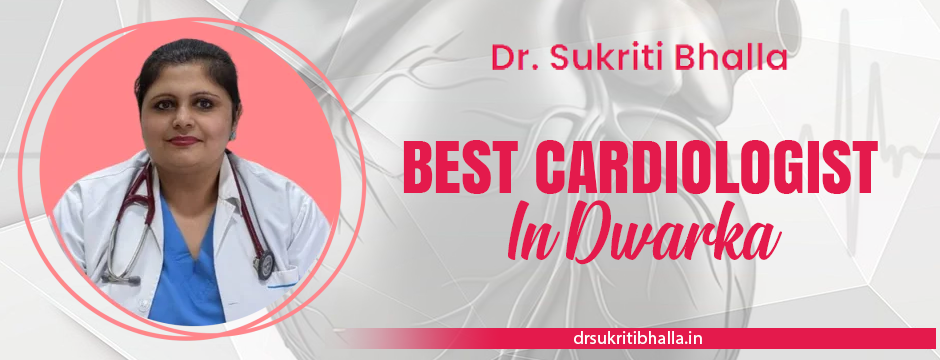
Need a trusted doctor nearby? Dr. Sukriti Bhalla is among the best physicians in Dwarka. She handles common health issues with care and skill. Whether you’re unwell or just feel off, she finds the cause and treats it right.
Clear, Simple Care That Works
Health issues can feel scary or confusing. Dr. Bhalla makes things simple. She listens first, explains clearly, and starts with what matters most—your comfort and recovery.
She treats:
Fever, cold, and flu
Stomach pain and gas
Headache and migraine
Tiredness or weakness
Blood pressure issues
Diabetes and sugar problems
Infections and allergies
Sleep problems or stress
You don’t need to guess what’s wrong. She helps you understand your body better.
One Doctor for Most Health Needs
Dr. Bhalla is the first doctor to visit when you are unwell. She checks your symptoms, recommends tests if needed, and provides both short term and long term care.
She can:
Diagnose health problems early
Manage long-term issues like BP and sugar
Guide your diet and daily routine
Offer regular health checkups
Refer you to specialists if needed
She is your go-to doctor for most health issues.
Trusted by Families in Dwarka
Why do so many people call her the best physician in Dwarka?
She gives time to every patient
She explains things in simple words
She makes sure your treatment suits you
Her care is kind, honest, and effective
She follows up when needed
Patients feel safe and heard under her care.
Full Checkups Available
Don’t wait for symptoms to get worse. Dr. Bhalla offers full body checkups to find problems early. Early care helps you stay healthy.
Checkups may include:
Blood sugar and BP checks
Thyroid and cholesterol tests
Vitamin levels
Liver and kidney function tests
ECG or other scans (if needed)
She keeps track of your reports and explains what to do next.
Long-Term Care for Chronic Problems
Some health issues take time to manage. Dr. Bhalla helps you handle conditions like:
Diabetes
High blood pressure
Thyroid imbalance
Hormone changes
Weight gain or loss
She adjusts your care plan step by step. You don’t feel rushed or confused.
When Should You See a Physician?
Make an appointment if you:
Feel tired for no clear reason
Have a fever that won’t go away
Feel dizzy or weak often
Have stomach problems
Can’t sleep or feel stressed
Notice sudden weight changes
Have chest pain or headaches
Early checks can prevent serious health issues.
Gentle Care for Women’s Health
Dr. Bhalla also supports women with:
Period issues
PCOS or thyroid problems
Hormone imbalance
Menopause-related changes
General weakness or stress
Her care is private and supportive. You can speak freely and get honest advice.
Clinic That Cares
Dr. Bhalla’s clinic in Dwarka is easy to reach, calm, and clean. Appointments run on time. Her staff is polite and helpful. Most tests are done nearby, and reports come in fast.
Visit the Best Physician in Dwarka
If your body feels off, or you just want a health check, Dr. Sukriti Bhalla is here to help. Her care is real, calm, and based on what works. Call now to book your visit with the best physician in Dwarka. Your health deserves the right care. Start today!
Best Pacemaker Doctor in Delhi – Dr. Sukriti Bhalla
Looking for the best pacemaker doctor in Delhi? Meet Dr. Sukriti Bhalla. She is a trusted heart specialist with years of experience in pacemaker care.
Dr. Bhalla helps patients with slow heartbeats, fainting spells, and other rhythm issues. She guides you through testing, surgery, and aftercare—all with clear and simple steps.
Expert Pacemaker Treatment You Can Trust
A pacemaker helps your heart beat at the right speed. If your heart is too slow or skips beats, a pacemaker may be the right solution.
Dr. Sukriti Bhalla explains things in plain words. She makes sure you understand what’s happening and why. Her goal is to keep your heart strong and your life on track.
Why Choose Dr. Sukriti Bhalla?
Specializes in pacemaker cases
Simple and clear in communication
Offers full care before and after surgery
Trusted by patients across Delhi
Works with top hospitals and labs
You will always know what’s being done, why it matters, and what comes next.
What Is a Pacemaker?
A pacemaker is a small device placed under the skin near the chest. It helps control your heartbeat. It sends signals to your heart when the rhythm is too slow or irregular.
You may need a pacemaker if you feel:
Faint or dizzy often
Short of breath during rest
Tired even after light activity
Chest pain with no clear reason
Irregular or skipped heartbeats
If you have these signs, Dr. Bhalla can check if a pacemaker will help.
Who Needs a Pacemaker?
People with these heart problems may need one:
Bradycardia (slow heartbeat)
Heart block
Sick sinus syndrome
Fainting from rhythm issues
Trouble with heartbeat after a heart attack
Dr. Sukriti Bhalla will run simple tests to confirm if your heart needs help. These tests are safe and quick.
Tests and Diagnosis
Before deciding on a pacemaker, Dr. Bhalla may suggest:
ECG – A quick test to see your heart’s rhythm
Holter Monitor – Tracks your heartbeat over 24–48 hours
Echocardiogram – Shows how well your heart is pumping
TMT – Tests heart rate while walking on a treadmill
She explains each test in simple terms before starting. You will always know what’s being done and why.
Pacemaker Surgery and Care
Dr. Sukriti Bhalla performs pacemaker surgery in top hospitals in Delhi. The procedure is safe, takes about 1–2 hours, and recovery is usually quick.
After surgery, she gives you clear steps on how to care for your device:
How to move safely in the first few weeks
Which things to avoid near the pacemaker
How often to check the device
When to return for follow-ups
She stays in touch after the procedure to track your recovery.
Life after a Pacemaker
With a pacemaker, most people return to normal life. Dr. Bhalla helps you stay active and healthy with simple tips.
She will guide you on:
Exercise that suits your condition
Foods that support heart health
Medicines that may help
When to get your pacemaker checked or adjusted
With the right care, your heart can stay strong for years.
Visit the Best Pacemaker Doctor in Delhi
Don’t wait if your heartbeat feels off. The sooner you act, the better your heart will feel. Call now to schedule your visit with Dr. Sukriti Bhalla, the best pacemaker doctor in Delhi.
Your heart deserves the best care. She’s here to help.
Looking for the best diabetologist in Dwarka? Dr. Sukriti Bhalla is trusted by many for her honest and clear care. She helps people control their sugar levels and feel better every day.
Her advice is simple. Her treatment plans are easy to follow. And her care really works.
Diabetes Care You Can Trust Diabetes lasts a lifetime, but it doesn’t have to control you. With the right help, you can stay healthy.
Dr. Sukriti Bhalla understands that every person is different. She treats you based on your age, health, and daily routine.Why Choose Dr. Sukriti Bhalla?
Over a decade of experience
Easy to talk to and patient-friendly
Gives step-by-step guidance
Offers full care under one roof
Known as the best diabetologist in Dwarka and Nearby
Whether it’s your first diagnosis or a follow-up, she listens closely and gives you the care you need.
What Dr. Bhalla Treats
Dr. Sukriti Bhalla provides care for:
Type 1 diabetes
Type 2 diabetes
Pre-diabetes
Gestational diabetes (during pregnancy)
High or low blood sugar episodes
Diabetic foot, nerve, and eye problems
Insulin resistance and weight gain due to sugar problems
She helps control both symptoms and long-term risks.
Simple Tests, Clear Answers
To know how your body is handling sugar, Dr. Bhalla may suggest:
Blood sugar test (Fasting and Post-meal)
HbA1c (3-month average sugar level)
Lipid profile (for cholesterol)
Kidney function test
Eye and nerve checkups
She explains what each test means and how it connects to your care plan.
Personalized Diabetes Plan
Every person is different. That’s why Dr. Sukriti Bhalla makes a custom plan for every patient. Your plan may include:
Diet and meal guidance
Easy-to-follow exercise tips
Medicine and insulin if needed
Tracking tools for home sugar testing
Foot and eye care routine
No two cases are the same, and she treats you based on your age, health, and habits.
Diabetes in Women and Pregnancy
Dr. Bhalla also helps women who face sugar issues during pregnancy. She keeps both mother and baby safe with close follow-up, clear diet advice, and blood sugar control.
When Should You See a Diabetologist?
See Dr. Sukriti Bhalla if you notice:
Feeling thirsty all the time
Needing to urinate often
Unexplained weight loss or gain
Blurred vision
Slow-healing cuts
Tiredness even after rest
Numbness or tingling in feet
These may be signs of diabetes or poor control. Early care helps avoid future problems.
Long-Term Support and Care
Diabetes needs regular follow-up. Dr. Bhalla supports her patients through every stage. She helps with:
Changing doses when needed
Managing side effects
Adjusting plans during illness or travel
Learning to read food labels and make good choices
Staying motivated with small wins
You’re never alone with your care. She is always just a call or visit away.
Book Your Appointment Today
Don’t wait for your sugar to get worse. Start managing it the right way.
Call now to book a visit with Dr. Sukriti Bhalla, the best diabetologist in Dwarka. Get the right help. Live better. Feel stronger.
Smoking is harmful to health year-round, but the risks are even more pronounced during the winter season, especially for heart health. Cold weather already causes blood vessels to constrict, making the heart work harder to pump blood. When combined with the chemicals from smoking, the situation becomes even more dangerous, significantly increasing the risk of heart attack and stroke. Dr. Sukriti Bhalla, a renowned cardiologist, emphasizes the importance of quitting smoking, particularly in winter, to protect your cardiovascular system.
Why Is Winter More Dangerous for Smokers?
Vasoconstriction: During winter, exposure to cold temperatures naturally causes blood vessels to narrow, raising blood pressure and putting extra strain on the heart. Smoking further exacerbates this issue by releasing nicotine, which also constricts blood vessels.
Increased Heart Rate: Nicotine causes the heart to beat faster. This, combined with the effects of winter, means the heart is under constant stress. Over time, this can lead to arrhythmias or heart failure.
Oxygen Deprivation: Smoking reduces the amount of oxygen available in the blood. In cold weather, when the body needs more oxygen to keep itself warm, this shortage can be detrimental, leading to fatigue, shortness of breath, or worse, a heart attack.
Inflammation: Smoking causes chronic inflammation in the arteries, increasing the likelihood of blockages. In winter, the body’s natural inflammatory response is already heightened, making smokers doubly vulnerable.
How to Quit Smoking and Safeguard Your Heart This Winter
Set a Quit Date: Start with a goal to quit, and stick to it. Winters can be an ideal time to make this change as you focus on overall health during the season.
Seek Support: Dr. Sukriti Bhalla suggests joining smoking cessation programs or seeking advice from your healthcare provider to manage withdrawal symptoms.
Switch to Healthier Alternatives: When you feel the urge to smoke, distract yourself with healthy snacks, breathing exercises, or chewing sugar-free gum.
Stay Warm: Layering up in cold weather reduces the stress on your heart, helping you manage withdrawal symptoms better.
Monitor Heart Health: Regular check-ups with a cardiologist, like Dr. Bhalla, can help assess and address early signs of heart damage caused by smoking.
Dr. Sukriti Bhalla’s Expert Advice
According to Dr. Bhalla, smokers often underestimate the combined effects of cold weather and smoking on heart health. “The best time to quit smoking is always now, but if you’re in the winter months, your heart is already working overtime due to the cold. Every cigarette is an additional burden your heart doesn’t need,” she says.
Key Takeaway
Quitting smoking, staying warm, and leading a healthier lifestyle in the winter can significantly reduce your risk of heart complications. If you’ve been smoking for years, don’t hesitate to consult a specialist like Dr. Sukriti Bhalla, who can guide you toward a healthier, smoke-free life.
Winters bring a unique set of challenges for heart health. From high blood pressure to an increased risk of heart attacks, the season demands extra care, especially for those with pre-existing heart conditions. Dr. Sukriti Bhalla, a highly respected cardiologist, explains that many people ignore early warning signs, leading to severe complications. Recognizing these signs and seeking timely consultation with your cardiologist can save lives.
Why Heart Problems Escalate in Winter
Cold weather causes blood vessels to constrict, increasing blood pressure. Coupled with reduced physical activity, poor diet, and stress, this puts immense strain on the heart. It’s crucial to watch for any unusual symptoms during this season and seek medical help immediately.
Signs You Should See a Cardiologist
Chest Pain or Discomfort: Any pain, tightness, or pressure in your chest, especially if it radiates to your arms, back, or neck, should be treated as a red flag. Dr. Bhalla advises that ignoring such symptoms in winter could lead to a heart attack.
Unexplained Fatigue: Feeling unusually tired even after mild activities may indicate that your heart is struggling to pump blood efficiently. This symptom often worsens in cold weather due to increased stress on the cardiovascular system.
Shortness of Breath: Difficulty breathing, especially when climbing stairs or performing daily tasks, could be an early sign of heart failure or blockages. The cold air can aggravate this condition, making immediate medical attention necessary.
Irregular Heartbeat: Palpitations or an irregular heartbeat during winters could be a sign of arrhythmia, which requires prompt evaluation by a cardiologist.
Swelling in the Legs or Feet: Swelling, known as edema, may indicate poor heart function. Cold weather can worsen this symptom due to restricted blood flow.
High or Uncontrolled Blood Pressure: If your blood pressure remains elevated despite medication or lifestyle changes, consult a cardiologist. Winter often raises blood pressure levels due to constricted blood vessels.
Severe Headaches or Dizziness: Frequent headaches or dizziness could be linked to high blood pressure or poor circulation, both of which are more common in cold conditions.
Preventive Measures for Heart Health in Winter
Stay Active: Engage in light indoor exercises like yoga or stretching.
Eat Heart-Friendly Foods: Include seasonal vegetables, fruits, and omega-3-rich nuts in your diet.
Stay Warm: Always wear layers to protect your body from extreme cold, which can stress the heart.
Limit Salt Intake: High sodium levels can spike blood pressure, putting your heart at risk.
Dr. Sukriti Bhalla’s Guidance
Dr. Bhalla emphasizes, “Winters are especially tough on the heart, and many patients delay seeking help until it’s too late. Awareness and timely action can prevent severe outcomes.” She recommends regular heart check-ups during the winter months, even if you feel fine, as underlying issues might not show obvious symptoms initially.
When to Book Your Appointment
If you notice any of the above signs, don’t delay. Dr. Sukriti Bhalla and other cardiologists are equipped with advanced diagnostic tools and personalized care plans to ensure your heart stays healthy. Early detection and treatment can significantly reduce risks.
Conclusion
Your heart works harder in the winter, making it essential to stay vigilant. By recognizing early warning signs and consulting a trusted cardiologist like Dr. Sukriti Bhalla, you can ensure a healthier and safer winter season. Remember, when it comes to heart health, prevention and timely care are always better than cure.
उच्च रक्तचाप, जिसे हाई ब्लड प्रेशर भी कहते हैं, एक गंभीर स्वास्थ्य समस्या है जो हृदय रोग, स्ट्रोक और अन्य स्वास्थ्य समस्याओं का खतरा बढ़ा सकती है। अच्छी बात यह है कि जीवनशैली में कुछ बदलाव करके रक्तचाप को प्राकृतिक रूप से नियंत्रित किया जा सकता है। यहाँ 5 प्राकृतिक तरीके दिए गए हैं जिनसे आप अपने ब्लड प्रेशर को नियंत्रित कर सकते हैं:
1. स्वस्थ आहार लें:
फल और सब्जियां: पोटेशियम से भरपूर खाद्य पदार्थों का सेवन बढ़ाएँ, जैसे केले, पालक, शकरकंद, और एवोकाडो। ये खाद्य पदार्थ सोडियम के प्रभाव को कम करने में मदद करते हैं।
साबुत अनाज: अपने आहार में साबुत अनाज जैसे ओट्स, ब्राउन राइस, और क्विनोआ शामिल करें। ये फाइबर से भरपूर होते हैं जो रक्तचाप को कम करने में मदद करते हैं।
कम वसा वाले डेयरी उत्पाद: दूध, दही, और पनीर जैसे कम वसा वाले डेयरी उत्पाद कैल्शियम के अच्छे स्रोत होते हैं, जो रक्तचाप को नियंत्रित करने में मदद कर सकते हैं।
कम सोडियम: नमक का सेवन कम करें। प्रोसेस्ड और पैकेज्ड खाद्य पदार्थों से बचें, जिनमें अक्सर सोडियम की मात्रा अधिक होती है। खाना बनाते समय और टेबल पर नमक का उपयोग कम करें।
कम सैचुरेटेड और ट्रांस फैट: ये वसा हृदय स्वास्थ्य के लिए हानिकारक होते हैं और रक्तचाप बढ़ा सकते हैं। मक्खन, लाल मांस, और तले हुए खाद्य पदार्थों का सेवन सीमित करें।
हफ्ते के ज़्यादातर दिनों में कम से कम 30 मिनट तक मध्यम-तीव्रता वाला व्यायाम करें। तेज चलना, दौड़ना, साइकिल चलाना, तैरना, और डांसिंग जैसे गतिविधियाँ रक्तचाप को कम करने में मददगार होती हैं।
शारीरिक गतिविधि को अपनी दिनचर्या में शामिल करें। लिफ्ट की जगह सीढ़ियों का इस्तेमाल करें, पैदल चलें या साइकिल चलाकर काम पर जाएँ, और ब्रेक के दौरान स्ट्रेचिंग करें।
3. स्वस्थ वज़न बनाए रखें:
अधिक वज़न या मोटापा रक्तचाप बढ़ा सकता है। धीरे-धीरे वज़न कम करने से रक्तचाप को कम करने में मदद मिल सकती है।
स्वस्थ आहार और नियमित व्यायाम के माध्यम से वज़न कम करें।
4. तनाव का प्रबंधन करें:
तनाव रक्तचाप बढ़ा सकता है। योग, ध्यान, गहरी साँस लेने के व्यायाम, और प्रकृति में समय बिताने जैसी तकनीकों से तनाव को कम करें।
पर्याप्त नींद लें। नींद की कमी तनाव बढ़ा सकती है और रक्तचाप को भी प्रभावित कर सकती है। हर रात 7-8 घंटे की नींद लेने का लक्ष्य रखें।
5. धूम्रपान और शराब का सेवन सीमित करें:
धूम्रपान रक्तचाप बढ़ाता है और हृदय स्वास्थ्य के लिए बहुत हानिकारक है। धूम्रपान छोड़ना आपके रक्तचाप और समग्र स्वास्थ्य को बेहतर बनाने के लिए सबसे अच्छी चीजों में से एक है।
अत्यधिक शराब का सेवन रक्तचाप बढ़ा सकता है। महिलाओं के लिए प्रतिदिन एक ड्रिंक और पुरुषों के लिए प्रतिदिन दो ड्रिंक तक शराब का सेवन सीमित करें।
नियमित रूप से अपने रक्तचाप की जाँच करें। अपने डॉक्टर से बात करें कि आपको कितनी बार अपने रक्तचाप की जाँच करनी चाहिए।
अपने डॉक्टर द्वारा बताई गई दवाओं का सेवन करते रहें। यदि आपको उच्च रक्तचाप के लिए दवाएँ लिखी गई हैं, तो उन्हें निर्देशानुसार लेते रहें।
अपने डॉक्टर से नियमित रूप से मिलें। वे आपके रक्तचाप की निगरानी कर सकते हैं और आपकी उपचार योजना में आवश्यक बदलाव कर सकते हैं।
ये प्राकृतिक तरीके आपके रक्तचाप को नियंत्रित करने और आपके हृदय स्वास्थ्य को बेहतर बनाने में मदद कर सकते हैं। हालांकि, यह ध्यान रखना महत्वपूर्ण है कि ये सुझाव चिकित्सा सलाह का विकल्प नहीं हैं। यदि आपको उच्च रक्तचाप है, तो अपने डॉक्टर से बात करना महत्वपूर्ण है ताकि वे आपके लिए सबसे अच्छी उपचार योजना विकसित कर सकें।
सर्दियों का मौसम आता है और साथ ही इसके साथ कई स्वास्थ्य समस्याएं भी आती हैं। विशेषकर हृदय से जुड़ी समस्याएं, जैसे कि हार्ट अटैक, सर्दियों में अधिक चिंताजनक हो सकती हैं। क्यों ऐसा होता है, और इस समय में हृदय स्वास्थ्य को कैसे सुरक्षित रखा जाए, इसके बारे में इस ब्लॉग में विस्तार से चर्चा की जाएगी।
सर्दियों में हार्ट अटैक का खतरा क्यों बढ़ता है?
सर्दियों में हार्ट अटैक का खतरा कई कारकों के कारण बढ़ सकता है। इनमें प्रमुख कारण हैं:
बढ़ी हुई रक्तचाप की समस्या: ठंड के मौसम में शरीर का तापमान गिरता है और इसके कारण रक्त वाहिकाओं में संकुचन होता है। इससे रक्त का प्रवाह कठिन हो जाता है और रक्तचाप बढ़ सकता है। उच्च रक्तचाप हृदय पर अतिरिक्त तनाव डालता है, जिससे हार्ट अटैक का खतरा बढ़ सकता है।
शारीरिक गतिविधियों में कमी: सर्दियों में लोगों की शारीरिक गतिविधियाँ कम हो जाती हैं। व्यायाम की कमी हृदय स्वास्थ्य के लिए हानिकारक है। शारीरिक गतिविधियों में कमी से हृदय की सेहत बिगड़ सकती है और इससे भी हार्ट अटैक का खतरा बढ़ सकता है।
धूम्रपान और शराब का सेवन: ठंड के मौसम में लोग धूम्रपान और शराब का सेवन बढ़ा देते हैं, जो हृदय स्वास्थ्य के लिए हानिकारक है। धूम्रपान और शराब रक्त वाहिकाओं को नुकसान पहुंचा सकते हैं और हृदय की समस्याओं को बढ़ा सकते हैं।
तनाव और अवसाद: सर्दियों में धूप की कमी और लंबी रातें तनाव और अवसाद को बढ़ा सकती हैं। ये मानसिक स्थितियाँ भी हृदय स्वास्थ्य के लिए हानिकारक हो सकती हैं और हार्ट अटैक का खतरा बढ़ा सकती हैं।
सर्दियों में हार्ट अटैक के खतरे को कम करने के लिए निम्नलिखित सावधानियां बरतनी चाहिए:
सुरक्षित तापमान बनाए रखें: घर या कार्यस्थल में उचित तापमान बनाए रखें ताकि रक्त वाहिकाओं में संकुचन से बचा जा सके। ऊनी कपड़े और गर्म वस्त्र पहनें।
शारीरिक गतिविधियों को बनाए रखें: सर्दियों में भी नियमित व्यायाम करें। हल्की फुल्की शारीरिक गतिविधियों जैसे कि योगा, मेडिटेशन, और टहलना हृदय स्वास्थ्य को बेहतर बनाए रख सकते हैं।
स्वस्थ आहार: संतुलित और स्वस्थ आहार लें। ताजगी का ध्यान रखें और तला हुआ या फैटी भोजन से बचें। हृदय की सेहत के लिए फलों, सब्जियों, नट्स, और मछली के तेल का सेवन करें।
तनाव प्रबंधन: तनाव से दूर रहने के लिए ध्यान, प्राणायाम और मेडिटेशन जैसी गतिविधियों में शामिल हों। यह मानसिक सेहत के लिए लाभकारी है और हृदय स्वास्थ्य को भी सुधारता है।
धूम्रपान और शराब से दूर रहें: सर्दियों में भी धूम्रपान और शराब से बचें। इनका सेवन हृदय को नुकसान पहुंचा सकता है।
मेडिकल सलाह लें: यदि आपको पहले से ही हृदय संबंधी समस्याएं हैं, तो सर्दियों के मौसम में चिकित्सकीय सलाह लें और उचित इलाज लें।
सर्दियों में हृदय के स्वास्थ्य का ख्याल रखना अत्यंत महत्वपूर्ण है। उचित सावधानियाँ बरतकर और स्वस्थ जीवनशैली अपनाकर हार्ट अटैक के खतरे को कम किया जा सकता है। सर्दियों का मौसम खुशनुमा और स्वस्थ बनाए रखने के लिए इन सरल उपायों को अपनाएं।
Winter brings a chill in the air, cozy evenings, and unfortunately, an increased risk to heart health. Dr. Sukriti Bhalla, a leading cardiologist, emphasizes the importance of taking extra care of your heart during the colder months. Let’s explore how winter affects your heart and the steps you can take to stay healthy.
The cold weather puts additional strain on the heart. Here’s why:
Vasoconstriction: Cold temperatures cause blood vessels to narrow, increasing blood pressure and making the heart work harder.
Increased Risk of Heart Attacks: Studies show that heart attack rates spike in winter due to the stress caused by cold and reduced physical activity.
Respiratory Infections: Conditions like flu can exacerbate existing heart issues.
Dehydration Risks: While less noticeable in winter, dehydration can thicken the blood, raising the risk of clots and cardiovascular problems.
Dr. Sukriti Bhalla suggests that individuals, especially those with pre-existing heart conditions, take proactive measures to safeguard their heart in winters.
Warning Signs You Shouldn’t Ignore
Symptoms like chest pain, shortness of breath, dizziness, or an irregular heartbeat could indicate heart trouble. If you experience any of these, consult Dr. Sukriti Bhalla or your cardiologist immediately.
Tips to Keep Your Heart Healthy During Winters
1. Dress Warmly
Protect yourself from the cold by layering up. Keeping your body warm reduces the strain on your cardiovascular system.
2. Stay Active Indoors
Cold weather can discourage outdoor exercise, but it’s crucial to maintain physical activity. Try yoga, home workouts, or even a brisk walk indoors to keep your heart healthy.
3. Eat Heart-Healthy Foods
Dr. Bhalla recommends a balanced diet rich in:
Omega-3 fatty acids (found in fish and nuts)
Whole grains (like oats and quinoa)
Fruits and vegetables that provide essential vitamins and antioxidants
Avoid high-sodium and high-fat foods, as these can contribute to hypertension and weight gain.
4. Monitor Your Blood Pressure
Regularly check your blood pressure, as cold weather can elevate it. Dr. Sukriti Bhalla advises keeping a home blood pressure monitor for consistent tracking.
5. Stay Hydrated
It’s easy to forget to drink water during winter, but staying hydrated ensures proper blood flow and reduces the risk of clots.
6. Limit Alcohol and Caffeine
While a warm cup of coffee or a glass of wine may seem inviting, excessive consumption can negatively impact your heart. Opt for herbal teas and other non-caffeinated beverages.
7. Get Regular Check-ups
Winter is an excellent time to book an appointment with your cardiologist. Regular health screenings with experts like Dr. Sukriti Bhalla can help detect and address potential issues early.
Why Choose Dr. Sukriti Bhalla for Your Heart Health?
Dr. Sukriti Bhalla is a trusted name in cardiology, known for her patient-centric approach and expertise in treating various cardiovascular conditions. Whether it’s managing high blood pressure, cholesterol, or other heart diseases, Dr. Bhalla offers personalized care tailored to your needs.
Final Thoughts on Heart Care in Winters
Your heart works tirelessly, especially in colder months. By following these tips and staying proactive about your health, you can reduce the risks associated with winter. For expert advice and comprehensive care, schedule a consultation with Dr. Sukriti Bhalla today.
Heart Health in Winters: Essential Tips by Dr. Sukriti Bhalla, Renowned Cardiologist
Dr. Sukriti Bhalla provides personalized care for managing heart conditions, including high blood pressure and cholesterol. By following these tips and scheduling a consultation with Dr. Bhalla, you can reduce winter-related risks and prioritize your heart health.
Cardiology, the branch of medicine focused on diagnosing and treating heart-related conditions, continues to evolve rapidly. With cardiovascular diseases (CVDs) remaining the leading cause of mortality worldwide, there is a pressing need for innovations that can improve patient outcomes, reduce risk, and provide more personalized care. From advanced imaging techniques to wearable technology and AI-driven diagnostics, the future of cardiology is poised to revolutionize the way heart health is managed. In this article, we explore the key trends and breakthroughs shaping the future of cardiology.
Artificial Intelligence (AI) is transforming cardiology by enhancing diagnostic accuracy and enabling predictive care. Algorithms trained on large datasets can now detect subtle patterns in electrocardiograms (ECGs), echocardiograms, and other diagnostic tools that might escape human detection. Machine learning models can predict the likelihood of cardiovascular events, such as heart attacks, with greater precision, allowing clinicians to intervene earlier. AI-driven systems are also being integrated into clinical workflows to reduce physician workload and improve patient monitoring.
Moreover, AI-guided robotic surgery is becoming more common, ensuring greater precision during complex cardiac procedures. These innovations are making cardiology not just more efficient but also more proactive, focusing on prevention rather than treatment alone.
2. Wearable Technology and Remote Monitoring
Wearable devices are playing an increasingly important role in cardiology. Smartwatches and fitness trackers equipped with ECG sensors, heart rate monitors, and blood pressure tracking capabilities allow continuous monitoring of cardiac health. These devices empower patients to take charge of their heart health while providing clinicians with real-time data to make timely decisions.
Remote patient monitoring (RPM) is also transforming the management of chronic heart conditions, such as hypertension and heart failure. Through IoT (Internet of Things)-enabled devices, cardiologists can receive alerts about abnormal readings and adjust medications without requiring in-person visits. This shift toward remote care not only improves patient outcomes but also makes healthcare more accessible, especially for those in remote areas.
3. Personalized Medicine and Genomics
The future of cardiology lies in personalized medicine, which leverages a patient’s unique genetic makeup to tailor treatments. Genomic testing enables the identification of genetic predispositions to various heart diseases, such as atrial fibrillation or familial hypercholesterolemia, long before symptoms appear. As genomic data becomes more integrated into cardiology, physicians can create individualized treatment plans that maximize effectiveness and minimize side effects.
In addition, pharmacogenomics—understanding how different individuals respond to specific medications—ensures that patients receive the most suitable drugs for their condition. This personalized approach not only improves treatment efficacy but also enhances patient compliance, resulting in better long-term outcomes.
4. Advancements in Cardiac Imaging
Cardiac imaging plays a crucial role in diagnosing and monitoring heart conditions. In recent years, technological advancements have made imaging techniques faster, safer, and more accurate. Innovations such as 3D echocardiography, cardiac MRI, and CT angiography offer detailed views of the heart, allowing for better assessment of heart function and structure.
AI-powered imaging systems further enhance diagnostic precision by quickly analyzing scans and providing insights to cardiologists. With improvements in image-guided interventions, procedures such as catheter ablation and stent placement are becoming more effective and minimally invasive. These developments are reshaping cardiology by ensuring early detection and treatment of heart diseases.
5. Regenerative Medicine and Stem Cell Therapy
Regenerative medicine, including stem cell therapy, offers hope for patients with severe heart damage. Research is underway to develop therapies that can regenerate damaged heart tissues and improve cardiac function. Stem cells have the potential to repair myocardial infarctions (heart attacks) by regenerating lost heart muscle cells, which is currently not possible with conventional treatments.
While stem cell therapy in cardiology is still in experimental stages, early clinical trials show promising results. As research progresses, this area of innovation could become a game-changer, offering patients new treatment options for conditions previously considered untreatable.
6. Digital Health Platforms and Telecardiology
The rise of digital health platforms and telemedicine is transforming cardiology care delivery. Telecardiology services allow patients to consult with cardiologists remotely, reducing the need for hospital visits. This approach is particularly beneficial for routine follow-ups and patients with mobility issues.
Digital health platforms also facilitate better patient-doctor communication, enabling cardiologists to track treatment adherence and modify care plans as needed. Additionally, digital platforms offer tools for patient education, helping individuals better understand their cardiac conditions and encouraging proactive management.
Conclusion
The future of cardiology is filled with exciting innovations that promise to reshape the way cardiovascular diseases are diagnosed, treated, and managed. From AI-powered diagnostics to personalized medicine and wearable devices, cardiology is moving toward a more patient-centric, preventive approach. Advancements in cardiac imaging and regenerative medicine are also opening new frontiers in treatment. With the integration of digital health platforms and remote monitoring tools, cardiology is becoming more accessible and efficient, ensuring better outcomes for patients worldwide.
As these trends continue to evolve, the field of cardiology will likely see even more breakthroughs that will help combat the global burden of cardiovascular diseases. The ongoing focus on research, innovation, and technology will be crucial in driving these advancements forward, paving the way for a healthier future.
A healthy heart is the foundation of a long and vibrant life. With heart disease being one of the leading causes of death worldwide, it’s more important than ever to take control of your heart health. But don’t worry—keeping your heart in great shape doesn’t have to be complicated! In this blog, we’ll share 10 simple yet powerful tips that you can start using today to maintain a healthy heart.
What is a Healthy Heart?
Your heart is the engine that powers your body. A healthy heart efficiently pumps blood, delivers nutrients, and supports every organ, allowing you to live a full and active life. But what does a healthy heart truly mean? It means maintaining balanced cholesterol levels, proper blood pressure, and strong blood vessels. And the good news is that these are all within your control!
10 Simple Tips to Achieve a Healthy Heart
1. Stay Active – 30 Minutes a Day Keeps Your Heart Happy
Physical activity is key to a healthy heart. Aim for at least 30 minutes of moderate exercise like walking, cycling, or swimming. Regular exercise strengthens your heart muscles, improves circulation, and helps maintain healthy blood pressure.
2. Eat Heart-Healthy Foods
What you eat directly affects your heart. Load up on fruits, vegetables, whole grains, and healthy fats like olive oil. Foods rich in omega-3 fatty acids, such as salmon and flaxseeds, are especially good for a healthy heart.
3. Quit Smoking – Your Heart Will Thank You!
Smoking is one of the worst enemies of a healthy heart. It increases the risk of heart disease and damages your blood vessels. If you’re a smoker, quitting is one of the best things you can do for your heart.
4. Manage Stress Levels
Chronic stress can take a toll on your heart health. Practice relaxation techniques like deep breathing, yoga, or meditation to reduce stress and protect your healthy heart.
5. Keep an Eye on Your Blood Pressure
High blood pressure is often called the “silent killer” because it can damage your heart without any obvious symptoms. Regularly checking your blood pressure helps ensure your heart stays in optimal shape.
6. Limit Your Alcohol Intake
While moderate alcohol consumption can have some heart benefits, excessive drinking is harmful. Stick to no more than one drink per day for women and two for men to maintain a healthy heart.
7. Get Plenty of Sleep
Your heart needs rest, too! Lack of sleep increases the risk of heart disease. Aim for 7-9 hours of quality sleep every night to give your heart the downtime it needs to stay strong and healthy.
8. Maintain a Healthy Weight
Excess weight puts extra strain on your heart. Keeping a healthy weight through diet and exercise is essential for a healthy heart. If you’re overweight, even losing a small amount of weight can significantly improve your heart health.
9. Control Cholesterol Levels
High cholesterol levels can lead to plaque buildup in your arteries, increasing your risk of heart disease. Incorporate foods that are low in cholesterol and avoid trans fats to protect your healthy heart.
10. Stay Hydrated
Water is essential for overall health, including heart health. Drinking enough water helps maintain proper blood volume and keeps your heart pumping efficiently. Aim for 8 glasses of water a day to support your healthy heart.
Why Your Heart Deserves Extra Care
Taking care of your heart is not just about living longer—it’s about living better. A healthy heart allows you to enjoy life’s adventures, whether it’s playing with your kids, going on that dream vacation, or simply feeling energized every day. Your heart works hard for you, and these easy tips can help ensure it stays strong for years to come.
Conclusion: Small Changes Lead to a Healthier Heart
You don’t have to overhaul your entire life to maintain a healthy heart. By making small, manageable changes to your diet, lifestyle, and daily routine, you can protect your heart and enjoy a healthier, longer life. Start today by implementing one or two of these tips, and your heart will thank you in the long run.
A healthy heart isn’t just a dream—it’s a reality within reach!