Blocked heart arteries are a major concern for people experiencing chest discomfort, breathlessness, or other symptoms associated with cardiovascular disease. These blockages usually develop when fatty deposits, cholesterol, and other substances accumulate inside the coronary arteries, restricting the blood supply to the heart muscle. Seeking advice from the best cardiologist in Delhi 2026 can help patients understand their condition, explore suitable treatment options, and make informed decisions about their heart health.
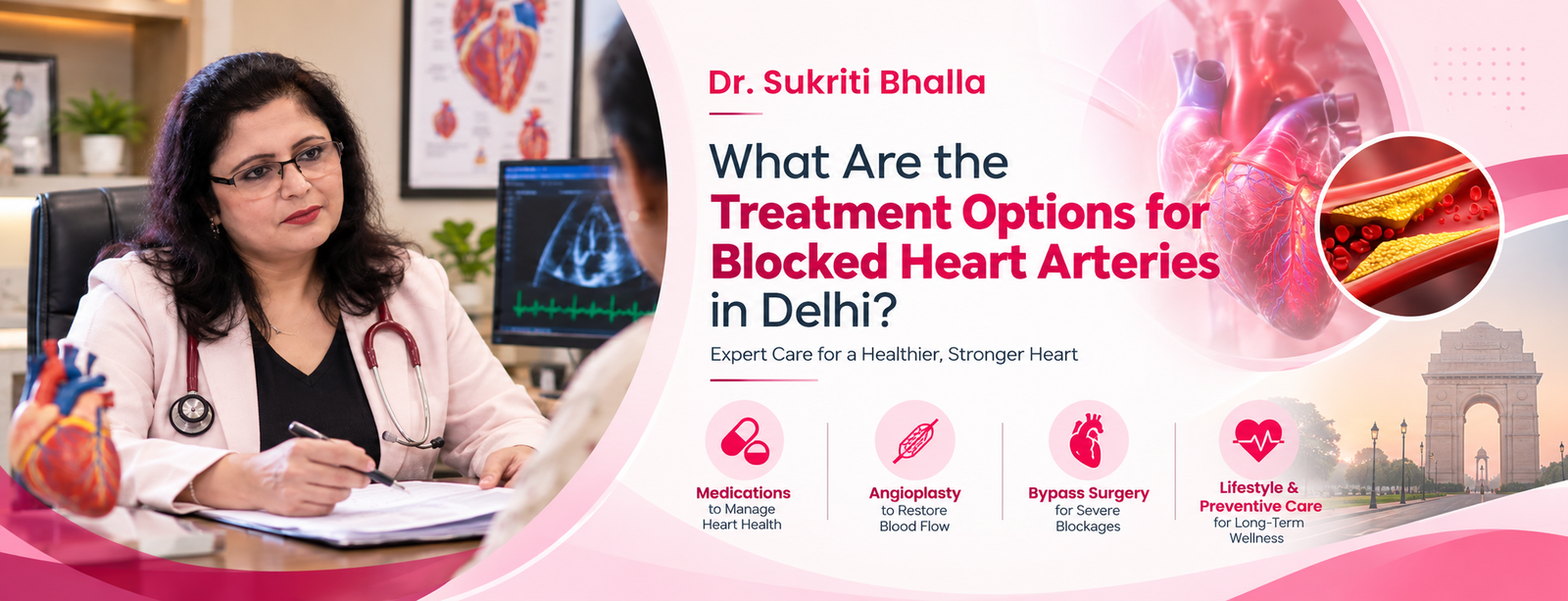
Treatment depends on several factors, including the severity and location of the blockage, the number of affected arteries, the patient’s symptoms, and their overall health. While some patients benefit from medication and lifestyle changes, others may require procedures such as angioplasty and stent placement or coronary artery bypass grafting (CABG). Early diagnosis and personalised care are essential for reducing risks and improving long-term outcomes.
Understanding how blocked arteries are assessed and treated can help patients feel better prepared for a consultation. This guide explains the causes, symptoms, diagnostic tests, and treatment approaches used in modern cardiology, along with practical steps that support recovery and ongoing heart health.
What Causes Blocked Heart Arteries
Coronary arteries supply the heart muscle with oxygenated blood, enabling it to function properly. When these arteries become narrowed or blocked, the heart may not receive enough oxygen, particularly during physical activity or emotional stress.
The most common cause is atherosclerosis, a gradual process in which plaque builds up along artery walls. Plaque contains cholesterol, fatty substances, calcium, and other cellular material. Over time, it can reduce the space available for blood to flow.
Various risk factors can contribute to the development of coronary artery disease, including:
- High LDL cholesterol levels.
- High blood pressure.
- Diabetes and elevated blood glucose.
- Smoking or tobacco use.
- Excess body weight and physical inactivity.
- A family history of premature cardiovascular disease.
- Increasing age and certain inflammatory conditions.
- An unhealthy diet high in salt and saturated fats.
In some cases, a plaque may rupture, causing a blood clot to form suddenly. This can obstruct blood flow and trigger a heart attack, even if the artery was not previously completely blocked.
Understanding the causes and risk factors of coronary artery disease allows the best cardiologist in Delhi 2026 to assess individual risk and recommend appropriate preventive measures.
What Are the Warning Signs of Blocked Heart Arteries
Blocked coronary arteries do not always produce obvious symptoms. Some people experience discomfort only during exertion, while others may develop symptoms at rest or have a heart attack as their first recognised sign of heart disease.
Common warning signs include:
- Chest pain or pressure: A squeezing, tight or heavy sensation in the centre of the chest, sometimes spreading to the arms, shoulders, jaw, neck or back.
- Shortness of breath: Difficulty breathing during activity or, in some cases, at rest.
- Unusual fatigue: Persistent tiredness that seems disproportionate to the level of physical activity.
- Dizziness or light-headedness: These symptoms may accompany reduced circulation or an abnormal heart rhythm.
- Cold sweating and nausea: Particularly concerning when they occur alongside chest discomfort.
- Reduced exercise tolerance: Finding everyday activities more difficult than usual.
Women, older adults and people with diabetes may experience less typical symptoms, including breathlessness, nausea, back discomfort or unexplained exhaustion.
Seek emergency medical assistance if you experience new, persistent, or severe chest pressure, particularly with breathlessness, sweating, or faintness. Seek immediate medical attention rather than waiting for a scheduled appointment, as a possible heart attack requires urgent medical evaluation.
How Can the Best Cardiologist in Delhi 2026 Diagnose Blocked Heart Arteries
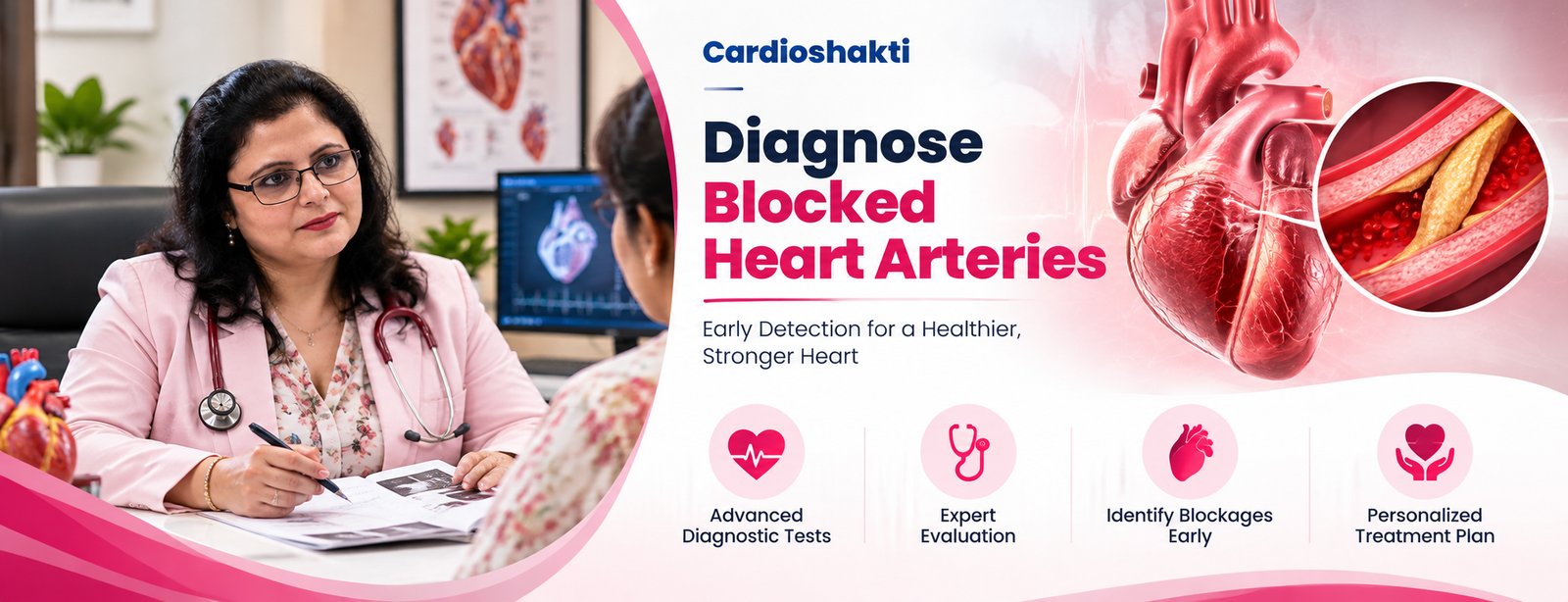
Accurate diagnosis is essential before deciding whether medication, angioplasty, or surgery is appropriate. The best cardiologist in Delhi 2026 will assess symptoms, medical history, risk factors, and investigation results rather than relying on a single test.
Medical history and physical examination

The best cardiologist in Delhi 2026 will ask about the nature of the symptoms, when they occur, how long they last, and whether they improve with rest. Information about diabetes, blood pressure, cholesterol, smoking, and family history also helps establish cardiovascular risk.
Electrocardiogram (ECG)
An ECG records the heart’s electrical activity. It can identify certain changes associated with a heart attack, reduced blood supply, or an abnormal rhythm. However, a normal ECG does not rule out coronary artery disease.
Blood tests
Blood tests may measure cholesterol, glucose, kidney function, and other relevant indicators. When a heart attack is suspected, troponin testing helps identify damage to heart muscle.
Echocardiography and other imaging
An echocardiogram uses ultrasound to assess the heart’s structure, pumping function, and movement of its walls. Depending on the clinical situation, a doctor may also recommend a CT coronary angiogram or a stress test.
Coronary angiography
Coronary angiography uses a catheter and contrast dye, together with X-ray imaging, to show narrowing or blockages in the coronary arteries. It is particularly useful when significant disease is suspected, or an intervention may be required.
The findings help the best cardiologist in West Delhi determine the location and severity of the blockage and select a treatment strategy. Further measurements, such as fractional flow reserve (FFR) or intravascular imaging, may be used in selected cases to assess the significance of a narrowing.
What Treatment Options Are Available for Blocked Heart Arteries
Treatment aims to improve blood flow when necessary, reduce symptoms, prevent heart attacks and lower the risk of future cardiovascular complications. The appropriate approach depends on the patient’s symptoms, anatomy, overall health and risk profile.
Medication and risk-factor management
Some patients can be managed initially with medication and lifestyle changes, particularly when their symptoms are stable, and there is no indication for an immediate procedure.
Depending on the diagnosis, medicines may include:
- Statins: Reduce LDL cholesterol and help stabilise plaque.
- Antiplatelet medicines: Such as aspirin, when indicated, to reduce the risk of harmful blood clots.
- Blood pressure medicines: Help control hypertension and reduce strain on the heart.
- Anti-anginal medicines: Such as beta-blockers, calcium-channel blockers or nitrates, to help manage chest discomfort in appropriate patients.
- Other preventive medicines: Selected according to conditions such as diabetes, kidney disease or heart failure.
Medicines should be prescribed and adjusted by a qualified clinician. Patients should not start aspirin, stop prescribed treatment, or change medication doses without medical advice.
Coronary angioplasty and stent placement
Angioplasty, also called percutaneous coronary intervention (PCI), is a minimally invasive procedure used to widen a narrowed coronary artery.
A thin catheter is guided through a blood vessel, commonly at the wrist or groin, towards the affected artery. A small balloon is inflated to improve the opening. In many cases, a metal mesh stent is placed to help keep the artery open. Drug-eluting stents release medication to reduce the risk of the treated segment narrowing again.
Angioplasty may be performed urgently during a heart attack or electively for selected patients with significant coronary disease and symptoms that warrant intervention.
Its potential benefits include improved blood flow, relief from angina and a shorter recovery than open-heart surgery in many cases. However, it carries risks, including bleeding, blood vessel injury, blood clots, and the possibility of future narrowing.
Patients with a stent generally need prescribed antiplatelet medication for a specified period. Stopping these medicines without medical advice can cause dangerous clotting inside the stent.
Coronary artery bypass grafting (CABG)
Bypass surgery may be recommended when blockages are extensive, involve complex anatomy, or affect several important coronary arteries. It can also be particularly suitable for selected patients with diabetes and multivessel disease.

During CABG, a surgeon uses a healthy blood vessel from another part of the body to create a route around a blocked artery. This allows blood to reach the heart muscle beyond the obstruction.
The decision between angioplasty and bypass surgery should consider the patient’s anatomy, symptoms, heart function, other medical conditions, and expected long-term outcomes. A multidisciplinary heart team may be involved in complex cases.
Emergency treatment during a heart attack
A heart attack can occur when a clot suddenly blocks blood flow through a coronary artery. Rapid treatment is essential to limit damage to the heart muscle.
For eligible patients, emergency angioplasty and PCI may restore blood flow. Other medicines and supportive treatments may be required depending on the circumstances.
Anyone who may be experiencing a heart attack should seek emergency medical assistance immediately rather than attempting to manage the symptoms at home.
How Can the Best Cardiologist in Delhi 2026 Support Recovery and Prevention
Treating a blocked artery is only one part of managing coronary artery disease. Long-term care helps reduce the likelihood of further plaque build-up, recurrent symptoms, and future cardiovascular events.
The best cardiologist in Delhi 2026 will generally recommend an individualised follow-up plan based on the patient’s diagnosis, treatment and overall health.
Important steps include:
- Adopting a heart-healthy diet: Eat more vegetables, fruit, whole grains, pulses, nuts and other fibre-rich foods. Limit excess salt, trans fats and saturated fats.
- Stopping smoking: Quitting tobacco reduces cardiovascular risk and supports healthier blood vessels.
- Maintaining a healthy weight: Weight management can improve blood pressure, cholesterol and blood glucose levels.
- Being physically active: Follow a clinician-approved exercise plan. After a heart attack or cardiac procedure, supervised cardiac rehabilitation may be beneficial.
- Managing existing conditions: Keep diabetes, high blood pressure and cholesterol under control through appropriate treatment and regular monitoring.
- Attending follow-up appointments: Review symptoms, medication tolerance, test results, and progress towards treatment goals.
Recovery times vary. Some patients return to normal activities relatively quickly after uncomplicated angioplasty, while others need longer rehabilitation following a heart attack or bypass surgery.
Patients should follow their discharge instructions and seek medical advice if symptoms recur or their recovery does not progress as expected.
End Notes
Blocked heart arteries require timely assessment and a treatment plan tailored to each patient’s needs. From medication and lifestyle changes to angioplasty and bypass surgery, modern cardiology offers several approaches to improving blood flow and reducing cardiovascular risks. Recognising warning signs early, following prescribed treatment, and maintaining regular follow-up are important steps towards better long-term heart health.
For individuals seeking expert cardiac care, they can rely on Dr. Sukriti Bhalla. As the best cardiologist in Delhi 2026, she can help you understand your diagnosis, explore suitable treatment options, and take informed steps towards better heart health. Additionally, she offers specialist guidance in evaluating and managing heart conditions. Visit her official website to learn more about her expertise and available cardiac services.
FAQs
1. Can blocked heart arteries be treated without surgery?
Yes. Some patients can manage coronary artery disease with medication and lifestyle changes, while others need angioplasty or bypass surgery depending on their condition.
2. Is angioplasty always necessary for a blocked artery?
No. Angioplasty is recommended selectively, based on symptoms, blockage severity, coronary anatomy, and clinical circumstances. Some patients benefit from medication alone.
3. How is a blocked heart artery diagnosed?
Doctors assess symptoms and risk factors, using tests such as ECG, blood tests, and coronary imaging. Angiography may be needed to define blockages.
4. Can heart arteries become blocked again after angioplasty?
Yes. Treated arteries can narrow again, and disease may progress elsewhere. Prescribed medication, risk-factor management, and regular follow-up help reduce future risks.
5. When should someone seek emergency heart treatment?
Seek emergency help for persistent chest pressure, breathlessness, cold sweating, or faintness, especially when symptoms occur together or represent a sudden change.