Irregular Heart Rhythms_ Expert Cardiac Care

Don’t Wait for Chest Pain: Why You Need a Cardiologist in Paschim Vihar

Your heart works every second to keep your body alive. Yet, many people only think about heart health when they notice chest pain or another warning sign. This approach can be risky. Several heart conditions may develop quietly without causing clear symptoms in their early stages. Regular checkups can help identify these concerns before they become serious. 
Don’t Wait for Chest Pain: Why You Need a Cardiologist in Paschim Vihar

A cardiologist in Paschim Vihar can assess your heart health and identify factors that may increase your risk of cardiovascular disease. Routine cardiac visits are not only useful for people with an existing heart condition. They can also benefit healthy adults who want to protect their heart for the future. A professional assessment can provide useful information about your current cardiovascular health. Furthermore, regular monitoring allows changes to be noticed early.

In this blog, we will cover the importance of regular cardiac checkups, early detection of heart problems, common risk factors, diagnostic tests, preventive care, and lifestyle changes that support a healthier heart.

Why Are Regular Cardiac Checkups Important

Heart disease can develop gradually. Some risk factors may remain unnoticed because they do not always cause obvious symptoms. High blood pressure and high cholesterol, for example, can exist for years without making you feel unwell. 

Regular cardiac checkups provide an opportunity to identify these risks. Your doctor can review your medical history, lifestyle, symptoms, and family history. They may also check your blood pressure, heart rate, and other important indicators.

A checkup can also help you understand your personal risk level. This is particularly useful if you have several risk factors. People with diabetes, high cholesterol, or high blood pressure may require more regular monitoring. The same may apply to people with a strong family history of heart disease. In addition, routine appointments can help track changes over time. A single checkup provides useful information, but repeated assessments can reveal patterns.

Early Detection Can Make a Difference

One major advantage of regular monitoring is early detection. Heart problems may become more difficult to manage when they are identified late. A doctor can investigate unusual symptoms and decide whether further tests are necessary. These may include an electrocardiogram (ECG), echocardiogram, stress testing, or blood tests, depending on your circumstances.

Early assessment does not mean that every unusual result indicates a serious disease. Instead, it allows you and your doctor to understand what is happening. This can make prevention and treatment more effective.

How a Cardiologist in Paschim Vihar Can Assess Your Heart Health

A cardiac consultation usually begins with a detailed discussion. Your cardiologist in Paschim Vihar may ask about symptoms, previous illnesses, medicines, lifestyle habits, and family history. You may also be asked about symptoms such as chest discomfort, breathlessness, dizziness, unusual tiredness, or a racing heartbeat. Based on this information, your cardiologist can decide whether further evaluation is needed.
cardiac checkup

Understanding Your Risk Factors

Several factors can influence heart health. Some cannot be changed, while others can often be managed. Age and family history are examples of factors that cannot be controlled. However, blood pressure, cholesterol, weight, physical activity, diet, and smoking habits can often be addressed.

Regular cardiac checkups for heart disease prevention can help you monitor these factors and take action when necessary. Your doctor may also consider your stress levels and sleep habits. Long-term stress and poor sleep can affect overall wellbeing and may contribute to unhealthy lifestyle patterns.

Choosing Appropriate Cardiac Tests

Not everyone requires the same tests. A cardiologist considers your symptoms, age, medical history, and risk factors before recommending investigations. An ECG can provide information about the electrical activity of your heart. An echocardiogram can help assess heart structure and function. 

Other tests may be recommended when clinically appropriate. This personalised approach helps avoid unnecessary testing while ensuring that important concerns are investigated.

What Heart Problems Can Routine Checkups Help Identify

Regular cardiac assessments can help detect several cardiovascular concerns. The exact conditions considered will depend on your individual symptoms and risk factors.

High Blood Pressure

High blood pressure is one of the major cardiovascular risk factors. It can place additional strain on the heart and blood vessels over time. As high blood pressure may not always cause noticeable symptoms, regular blood pressure checks are essential for maintaining good heart health. If your readings remain high, your doctor can discuss lifestyle changes and treatment options.

High Cholesterol

Cholesterol plays an important role in the body. However, unhealthy cholesterol levels can contribute to the build-up of fatty deposits in arteries. A simple blood test can help detect unhealthy cholesterol levels and assess your risk of heart disease. Your doctor can then assess your overall cardiovascular risk and suggest appropriate measures.

Irregular Heart Rhythms

Some people experience an irregular heartbeat, also known as an arrhythmia. Symptoms can include palpitations, dizziness, weakness, or breathlessness. However, some rhythm problems may not produce obvious symptoms. An ECG and other assessments can help your doctor understand your heart rhythm and determine whether additional monitoring is needed.

Coronary Artery Disease

Coronary artery disease develops when the arteries supplying blood to the heart become narrowed or blocked. Common risk factors include smoking, high blood pressure, high cholesterol, diabetes, obesity, and a family history of heart disease. Regular assessments can help identify risk factors and encourage preventive action.

When Should You Consider Seeing a Cardiologist in Paschim Vihar

You do not always need to wait for severe symptoms before discussing your heart health with a cardiologist in Paschim Vihar. If you experience recurring chest discomfort, unexplained breathlessness, frequent palpitations, dizziness, or fainting, you should seek medical advice. People with known risk factors may also benefit from a cardiovascular assessment.
irregular Heart Rhythms

For example, you may consider speaking with a doctor if you have:

  • High blood pressure
  • High cholesterol
  • Diabetes
  • A strong family history of heart disease
  • A history of smoking
  • Obesity or excess weight
  • Low physical activity
  • Persistent stress
  • Previous heart-related concerns

When to see a cardiologist for heart health screening depends on your individual circumstances. Your GP or healthcare professional can help determine whether specialist assessment is appropriate.

It is also important to remember that sudden or severe chest pain, severe breathing difficulty, fainting, or other signs of an acute medical emergency require urgent medical attention.

How Regular Cardiac Checkups from a Cardiologist in Paschim Vihar Support Preventive Heart Care

Prevention is one of the strongest reasons to take cardiac checkups seriously. Instead of waiting for a problem to appear, preventive care focuses on reducing risks before they become major concerns.

Monitoring Blood Pressure and Cholesterol

Your blood pressure and cholesterol levels can change over time. Regular monitoring helps identify these changes. If levels become unhealthy, your doctor can discuss practical ways to improve them. Depending on your situation, this could involve dietary changes, exercise, weight management, or medicines.

Supporting a Healthier Lifestyle

A consultation about cardiac care in Paschim Vihar can also provide an opportunity to review daily habits. Your doctor may discuss physical activity, nutrition, smoking, alcohol consumption, sleep, and stress management. Small changes can become meaningful when maintained consistently. For example, increasing daily movement, eating more balanced meals, and reducing tobacco exposure can support cardiovascular health.

Managing Existing Health Conditions

Conditions such as diabetes and high blood pressure can affect cardiovascular health. Keeping them under control is therefore important. Regular medical monitoring can help ensure that your treatment remains suitable. It also allows you to discuss new symptoms or concerns. Cardiologist consultation for heart disease risk assessment can be particularly useful when several risk factors occur together.

What Can You Expect During a Cardiac Checkup

Knowing what happens during an appointment can make the process feel easier. Your consultation may begin with questions about your symptoms and health history. Your doctor may then perform a physical examination and check vital signs. Depending on your situation, further investigations may be recommended.

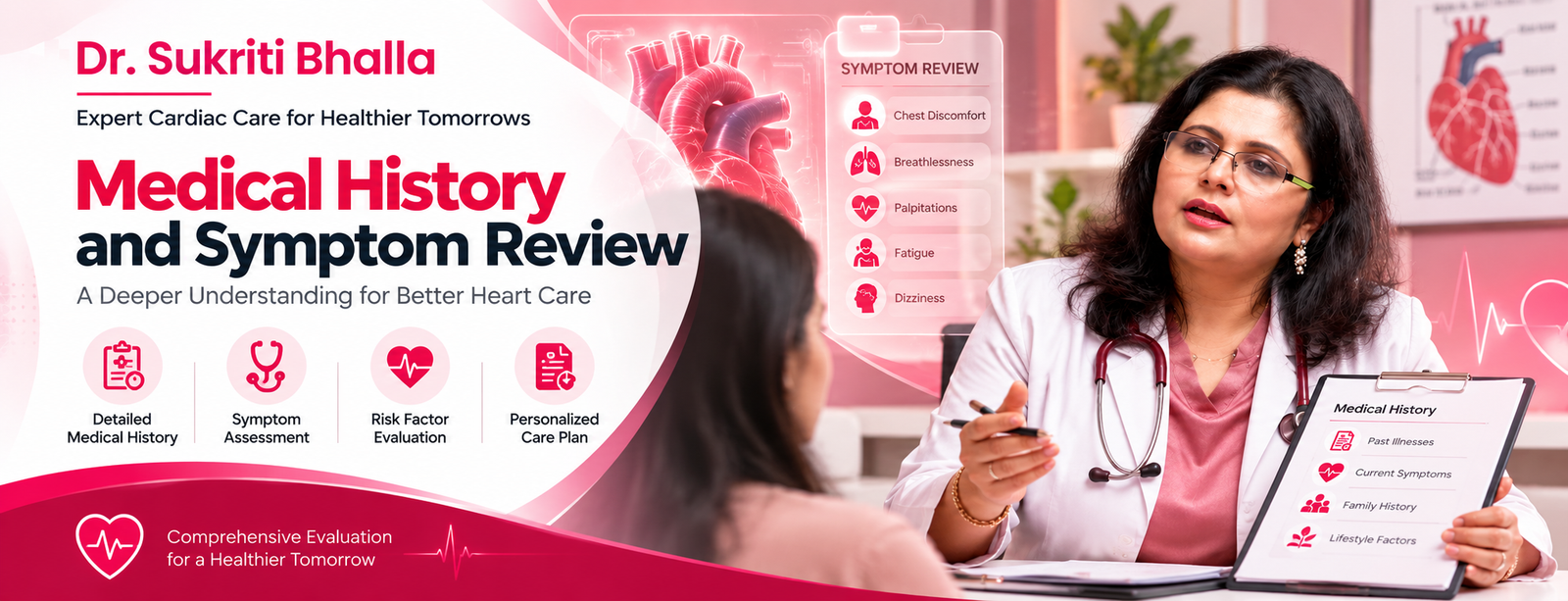
Medical History and Symptom Review

Your doctor may ask when your symptoms started, how often they occur, and whether anything makes them better or worse. You should provide accurate information about medicines, previous conditions, and relevant family history. Even symptoms that seem minor can be useful when assessing your cardiovascular health.
symptom review

Diagnostic Testing

Your cardiologist in Paschim Vihar may recommend tests based on your individual needs. An ECG is commonly used to assess heart rhythm. Other investigations can provide information about heart structure, blood flow, or exercise response. You should not assume that every patient requires the same tests. Appropriate testing depends on clinical assessment.

Personalised Advice

After reviewing the available information, your doctor can explain the findings and discuss the next steps. This may include lifestyle advice, further testing, monitoring, or treatment. A clear discussion can help you understand your heart health and make informed decisions.

How Lifestyle Changes Can Complement Cardiac Checkups

Medical checkups are important, but everyday habits also play a major role in maintaining cardiovascular health. Regular physical activity can support heart and overall fitness. Adults should aim to remain active according to their health status and medical advice.

A balanced diet is equally important. Include a variety of vegetables, fruits, whole grains, and other nutritious foods. Limiting excessive salt, saturated fats, and highly processed foods can also support healthier choices.

Smoking is another major risk factor. If you smoke, seeking support to stop can provide significant health benefits. Sleep and stress management should not be ignored either. Poor sleep and ongoing stress can make healthy routines more difficult to maintain.

Furthermore, maintaining a healthy weight can reduce pressure on the cardiovascular system and improve several risk factors. The goal is not to make every change overnight. Sustainable improvements are often easier to maintain when introduced gradually.

Why Consistent Monitoring Is Better Than Occasional Checks: Insights from a Cardiologist in Paschim Vihar

One checkup can provide a useful snapshot of your health. Regular monitoring provides a broader picture. For example, your blood pressure may be normal during one appointment and higher during another period. Tracking changes can help your doctor identify whether further assessment is necessary.

The same principle applies to cholesterol, symptoms, and other health indicators. Regular visits can also help you stay accountable. You have an opportunity to discuss progress, challenges, and new concerns with your healthcare professional. This ongoing approach can make preventive care a regular part of your health routine rather than something you consider only after experiencing symptoms.
sukriti bhalla

Final Note

Your heart deserves attention long before a serious problem develops. Regular cardiac checkups can help identify important risk factors, monitor existing conditions, and support healthier lifestyle choices. A proactive approach can be especially valuable when you have high blood pressure, high cholesterol, diabetes, excess weight, or a family history of cardiovascular disease.

Choosing the right cardiologist in Paschim Vihar, like Dr. Sukriti Bhalla, can make your cardiac care journey more comfortable and informed. With the right medical guidance, regular assessments, and healthy lifestyle habits, you can take meaningful steps towards protecting your heart. We offer professional cardiology care focused on helping patients understand and manage their cardiovascular health. Visit our website now to learn more about cardiac care and take the next step towards better heart health.

FAQs

1. How often should I have a cardiac checkup?

The frequency depends on your age, medical history, symptoms, and risk factors. Your doctor can recommend a suitable schedule based on your individual cardiovascular needs.

2. Can a cardiac checkup detect heart disease early?

Yes. A cardiac assessment can identify certain risk factors and symptoms early. Your cardiologist may recommend appropriate tests when further investigation is clinically necessary.

3. Should healthy adults visit a cardiologist?

Healthy adults with significant risk factors or a strong family history may benefit from specialist advice. However, the need for cardiology assessment varies between individuals.

4. What tests may be included during a cardiac checkup?

Tests depend on your symptoms and risk profile. They may include blood pressure measurement, ECG, blood tests, echocardiography, or other investigations when clinically appropriate.

5. Can lifestyle changes reduce heart disease risk?

Yes. Regular activity, a balanced diet, avoiding tobacco, managing weight, controlling blood pressure, and maintaining healthy cholesterol levels can support better cardiovascular health.
What-You-Should-Know-About-Angioplasty-Before-Visiting-a-Top-Cardiologist-Near-You.

What You Should Know About Angioplasty Before Visiting a Top Cardiologist Near You

Hearing that you may need an angioplasty can feel worrying. You may have questions about the procedure, its safety, recovery, and long-term effects. Searching for a top cardiologist near me is often one of the first steps people take after experiencing chest discomfort or receiving an abnormal heart test result.

What You Should Know About Angioplasty Before Visiting a Top Cardiologist Near You

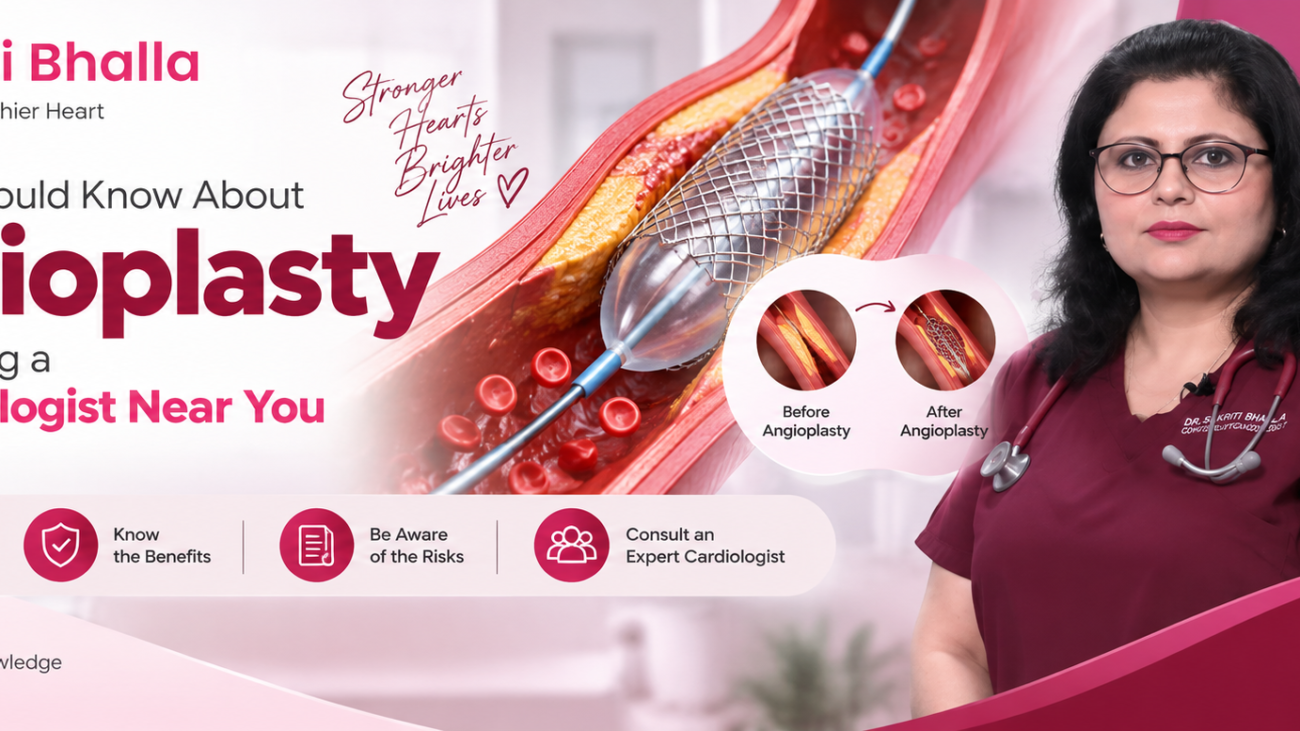
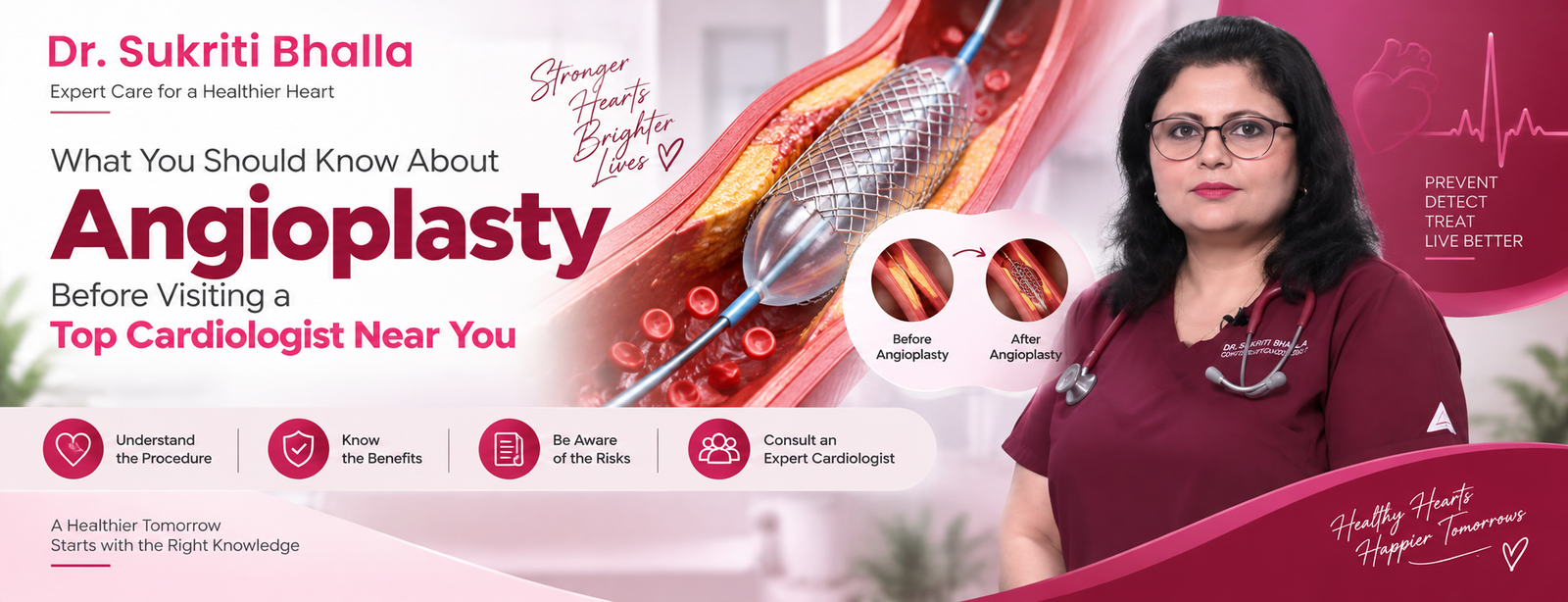
Angioplasty is a common procedure used to improve blood flow through narrowed or blocked coronary arteries. It is also known as percutaneous coronary intervention, or PCI. During the procedure, a small balloon is used to widen a narrowed artery. A stent may then be inserted to keep the artery open and restore blood flow. Understanding the procedure can make discussions with your cardiologist easier. It can also help you prepare better for treatment and recovery.

This guide explains why angioplasty may be recommended, what happens during the procedure, possible risks, recovery expectations, and important questions to ask before treatment.

What Is Angioplasty and Why Is It Recommended: Insights from Top Cardiologist Near Me​

The coronary arteries provide the heart muscle with oxygen-rich blood. Over time, plaque, made up of fatty deposits, can accumulate inside these arteries. This process is associated with coronary heart disease and can restrict blood flow. When an artery becomes significantly narrowed, you may develop symptoms such as chest pain or angina. In some situations, reduced blood flow can contribute to a heart attack.

Angioplasty helps restore blood flow through the affected artery. It is commonly considered when symptoms are significant or when an artery needs to be opened urgently during a heart attack. However, angioplasty is not suitable for everyone. The top cardiologist near me​ will consider your overall health, the location and severity of the blockage, and other factors before recommending treatment.

For people researching angioplasty treatment for blocked coronary arteries, understanding the reason for treatment is important. The goal is not simply to open an artery. The wider aim is to improve blood flow and manage the underlying heart condition.

What Is a Stent

A stent is a small mesh tube placed inside a narrowed coronary artery. It acts as a scaffold to help keep the artery open after the balloon is removed.

There are different types of stents. Drug-eluting stents release medication that helps reduce the chance of the artery becoming narrowed again.

The top cardiologist near me​ will decide whether a stent is appropriate based on your individual circumstances.

Who May Need Angioplasty

How Is Angioplasty Performed by the Top Cardiologist Near Me​

If you are preparing for angioplasty, knowing what happens during the procedure can reduce some uncertainty. The procedure usually takes place in a specialised cardiac catheterisation laboratory by the top cardiologist near me​. A catheter, which is a thin and flexible tube, is inserted into an artery. Depending on the situation, the access point may be in the wrist, arm, or groin.

The catheter is guided towards the affected coronary artery using X-ray imaging. A guide wire is then moved through the narrowed section. A small balloon is positioned at the blockage and inflated.

The balloon presses the plaque against the artery wall. This widens the passage and allows blood to flow more freely. If a stent is required, it is usually positioned around the balloon. When the balloon is inflated, the stent expands and remains inside the artery after the balloon and catheter are removed.

A coronary angioplasty commonly takes between 30 minutes and two hours, although the duration can vary depending on the complexity of the procedure.

Will You Be Awake During Angioplasty

Angioplasty is generally performed using local anaesthetic around the catheter insertion site. You may remain awake during the procedure.

You may experience some pressure or mild discomfort during the procedure. It is important to tell the medical team if you experience significant chest pain or feel unwell during treatment. Afterwards, a cardiologist specialist doctor will monitor you while you recover.

Who May Need Angioplasty: Analysis by the Top Cardiologist Near Me​

Angioplasty may be recommended for people with significant narrowing of the coronary arteries. It may be used as part of a planned treatment approach for certain patients with angina. It can also be performed as an emergency treatment during a heart attack.

However, treatment decisions are highly individual. Some people may benefit from medication and lifestyle changes rather than an invasive procedure. Others may require coronary artery bypass graft surgery, particularly when several arteries are severely narrowed, or the pattern of disease makes angioplasty unsuitable.

Cardiologist specialist doctor

Therefore, searching for the best cardiologist for angioplasty consultation should not be based only on whether a doctor performs the procedure. It is also important to discuss whether angioplasty is actually appropriate for your condition.

The top cardiologist near me​ may review your symptoms, medical history, examination findings, ECG results, blood tests, imaging, and other cardiac investigations before recommending a treatment plan.

What Are the Benefits and Risks of Angioplasty

Like every medical procedure, angioplasty has potential benefits and risks. The balance varies between individuals. One major benefit is improved blood flow through the treated coronary artery. Many people experience improvements in symptoms such as chest pain, breathlessness, or tiredness after successful treatment.

However, angioplasty does not remove the underlying tendency towards coronary artery disease. Lifestyle changes and prescribed medication may still be important after treatment.

Understanding Possible Complications

Bleeding or bruising around the catheter insertion site is relatively common. Other complications are less common but can include damage to an artery, an allergic reaction to contrast dye, excessive bleeding, heart attack, stroke, or other serious problems.

The level of risk depends on factors such as age, general health, other medical conditions, and whether the angioplasty is planned or performed as emergency treatment.

This is why an individual medical assessment matters. Online information can help you understand the procedure, but it cannot determine whether angioplasty is suitable for you.

Another concern is restenosis, where an artery becomes narrowed again. Modern stent technology has reduced this risk, although it can still occur.

Why Medication Matters After Stenting

Medication is an important part of recovery. Many patients need antiplatelet medicines after stent placement to reduce the risk of blood clots forming inside the stent.

dr sukriti bhalla

The exact medicines and duration depend on your circumstances. Never stop prescribed heart medication without discussing it with the top cardiologist near me​.

Following your medication plan carefully is especially important after stent placement because stopping certain medicines too early can increase the risk of serious complications.

Recovery After Angioplasty: What Should You Expect

Recovery varies depending on your health and whether the procedure was planned or performed during an emergency.

After an uncomplicated planned angioplasty, many patients can leave the hospital on the same day or the following day. Some people may experience bruising or soreness around the catheter insertion site.

Your cardiologist specialist doctor will provide personalised instructions about wound care, medication, physical activity, and follow-up appointments.

Returning to Daily Activities

Many people gradually return to normal activities within days. However, strenuous activity and heavy lifting may need to be avoided for a period recommended by your medical team.

Driving restrictions can also apply after angioplasty. The exact advice may depend on your circumstances and local regulations.

If your angioplasty follows a heart attack, recovery can take considerably longer. Your cardiology team may recommend cardiac rehabilitation to support physical recovery and help you make sustainable lifestyle changes.

For anyone researching recovery after coronary angioplasty and stent placement, it is important to understand that recovery is not simply about healing the catheter insertion site. Long-term heart health also requires attention.

Lifestyle Changes After Angioplasty

Angioplasty can improve blood flow, but it does not automatically eliminate the causes of coronary artery disease.

Your doctor may recommend:

  • Eating a balanced, heart-friendly diet.
  • Staying physically active as advised.
  • Maintaining a healthy weight.
  • Stopping smoking.
  • Limiting alcohol where appropriate.
  • Taking prescribed medicines correctly.
  • Attending follow-up appointments.
  • Participating in cardiac rehabilitation when recommended.

These changes can support long-term cardiovascular health and reduce the risk of further problems.

best heart care support

When Should You Seek Urgent Medical Help from the Top Cardiologist Near Me​

It is important to understand which symptoms require immediate attention. After angioplasty, contact the top cardiologist near me​ if you notice increasing pain or swelling around the catheter site or develop a high temperature.

Severe chest pain that does not improve requires urgent medical attention. Significant bleeding from the catheter site that does not stop with pressure is also an emergency. NHS guidance advises calling emergency services rather than driving yourself if severe symptoms occur.

If you are unsure whether a symptom is serious, seek medical advice rather than ignoring it. Remember that chest pain can have different causes. Do not assume that new or worsening chest discomfort is simply part of recovery.

Final Thoughts

Understanding angioplasty before your consultation can make the treatment process less confusing. Knowing why angioplasty is recommended, how a stent works, what risks may occur, and what recovery involves can help you have a more productive conversation with the top cardiologist near me​.

However, every heart condition is different. Treatment should be based on your symptoms, investigations, medical history, and individual risks. If you have been advised to consider angioplasty, discuss your concerns openly and follow personalised medical guidance.

For professional cardiac evaluation and guidance regarding angioplasty and other heart conditions, you can consult Dr. Sukriti Bhalla. To book your appointment and get reliable consultation, visit our official website today. 

FAQs

1. How long does a coronary angioplasty take?

A coronary angioplasty usually takes around 30 minutes to two hours, although complex procedures may take longer depending on the blockage and treatment required.

2. Is angioplasty painful?

Angioplasty usually involves local anaesthetic. You may feel pressure or mild discomfort during the procedure, but significant pain should always be reported to your medical team.

3. How long does recovery after angioplasty take?

Many people recover within several days after uncomplicated planned angioplasty. However, recovery can take longer after emergency treatment or a heart attack.

4. Does everyone need a stent during angioplasty?

No. A stent is often used, but treatment depends on the artery, blockage, and individual circumstances. Your cardiologist will determine the most appropriate approach.

5. Can an artery become blocked again after angioplasty?

Yes. Restenosis can occur after angioplasty, although modern stents have reduced this risk. Medication and healthy lifestyle habits remain important for long-term heart health.

dr sukriti bhalla

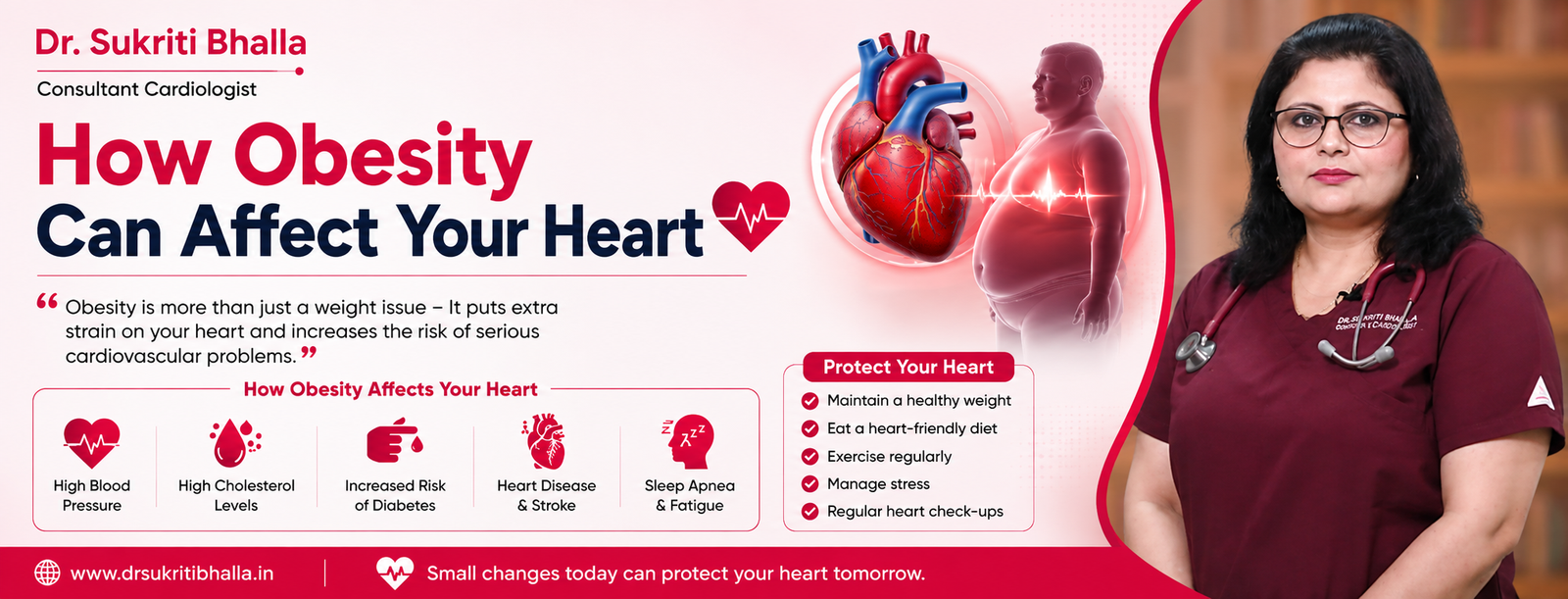
How Obesity Can Affect Your Heart: Insights From a Leading Dwarka Cardiologist

Obesity can affect much more than body weight. It can place additional pressure on the heart and blood vessels, increasing the risk of several cardiovascular problems. Speaking with the best cardiologist in Dwarka can help people understand their individual heart risks and take suitable preventive steps.

Excess body fat can influence blood pressure, cholesterol, blood sugar, inflammation, and the way the heart works. These changes may develop gradually, so people may not notice a problem until complications appear. However, understanding the connection between obesity and heart health can encourage earlier action.

obesity treaatment in dwarka

The good news is that even modest lifestyle improvements can support better cardiovascular health. A balanced diet, regular physical activity, sufficient sleep, stress management, and appropriate medical monitoring can all make a difference.

This article explains how obesity affects the heart, which conditions may be linked to excess weight, the warning signs worth noticing, and practical ways to support cardiovascular health.

The Link Between Obesity and Heart Health

Obesity can affect the cardiovascular system in several interconnected ways. Carrying excess body fat may increase the amount of work required from the heart. Over time, this additional workload can contribute to changes in heart function.

One important concern is high blood pressure. When blood pressure remains elevated, the heart must pump harder to move blood through the arteries. Long-term strain may contribute to thickening of the heart muscle and increase the risk of cardiovascular complications.

Obesity can also affect cholesterol levels. Some people with excess weight may have higher levels of LDL cholesterol and triglycerides, alongside lower HDL cholesterol. These changes can contribute to the build-up of fatty deposits inside arteries.

Another factor is inflammation. Excess body fat, particularly around the abdomen, can contribute to chronic low-grade inflammation. Persistent inflammation may affect blood vessels and contribute to cardiovascular risk.

Obesity is also closely associated with insulin resistance and type 2 diabetes. Elevated blood glucose can damage blood vessels over time, making diabetes an important cardiovascular risk factor.

For these reasons, maintaining a healthy weight by seeking support from the best cardiologist near Dwarka is not simply about appearance. It is an important part of protecting the heart and reducing preventable cardiovascular risks.

How Obesity Can Affect the Heart: Risks Explained by the Best Cardiologist in Dwarka

Understanding the potential risks can make it easier to recognise why weight management matters for cardiovascular health.

High Blood Pressure

Excess weight can increase the likelihood of developing hypertension. The heart may need to work harder to circulate blood through the body, while changes in blood vessels can also contribute to higher pressure.

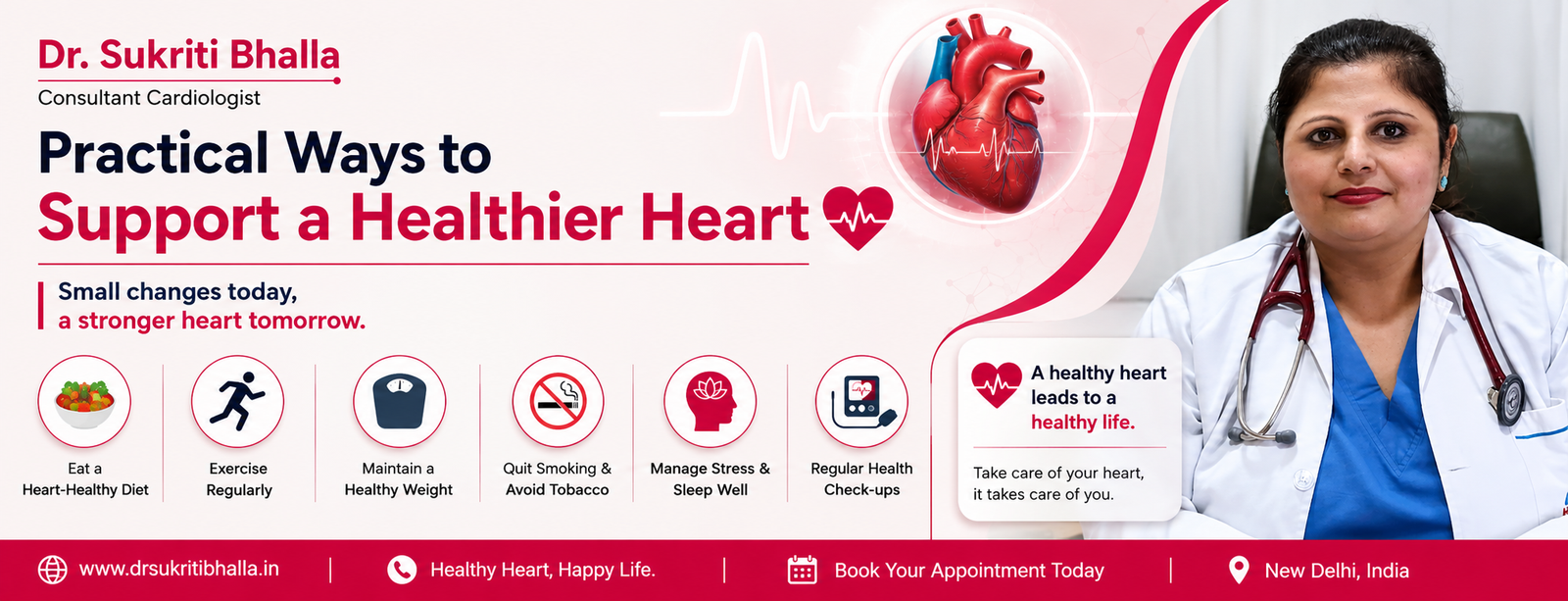
Practical Ways to Support a Healthier Heart

High blood pressure often causes no obvious symptoms. This is why regular monitoring from the best cardiologist in Dwarka is important, particularly for people who have obesity or other cardiovascular risk factors.

Coronary Artery Disease

Obesity may contribute to several factors associated with coronary artery disease. Changes in cholesterol, blood pressure, blood sugar, and inflammation can encourage plaque formation within the arteries.

Over time, narrowed arteries may reduce blood flow to the heart. In some cases, a complete blockage can result in a heart attack.

Heart Failure

Excess weight can increase the workload placed on the heart. Persistent strain may eventually affect how effectively the heart fills or pumps blood.

Obesity may also coexist with conditions such as hypertension, diabetes, and sleep apnoea, which can further increase the burden on the cardiovascular system.

Abnormal Heart Rhythms

Obesity has also been associated with a greater likelihood of developing certain heart rhythm problems. Atrial fibrillation is one example.

Changes in the structure of the heart, blood pressure, inflammation, and other obesity-related factors may contribute to rhythm disturbances.

Stroke Risk

Obesity can indirectly increase stroke risk by contributing to hypertension, diabetes, abnormal cholesterol levels, and atrial fibrillation.

Reducing these underlying risk factors can therefore play an important role in supporting long-term cardiovascular health.

Why Abdominal Fat Can Be Particularly Concerning

Not all body fat has the same relationship with cardiovascular risk. Fat stored around the abdomen, often called visceral fat, can be particularly important.

Visceral fat accumulates around internal organs and actively influences metabolic processes. It can release substances that influence inflammation, insulin sensitivity, and lipid metabolism.

A person may therefore benefit from looking beyond body weight alone. Waist circumference, blood pressure, cholesterol, blood glucose, lifestyle habits, and family history can all help provide a broader picture of cardiovascular risk.

This is one reason personalised assessment by the best cardiologist in Dwarka can be useful. Two people with a similar body weight may have very different health profiles and cardiovascular risks.

best cardiologist in Dwarka

People concerned about abdominal obesity should consider discussing their overall risk profile with a qualified healthcare professional rather than relying solely on weight or appearance.

Warning Signs That Should Not Be Ignored

Obesity itself does not necessarily cause noticeable heart symptoms. However, certain symptoms can indicate an underlying cardiovascular problem and should receive appropriate attention.

Chest Discomfort

Pressure, tightness, heaviness, or discomfort in the chest can sometimes indicate reduced blood flow to the heart. It should not automatically be attributed to weight, indigestion, or tiredness.

Breathlessness

Shortness of breath during ordinary activities, particularly if it is new or worsening, may require assessment. Breathlessness can have several causes, including cardiovascular and respiratory conditions.

Unusual Fatigue

Persistent or unexplained tiredness may sometimes accompany cardiovascular problems. If fatigue is new, severe, or associated with other symptoms, medical advice is appropriate.

Swelling

Swelling around the ankles, feet, or lower legs can sometimes occur when the body retains fluid. Several conditions can cause swelling, so professional evaluation is important.

Palpitations

A sensation of a racing, pounding, fluttering, or irregular heartbeat may be linked to an abnormal rhythm. Frequent episodes should be evaluated by a healthcare professional.

Severe chest pain, significant difficulty breathing, fainting, or other sudden serious symptoms require urgent medical attention.

Obesity, Sleep Apnoea and Cardiovascular Health

Sleep is another important part of the relationship between obesity and heart health. Obesity can increase the likelihood of obstructive sleep apnoea, a condition in which breathing repeatedly stops and starts during sleep.

Sleep apnoea can cause repeated drops in oxygen levels and disrupt normal sleep. It may also contribute to increased blood pressure and place additional stress on the cardiovascular system.

Common symptoms include loud snoring, witnessed pauses in breathing, morning headaches, poor concentration, and excessive daytime sleepiness.

People with obesity who experience these symptoms should consider discussing them with a healthcare professional. Identifying and managing sleep-related breathing problems can form an important part of broader cardiovascular risk management.

Practical Ways to Support a Healthier Heart: Insights From the Best Cardiologist in Dwarka

best cardiologist in dwarka

Weight management does not need to involve extreme diets or unrealistic fitness routines. Sustainable changes suggested by the best cardiologist in Dwarka are generally easier to maintain over time.

Choose a Balanced Diet

A heart-conscious eating pattern can include vegetables, fruits, whole grains, pulses, lean protein sources, and healthier fats.

Reducing highly processed foods, excessive salt, added sugars, and foods high in saturated fat can also support better cardiovascular health.
Portion sizes matter as well. Eating mindfully can help people recognise hunger and fullness signals while avoiding unnecessary calorie intake.

Stay Physically Active

Regular movement can benefit blood pressure, cholesterol, blood sugar, fitness, and weight management.

Walking is a practical starting point for many people. Others may prefer cycling, swimming, strength training, or another activity they enjoy.

People with existing health conditions or significant obesity may benefit from discussing an appropriate exercise plan with a healthcare professional before beginning vigorous activity.

Improve Sleep

Adults generally benefit from consistent, sufficient sleep. Maintaining regular sleeping and waking times can support healthy routines.

Good sleep habits may include limiting excessive screen use before bed, keeping the bedroom comfortable, and avoiding large meals close to bedtime.

Manage Stress

Long-term stress can make healthy habits more difficult to maintain. It may also affect sleep, eating patterns, and physical activity.

Simple approaches such as walking, breathing exercises, hobbies, social interaction, and relaxation techniques may help people manage everyday stress.

Avoid Smoking

Smoking damages blood vessels and significantly increases cardiovascular risk. People who smoke can benefit from seeking professional support to quit.

Reducing exposure to tobacco smoke is an important step towards protecting cardiovascular health.

Best Cardiologist in Dwarka: When Should You Consider a Heart Check

dr sukriti bhalla

People with obesity do not necessarily need the same tests or frequency of assessment. The best cardiologist in Dwarka can consider individual factors before recommending appropriate screening.

Depending on the person’s circumstances, an assessment may include blood pressure measurement, weight and waist measurements, cholesterol testing, blood glucose testing, and other investigations when clinically appropriate.

An ECG may be recommended when symptoms or other factors suggest that an assessment of heart rhythm or electrical activity would be useful. Further tests may also be considered when there is a specific clinical reason.

Regular assessment becomes particularly important when obesity occurs alongside hypertension, diabetes, high cholesterol, a strong family history of cardiovascular disease, smoking, reduced physical activity, or concerning symptoms.

The purpose of a heart check is not simply to identify disease. It can also help people understand their risk and make informed lifestyle decisions.

Long-Term Heart Health Starts With Small Changes

Weight management can feel overwhelming when approached as a single large goal. Breaking it into smaller, realistic steps can make the process more manageable.

For example, someone might begin by adding a short daily walk, replacing sugary drinks with water, increasing vegetable intake, or establishing a consistent bedtime.

Over time, these choices can become routine. Even when weight loss is gradual, improvements in physical activity, blood pressure, blood sugar, and eating habits can support cardiovascular health.

It is also important to avoid self-blame. Obesity can involve multiple factors, including genetics, sleep, medications, environment, eating patterns, physical activity, and underlying health conditions.

A personalised approach by the best cardiologist in Dwarka is therefore often more useful than following a generic weight-loss plan.

Conclusion

Obesity can influence the heart through several pathways, including high blood pressure, abnormal cholesterol, insulin resistance, inflammation, sleep apnoea, and increased strain on the cardiovascular system. These factors can collectively raise the risk of conditions such as coronary artery disease, heart failure, stroke, and abnormal heart rhythms.

If you are looking for personalised guidance regarding obesity and cardiovascular health from the best cardiologist in Dwarka, then you can rely on us at Dr. Sukriti Bhalla. Our approach can help patients better understand their cardiovascular health and take informed steps towards long-term heart wellness. Visit us now to explore more about our services.


FAQs

1. Can obesity directly cause heart disease?

Obesity can increase heart disease risk by contributing to high blood pressure, abnormal cholesterol, diabetes, inflammation, and increased workload on the heart.

2. Does losing weight improve heart health?

Yes, gradual weight loss can support healthier blood pressure, cholesterol, blood sugar, and heart function, particularly when combined with regular physical activity and balanced nutrition.

3. Can obesity cause high blood pressure?

Yes, obesity can increase the likelihood of hypertension by placing greater demands on the cardiovascular system and contributing to changes in blood vessel function.

4. Is abdominal fat more harmful to heart health?

Abdominal or visceral fat is metabolically active and can contribute to inflammation, insulin resistance, abnormal cholesterol, and other factors associated with cardiovascular disease.

5. When should someone with obesity have a heart checkup?

People with obesity should discuss cardiovascular screening with a healthcare professional, especially when they have symptoms or additional risk factors such as diabetes or hypertension.

cardiologist specialist doctor

When Should You Visit a Cardiologist Specialist Doctor? Key Warning Signs

Heart health is one of the most important aspects of overall well-being, yet it is often neglected until symptoms become severe. A cardiologist specialist doctor plays a crucial role in identifying, diagnosing, and managing conditions related to the heart and blood vessels before they become life-threatening. 

Many people assume that heart problems only occur in older adults, but lifestyle changes, stress, poor diet, and lack of exercise have made cardiac conditions increasingly common among younger individuals as well. Recognising early warning signs can make a significant difference in preventing complications such as heart attacks, stroke, or chronic heart disease. 

Symptoms like chest discomfort, breathlessness, irregular heartbeat, and persistent fatigue should never be ignored. Consulting a specialist at the right time ensures early detection and timely treatment. Whether you are experiencing symptoms or simply want preventive guidance, this article will help you make informed decisions for a healthier heart.

cardiologist specialist doctor

When to Consult a Cardiologist Specialist Doctor for Early Symptoms

Visiting a cardiologist should not be delayed until severe symptoms appear. Early consultation is essential when subtle warning signs begin to show. A cardiologist specialist doctor can evaluate your condition and recommend preventive care or treatment before it escalates.

One of the most important triggers for consultation is chest discomfort. Even mild tightness or pressure should be taken seriously. Similarly, unexplained fatigue, dizziness, or reduced exercise tolerance may indicate underlying cardiac issues. Individuals experiencing when to see a heart specialist for chest pain should seek immediate medical evaluation.

Other symptoms include swelling in the legs, palpitations, or shortness of breath during routine activities. These signs often indicate that the heart is not functioning efficiently.

A specialist may recommend tests such as an ECG, stress tests, or imaging to determine the cause. Early diagnosis helps in managing conditions effectively and reducing long-term risks.

Ignoring early symptoms can lead to complications, which is why timely consultation is always recommended.

Key Warning Signs of Heart Disease You Should Never Ignore

Heart disease often develops silently, making it essential to recognise warning signs early. Many patients overlook symptoms until they become severe, but awareness can save lives.

One major symptom is chest pain or discomfort, which may radiate to the arms, neck, or jaw. Another critical sign is breathlessness, especially during minimal physical activity or while resting. This may indicate fluid buildup or poor heart function.

You should also be aware of the signs of blocked arteries, which include fatigue, chest tightness, and reduced stamina. These symptoms often suggest restricted blood flow to the heart.

Irregular heartbeat or palpitations are also warning signs that should not be ignored. Sudden dizziness or fainting episodes may indicate rhythm disturbances.

In addition, persistent swelling in the ankles or feet can signal heart failure or poor circulation. Early recognition of these symptoms ensures timely intervention and better outcomes.

Ignoring these warning signs may lead to serious complications such as heart attacks or chronic cardiac conditions.

Cardiologist Specialist Doctor and the Role in Preventive Heart Care

Preventive cardiology focuses on identifying risks before they develop into serious heart conditions. A cardiologist specialist doctor not only treats existing diseases but also helps patients adopt healthier lifestyles to avoid future complications.

Preventive care includes regular screenings, blood pressure monitoring, cholesterol checks, and lifestyle assessments. Many specialists recommend preventive cardiology consultation for adults, especially for individuals with a family history of heart disease.

A cardiologist also helps patients manage stress, improve their diet, and incorporate physical activity into their daily routines. These changes significantly reduce the risk of heart disease.

Early intervention is especially important for individuals with diabetes, obesity, or high cholesterol levels. Preventive care ensures that potential risks are managed effectively before they escalate.

Consulting a specialist regularly helps in maintaining long-term heart health and reducing the likelihood of emergencies.

Common Risk Factors That Increase the Need for Cardiac Consultation

Several risk factors increase the chances of developing heart disease, making regular consultation with a specialist essential. A cardiologist specialist doctor evaluates these risks and provides personalised guidance.

One of the most significant risk factors is high blood pressure and heart disease risk management, which requires continuous monitoring and medication if necessary. Uncontrolled hypertension can damage arteries and increase the risk of heart attacks.

Another major factor is high cholesterol levels, which contribute to plaque buildup in arteries. Diabetes also significantly increases cardiovascular risk due to its impact on blood vessels.

Lifestyle habits such as smoking, excessive alcohol consumption, and sedentary behaviour further increase the likelihood of heart disease. Obesity and stress are additional contributing factors.

Family history also plays a crucial role. Individuals with relatives who have suffered from heart disease should undergo regular screenings.

Understanding these risk factors allows patients to take proactive steps towards better heart health.

Cardiologist Specialist Doctor and Diagnosis & Treatment Methods

Modern cardiology offers advanced diagnostic and treatment options to manage heart conditions effectively. The best cardiologist doctor in Delhi ​uses various tools to assess heart function and identify abnormalities.

Common diagnostic tests include ECG, echocardiography, stress testing, and angiography. These help evaluate heart rhythm, structure, and blood flow. The interpretation of these tests, such as ECG and echocardiogram interpretation tests, provides valuable insights into heart health.

Treatment depends on the condition and severity. It may include medication, lifestyle changes, or surgical procedures such as angioplasty. In cases of rhythm disorders, doctors may recommend pacemakers or other interventions.

Another important condition is irregular heartbeat causes and treatment options, which are addressed through medication and monitoring techniques.

Cardiologists also focus on long-term management, ensuring patients maintain stable heart function through continuous care and follow-ups.

Early diagnosis and appropriate treatment significantly improve patient outcomes and quality of life.

best cardiologist doctor in Delhi

Lifestyle Changes Recommended by Cardiac Specialists for Long-Term Heart Health

Lifestyle modifications play a crucial role in maintaining heart health and preventing disease progression. A cardiologist specialist doctor often emphasises daily habits that support cardiovascular wellness.

A balanced diet rich in fruits, vegetables, whole grains, and lean proteins is essential. Reducing salt, sugar, and saturated fats helps prevent complications. Regular physical activity, such as walking, cycling, or swimming, strengthens the heart.

Stress management techniques like meditation and yoga are also recommended. Adequate sleep is equally important for maintaining overall health.

Avoiding smoking and limiting alcohol intake significantly reduces cardiovascular risk. Patients are also encouraged to monitor their blood pressure and cholesterol levels regularly.

Adopting these changes not only improves heart health but also enhances overall well-being and longevity.

Final Thoughts

Heart health requires consistent attention, early diagnosis, and preventive care. Consulting a cardiologist specialist doctor at the right time can prevent serious complications and ensure timely treatment. Recognising symptoms such as chest pain, breathlessness, or irregular heartbeat is essential for early intervention.

Understanding risk factors and adopting healthier lifestyle choices can significantly reduce the chances of developing heart disease. Regular check-ups and preventive consultations are key to maintaining long-term cardiovascular health.
For expert cardiac care and personalised treatment, you can explore professional guidance from us at Dr. Sukriti Bhalla, ensuring comprehensive support for your heart health journey.

Frequently Asked Questions (FAQs)

1. When should I visit a cardiologist?

You should visit a cardiologist if you experience chest pain, breathlessness, dizziness, or irregular heartbeat, or if you have risk factors like diabetes or hypertension.

2. What are the early signs of heart disease?

Early signs include fatigue, chest discomfort, shortness of breath, palpitations, and swelling in legs or ankles, indicating possible heart function issues.

3. Can heart disease occur without symptoms?

Yes, heart disease can develop silently without noticeable symptoms, which is why regular check-ups are important for early detection and prevention.

4. What tests does a cardiologist recommend?

Common tests include ECG, echocardiogram, stress tests, and blood investigations to assess heart structure, rhythm, and overall cardiovascular health.
5. How can I reduce the risk of heart disease?

Maintain a healthy diet, exercise regularly, manage stress, avoid smoking, and monitor blood pressure and cholesterol levels for better heart health.

dr sukritibhalla

Best Cardiologist in Delhi: Top Heart Specialists & Care

Looking for the best cardiologist in Delhi? Discover top heart doctors, leading hospitals, and advanced treatment options for heart disease, angioplasty, and cardiac surgery in Delhi NCR. With rising cases of heart-related conditions, choosing the right specialist is crucial for timely diagnosis and effective treatment. 

best cardiologist in Delhi

The best cardiologist offers expertise in managing complex cardiac issues using modern technology and personalised care. From preventive cardiology to life-saving procedures, Delhi is home to some of the finest heart specialists and world-class healthcare facilities, making it a preferred destination for cardiac care across India.

Why Selecting the Best Cardiologist in Delhi Is Important

Your heart health is extremely important for you, and therefore, you should never take it lightly. The right cardiologist can make a significant difference in early diagnosis, treatment success, and long-term recovery. The best heart specialist in Delhi is equipped with advanced knowledge and experience to treat a wide range of conditions, including coronary artery disease, arrhythmias, and heart failure.

Delhi’s healthcare system is known for its cutting-edge technology and internationally trained doctors. Many specialists here are recognised as the top cardiologist in Delhi NCR, offering comprehensive care that includes diagnosis, treatment, and rehabilitation.

Patients benefit from:

  • Advanced diagnostic tools
  • Minimally invasive procedures
  • Personalised treatment plans
  • Access to multidisciplinary teams

Choosing the right doctor ensures better outcomes and peace of mind for both patients and their families.

Best Cardiologist in Delhi and Their Expertise

Delhi is home to some of the most experienced cardiologists in India. These professionals specialise in various branches of cardiology, ensuring that patients receive targeted care based on their condition.

Interventional Cardiologists

The best interventional cardiologist in Delhi specialises in procedures like angioplasty and stent placement. These minimally invasive techniques help restore blood flow without major surgery.

Cardiac Surgeons

For more complex conditions, the best heart surgeon in Delhi performs surgeries such as bypass surgery, valve replacement, and heart transplants. Their expertise is critical in life-threatening situations.

Preventive Cardiologists

Preventive care is equally important. Specialists focus on lifestyle management, early detection, and reducing risk factors such as high blood pressure, diabetes, and cholesterol.

Many patients today actively search for the best heart specialist in Delhi who can provide holistic care, from prevention to advanced treatment, under one roof.

Best Hospitals for Advanced Cardiac Care in Delhi

Best Heart Specialist in Delhi

Delhi is home to some of the most reputed hospitals, offering world-class cardiac care. These institutions are equipped with modern infrastructure and highly skilled medical teams.

Key features of top cardiac hospitals include:

  • State-of-the-art catheterisation labs
  • Advanced imaging technologies play a vital role in accurate diagnosis
  • 24/7 emergency cardiac services
  • Dedicated cardiac intensive care units (ICUs)

These hospitals provide access to advanced cardiac care hospitals in Delhi NCR for angioplasty and bypass surgery, ensuring that patients receive timely and effective treatment.

Additionally, many hospitals follow international treatment protocols, making Delhi a preferred destination for both domestic and international patients seeking high-quality cardiac care.

Advanced Cardiac Treatments Available in Delhi

Modern cardiology has evolved significantly, offering less invasive and more effective treatment options. The best cardiologist in Delhi uses advanced techniques to ensure faster recovery and improved outcomes.

Angioplasty and Stenting

A common procedure used to open blocked arteries, angioplasty, is minimally invasive and often performed by interventional cardiologists.

Coronary Artery Bypass Surgery (CABG)

This surgical procedure is recommended for severe blockages and is performed by experienced cardiac surgeons.

Electrophysiology Procedures

Used to treat irregular heart rhythms, these procedures include pacemaker implantation and ablation therapy.

Heart Failure Management

Comprehensive programmes focus on medication, lifestyle changes, and advanced therapies to improve quality of life.

Patients looking for affordable heart treatment in Delhi with experienced cardiologists can benefit from a wide range of options tailored to different budgets and medical needs.

Strategies and Possible Ways to Find the Best Cardiologist in Delhi

Selecting the right cardiologist requires careful consideration of several factors:

Qualifications and Experience

Look for doctors with recognised degrees and years of experience in treating cardiac conditions.

Specialisation

Choose a specialist based on your specific condition, whether it requires intervention, surgery, or preventive care.

Hospital Affiliation

Doctors associated with reputed hospitals often have access to better facilities and support systems.

Patient Reviews

Feedback from other patients can provide valuable insights into the doctor’s approach and success rate.

Accessibility

Ensure to consider factors such as location, appointment availability, and follow-up care options when making your decision.

Many patients today search for how to find the best cardiologist in Delhi for heart problems to ensure they receive expert care tailored to their needs.

Importance of Early Diagnosis and Preventive Care

Heart diseases often develop silently, making early detection essential. Regular check-ups and screenings can help identify risk factors before they become serious.

Preventive measures include:

  • Maintaining a healthy diet
  • Regular physical activity
  • Managing stress
  • Avoiding smoking and excessive alcohol use

The best cardiologist in Delhi for heart disease diagnosis and treatment emphasises preventive care as a key component of long-term heart health.

By taking proactive steps, individuals can significantly reduce their risk of developing severe cardiac conditions.

End Thoughts

Finding the right cardiologist is essential for maintaining good heart health and receiving timely treatment. With access to highly skilled doctors, modern hospitals, and advanced procedures, Delhi stands out as a leading destination for cardiac care.If you are seeking expert consultation and compassionate care, consider visiting us at Dr Sukriti Bhalla. To learn more about us, visit our website today.

Frequently Asked Questions (FAQs)

1. Who is considered the best cardiologist in Delhi?

The best cardiologist in Delhi is one with extensive experience, strong patient reviews, and expertise in treating various heart conditions using advanced diagnostic and treatment techniques.

2. How do I choose a cardiologist in Delhi NCR?

Check qualifications, hospital affiliation, patient feedback, and specialisation. A top cardiologist should offer personalised care and have experience handling complex cardiac cases effectively.

3. What treatments do cardiologists in Delhi offer?

Cardiologists in Delhi provide treatments like angioplasty, bypass surgery, pacemaker implantation, and preventive care for conditions such as hypertension, heart failure, and coronary artery disease

4. Are cardiac treatments in Delhi affordable?

Yes, Delhi offers a range of affordable to premium cardiac treatments. Many hospitals provide cost-effective packages without compromising on quality or advanced medical care.

5. When should I consult a heart specialist?

Consult a heart specialist if you experience chest pain, shortness of breath, irregular heartbeat, or have risk factors like diabetes, high blood pressure, or a family history of heart disease.

Dr Sukriti Bhalla

Top Heart Conditions Treated by a Cardiologist in Dwarka

Heart health has become a growing concern in today’s fast-paced lifestyle, especially with increasing stress, sedentary habits, unhealthy diets, and genetic predispositions. From young professionals to senior citizens, heart-related issues are no longer limited to a particular age group. Early diagnosis and expert management play a crucial role in preventing complications and ensuring a healthy, active life.

Dwarka, being one of Delhi’s well-developed residential and healthcare hubs, offers access to experienced cardiologists who diagnose and treat a wide spectrum of heart conditions. A qualified cardiologist in Dwarka not only manages existing heart diseases but also focuses on prevention, lifestyle modification, and long-term cardiac care. Whether it is chest pain, breathlessness, palpitations, or abnormal blood pressure readings, timely consultation can make a life-saving difference. This blog highlights the most common heart conditions treated by cardiologists.

Coronary Artery Disease (CAD)

Coronary Artery Disease is one of the most common heart conditions treated by cardiologists. Symptoms may include chest pain (angina), shortness of breath, fatigue, or even a heart attack.

Cardiologists in Dwarka manage CAD through a combination of medications, lifestyle changes, and diagnostic tests, including ECG, echocardiography, stress tests, and angiography. Early detection significantly reduces the risk of severe complications.

Hypertension (High Blood Pressure)

Persistent hypertension increases the risk of heart attack, stroke, kidney disease, and heart failure. A cardiologist focuses on identifying the underlying causes, monitoring blood pressure trends, and prescribing appropriate medications. Patients are also guided on salt restriction, weight management, stress reduction, and physical activity to keep blood pressure under control.

Heart Rhythm Disorders (Arrhythmias)

Common symptoms include palpitations, dizziness, fainting, chest discomfort, or fatigue. Cardiologists diagnose arrhythmias using ECG, Holter monitoring, and electrophysiological studies. Treatment may involve medications, lifestyle adjustments, or advanced interventions depending on the severity and type of rhythm disorder.

Heart Failure

Heart failure does not mean the heart has stopped working, but rather that it cannot pump blood efficiently to meet the body’s needs. Patients may experience breathlessness, swelling in the legs, rapid weight gain, and persistent fatigue.

Management of heart failure requires a comprehensive approach, including medications, dietary changes, fluid management, and regular monitoring. A cardiologist helps patients improve heart function and prevent hospitalisations through personalised treatment plans.

Valvular Heart Disease

Heart valves regulate blood flow within the heart. When these valves become narrowed (stenosis) or leaky (regurgitation), it can affect overall heart function. Valvular heart disease may be congenital or develop over time due to infection, ageing, or rheumatic fever.

Cardiologists evaluate valve conditions using echocardiography and other imaging techniques. Treatment ranges from medication and regular follow-ups to referrals for surgical or interventional procedures when required.

Congenital Heart Diseases

Some may be detected early in childhood, while others remain undiagnosed until adulthood. A cardiologist in Dwarka plays a vital role in diagnosing these conditions, monitoring heart function, and managing symptoms. With advancements in cardiac care, many individuals with congenital heart disease can lead normal, active lives with proper medical supervision.

Cardiomyopathy

It can be genetic, lifestyle-related, or caused by other medical conditions. Symptoms often include breathlessness, fatigue, swelling, and irregular heartbeats. Cardiologists focus on slowing disease progression, relieving symptoms, and reducing the risk of complications through medications and lifestyle guidance.

High Cholesterol and Lipid Disorders

Many patients are unaware of high cholesterol until routine tests reveal it. The best cardiologist in Delhi assesses lipid profiles and cardiovascular risk factors, prescribing medications when necessary and advising on dietary changes, exercise, and weight control. Effective cholesterol management is a cornerstone of heart disease prevention.

Chest Pain and Unexplained Breathlessness

Not all chest pain is related to the heart, but it should never be ignored. Similarly, unexplained breathlessness may indicate underlying cardiac issues.

Cardiologists conduct detailed evaluations to determine whether symptoms are cardiac or non-cardiac in origin. Prompt diagnosis ensures timely treatment and peace of mind for patients.

Preventive Cardiology and Heart Health Screening

Cardiologists in Dwarka also focus on preventive cardiology by offering heart health check-ups, risk assessments, and lifestyle counselling. These services are particularly beneficial for individuals with a family history of heart disease, diabetes, obesity, or high stress levels.

Final Words

Heart conditions can range from mild and manageable to serious and life-threatening, but timely consultation with an experienced cardiologist can significantly improve outcomes. From hypertension and coronary artery disease to arrhythmias and heart failure, an expert Cardiologist in Dwarka ensures accurate diagnosis, effective treatment, and long-term heart health.

If you are looking for trusted and compassionate cardiac care in Dwarka, consult Dr Sukriti Bhalla, a renowned cardiologist dedicated to comprehensive heart care, preventive cardiology, and patient-centric treatment. To learn more or book an appointment, visit us and take the first step toward a healthier heart.

Dr Sukriti Bhalla

How Modern Technology Helps the Best Heart Specialist in Delhi Deliver Better Outcomes

Cardiology has evolved rapidly over the past decade, driven by continuous advancements in medical technology. Today, patients benefit from faster diagnoses, minimally invasive procedures, and highly personalised treatment plans. For anyone seeking the best heart specialist in Delhi, modern technology plays a crucial role in ensuring better outcomes, reduced recovery times, and improved quality of life.

best heart specialist in Delhi

Heart conditions can be complex and time-sensitive, making accuracy and early detection essential. Advanced diagnostic tools allow specialists to identify cardiovascular issues at their earliest stages, often before symptoms become severe. Similarly, innovative treatment devices enable safer procedures with greater precision, reducing risks traditionally associated with cardiac care.

From state-of-the-art imaging systems to advanced monitoring equipment and catheter-based interventions, technology now supports every step of the cardiac care journey. These tools empower heart specialists to make data-driven decisions, customise treatments, and closely monitor patient progress.

This blog explores how modern technology enhances cardiac care and supports the best heart specialists in Delhi in delivering exceptional patient outcomes. Understanding these advancements can help patients make informed decisions when choosing the right cardiac expert for their long-term heart health.

Advanced Diagnostic Technology for Accurate Detection

Accurate diagnosis is the foundation of effective heart treatment. Modern cardiology relies on advanced diagnostic tools such as high-resolution echocardiography, digital ECG systems, stress testing equipment, and cardiac CT scans. These technologies provide detailed insights into heart structure, blood flow, and electrical activity.

With clearer imaging and real-time data, heart specialists can detect conditions like coronary artery disease, valve disorders, and arrhythmias with greater accuracy. Early diagnosis enables timely intervention, which significantly improves survival rates and reduces the likelihood of complications.

Minimally Invasive Cardiac Procedures

One of the most significant technological breakthroughs in cardiology is the emergence of minimally invasive procedures. Techniques such as angioplasty, stent placement, and catheter-based interventions allow treatment without open-heart surgery.

These procedures result in smaller incisions, less pain, shorter hospital stays, and quicker recovery times. For patients seeking treatment from the best heart surgeon in India, minimally invasive approaches offer both safety and comfort without compromising effectiveness.

Smart Monitoring and Wearable Devices

Modern heart care extends beyond the clinic through wearable and remote monitoring devices. Portable ECG monitors, Holter devices, and smart heart trackers allow specialists to continuously monitor heart rhythms over extended periods.

These devices help identify irregularities that may not appear during short clinic visits. Continuous monitoring supports better treatment adjustments and reduces the risk of unexpected cardiac events, especially for patients managing chronic heart conditions.

best heart surgeon in India

Data-Driven and Personalised Treatment Plans

Technology enables cardiologists to move away from one-size-fits-all treatment approaches. Advanced software systems analyse patient data, medical history, imaging results, and lifestyle factors to design personalised care plans.

This tailored approach ensures treatments are optimised for individual needs, improving effectiveness and reducing unnecessary interventions. Personalised care is particularly valuable for managing complex conditions such as heart failure or multiple co-existing cardiac issues.

Improved Patient Safety and Surgical Precision

Modern cardiac devices are designed to enhance safety and precision during procedures. Advanced catheter systems, robotic assistance, and imaging-guided tools allow heart specialists to perform complex interventions with exceptional accuracy.

These innovations reduce the margin of error, lower complication rates, and improve long-term success. Enhanced safety protocols supported by technology also ensure better outcomes for high-risk patients.

The Future of Cardiology in Delhi

As technology continues to evolve, cardiac care will become even more precise and preventive. Artificial intelligence, advanced imaging, and predictive analytics are expected to further improve early diagnosis and treatment success.

Patients seeking the best heart specialist in Delhi can be confident that modern technology will continue to play a vital role in improving survival rates, comfort, and overall heart health.

Dr Sukriti Bhalla: Commitment to Advanced Cardiac Care

At Dr Sukriti Bhalla’s practice, we believe that exceptional heart care is built on a strong foundation of expertise and advanced technology. Our approach integrates modern diagnostic tools, minimally invasive techniques, and personalised treatment planning to ensure every patient receives the highest standard of care.

We focus on using proven medical technologies that enhance accuracy, safety, and recovery while maintaining a compassionate, patient-centred approach. By combining clinical excellence with innovation, our goal is to deliver better outcomes and long-term heart health for every patient.

Conclusion

Modern technology has transformed cardiology, empowering the best heart specialist in Delhi to deliver safer, faster, and more effective care. From early diagnosis and minimally invasive treatments to personalised care plans and continuous monitoring, innovation is at the heart of better cardiac outcomes.

For patients looking for trusted and advanced heart care, Dr Sukriti Bhalla combines medical expertise with modern technology to deliver high-quality cardiac treatment focused on long-term patient well-being.

Dr Sukriti Bhalla

Daily Habits Cardiologist Specialists Recommend for a Healthy Heart

Heart disease remains one of the leading health concerns worldwide, yet the encouraging truth is that many cardiovascular problems are preventable with the right lifestyle choices. Cardiologists consistently emphasise that small, simple daily habits can make a significant difference in long-term heart health. These habits are not extreme lifestyle overhauls; instead, they are sustainable changes that keep your heart strong, your circulation efficient, and your overall energy levels high. From the foods you eat and the amount of movement you get each day to the way you manage stress and sleep, every choice you make either supports or strains your cardiovascular system.

What truly matters is consistency. You don’t have to run marathons, follow restrictive diets, or meditate for hours. Heart specialists highlight that even 10-minute daily improvements can collectively add years to your life. This blog explores the most recommended daily habits from a Cardiologist Specialist Doctor around the world—practical steps that anyone can adopt regardless of age, gender, or lifestyle. Whether you are trying to prevent heart issues, manage an existing condition, or simply enhance your overall well-being, these science-backed habits can guide you toward a healthier, more vibrant life. Let’s dive into the routines that can strengthen your heart, one day at a time.

Start Your Day With Hydration

Cardiologists often emphasise the importance of drinking water first thing in the morning. Proper hydration helps your blood maintain optimal viscosity, making it easier for the heart to pump. Water also supports kidney function and regulates blood pressure. Aim for one to two glasses of water upon waking and six to eight glasses throughout the day to keep your cardiovascular system running smoothly.

cardiologist specialist doctor

Commit to 30 Minutes of Movement Daily

Regular physical activity is one of the strongest predictors of long-term heart health. Cardiologists recommend at least 30 minutes of moderate exercise such as brisk walking, cycling, swimming, or even dancing. Exercise strengthens the heart muscle, improves blood flow, enhances lung function, and helps control cholesterol and weight. Break it up if needed—three 10-minute sessions are just as effective as a full half hour.

Eat a Heart-Healthy Breakfast

Skipping breakfast can increase the risk of obesity and blood sugar fluctuations. A heart-friendly breakfast includes foods rich in fibre, antioxidants, and healthy fats. Good choices include oats, fresh fruits, nuts, seeds, Greek yoghurt, whole-grain bread, and avocado. These foods help stabilise cholesterol levels, support digestion, and fuel you with sustained energy.

Choose Whole Foods Over Processed Items

One universal recommendation from cardiologists is to minimise consumption of processed foods high in sodium, trans fats, refined sugars, and preservatives. Instead, focus on colourful vegetables, lean proteins, whole grains, legumes, and heart-healthy fats like olive oil. These nutrient-dense foods reduce inflammation and keep arteries flexible and unclogged.

Prioritise Stress Management Techniques

Chronic stress is a major contributor to hypertension, heart attacks, and irregular heartbeats. Simple daily habits like deep breathing, short meditation sessions, listening to music, journaling, and mindfulness can reduce cortisol levels. Even spending a few minutes outdoors or taking a tech break can help relax your nervous system and protect your heart.

Get 7–8 Hours of Quality Sleep

Sleep plays a vital role in regulating blood pressure, metabolism, and hormone balance. Cardiologists recommend aiming for 7 to 8 hours of uninterrupted rest every night. Poor sleep increases the strain on your heart and elevates your risk of cardiovascular disease. Creating a bedtime routine, avoiding screens before sleep, and maintaining a dark, cool room can improve sleep quality dramatically.

Monitor Your Blood Pressure Regularly

Regular home monitoring can help you detect changes early and take corrective measures. A Cardiologist Specialist Doctor suggests checking your blood pressure at least twice a week, especially if you have a family history or other risk factors such as obesity or diabetes.

Reduce Salt and Sugar Intake

Both salt and sugar can negatively affect heart health when consumed in excess. High salt intake leads to elevated blood pressure, while too much sugar increases triglycerides and fuels inflammation. Replace packaged snacks with fruits, choose low-sodium alternatives, and switch to natural sweeteners when needed.

Add More Omega-3 Fatty Acids to Your Diet

Omega-3 fatty acids help reduce inflammation, improve cholesterol levels, and support the health of your arteries. Cardiologists recommend including foods like salmon, walnuts, chia seeds, flaxseeds, and sardines in your daily meals. Even a teaspoon of flaxseed oil or a handful of almonds can provide cardiovascular benefits.

Avoid Smoking and Limit Alcohol

Smoking damages blood vessels, lowers good cholesterol, and increases clot formation—all of which are detrimental to heart health. Alcohol, though enjoyed socially, must be consumed with caution. Cardiologists recommend limiting intake to one drink per day for women and two for men. If you smoke, quitting is the single most powerful step you can take to protect your heart.

Take Short Breaks From Sitting

Sitting for long hours slows circulation and increases the risk of heart disease. Even small movements help stabilise blood sugar levels, boost metabolism, and reduce the strain on your cardiovascular system.

Practice Gratitude and Positive Thinking

Mental well-being plays a surprisingly significant role in heart health. People who practice gratitude, stay socially connected, and engage in positive thinking tend to have lower levels of stress and inflammation, as said by the best thyroid doctor in Delhi​. This simple daily habit can boost emotional resilience and indirectly support cardiovascular wellness.

End Notes

Building a heart-healthy life does not mean drastic change—it means consistency in small, meaningful habits every day. By drinking enough water, eating whole foods, moving regularly, managing stress, sleeping well, and avoiding harmful habits, you can significantly reduce your risk of heart disease. Even adding one new habit each week can lead to profound improvements in your cardiovascular well-being.If you want personalised guidance or an expert Cardiologist Specialist Doctor, consider consulting a trusted specialist. For professional heart care, advanced diagnostics, and comprehensive cardiovascular treatments, visit Dr Sukriti Bhalla to take the first step toward a healthier heart.

Dr. Sukriti Bhalla

Find the Top Cardiologist Near Me for a Healthy Heart in Delhi NCR

A healthy heart is more than just a beating organ — it’s the rhythm of life itself. But in today’s fast-paced world, heart problems are no longer limited to the elderly. Stress, unhealthy habits, and lack of awareness have made cardiovascular diseases increasingly common among young adults, too. That’s why finding the top cardiologist near me is not just a search — it’s a step toward protecting your most vital organ. In Delhi NCR, where healthcare choices are abundant, choosing the right heart specialist can make all the difference between routine care and life-saving expertise.

Understanding the Role of a Cardiologist

Cardiologists are doctors who specialize in diagnosing, treating, and preventing heart and blood vessel disorders. They manage conditions like heart attacks, coronary artery disease, heart failure, arrhythmias, and structural heart defects. What makes a great cardiologist stand out, however, is not only medical knowledge but also precision, experience, and a patient-focused approach.

When you look for the top cardiologist near me, you’re essentially looking for someone who can combine science, technology, and compassion to provide accurate diagnosis and effective treatment. The right specialist doesn’t just cure; they educate, guide, and empower you to take control of your heart health.

top cardiologist near me​

Why Delhi NCR Is a Hub for Advanced Cardiac Care

Delhi NCR has become one of India’s leading centers for advanced cardiac treatment. With world-class hospitals, cutting-edge technologies, and highly skilled specialists, patients from across the country come here seeking expert care. Whether it’s complex angioplasty, pacemaker implantation, or structural heart procedures, the region’s medical infrastructure ensures global standards of excellence.

The availability of experienced professionals also makes it easier to find the top cardiologist near me in Delhi NCR. These specialists not only treat existing conditions but also focus on preventive cardiology — helping people adopt heart-healthy habits before problems occur.

The Growing Importance of Preventive Cardiology

Heart disease often develops silently over the years, with symptoms appearing only when the situation becomes serious. This is why preventive cardiology is crucial. Regular heart checkups, lifestyle modification, and early detection of risk factors can significantly reduce complications.

Many people search for a female cardiologist near me because they prefer a doctor who offers a compassionate and understanding approach, especially when discussing lifestyle, stress, and emotional health. Female cardiologists often bring a unique perspective to patient care, combining clinical precision with a holistic understanding of wellness.

What Sets a Top Cardiologist Apart

Finding a cardiologist is easy, but finding one who truly understands your unique condition and provides personalized care takes research and trust. The top cardiologist near me is someone who focuses on:

  1. Experience and Expertise: Years of hands-on practice performing complex cardiac procedures, from angioplasty to pacemaker implantation.
  2. Accurate Diagnosis: Using the latest imaging tools and diagnostic methods to identify even the smallest irregularities.
  3. Comprehensive Treatment: Offering both interventional and non-invasive care for a wide range of heart problems.
  4. Patient-Centered Care: Taking the time to explain conditions, treatment options, and recovery plans in simple language.
  5. Follow-Up and Support: Ensuring continued care through follow-up visits and long-term heart health management.

Advanced Treatments Redefining Heart Care

Modern cardiology is no longer limited to medication and surgery. Specialists now use minimally invasive procedures to treat even complex heart conditions with shorter recovery times and higher success rates.

When you consult the top cardiologist near me, you gain access to the latest advancements, such as:

  • Coronary and Peripheral Angioplasty: Opening blocked arteries with precision and expertise.
  • Pacemaker and Device Implantation: Restoring normal rhythm and preventing heart failure complications.
  • Structural Heart Interventions: Correcting congenital and acquired defects for improved heart function.
  • Radial and Femoral Access Procedures: Ensuring safe, effective treatments with minimal discomfort.

These modern techniques ensure better outcomes, faster recovery, and improved quality of life.

The Need for Personalized Heart Care

Every patient’s heart is unique. Age, gender, lifestyle, and medical history all play vital roles in determining the right treatment plan. A skilled cardiologist tailors care according to individual needs, ensuring optimal results.

If you’ve ever searched for a female cardiologist near me, it’s likely because you value personal connection and empathy in healthcare. Many patients, especially women, feel more comfortable discussing their symptoms, emotional stress, or lifestyle challenges with a female specialist. This trust fosters better communication, leading to more accurate diagnosis and improved treatment adherence.

Heart Health and Lifestyle: The Unseen Connection

Medical treatments are essential, but your daily habits play an equally significant role in keeping your heart strong. A top cardiologist always emphasizes the importance of balanced nutrition, regular exercise, stress management, and regular screenings.

When you find the top cardiologist near me, you’ll notice that they don’t just prescribe medicines — they help you redesign your life. They focus on long-term wellness, encouraging you to make informed choices that prevent future complications.

Why Experience Matters in Cardiology

Cardiology is a field that requires precision and calm under pressure. Each heartbeat counts, and one small decision can save a life. That’s why experience is invaluable.

An expert with years of practice brings deep insight into handling complex cases. Their ability to make quick, accurate decisions during critical situations can be life-saving. So, when choosing the top cardiologist near me, prioritize proven experience over proximity alone.

female cardiologist near me

The Rise of Women in Cardiology

The demand for a female cardiologist near me reflects a growing recognition of women’s contributions to cardiac care. Female specialists today lead interventional cardiology units, perform complex surgeries, and bring empathy-driven care to thousands of patients. They are bridging the gap between clinical excellence and emotional support, creating a more inclusive and patient-friendly healthcare environment.

Choosing the Right Heart Specialist in Delhi NCR

Delhi NCR is home to many skilled heart experts, but choosing the right one requires a thoughtful approach. Look for qualifications, patient feedback, success rates, and specialization in interventional procedures. Most importantly, ensure the cardiologist listens to your concerns, explains clearly, and provides treatment options that align with your comfort level.

The top cardiologist near me is not just a healthcare provider but a lifelong partner in your journey toward better heart health. They help you understand your risks, monitor your progress, and stay one step ahead of potential problems.

Your Heart’s Health, Our Priority

At Dr. Sukriti Bhalla, we believe that every heartbeat deserves expert attention and compassionate care. With over a decade of experience in advanced cardiovascular treatment, we combine precision, innovation, and empathy to ensure the best outcomes for our patients. From complex angioplasties to preventive heart care, we focus on restoring health and confidence. Our mission is simple — to help you live stronger, healthier, and happier with a heart that beats with vitality.

Final Thoughts

Your heart deserves the best care possible. In a city like Delhi NCR, where advanced technology meets compassionate expertise, finding the right cardiologist can transform your health and your life. Whether you’re managing an existing condition or seeking preventive care, the first step is always the most important one — choosing wisely.

With her experience, precision, and patient-first approach, Dr. Sukriti Bhalla stands as a trusted name in interventional cardiology, offering world-class cardiac care rooted in skill, compassion, and innovation.

So, when was the last time you checked on your heart’s health from a top cardiologist near me​?

Dr Sukriti Bhalla

Best Cardiologist Doctor in Delhi For Expert Care

When it comes to your heart, you deserve care that is precise, experienced, and compassionate. Finding the best cardiologist doctor in Delhi ensures you receive top-notch treatment for every heart condition, from routine checkups to complex procedures. With cardiovascular diseases on the rise, choosing a specialist who combines skill, technology, and patient-focused care is critical. In this blog, we explore why expert guidance in advanced heart care matters, the treatments available, and how a trusted cardiologist can safeguard your health.
Why Choose the Best Cardiologist Doctor in Delhi?

Cardiovascular issues can range from mild to life-threatening. Therefore, a seasoned cardiologist specialist doctor is essential to identify problems early and provide effective treatments. The best cardiologist doctor in Delhi brings years of experience in handling complex heart procedures, including angioplasty, pacemaker implantation, and structural heart interventions. Choosing a professional ensures accurate diagnosis, personalized treatment plans, and ongoing monitoring, helping you lead a healthy life.

Patients also benefit from advanced technology and minimally invasive procedures, which reduce recovery times and improve outcomes. A cardiologist specialist doctor with expertise in interventional cardiology is often the key to achieving optimal heart health.
best cardiologist in delhi

Expertise and Specializations

A top cardiologist covers a wide spectrum of heart conditions. The best cardiologist doctor in Delhi typically specializes in:

  • Coronary and Peripheral Angioplasty: Opening blocked arteries to restore blood flow.
  • Primary and Elective PCI (Percutaneous Coronary Interventions): Life-saving procedures for heart attack patients and those with chronic heart disease.
  • Pacemaker and Device Implantation: Managing rhythm disorders and ensuring proper heart function.
  • Radial and Femoral Interventions: Minimally invasive approaches for cardiovascular treatments.
  • Structural Heart Procedures: Treating complex congenital and acquired heart defects.

Each of these areas requires precision, years of practice, and a deep understanding of patient needs. A cardiologist specialist doctor ensures these procedures are performed safely and effectively.

How the Best Cardiologist Doctor in Delhi Can Help

Many people wonder how a cardiologist can make a real difference in heart care. The benefits include:

  • Early Diagnosis and Prevention: Advanced screenings and tests can detect risks before they become serious.
  • Customized Treatment Plans: Each patient receives a treatment plan tailored to their condition, age, and lifestyle.
  • Management of Chronic Conditions: Heart failure, valvular disease, and rhythm disorders require ongoing care and monitoring.
  • Emergency Interventions: Quick, life-saving procedures like primary PCI during heart attacks.
  • Patient Education: Empowering patients to manage heart health with lifestyle changes, diet, and preventive strategies.

With expertise and compassion, the best cardiologist doctor in Delhi ensures patients feel informed, confident, and supported throughout their journey.

Common Questions About Heart Care

Who is considered the best cardiologist doctor in Delhi?

The best cardiologist is one who combines clinical experience, advanced training, and a patient-first approach. They should have a proven track record in handling complex interventional procedures and managing chronic heart diseases. Additionally, accessibility, clear communication, and empathy are key qualities that patients value.

What are the treatments offered by a top cardiologist specialist doctor?

A leading cardiologist provides treatments ranging from medical management of hypertension and cholesterol to invasive procedures like angioplasty, pacemaker implantation, and structural heart interventions. They also guide patients on preventive cardiology, helping reduce future risks.

How do I know if I need to see a cardiologist?

If you experience chest pain, shortness of breath, irregular heartbeat, or extreme fatigue, it’s important to consult a cardiologist. Regular checkups are also crucial for individuals with high blood pressure, diabetes, a family history of heart disease, or lifestyle risks.

cardiologist specialist doctor

What makes a cardiologist a specialist doctor stand out?

Experience, precision, and the ability to handle complex cases define a cardiologist specialist doctor. The best practitioners stay updated with the latest technology, adopt minimally invasive procedures, and focus on personalized care that ensures optimal outcomes.

Preventive Cardiology: Why It Matters

Preventive care is a cornerstone of advanced heart care. The best cardiologist doctor in Delhi emphasizes prevention to avoid serious complications later. Strategies include:

  • Lifestyle counseling for diet, exercise, and stress management.
  • Regular screenings for blood pressure, cholesterol, and heart function.
  • Patient education on early signs of heart disease.

Preventive cardiology not only saves lives but also improves the quality of life, making it an essential part of modern heart care.

Advanced Interventions and Procedures

For those requiring interventions, the best cardiologist doctor in Delhi uses the latest techniques. This includes:

  • Radial and femoral artery access for minimally invasive angioplasties.
  • Pacemaker and ICD implantation for arrhythmias.
  • Complex PCI for blocked arteries to prevent heart attacks.
  • Structural heart procedures for valve repairs and congenital defects.

Each procedure is backed by rigorous planning and monitoring to ensure patient safety and long-term success.

Patient-Centric Approach

One of the distinguishing features of a top cardiologist is a patient-centric approach. They focus not just on treating the condition but also on creating a supportive environment for patients. Clear communication, empathy, and detailed follow-ups help patients feel secure. The cardiologist works closely with each patient to address concerns, answer questions, and provide ongoing guidance for heart health.
Choosing the Right Cardiologist

Selecting the right cardiologist is crucial. Here are some tips to ensure you make the right choice:

  1. Verify credentials: Look for advanced qualifications in cardiology and interventional procedures.
  2. Check experience: Years of practice and the number of successful procedures are indicators of expertise.
  3. Assess patient reviews: Real patient feedback provides insight into care quality and professionalism.
  4. Evaluate accessibility: Easy appointment scheduling and follow-up availability matter.
  5. Consider preventive care focus: A cardiologist who emphasizes prevention is proactive about long-term health.

For instance, patients looking for the best cardiologist doctor in Delhi with high-quality cardiac consultation and a reliable alternative for specialized attention.

Combining Technology and Compassion

Modern cardiology is as much about technology as it is about human touch. The best cardiologist in Delhi uses state-of-the-art diagnostic and treatment tools while maintaining compassionate care. Advanced imaging, minimally invasive procedures, and cutting-edge devices like pacemakers and stents ensure patients receive the highest standard of care with minimal discomfort.

Conclusion

Heart health is not just about treatment; it’s about trust, expertise, and personalized care. By choosing the best cardiologist doctor in Delhi, patients gain access to advanced procedures, preventive strategies, and compassionate guidance. A cardiologist specialist doctor ensures that every intervention is precise and every patient is empowered with knowledge. With years of experience, cutting-edge technology, and a patient-first approach, the right cardiologist can make a life-changing difference.

For world-class cardiovascular care and expert guidance, trust Dr. Sukriti Bhalla to provide advanced treatment and personalized heart care solutions.

Are you ready to take control of your heart health and consult a specialist who truly cares?