
Searching for an interventional cardiologist near me often happens when heart symptoms become difficult to ignore. You may have chest discomfort, breathlessness, unusual tiredness, or an abnormal test result. These signs can feel worrying, especially when you do not know what they mean.
An interventional cardiologist can assess your heart and recommend suitable treatment based on your condition. Interventional cardiology focuses on catheter-based procedures that can diagnose and treat several heart and blood vessel problems. These procedures typically involve smaller incisions and less surgical intervention than traditional open-heart surgery. They may help restore blood flow, open narrowed arteries, and manage certain structural or rhythm-related conditions. However, not every heart condition requires an intervention.
Some patients may benefit from medicines, lifestyle changes, monitoring, or other forms of cardiac care. A specialist can help determine the most suitable approach after reviewing your symptoms, medical history, and test results. Understanding what an interventional cardiologist does can make your next healthcare decision easier. This guide explains common heart conditions they treat, procedures they perform, and what you can expect during treatment.
What Does an Interventional Cardiologist Near Me Do
An interventional cardiologist near me is a heart specialist trained to perform minimally invasive procedures for cardiovascular conditions. These procedures usually involve inserting a thin catheter through a blood vessel. The catheter may enter through the wrist or groin. It is then carefully guided towards the heart or affected blood vessels.
The specialist uses imaging technology to view the blood vessels and identify blockages or other abnormalities. Depending on the findings, the cardiologist may perform an appropriate intervention during the same procedure.
Common areas of interventional cardiology include:
- Coronary artery disease
- Blocked or narrowed arteries
- Heart attacks
- Peripheral artery disease
- Certain structural heart conditions
- Some valve-related conditions
- Selected congenital heart problems
- Certain conditions requiring catheter-based device treatment
An interventional cardiologist also works closely with other healthcare professionals. This may include general cardiologists, cardiac surgeons, radiologists, nurses, and rehabilitation teams. This teamwork becomes particularly important when a patient has a complex condition. The goal is to choose treatment based on individual needs rather than using the same approach for everyone.
Heart Conditions Treated by an Interventional Cardiologist Near Me
An interventional cardiologist near me can play an important role in treating several cardiovascular conditions. However, the appropriate treatment depends on the patient’s symptoms, test results, overall health, and medical history.
Coronary Artery Disease
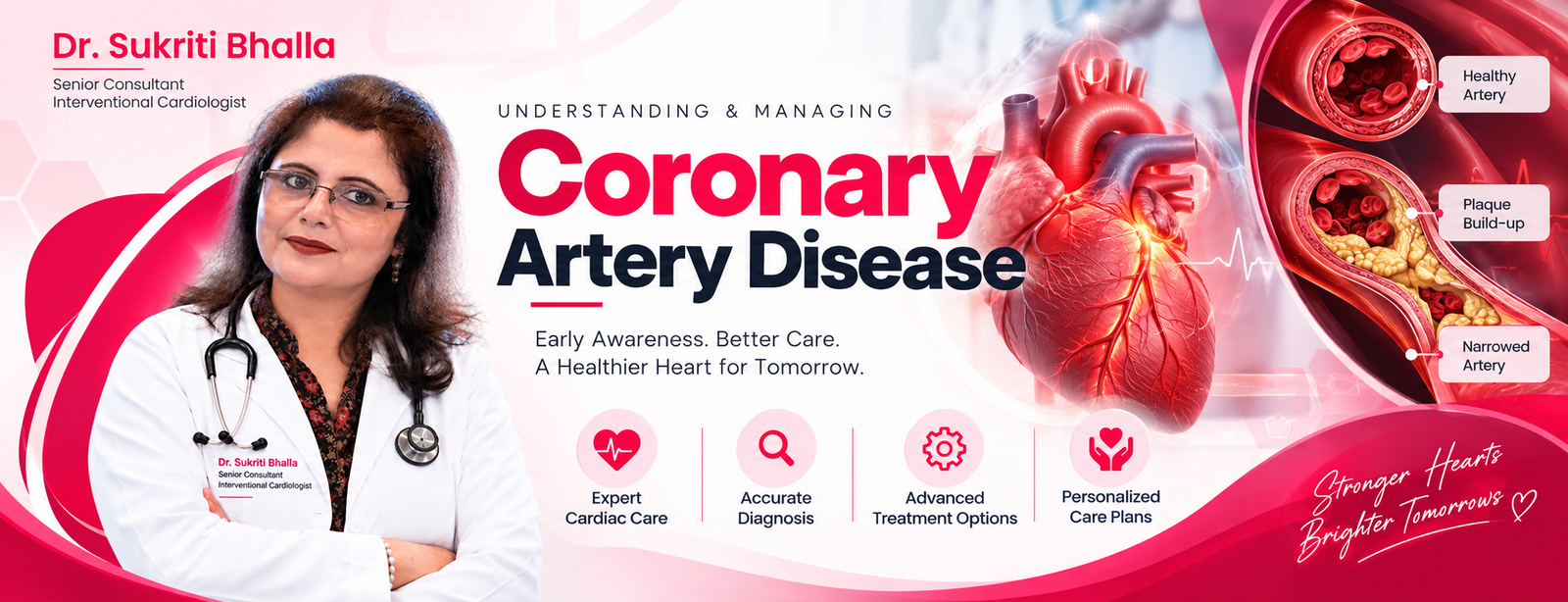
Coronary artery disease mainly occurs when the blood vessels that supply the heart get narrowed or blocked. This commonly happens because of plaque build-up inside the arteries. Some people may experience chest pressure, shortness of breath, fatigue, or reduced exercise tolerance. Others may have no obvious symptoms until the disease becomes more advanced.
When a significant blockage affects blood flow, an interventional cardiologist near me may consider a catheter-based procedure. Angioplasty can help widen a narrowed artery. A small balloon is inflated at the affected area to improve blood flow. A stent can also be inserted to help maintain an open artery and support healthy blood flow.
Heart Attacks
A heart attack can occur when blood flow to part of the heart becomes severely restricted or blocked. Rapid medical assessment is essential during a suspected heart attack. Depending on the type and cause of the heart attack, an interventional cardiologist may perform an emergency coronary intervention.
Primary percutaneous coronary intervention, commonly called primary PCI, can help restore blood flow through a blocked coronary artery. This treatment is performed in a specialised cardiac catheterisation laboratory. The cardiologist guides a catheter towards the affected artery and uses appropriate techniques to restore circulation.
Peripheral Artery Disease
Peripheral artery disease affects blood vessels outside the heart, commonly involving arteries supplying the legs. Patients may experience leg pain while walking, numbness, weakness, or coldness in the affected limb. Severe cases can cause more serious complications.
The best cardiologist in West Delhi may use catheter-based techniques to assess and treat certain arterial blockages. The treatment selected depends on the location and severity of the blockage, along with the patient’s overall health.
Structural Heart Conditions
Some heart conditions affect the structure of the heart rather than only the coronary arteries. Advances in interventional cardiology have created catheter-based options for selected structural conditions. These may include certain valve problems and congenital heart defects. Not every patient will qualify for a minimally invasive procedure. A detailed assessment is necessary before deciding on treatment.
Heart Valve Problems
Heart valves regulate the flow of blood through the heart, ensuring it flows in the correct direction. If a valve becomes narrowed or does not close properly, the heart may need to work harder. Some patients may require medicines and monitoring. Others may need an intervention or surgery.
Certain valve conditions can be treated through catheter-based procedures. The choice depends on the valve affected, disease severity, symptoms, age, overall health, and other medical factors.
Conditions Requiring Cardiac Devices
An interventional cardiologist near me may also perform procedures involving certain cardiac devices. Pacemakers and other devices can help manage selected heart rhythm problems. The decision to implant a device depends on the specific rhythm disorder and the patient’s clinical assessment. A specialist can explain whether a device is appropriate and what the procedure involves.
How an Interventional Cardiologist Near Me Diagnoses Heart Problems
Before recommending treatment, an interventional cardiologist near me needs to understand what is happening inside your cardiovascular system. The assessment may begin with your symptoms and medical history.
Your doctor may ask about chest pain, breathlessness, dizziness, palpitations, exercise tolerance, smoking, diabetes, blood pressure, cholesterol, and family history. Several diagnostic tests may then be recommended.
Electrocardiogram
An electrocardiogram, or ECG, records the electrical activity of the heart. It can help identify certain rhythm abnormalities and signs of heart stress or previous heart damage.
Echocardiogram
An echocardiogram uses ultrasound to create images of the heart. It can provide information about heart structure, pumping function, and valves.
Stress Testing
A stress test assesses how the heart responds to physical activity or another form of controlled stress. It may help identify problems that are not obvious when the heart is resting.
Coronary Angiography
Coronary angiography uses contrast material and X-ray imaging to examine the coronary arteries.
It can help identify narrowed or blocked areas. The findings can assist the cardiologist in deciding whether medication, angioplasty, stenting, surgery, or another approach is appropriate.
Blood Tests
Blood tests can provide useful information about cholesterol, blood sugar, inflammation, and other factors associated with cardiovascular health.
Your doctor may recommend different tests depending on your symptoms and risk factors.
Common Interventional Cardiology Procedures
The exact procedure depends on the condition being treated. Your cardiologist should explain the purpose, benefits, possible risks, alternatives, and recovery requirements before treatment.
Angioplasty
Angioplasty is a common catheter-based treatment for narrowed coronary arteries. A catheter with a small balloon is guided to the narrowed section. The balloon is inflated to help widen the artery. In many cases, a stent is placed to support the artery and maintain blood flow.
Stent Placement
A stent is a small mesh tube placed inside an artery. It helps keep the treated section open after angioplasty. Patients may need specific medicines after stent placement. These medicines help reduce the risk of complications. Never stop prescribed medicines without speaking with your doctor.
Coronary Angiography
Coronary angiography helps doctors see the coronary arteries. It may be used to investigate symptoms or assess known coronary artery disease. It can also help guide treatment decisions.
Radial and Femoral Interventions
Catheter-based procedures may be performed through an artery in the wrist or groin. The radial approach uses an artery in the wrist. The femoral approach uses an artery in the groin. The most suitable access route depends on the procedure, anatomy, medical history, and clinical circumstances.
Benefits of Choosing an Experienced Interventional Cardiologist Near Me
Finding the right interventional cardiologist near me involves more than simply searching for a doctor nearby. Experience, training, hospital facilities, access to emergency cardiac services, and communication style can all matter. When considering advanced interventional cardiology treatment, patients should understand what the procedure involves and why it has been recommended.
A specialist can help you understand:
- Your diagnosis
- Available treatment options
- Potential benefits
- Possible complications
- Recovery expectations
- Medicines required after treatment
- Lifestyle changes that may support heart health
- Follow-up requirements

Good communication also allows patients to ask questions. You should feel comfortable discussing concerns about the procedure and recovery. Furthermore, cardiac treatment should always be individualised. A procedure that benefits one patient may not be suitable for another.
When Should You Search for an Interventional Cardiologist Near Me
You should not ignore symptoms that could indicate a serious heart problem. Seek urgent medical attention for symptoms such as:
- Severe or persistent chest discomfort
- Difficulty breathing
- Sudden sweating with chest discomfort
- Fainting or severe dizziness
- Sudden weakness
- New or severe palpitations
- Pain spreading to the arm, shoulder, back, neck, or jaw
These symptoms can have different causes. However, some may indicate a medical emergency. If symptoms are sudden or severe, do not wait for a routine appointment. Contact an interventional cardiologist near me medical service immediately. For non-emergency concerns, a cardiology consultation can help identify possible causes and determine whether further testing is required.
How to Choose the Right Specialist for Your Heart Care
Searching for an experienced interventional cardiologist for angioplasty and heart treatment can produce many results. Therefore, it helps to compare important factors before making an appointment.
Check Qualifications and Training
Look for relevant medical qualifications and specialist training in cardiology and interventional procedures.
Consider Hospital Facilities
Interventional procedures require specialised equipment and trained medical teams. Consider whether the associated hospital has appropriate cardiac facilities.
Understand the Treatment Approach
A good consultation should include a clear explanation of your diagnosis and available treatment options.
Ask About Follow-Up Care
Heart treatment does not always end after a procedure. Follow-up care, medicines, lifestyle changes, and monitoring can be important.
Bring Your Medical Records
Take previous reports, scans, prescriptions, test results, and details of past procedures to your consultation.
These records can help your cardiologist understand your medical history and avoid unnecessary repetition of tests.
Final Note
Heart conditions can range from manageable problems to serious emergencies. Getting the right assessment at the right time can make your care journey clearer. An interventional cardiologist near me can diagnose several cardiovascular problems and provide catheter-based treatments when appropriate. Procedures such as angioplasty, stenting, coronary angiography, and selected device interventions can help manage specific conditions.
If you are looking for a cardiologist for blocked arteries and minimally invasive heart treatment, choose a specialist like us at Dr. Sukriti Bhalla. We can explain your condition clearly and guide you through suitable options. For personalised cardiac evaluation and expert interventional heart care, visit our website to learn more and book a consultation.
FAQs
1. What conditions does an interventional cardiologist treat?
An interventional cardiologist treats selected coronary, peripheral, structural, and vascular conditions using catheter-based procedures such as angioplasty, stenting, and device implantation.
2. When should I see an interventional cardiologist?
Consider consultation when tests show significant arterial narrowing, coronary disease, or another condition that may require catheter-based treatment or specialist assessment.
3. Is angioplasty considered major surgery?
Angioplasty is generally a minimally invasive procedure rather than open-heart surgery. It uses a catheter to treat narrowed arteries without opening the chest.
4. How long does recovery after angioplasty take?
Recovery varies by patient and procedure. Some people resume normal activities quickly, while others need several days or longer for recovery.
5. Can lifestyle changes prevent heart disease?
Healthy eating, regular physical activity, avoiding tobacco, maintaining a healthy weight, and controlling blood pressure and cholesterol can reduce cardiovascular risk.