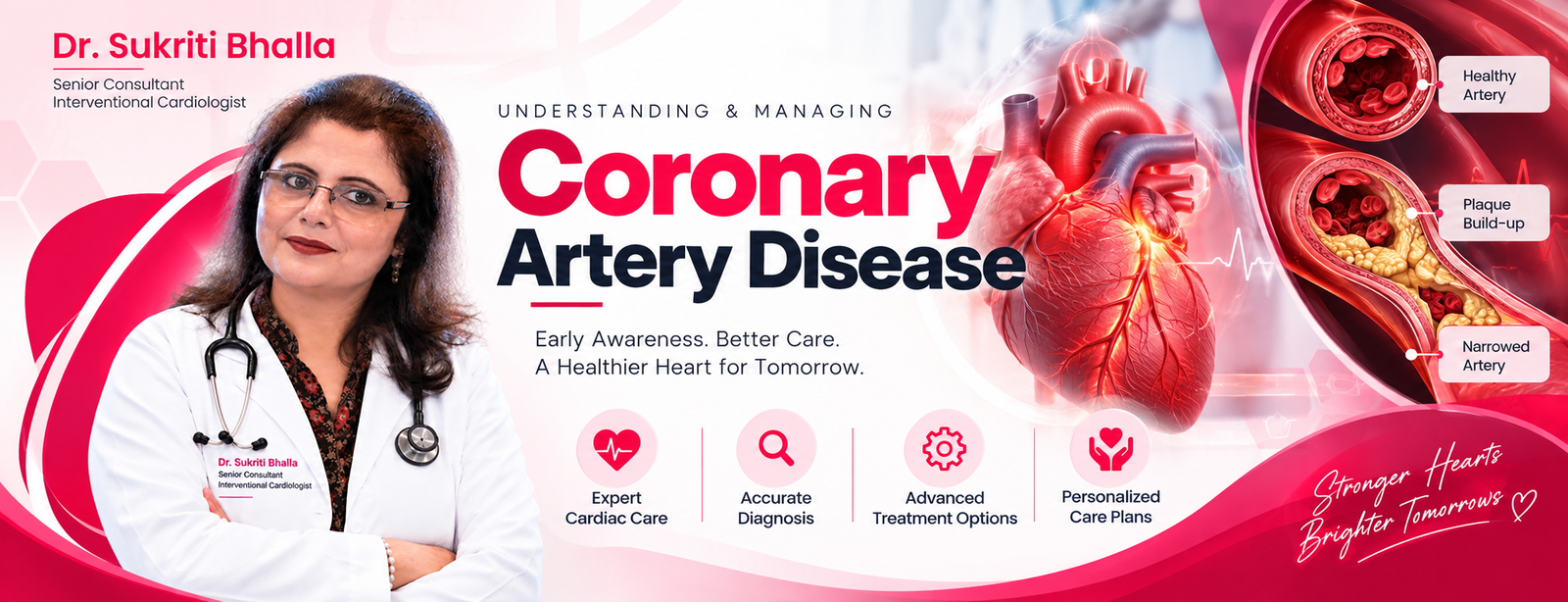
dr sukriti bhalla

Best doctor in Dwarka: How to Choose the Right Specialist for Your Health Need

Best doctor in Dwarka

Finding the best doctor in Dwarka can feel overwhelming, especially when you are dealing with health concerns that require timely and accurate medical attention. With so many clinics, specialists, and healthcare centres available, patients often struggle to understand which doctor is truly suitable for their specific needs. Choosing the right medical professional is not just about convenience; it is about trust, expertise, communication, and long-term care.

In today’s fast-paced world, healthcare decisions must be made carefully, as the quality of medical guidance can significantly impact recovery and overall well-being. Whether you are looking for routine consultations, chronic disease management, or specialised treatment, selecting the right doctor ensures better diagnosis and more effective treatment outcomes.

This guide will help you understand how to make an informed decision and choose the right specialist for your health needs, ensuring you receive the highest standard of care for yourself and your family.

Understanding What Makes The Best Doctor In Dwarka For Your Healthcare Needs

Choosing the right healthcare professional involves more than just searching online. The best doctor in Dwarka is someone who combines medical expertise with compassionate patient care. A good doctor not only treats symptoms but also understands the root cause of health issues and provides long-term solutions.

One of the key aspects is communication. A reliable doctor listens carefully, explains conditions in simple terms, and ensures patients feel comfortable discussing their concerns. Additionally, their approach to diagnosis should be thorough and evidence-based.

Another important factor is patient-centred care. The doctor should focus on individual health conditions rather than applying a one-size-fits-all approach. This ensures more accurate diagnosis and better treatment outcomes.

When searching, many patients look for how to choose a trusted doctor in Dwarka for family care, which includes evaluating reputation, experience, and patient satisfaction levels.

Qualifications And Experience To Look For In The Best Doctor In Dwarka

When selecting the best doctor in Dwarka, qualifications and experience play a crucial role in ensuring safe and effective treatment. A well-qualified doctor with recognised medical degrees and certifications demonstrates credibility and professionalism.

Experience is equally important. A doctor who has treated a wide range of patients is more likely to diagnose conditions accurately and suggest effective treatment plans. Years of practice also help in handling complex and rare medical cases with confidence.

Patients often prefer specialists who have hands-on experience in treating specific conditions. For example, chronic illnesses require continuous monitoring and expertise, which can only be developed through practical exposure.

Many individuals also search for the best general physician in Dwarka for chronic illness, as general physicians often act as the first point of contact for diagnosis and treatment planning.

A combination of education, training, and real-world experience ensures that patients receive reliable and effective healthcare services.

Specialisations And Why Choosing The Best Doctor Matters For Accurate Treatment

Best Sugar doctor near me

Medical specialisation plays a significant role in ensuring accurate diagnosis and treatment. The best sugar doctor near me​ often has specialised knowledge in a particular field, which allows them to focus on specific health conditions in detail.

For instance, a cardiologist deals with heart-related issues, while a dermatologist focuses on skin conditions. Choosing the right specialist ensures that patients receive targeted treatment rather than generalised care.

Patients seeking an experienced female doctor in Dwarka for consultation often prefer specialists who offer a comfortable and understanding environment, especially for sensitive health concerns.

Specialisation also improves treatment accuracy, reduces the risk of misdiagnosis, and ensures faster recovery. In many cases, early consultation with the right specialist can prevent complications and improve long-term health outcomes.

Patient Reviews, Communication, and Trust In Healthcare Decisions

Trust is one of the most important factors when selecting the best doctor in Dwarka. Patient reviews and feedback provide valuable insights into the doctor’s behaviour, treatment effectiveness, and overall experience.

A doctor who maintains clear communication builds stronger relationships with patients. They ensure that patients understand their condition, treatment options, and recovery process. This transparency helps in reducing anxiety and improving cooperation during treatment.

Positive patient experiences often reflect consistency in care quality. However, it is important to evaluate reviews critically and focus on overall trends rather than individual opinions.

Healthcare decisions should always be based on trust, comfort, and professional reliability, ensuring patients feel confident in their treatment journey.

Availability, Accessibility And Modern Healthcare Facilities In Dwarka

Accessibility is another key factor when choosing the best sugar doctor near me​. A doctor who is easily available for consultations, follow-ups, and emergencies ensures better continuity of care.

Modern healthcare facilities also play an important role in accurate diagnosis and treatment. Clinics equipped with advanced diagnostic tools provide faster and more reliable results.

Patients often look for affordable healthcare services in Dwarka Delhi, as cost-effectiveness is an important consideration alongside quality care. A balance between affordability and advanced treatment ensures better healthcare access for everyone.

Location convenience, appointment availability, and waiting time are also important aspects that influence patient satisfaction.

When To Consult The Best Doctor in Dwarka Instead Of A General Physician

While general physicians are essential for initial diagnosis, certain conditions require specialist attention. The best doctor in Dwarka will always guide patients towards appropriate specialised care when needed.

If symptoms persist despite basic treatment, or if the condition is complex, consulting a specialist becomes necessary. Early referral can prevent complications and improve treatment outcomes.

Chronic conditions, unexplained symptoms, or severe health issues should never be ignored. Timely consultation ensures better management and long-term health stability.

Understanding when to move from general care to specialised treatment is an important part of making informed healthcare decisions.

Final Thoughts

Selecting the right healthcare professional requires careful consideration of experience, qualifications, communication, and accessibility. The best doctor in Dwarka is someone who not only provides accurate diagnosis but also ensures compassionate and continuous care for patients.If you are looking for trusted medical guidance and expert healthcare support, you can explore professional consultation with us at Dr. Sukriti Bhalla. We are offering patient-focused and reliable medical services.


Frequently Asked Questions (FAQs)

1. How do I find the best doctor in Dwarka for my health condition?

The best doctor in Dwarka can be found by checking qualifications, patient reviews, experience, and specialisation. Always choose a doctor who understands your specific medical needs.

2. What qualifications should I look for in the best doctor in Dwarka?

Look for recognised medical degrees, specialised training, and years of clinical experience. These ensure that the doctor is capable of providing accurate diagnosis and effective treatment.

3. When should I consult a specialist instead of a general doctor?

You should consult a specialist when symptoms persist, become severe, or require advanced diagnosis. Specialists provide targeted treatment for specific health conditions.

4. Why are patient reviews important for choosing a doctor?

Patient reviews help understand the doctor’s behaviour, communication style, and treatment effectiveness. They provide real insights into the overall patient experience.

5. Is it important to choose a nearby doctor in Dwarka?

Yes, choosing a nearby doctor ensures easy access, timely consultations, and better follow-up care, especially during emergencies or ongoing treatment.

dr sukritibhalla

Best Cardiologist in Delhi: Top Heart Specialists & Care

Looking for the best cardiologist in Delhi? Discover top heart doctors, leading hospitals, and advanced treatment options for heart disease, angioplasty, and cardiac surgery in Delhi NCR. With rising cases of heart-related conditions, choosing the right specialist is crucial for timely diagnosis and effective treatment. 

best cardiologist in Delhi

The best cardiologist offers expertise in managing complex cardiac issues using modern technology and personalised care. From preventive cardiology to life-saving procedures, Delhi is home to some of the finest heart specialists and world-class healthcare facilities, making it a preferred destination for cardiac care across India.

Why Selecting the Best Cardiologist in Delhi Is Important

Your heart health is extremely important for you, and therefore, you should never take it lightly. The right cardiologist can make a significant difference in early diagnosis, treatment success, and long-term recovery. The best heart specialist in Delhi is equipped with advanced knowledge and experience to treat a wide range of conditions, including coronary artery disease, arrhythmias, and heart failure.

Delhi’s healthcare system is known for its cutting-edge technology and internationally trained doctors. Many specialists here are recognised as the top cardiologist in Delhi NCR, offering comprehensive care that includes diagnosis, treatment, and rehabilitation.

Patients benefit from:

  • Advanced diagnostic tools
  • Minimally invasive procedures
  • Personalised treatment plans
  • Access to multidisciplinary teams

Choosing the right doctor ensures better outcomes and peace of mind for both patients and their families.

Best Cardiologist in Delhi and Their Expertise

Delhi is home to some of the most experienced cardiologists in India. These professionals specialise in various branches of cardiology, ensuring that patients receive targeted care based on their condition.

Interventional Cardiologists

The best interventional cardiologist in Delhi specialises in procedures like angioplasty and stent placement. These minimally invasive techniques help restore blood flow without major surgery.

Cardiac Surgeons

For more complex conditions, the best heart surgeon in Delhi performs surgeries such as bypass surgery, valve replacement, and heart transplants. Their expertise is critical in life-threatening situations.

Preventive Cardiologists

Preventive care is equally important. Specialists focus on lifestyle management, early detection, and reducing risk factors such as high blood pressure, diabetes, and cholesterol.

Many patients today actively search for the best heart specialist in Delhi who can provide holistic care, from prevention to advanced treatment, under one roof.

Best Hospitals for Advanced Cardiac Care in Delhi

Best Heart Specialist in Delhi

Delhi is home to some of the most reputed hospitals, offering world-class cardiac care. These institutions are equipped with modern infrastructure and highly skilled medical teams.

Key features of top cardiac hospitals include:

  • State-of-the-art catheterisation labs
  • Advanced imaging technologies play a vital role in accurate diagnosis
  • 24/7 emergency cardiac services
  • Dedicated cardiac intensive care units (ICUs)

These hospitals provide access to advanced cardiac care hospitals in Delhi NCR for angioplasty and bypass surgery, ensuring that patients receive timely and effective treatment.

Additionally, many hospitals follow international treatment protocols, making Delhi a preferred destination for both domestic and international patients seeking high-quality cardiac care.

Advanced Cardiac Treatments Available in Delhi

Modern cardiology has evolved significantly, offering less invasive and more effective treatment options. The best cardiologist in Delhi uses advanced techniques to ensure faster recovery and improved outcomes.

Angioplasty and Stenting

A common procedure used to open blocked arteries, angioplasty, is minimally invasive and often performed by interventional cardiologists.

Coronary Artery Bypass Surgery (CABG)

This surgical procedure is recommended for severe blockages and is performed by experienced cardiac surgeons.

Electrophysiology Procedures

Used to treat irregular heart rhythms, these procedures include pacemaker implantation and ablation therapy.

Heart Failure Management

Comprehensive programmes focus on medication, lifestyle changes, and advanced therapies to improve quality of life.

Patients looking for affordable heart treatment in Delhi with experienced cardiologists can benefit from a wide range of options tailored to different budgets and medical needs.

Strategies and Possible Ways to Find the Best Cardiologist in Delhi

Selecting the right cardiologist requires careful consideration of several factors:

Qualifications and Experience

Look for doctors with recognised degrees and years of experience in treating cardiac conditions.

Specialisation

Choose a specialist based on your specific condition, whether it requires intervention, surgery, or preventive care.

Hospital Affiliation

Doctors associated with reputed hospitals often have access to better facilities and support systems.

Patient Reviews

Feedback from other patients can provide valuable insights into the doctor’s approach and success rate.

Accessibility

Ensure to consider factors such as location, appointment availability, and follow-up care options when making your decision.

Many patients today search for how to find the best cardiologist in Delhi for heart problems to ensure they receive expert care tailored to their needs.

Importance of Early Diagnosis and Preventive Care

Heart diseases often develop silently, making early detection essential. Regular check-ups and screenings can help identify risk factors before they become serious.

Preventive measures include:

  • Maintaining a healthy diet
  • Regular physical activity
  • Managing stress
  • Avoiding smoking and excessive alcohol use

The best cardiologist in Delhi for heart disease diagnosis and treatment emphasises preventive care as a key component of long-term heart health.

By taking proactive steps, individuals can significantly reduce their risk of developing severe cardiac conditions.

End Thoughts

Finding the right cardiologist is essential for maintaining good heart health and receiving timely treatment. With access to highly skilled doctors, modern hospitals, and advanced procedures, Delhi stands out as a leading destination for cardiac care.If you are seeking expert consultation and compassionate care, consider visiting us at Dr Sukriti Bhalla. To learn more about us, visit our website today.

Frequently Asked Questions (FAQs)

1. Who is considered the best cardiologist in Delhi?

The best cardiologist in Delhi is one with extensive experience, strong patient reviews, and expertise in treating various heart conditions using advanced diagnostic and treatment techniques.

2. How do I choose a cardiologist in Delhi NCR?

Check qualifications, hospital affiliation, patient feedback, and specialisation. A top cardiologist should offer personalised care and have experience handling complex cardiac cases effectively.

3. What treatments do cardiologists in Delhi offer?

Cardiologists in Delhi provide treatments like angioplasty, bypass surgery, pacemaker implantation, and preventive care for conditions such as hypertension, heart failure, and coronary artery disease

4. Are cardiac treatments in Delhi affordable?

Yes, Delhi offers a range of affordable to premium cardiac treatments. Many hospitals provide cost-effective packages without compromising on quality or advanced medical care.

5. When should I consult a heart specialist?

Consult a heart specialist if you experience chest pain, shortness of breath, irregular heartbeat, or have risk factors like diabetes, high blood pressure, or a family history of heart disease.

dr sukriti bhalla

How the Best Cardiologist in Dwarka Helps in Preventive Cardiology

Heart disease remains one of the leading causes of mortality worldwide, yet many cardiac conditions are preventable with timely intervention and lifestyle management. Consulting the best cardiologist in Dwarka can play a transformative role in identifying risk factors early and creating a proactive strategy for long-term heart health. Preventive cardiology focuses not just on treating disease, but on stopping it before it develops or progresses.

best cardiologist in Dwarka

In today’s fast-paced urban lifestyle, stress, poor dietary habits, sedentary routines, and genetic predisposition significantly increase the risk of cardiovascular problems. The cardiologist understands these challenges and works closely with patients to develop tailored prevention plans. Through comprehensive screenings, diagnostic assessments, and ongoing monitoring, patients receive structured guidance to protect their heart health.

Preventive cardiology is particularly important for individuals with high blood pressure, diabetes, obesity, or a family history of heart disease. By focusing on early detection, advanced heart health screening in Dwarka, and evidence-based treatment plans, cardiologists empower patients to take control of their cardiovascular wellbeing. This proactive approach reduces complications, hospitalisations, and long-term health risks.

The Role of the Best Cardiologist in Dwarka in Preventive Cardiology

Preventive cardiology goes beyond routine check-ups. The best cardiologist in Dwarka takes a holistic view of each patient’s health, considering lifestyle, medical history, and genetic predisposition. Rather than waiting for symptoms such as chest pain or breathlessness to appear, preventive care identifies risks at an early stage.

Key components include:

  • Comprehensive cardiovascular risk assessment
  • Blood pressure and cholesterol management
  • Diabetes screening and monitoring
  • Electrocardiograms (ECG) and echocardiograms
  • Stress testing when clinically indicated

Through comprehensive cardiovascular risk assessment in Dwarka, cardiologists evaluate lipid profiles, inflammatory markers, and other predictive indicators. These insights allow for early intervention through medication, lifestyle changes, or further investigations.

Additionally, personalised care plans are developed for patients with multiple risk factors. Preventive cardiology ensures that small warning signs are not overlooked and that timely action is taken to prevent serious cardiac events.

Early Diagnosis Through Advanced Heart Health Screening

One of the most effective strategies in preventive cardiology is early diagnosis. Many heart conditions remain silent until they reach an advanced stage. Routine screenings conducted by experienced cardiologists significantly reduce this risk.

Screenings may include:

  • Lipid profile testing
  • Blood sugar evaluation
  • Cardiac imaging
  • Stress echocardiography
  • Coronary calcium scoring (when appropriate)

With advanced heart health screening in Dwarka, subtle abnormalities can be detected before they develop into major cardiovascular problems. For example, identifying elevated cholesterol levels early allows for dietary adjustments and medication before arterial plaque builds up.

Patients with a family history of heart disease particularly benefit from regular monitoring. Early diagnosis not only improves treatment outcomes but also reduces anxiety by providing clarity and structured management plans.

Get Personalised Lifestyle and Risk Management Plans with the Best Cardiologist in Dwarka

Preventive cardiology is not solely about tests and medications. It also involves structured lifestyle modifications. The best cardiologist in Dwarka works collaboratively with patients to create achievable and sustainable health goals.

Key lifestyle interventions include:

  • Balanced diet planning
  • Weight management
  • Regular physical activity
  • Smoking cessation support
  • Stress reduction techniques

Through personalised preventive cardiology treatment plans, patients receive practical guidance tailored to their daily routines. Rather than generic advice, recommendations are specific to the individual’s risk profile and health status.

For instance, someone with borderline hypertension may require dietary sodium restriction and regular exercise, while another with insulin resistance may benefit from weight loss strategies and glucose monitoring. These customised approaches significantly reduce long-term cardiovascular risk.
Managing High-Risk Patients Effectively

Certain individuals require closer observation due to elevated risk factors. Patients with hypertension, diabetes, obesity, or a strong family history of heart disease fall into this category.

In such cases, cardiologists may recommend:

  • More frequent follow-up appointments
  • Medication adjustments
  • Advanced imaging tests
  • Structured monitoring programmes

By implementing long-term cardiac health management in Dwarka, cardiologists ensure consistent oversight and early response to changes. Preventive care for high-risk individuals significantly lowers the chances of heart attacks and strokes.

Moreover, patient education plays a vital role. Understanding warning signs, medication adherence, and lifestyle modifications empowers individuals to actively participate in their care.

The Importance of Regular Cardiac Check-Ups with the Best Cardiologist in Dwarka

cardiovascular problem

Regular consultations form the backbone of preventive cardiology. Many patients avoid cardiologists unless symptoms arise, but routine visits can identify silent risk factors.

A typical preventive check-up may include :

  • Blood pressure measurement
  • Body mass index (BMI) calculation
  • Blood investigations
  • ECG assessment
  • Lifestyle evaluation

By engaging in routine cardiac check-ups with a heart specialist in Dwarka, patients build a consistent health record. Trends over time provide valuable data that help cardiologists intervene promptly.

Preventive cardiology also reduces healthcare costs in the long term by avoiding emergency hospital admissions and complex procedures. Early intervention is always more effective and less invasive than late-stage treatment.

The Psychological Benefits of Preventive Cardiology

Preventive cardiology not only improves physical health but also provides mental reassurance. Knowing that heart health is being professionally monitored reduces stress and anxiety.

Patients who actively participate in preventive care often report:

  • Increased confidence in managing their health
  • Reduced fear of sudden cardiac events
  • Improved adherence to healthy routines

The guidance of an experienced cardiologist fosters trust and encourages long-term commitment to heart wellness.

Conclusion

Preventive cardiology is a proactive and life-saving approach to heart health. By focusing on early detection, structured risk management, and personalised lifestyle guidance, patients can significantly reduce their chances of developing serious cardiovascular conditions. Consulting the right specialist ensures that prevention strategies are tailored, evidence-based, and sustainable.

If you are seeking expert guidance in preventive cardiology, visit us at DR. Sukriti Bhalla, and take the first step towards protecting your heart with professional and compassionate care.

Frequently Asked Questions (FAQs)

1. What is preventive cardiology?

Preventive cardiology focuses on identifying and managing heart disease risk factors before symptoms appear. It includes screenings, lifestyle guidance, and medical management to reduce cardiovascular complications.

2. Who should see a cardiologist for preventive care?

Individuals with high blood pressure, diabetes, obesity, smoking history, or family history of heart disease should seek preventive cardiology consultations regularly for early risk detection.

3. How often should I have a heart health check-up?

Most adults benefit from annual cardiac evaluations, but high-risk individuals may require more frequent visits depending on their medical condition and risk profile.

4. Can lifestyle changes really prevent heart disease?

Yes, consistent healthy eating, exercise, weight control, and stress management significantly lower cardiovascular risk and improve overall heart function over time.

5. Are preventive heart screenings painful or invasive?

Most preventive cardiac tests, including ECGs and blood tests, are non-invasive and painless, designed to safely assess heart function and risk factors.

cardiologist in Delhi

Stroke Prevention: Best Cardiologist in Dwarka

best cardiologist in dwarka

Stroke is one of the leading causes of death and long-term disability worldwide, yet many cases are preventable with early intervention. According to leading experts, including the best cardiologist in Dwarka, stroke prevention begins long before symptoms appear. The heart and brain are closely connected, and maintaining cardiovascular health is key to lowering stroke risk.

Modern lifestyles, rising stress levels, poor dietary habits, and lack of exercise have significantly increased cardiovascular risk factors across all age groups. Increasingly, younger adults are presenting with high blood pressure, obesity, and diabetes, major contributors to stroke. The good news is that proactive care, timely screening, and lifestyle modifications can dramatically reduce the likelihood of a life-threatening event.

In this guide, we explore practical, evidence-based strategies for early stroke prevention, highlighting what cardiology experts recommend to protect both heart and brain health for the long term.

Understanding Stroke and Cardiovascular Risk Factors

A stroke occurs when blood flow to the brain is interrupted, either due to a blockage (ischaemic stroke) or a burst blood vessel (haemorrhagic stroke). The majority of strokes are ischaemic and are closely linked to cardiovascular disease.

Key risk factors include:


      • High blood pressure (hypertension)

      • High cholesterol

      • Diabetes

      • Smoking

      • Obesity

      • Sedentary lifestyle

      • Atrial fibrillation

    Hypertension is often called the “silent killer” because it may not produce symptoms but significantly damages blood vessels over time. When left uncontrolled, it increases the likelihood of clot formation or vessel rupture.

    Another major concern is atrial fibrillation, an irregular heart rhythm that increases the risk of clot formation in the heart. If a blood clot moves to the brain, it can block blood flow and cause a stroke.

    This is why routine preventive cardiology check-ups for stroke risk assessment are critical, especially for individuals over 40 or those with a family history of heart disease.

    Early Signs of Stroke and When to See the Best Cardiologist in Dwarka

    Recognising early warning signs can save lives. Stroke symptoms often appear suddenly and require immediate medical attention with the best cardiologist in Dwarka.

    Remember the acronym FAST:


        • Face drooping

        • Arm weakness

        • Speech difficulty

        • Time to call emergency services

      Additional warning signs may include:


          • Sudden confusion

          • Severe headache with no known cause

          • Sudden vision problems

          • Dizziness or loss of balance

        However, prevention should begin long before these symptoms occur. Regular cardiac evaluations can identify risk factors early. Individuals experiencing:


            • Persistent high blood pressure

            • Palpitations or irregular heartbeat

            • Chest discomfort

            • Breathlessness

            • Family history of stroke.

          You should consult the best cardiologist doctor in Delhi without delay.

          Early consultation with a heart specialist ensures early detection of stroke risk factors through cardiac screening, including ECG, echocardiography, lipid profiling, and blood sugar evaluation.

          Lifestyle Modifications for Stroke Prevention

          Lifestyle changes remain the foundation of stroke prevention. Even small adjustments can significantly reduce risk over time.

          Maintain Healthy Blood Pressure

          Aim for a blood pressure reading below 120/80 mmHg, unless advised otherwise. Reducing salt intake, managing stress, and engaging in regular physical activity can help.

          Follow a Heart-Healthy Diet

          A Mediterranean-style diet rich in:


              • Fruits

              • Vegetables

              • Whole grains

              • Lean protein

              • Healthy fats

            can lower cholesterol and reduce inflammation.

            Limiting processed foods, red meat, and refined sugars is equally important.

            Exercise Regularly

            Moderate-intensity exercise per week is recommended. Walking, swimming, cycling, or yoga can all support cardiovascular health.

            Regular exercise also improves insulin sensitivity, aiding in natural ways to reduce stroke risk and improve heart health.

            Quit Smoking

            Smoking damages blood vessels and increases clot formation. Stopping smoking can reduce stroke risk significantly within just a few years.

            Maintain a Healthy Weight

            Excess weight contributes to hypertension, diabetes, and high cholesterol, all major stroke risk factors.

            best cardiologist doctor in delhi

            Medical Interventions Recommended by the Best Cardiologist in Dwarka

            While lifestyle changes are essential, medical management is often necessary for individuals at higher risk.

            Blood Pressure Control

            If lifestyle modifications do not adequately control blood pressure, your doctor may recommend antihypertensive medication to help manage it effectively. Regular monitoring ensures optimal control.

            Cholesterol Management

            Statins may be recommended to lower LDL cholesterol levels and stabilise arterial plaque.

            Blood Thinners

            For patients with atrial fibrillation or clotting disorders, anticoagulants help prevent clot formation.

            Diabetes Management

            Strict glycaemic control reduces vascular damage and lowers stroke risk.

            Routine cardiac screening for high blood pressure and stroke prevention plays a crucial role in identifying patients who require medical intervention.

            The Role of Preventive Cardiology in Reducing Stroke Risk

            Preventive cardiology focuses on identifying and managing risk factors before they cause serious complications. This approach includes:


                • Comprehensive risk assessment

                • Lifestyle counselling

                • Diagnostic testing

                • Medication management

                • Long-term monitoring

              Advanced diagnostic tools used by the best cardiologist doctor in Delhi, such as stress tests and carotid artery Doppler studies, can detect narrowing of arteries before symptoms occur.

              Preventive strategies are especially crucial for individuals who have:


                  • Family history of stroke

                  • Chronic kidney disease

                  • Sedentary occupations

                  • High-stress lifestyles

                Adopting a proactive approach through a comprehensive heart health evaluation for stroke prevention ensures that risks are addressed early and effectively.

                Stress Management and Mental Well-being with the Best Cardiologist in Dwarka

                Chronic stress contributes to high blood pressure and unhealthy coping behaviours such as overeating or smoking.

                Stress management techniques include:


                    • Meditation

                    • Deep breathing exercises

                    • Regular physical activity

                    • Adequate sleep (7–8 hours per night)

                    • Limiting caffeine and alcohol

                  Mental health plays a significant role in cardiovascular wellbeing. Seeking counselling or support when needed can indirectly reduce stroke risk.

                  Importance of Regular Health Screenings

                  Many individuals delay health check-ups until symptoms appear. Unfortunately, stroke risk factors often develop silently.

                  Routine tests may include:


                      • Blood pressure measurement

                      • Lipid profile

                      • Blood glucose testing

                      • ECG

                      • Echocardiogram

                    Early detection allows for timely intervention, potentially preventing life-altering consequences.

                    Adults over 40, or younger individuals with risk factors, should consider annual cardiovascular evaluations.

                    End Notes

                    Early prevention of stroke requires a comprehensive approach that combines lifestyle modifications, regular screenings, and medical management when necessary. Protecting your heart is one of the most effective ways to protect your brain. By identifying risk factors early and taking proactive steps with the best cardiologist in Dwarka, individuals can significantly reduce their chances of experiencing a stroke.

                    If you are looking for expert guidance on preventive heart care, consult us at Dr. Sukriti Bhalla. We are a trusted specialist committed to proactive cardiovascular health management. Learn more or book a consultation with us and take the first step towards safeguarding your heart and brain health for the future.

                    Frequently Asked Questions (FAQs)

                    1. What are the earliest warning signs of a stroke?

                    Early signs include sudden face drooping, arm weakness, slurred speech, confusion, dizziness, or vision problems. Immediate medical attention is essential to minimise brain damage.

                    2. Can high blood pressure alone cause a stroke?

                    Yes, uncontrolled hypertension significantly increases stroke risk by damaging blood vessels and promoting clot formation or rupture over time.

                    3. How often should I undergo cardiac screening for stroke prevention?

                    Adults over 40 should consider annual screenings, while younger individuals with risk factors may require earlier and more frequent evaluations.

                    4. Does exercise really reduce stroke risk?

                    Regular moderate exercise improves blood circulation, lowers blood pressure, controls weight, and reduces inflammation, significantly lowering stroke risk.

                    5. Are strokes preventable with medication alone?

                    Medication helps manage risk factors, but lifestyle modifications such as healthy eating, exercise, and quitting smoking are equally important for effective stroke prevention.

                    dr sukriti bhalla

                    Heart Care Matters: Best Cardiologist in Delhi Guide

                    best cardiologist in Delhi

                    Heart health is the cornerstone of overall well-being. With the rise of lifestyle-related conditions, finding the best cardiologist in Delhi has become increasingly important for timely diagnosis, treatment, and prevention of heart diseases. From managing high blood pressure and cholesterol to advanced interventions for coronary artery disease, the right cardiologist can significantly improve your quality of life.

                    Delhi, being a hub for medical excellence, is home to numerous experienced specialists. However, locating the top cardiologist or the best cardiologist in Delhi NCR requires careful consideration of expertise, experience, patient outcomes, and hospital facilities. Whether you are looking for preventive care, interventional cardiology, or complex heart surgery, a reliable specialist ensures personalised treatment and ongoing guidance for long-term heart health.

                    Choosing the right professional not only addresses current cardiac concerns but also prevents potential complications in the future. From lifestyle counselling to cutting-edge procedures, consulting the best cardiologist can make a life-changing difference. In this article, we explore why expert heart care matters, highlight top cardiologists and hospitals, and offer guidance on making an informed decision.

                    Top Cardiologist in Delhi NCR

                    Delhi NCR hosts some of the most reputed cardiologists in India. These specialists offer a combination of extensive experience, modern medical technology, and personalised care. Whether you require non-invasive procedures, interventional cardiology, or preventive heart check-ups, the top cardiologist in Delhi ensures that treatment is tailored to your unique needs.

                    Many cardiologists have trained at prestigious institutions and regularly handle complex cardiac cases. Their expertise spans diagnostic testing, angioplasty, stent placements, pacemaker implantation, and management of chronic heart conditions. Patients benefit from evidence-based care that not only addresses immediate issues but also reduces long-term cardiovascular risks.

                    Choosing a top cardiologist means access to comprehensive care, including lifestyle modification advice, diet counselling, and early detection of heart disease. This holistic approach is what sets leading specialists apart from general practitioners.

                    Top 10 Cardiologists in Delhi

                    For patients seeking highly reputable care, the top 10 cardiologists in Delhi list provides guidance on specialists known for exceptional skills and patient outcomes. These professionals are recognised for their ability to handle complex cardiac procedures while maintaining personalised attention.

                    Factors considered when identifying cardiologists in Delhi include:

                        • Years of experience in cardiology and interventional procedures

                        • Success rates of surgeries and interventions

                        • Patient reviews and testimonials

                        • Recognition in medical boards and associations

                        • Affiliation with leading cardiology hospitals in Delhi

                      Consulting one of these top specialists ensures that patients receive cutting-edge care and benefit from the latest advancements in cardiology. They are often associated with premium facilities and high-standard cardiac care units.

                      How to Choose the Best Cardiologist in Delhi

                      Selecting the best cardiologist in Delhi can seem overwhelming due to the large number of specialists available. Considering a few key factors can make the decision much easier.

                          1. Experience and Expertise: Ensure the cardiologist has specialised training in areas relevant to your condition. For example, for angioplasty or bypass surgery, seek an interventional cardiologist.

                          1. Hospital Affiliation: Choosing a cardiologist linked to a reputed hospital guarantees access to advanced diagnostic and surgical facilities.

                          1. Patient Feedback: Testimonials, reviews, and word-of-mouth recommendations can provide insight into the specialist’s approach and reliability.

                          1. Accessibility and Location: Convenience matters for regular follow-ups; consider specialists in Delhi NCR or nearby areas.

                          1. Comprehensive Care: The best cardiologist offers both preventive advice and advanced interventions, addressing both lifestyle management and clinical needs.

                        By considering these factors, you can make an informed choice that ensures quality cardiac care and peace of mind.

                        The Role of Preventive Cardiology in Long-Term Heart Health

                        Preventive care is a vital aspect of maintaining a healthy heart, and consulting the best cardiologist in Delhi ensures that potential issues are identified before they become serious. Preventive cardiology focuses on risk assessment, lifestyle management, and early detection through routine screenings such as ECGs, echocardiograms, and blood tests.

                        dr sukriti bhalla

                        A specialist can provide personalised guidance on diet, exercise, and stress management, helping patients reduce the likelihood of heart disease. They also monitor risk factors such as high blood pressure, cholesterol, and diabetes, tailoring interventions to individual needs.

                        By prioritising preventive cardiology, patients not only improve their long-term heart health but also reduce the risk of costly procedures in the future. Choosing the best cardiologist ensures that you receive comprehensive care that combines advanced diagnostics, expert advice, and continuous support for a healthier life.

                        Best Cardiology Hospitals in Delhi

                        The best cardiologist & cardiology hospital in Delhi merges exceptional expertise with state-of-the-art medical technology. Top hospitals offer:

                            • Modern cath labs for interventional procedures

                            • Advanced diagnostic facilities like CT angiography and echocardiography

                            • Dedicated cardiac care units (CCU) for critical patients

                            • Multidisciplinary teams for complex cardiac conditions

                          Some hospitals in Delhi NCR are internationally accredited, ensuring adherence to global healthcare standards. Patients benefit from experienced cardiologists, cutting-edge technology, and a holistic approach to treatment, making these facilities the ideal choice for anyone seeking premium heart care.

                          Conclusion

                          Heart health cannot be compromised. Consulting the best cardiologist in Delhi ensures timely diagnosis, effective treatment, and preventive care that enhances both longevity and quality of life. From managing common conditions to performing complex interventions, experienced cardiologists make a tangible difference in patient outcomes.

                          For comprehensive cardiac care from a trusted specialist, visit us at Dr. Sukriti Bhalla. Prioritise your heart today by consulting with our best cardiologist for personalised and expert cardiac care.


                          Frequently Asked Questions (FAQs)

                          Dr. Sukriti Bhalla is recognised as one of the best cardiologists in Delhi, offering advanced cardiac care and personalised treatment plans for patients across Delhi NCR.

                          For angioplasty, stent placement, and minimally invasive procedures, Dr. Sukriti Bhalla is considered a leading interventional cardiologist in Delhi, known for precision and successful outcomes.

                          While many top cardiologists perform interventional procedures, cardiac surgery for complex cases is handled by specialists in renowned cardiology hospitals affiliated with Delhi’s leading doctors.

                          Delhi hosts several world-class hospitals for cardiology. Patients seeking top-notch care often choose facilities where the best cardiologist & cardiology hospital in Delhi collaborate for comprehensive treatment.

                          Dr. Sukriti Bhalla serves patients across Delhi and Noida, making her one of the most trusted names for cardiac care in the NCR region.

                          dr sukriti bhalla

                          How a Cardiologist in Dwarka Can Improve Your Heart Lifestyle

                          Keeping your heart healthy is vital for overall well-being and a longer, more active life. In today’s fast-paced world, lifestyle factors such as diet, stress, physical activity, and sleep patterns significantly impact heart health. While general awareness about cardiovascular health has increased, many people still overlook subtle risk factors that can lead to serious complications. Regular consultation with a cardiologist is crucial, as they provide expert guidance on prevention, early detection, and management of heart conditions.

                          A cardiologist in Dwarka can play a pivotal role in transforming your heart lifestyle. From offering personalised diet and exercise plans to monitoring blood pressure and cholesterol levels, cardiologists ensure that your heart remains healthy and resilient. They employ advanced diagnostic tools and tests to detect early signs of cardiovascular issues, allowing timely intervention. Additionally, a cardiologist provides education on recognising warning signs, managing stress, and making lifestyle adjustments that suit your individual health needs.

                          By integrating professional advice with everyday habits, a cardiologist helps individuals prevent heart disease, reduce the risk of complications, and enhance their quality of life. For those with a family history of heart disease, regular visits are even more critical.

                          The Role of a Cardiologist in Heart Health

                          A cardiologist is a specialist trained to diagnose, treat, and prevent heart and vascular conditions. Their role goes beyond managing illness; they focus on optimising heart function and promoting long-term cardiovascular wellness.

                          Key responsibilities include:

                          • Evaluating heart health through clinical examinations and advanced diagnostic tests.
                          • Providing lifestyle counselling, including diet, exercise, and stress management.
                          • Prescribing and monitoring medications for conditions like hypertension, arrhythmia, and cholesterol.
                          • Advising on preventive strategies for individuals at risk due to genetics, lifestyle, or pre-existing conditions.

                          Regular consultation with a cardiologist ensures that your heart is not only treated but also maintained proactively.

                          Lifestyle Changes Recommended by Cardiologists

                          Balanced Diet

                          Nutrition plays a vital role in heart health. Cardiologists often recommend a diet rich in fruits, vegetables, whole grains, lean proteins, and healthy fats. Reducing salt, sugar, and processed foods can help lower blood pressure, cholesterol, and inflammation.

                          Regular Physical Activity

                          Exercise strengthens the heart, improves blood circulation, and helps to maintain a stable weight. Cardiologists typically suggest at least 150 minutes of moderate-intensity aerobic activity per week, alongside strength training and flexibility exercises.

                          Stress Management

                          Chronic stress can lead to elevated blood pressure and heart rate. Techniques such as meditation, yoga, deep breathing, and adequate sleep are commonly advised by cardiologists to manage stress effectively.

                          Avoiding Tobacco and Limiting Alcohol

                          Smoking and consuming excessive alcohol are major risk factors for heart disease. Cardiologists provide guidance on quitting strategies and responsible alcohol use.

                          Importance of Regular Check-Ups

                          Even in the absence of symptoms, regular heart check-ups are essential. Cardiologists use a variety of diagnostic tools such as ECG, echocardiograms, and lipid profiling to monitor heart function. Early detection of issues like high cholesterol, hypertension, or irregular heartbeats can prevent more serious complications in the future.

                          Additionally, for patients with existing conditions such as diabetes or obesity, cardiologists offer customised monitoring and management plans to reduce the risk of heart attacks, strokes, and other cardiovascular events.

                          Best Heart Surgeon In India

                          Managing Chronic Conditions

                          For patients with chronic conditions, such as coronary artery disease or heart failure, a cardiologist provides ongoing care and guidance. This includes:

                          • Medication management to control symptoms and prevent progression.
                          • Lifestyle modifications tailored to specific health needs.
                          • Periodic assessments to adjust treatment plans as necessary.
                          • Education on recognising early warning signs of complications.

                          Proper management by a cardiologist can significantly improve outcomes and enhance the quality of life for patients with chronic heart conditions.

                          Technology and Modern Cardiology

                          Advancements in cardiology have transformed how heart health is monitored and managed. The modern and the best heart surgeon in India uses:

                          • Wearable devices to track heart rate and rhythm in real-time.
                          • Telemedicine for convenient consultations and follow-ups.
                          • Advanced imaging techniques like CT and MRI scans for precise diagnosis.
                          • Minimally invasive procedures for quicker recovery and reduced risk.

                          A cardiologist in Dwarka utilising these technologies ensures accurate diagnosis, effective treatment, and personalised care.

                          Preventive Measures and Education

                          Education is a key aspect of cardiology. Cardiologists empower patients to make informed decisions about their health, teaching them to:

                          • Monitor blood pressure and heart rate at home.
                          • Identify symptoms such as chest pain, dizziness, or shortness of breath.
                          • Understand the importance of regular screenings and check-ups.
                          • Incorporate sustainable lifestyle changes for long-term heart health.

                          Preventive care reduces the likelihood of major cardiovascular events and promotes longevity.

                          Closing Thoughts

                          Maintaining a healthy heart requires a combination of lifestyle management, preventive care, and professional guidance. A cardiologist in Dwarka plays an essential role in helping individuals adopt heart-friendly habits, detect potential risks early, and manage existing conditions effectively. For those seeking expert care, can trust Dr Sukriti Bhalla. 

                          We at  Dr Sukriti Bhalla offer personalised, compassionate, and comprehensive cardiology services. With her extensive experience, advanced diagnostic tools, and patient-focused approach, we help individuals to achieve a healthier heart and improved quality of life. Consult with us today to take proactive steps towards a stronger, healthier heart.

                          Cardoiologist in Dwarka

                          How a Cardiologist in Dwarka Helps Manage Blood Pressure and Cholesterol

                          High blood pressure and high cholesterol are two of the most common yet dangerous health conditions affecting millions of adults today. Often called “silent killers,” these conditions may not cause noticeable symptoms in the early stages, but over time, they significantly increase the risk of heart attacks, strokes, and other serious cardiovascular problems. In rapidly growing urban areas like Dwarka, lifestyle changes, work stress, poor diet, and lack of physical activity have made hypertension and cholesterol disorders increasingly common.

                          Cardoiologist in Dwarka

                          Managing these conditions effectively requires more than occasional checkups or temporary medications. It demands a comprehensive, personalised approach led by an experienced cardiologist who understands how blood pressure and cholesterol interact with overall heart health. A qualified cardiologist in Dwarka plays a vital role in early diagnosis, risk assessment, preventive care, and long-term disease management.

                          From identifying underlying causes to creating tailored treatment plans that include lifestyle modifications, medication, and regular monitoring, cardiologists help patients regain control of their heart health. With advancements in diagnostic technology and evidence-based treatment strategies, patients today have access to world-class cardiac care close to home. Understanding how a cardiologist supports blood pressure and cholesterol management can empower individuals to take proactive steps toward a healthier, longer life.

                          Understanding Blood Pressure and Cholesterol

                          Blood pressure measures the force of blood against artery walls, while cholesterol refers to fatty substances in the blood that can build up inside arteries. When either is elevated, the heart has to work harder to pump blood, increasing the risk of arterial damage. When both conditions occur together, the danger multiplies.

                          A cardiologist evaluates not just the numbers, but also how these factors affect the heart, blood vessels, and overall cardiovascular system.

                          Early Diagnosis and Risk Assessment

                          One of the most important roles of a cardiologist in Dwarka is early detection. Many patients live with high blood pressure or cholesterol for years without knowing it. Cardiologists use detailed evaluations, including blood tests, ECGs, stress tests, and imaging studies, to assess cardiovascular risk.

                          They also consider family history, lifestyle habits, age, and existing medical conditions. This thorough risk assessment allows the cardiologist to identify potential problems before they become life-threatening.

                          Personalised Treatment Plans

                          No two patients are the same, and effective management requires individualised care. A cardiologist designs a treatment plan based on the severity of the condition and the patient’s overall health. This may include:

                          • Blood pressure–lowering medications
                          • Cholesterol-lowering drugs such as statins
                          • Adjustments to existing medications
                          • Monitoring for side effects and effectiveness

                          Regular follow-ups ensure that treatment remains effective and adapts to the patient’s changing needs.

                          Lifestyle Modification Guidance

                          Medication alone is not enough to manage blood pressure and cholesterol long-term. Cardiologists provide clear, practical guidance on lifestyle changes that support heart health. This includes advice on diet, exercise, stress management, sleep quality, and smoking cessation.

                          Patients are educated on heart-friendly eating patterns, such as reducing sodium, limiting saturated fats, and increasing fiber intake. Physical activity plans are customised to match fitness levels and medical conditions, ensuring safety and sustainability.

                          Preventive Cardiology and Long-Term Monitoring

                          Preventive care is a cornerstone of cardiology. A cardiologist in Dwarka focuses not only on treating existing conditions but also on preventing complications like heart attacks, strokes, and heart failure.

                          Through regular monitoring, periodic testing, and patient education, cardiologists help individuals maintain stable blood pressure and cholesterol levels over the long term. This proactive approach reduces hospitalisations and improves quality of life.

                          Advanced Cardiac Interventions When Needed

                          In some cases, uncontrolled blood pressure and cholesterol lead to blocked arteries or other serious heart conditions. Cardiologists are trained to identify when advanced interventions are required. These may include angioplasty, stent placement, or device implantation.

                          Early specialist involvement ensures timely intervention, often preventing irreversible heart damage.

                          Why Expert Cardiac Care Matters

                          Managing blood pressure and cholesterol is not just about reaching target numbers—it’s about protecting the heart, brain, and vital organs. An experienced cardiologist brings clinical expertise, advanced technology, and a patient-centered approach that general care alone cannot provide.

                          Experience Expert Cardiac Care with Dr. Sukriti Bhalla

                          At Dr. Sukriti Bhalla, we believe heart care should be precise, compassionate, and focused on long-term wellness. Under the supervision of the best heart surgeon in India (Dr. Sukriti Bhalla), our practice offers comprehensive management of blood pressure and cholesterol backed by exceptional experience and results.

                          With 10+ years of clinical expertise and 20,000+ successful interventional cardiac procedures, we bring world-class cardiology care to Dwarka and Delhi NCR. Our approach combines advanced diagnostics, evidence-based treatments, and preventive cardiology strategies designed to empower patients.

                          We are proud to have helped 200,000+ satisfied patients through our calm, accurate diagnostic skills and patient-first philosophy. From preventive counseling to complex angioplasties, pacemaker implantations, and structural heart procedures, our team is committed to delivering care you can trust.

                          When you choose us, you’re not just receiving treatment; you’re gaining a long-term partner in heart health.

                          Final Thoughts

                          High blood pressure and cholesterol are manageable conditions when addressed with expert care and consistency. A skilled cardiologist in Dwarka plays a critical role in diagnosis, treatment, prevention, and education, helping patients avoid serious cardiovascular complications.

                          With the right guidance, personalised treatment, and a commitment to preventive care like that of Dr. Sukriti Bhalla, patients can lead healthier, more active lives. Taking control of your heart health today is one of the most important investments you can make for your future.

                          Cardiologiest

                          How a Cardiologist in Dwarka Helps Prevent Heart Attacks?

                          Heart attacks remain one of the leading causes of death worldwide, yet many of them are preventable with timely medical care, lifestyle changes, and expert guidance. In rapidly growing urban areas like Dwarka, changing lifestyles, work-related stress, poor dietary habits, and lack of physical activity have significantly increased the risk of cardiovascular diseases across all age groups. What makes this situation more concerning is that heart disease often progresses silently, showing warning signs only when significant damage has already occurred.

                          Cardiologiest

                          This is where the role of a skilled cardiologist becomes crucial. A cardiologist does far more than treat emergencies; they work proactively to identify risk factors, diagnose early-stage heart conditions, and guide patients toward long-term heart health. From managing blood pressure and cholesterol to detecting hidden blockages and advising preventive therapies, cardiology care plays a decisive role in stopping heart attacks before they happen. A cardiologist in Dwarka combines clinical expertise with an understanding of local lifestyle patterns, allowing for personalised and practical preventive care. 

                          Understanding the Risk Factors for Heart Attacks

                          Preventing heart attacks starts with understanding the factors that increase risk. Cardiologists focus on both modifiable and non-modifiable risk elements. Non-modifiable factors include age, genetics, and family history of heart disease. While these cannot be changed, early monitoring helps reduce their impact.

                          Modifiable risk factors are where prevention truly begins. High blood pressure, elevated cholesterol levels, diabetes, smoking, obesity, poor diet, physical inactivity, and chronic stress are major contributors. A cardiologist evaluates how these factors interact in each patient and prioritises interventions accordingly, significantly reducing the likelihood of heart attacks over time.

                          Early Detection Through Preventive Heart Screenings

                          One of the most powerful ways a cardiologist in Dwarka helps prevent heart attacks is through early detection. Regular heart screenings help uncover issues before they become dangerous.

                          These screenings may include blood pressure monitoring, lipid profile tests, blood sugar analysis, electrocardiograms (ECG), echocardiography, and stress tests. By identifying abnormalities early, cardiologists can initiate timely treatment, preventing plaque buildup, arterial blockages, and sudden cardiac events.

                          Personalised Risk Assessment and Treatment Planning

                          No two hearts are the same. Cardiologists develop personalised care plans based on a patient’s medical history, lifestyle, test results, and risk profile. Instead of a one-size-fits-all approach, treatment is tailored to address specific vulnerabilities.

                          For some patients, lifestyle changes may be enough. For others, medication may be required to control blood pressure, cholesterol, or heart rhythm. This customised approach ensures that preventive strategies are both effective and sustainable in the long run.

                          Managing High Blood Pressure Effectively

                          Cardiologists play a vital role in diagnosing hypertension early and managing it effectively. They guide patients on dietary changes such as reducing salt intake, maintaining a healthy weight, and adopting heart-healthy eating habits. When necessary, they prescribe medications and monitor progress regularly. Proper blood pressure control dramatically reduces stress on the heart and blood vessels, lowering heart attack risk.

                          Cholesterol Control and Plaque Prevention

                          Excess cholesterol, especially LDL (bad cholesterol), contributes to plaque formation in arteries, leading to blockages that cause heart attacks. Cardiologists help patients understand their cholesterol levels and take steps to manage them.

                          Through dietary guidance, exercise recommendations, and medication when needed, cardiologists work to stabilise or reverse plaque buildup. Regular follow-ups with the best cardiologist in Delhi ensure that cholesterol levels remain within a safe range, protecting the heart from sudden events.

                          Diabetes and Heart Disease Management

                          Diabetes significantly increases the risk of heart attacks. Cardiologists often work alongside physicians to ensure optimal blood sugar control while monitoring heart health closely. They understand the close link between insulin resistance, inflammation, and cardiovascular damage.

                          By managing diabetes effectively and addressing associated risk factors such as obesity and hypertension, cardiologists help prevent long-term heart complications and reduce the chance of acute cardiac events.

                          Lifestyle Guidance and Behavioural Changes

                          A cardiologist’s role extends beyond prescriptions and tests. Education and counselling are key components of preventive cardiology. Patients receive guidance on physical activity, stress management, sleep hygiene, and smoking cessation.

                          Small but consistent lifestyle changes—such as regular walking, balanced meals, stress reduction techniques, and quitting tobacco—can significantly lower heart attack risk. Cardiologists provide realistic, achievable advice that fits into daily life, making long-term heart health attainable.

                          Advanced Diagnostic Tools for Accurate Assessment

                          Modern cardiology relies on advanced diagnostic tools to detect subtle heart issues. Cardiologists in Dwarka use non-invasive imaging and functional tests to assess heart structure, blood flow, and performance.

                          These technologies help identify early signs of coronary artery disease, heart muscle weakness, or rhythm disorders. Accurate diagnosis allows for early intervention, reducing the likelihood of sudden heart attacks and improving long-term outcomes.

                          Regular Monitoring and Long-Term Follow-Up

                          Prevention is an ongoing process. Cardiologists emphasise regular follow-ups to monitor progress, adjust treatment plans, and address new risk factors as they arise. Long-term monitoring ensures that preventive measures remain effective as a patient’s health and lifestyle evolve.

                          Consistent medical supervision helps catch warning signs early and reinforces healthy habits, creating a strong defence against heart attacks.

                          Wrapping Up

                          Preventing heart attacks requires more than emergency care—it demands proactive, expert-led cardiovascular management. A cardiologist in Dwarka plays a critical role by identifying risks early, offering personalised treatment plans, guiding lifestyle changes, and using advanced diagnostics to protect heart health. Through consistent monitoring and patient education, cardiology care helps individuals significantly reduce their chances of experiencing a life-threatening cardiac event.

                          If you are looking for expert guidance focused on prevention, early diagnosis, and long-term heart wellness, consulting an experienced cardiologist can make all the difference. To take a proactive step toward protecting your heart health, consider expert cardiology care at Dr Sukriti Bhalla, where prevention, precision, and patient-focused treatment come together for a healthier heart.

                          Dr Sukriti Bhalla

                          Top Heart Conditions Treated by a Cardiologist in Dwarka

                          Heart health has become a growing concern in today’s fast-paced lifestyle, especially with increasing stress, sedentary habits, unhealthy diets, and genetic predispositions. From young professionals to senior citizens, heart-related issues are no longer limited to a particular age group. Early diagnosis and expert management play a crucial role in preventing complications and ensuring a healthy, active life.

                          Dwarka, being one of Delhi’s well-developed residential and healthcare hubs, offers access to experienced cardiologists who diagnose and treat a wide spectrum of heart conditions. A qualified cardiologist in Dwarka not only manages existing heart diseases but also focuses on prevention, lifestyle modification, and long-term cardiac care. Whether it is chest pain, breathlessness, palpitations, or abnormal blood pressure readings, timely consultation can make a life-saving difference. This blog highlights the most common heart conditions treated by cardiologists.

                          Coronary Artery Disease (CAD)

                          Coronary Artery Disease is one of the most common heart conditions treated by cardiologists. Symptoms may include chest pain (angina), shortness of breath, fatigue, or even a heart attack.

                          Cardiologists in Dwarka manage CAD through a combination of medications, lifestyle changes, and diagnostic tests, including ECG, echocardiography, stress tests, and angiography. Early detection significantly reduces the risk of severe complications.

                          Hypertension (High Blood Pressure)

                          Persistent hypertension increases the risk of heart attack, stroke, kidney disease, and heart failure. A cardiologist focuses on identifying the underlying causes, monitoring blood pressure trends, and prescribing appropriate medications. Patients are also guided on salt restriction, weight management, stress reduction, and physical activity to keep blood pressure under control.

                          Heart Rhythm Disorders (Arrhythmias)

                          Common symptoms include palpitations, dizziness, fainting, chest discomfort, or fatigue. Cardiologists diagnose arrhythmias using ECG, Holter monitoring, and electrophysiological studies. Treatment may involve medications, lifestyle adjustments, or advanced interventions depending on the severity and type of rhythm disorder.

                          Heart Failure

                          Heart failure does not mean the heart has stopped working, but rather that it cannot pump blood efficiently to meet the body’s needs. Patients may experience breathlessness, swelling in the legs, rapid weight gain, and persistent fatigue.

                          Management of heart failure requires a comprehensive approach, including medications, dietary changes, fluid management, and regular monitoring. A cardiologist helps patients improve heart function and prevent hospitalisations through personalised treatment plans.

                          Valvular Heart Disease

                          Heart valves regulate blood flow within the heart. When these valves become narrowed (stenosis) or leaky (regurgitation), it can affect overall heart function. Valvular heart disease may be congenital or develop over time due to infection, ageing, or rheumatic fever.

                          Cardiologists evaluate valve conditions using echocardiography and other imaging techniques. Treatment ranges from medication and regular follow-ups to referrals for surgical or interventional procedures when required.

                          Congenital Heart Diseases

                          Some may be detected early in childhood, while others remain undiagnosed until adulthood. A cardiologist in Dwarka plays a vital role in diagnosing these conditions, monitoring heart function, and managing symptoms. With advancements in cardiac care, many individuals with congenital heart disease can lead normal, active lives with proper medical supervision.

                          Cardiomyopathy

                          It can be genetic, lifestyle-related, or caused by other medical conditions. Symptoms often include breathlessness, fatigue, swelling, and irregular heartbeats. Cardiologists focus on slowing disease progression, relieving symptoms, and reducing the risk of complications through medications and lifestyle guidance.

                          High Cholesterol and Lipid Disorders

                          Many patients are unaware of high cholesterol until routine tests reveal it. The best cardiologist in Delhi assesses lipid profiles and cardiovascular risk factors, prescribing medications when necessary and advising on dietary changes, exercise, and weight control. Effective cholesterol management is a cornerstone of heart disease prevention.

                          Chest Pain and Unexplained Breathlessness

                          Not all chest pain is related to the heart, but it should never be ignored. Similarly, unexplained breathlessness may indicate underlying cardiac issues.

                          Cardiologists conduct detailed evaluations to determine whether symptoms are cardiac or non-cardiac in origin. Prompt diagnosis ensures timely treatment and peace of mind for patients.

                          Preventive Cardiology and Heart Health Screening

                          Cardiologists in Dwarka also focus on preventive cardiology by offering heart health check-ups, risk assessments, and lifestyle counselling. These services are particularly beneficial for individuals with a family history of heart disease, diabetes, obesity, or high stress levels.

                          Final Words

                          Heart conditions can range from mild and manageable to serious and life-threatening, but timely consultation with an experienced cardiologist can significantly improve outcomes. From hypertension and coronary artery disease to arrhythmias and heart failure, an expert Cardiologist in Dwarka ensures accurate diagnosis, effective treatment, and long-term heart health.

                          If you are looking for trusted and compassionate cardiac care in Dwarka, consult Dr Sukriti Bhalla, a renowned cardiologist dedicated to comprehensive heart care, preventive cardiology, and patient-centric treatment. To learn more or book an appointment, visit us and take the first step toward a healthier heart.

                          Dr Sukriti Bhalla

                          How Modern Technology Helps the Best Heart Specialist in Delhi Deliver Better Outcomes

                          Cardiology has evolved rapidly over the past decade, driven by continuous advancements in medical technology. Today, patients benefit from faster diagnoses, minimally invasive procedures, and highly personalised treatment plans. For anyone seeking the best heart specialist in Delhi, modern technology plays a crucial role in ensuring better outcomes, reduced recovery times, and improved quality of life.

                          best heart specialist in Delhi

                          Heart conditions can be complex and time-sensitive, making accuracy and early detection essential. Advanced diagnostic tools allow specialists to identify cardiovascular issues at their earliest stages, often before symptoms become severe. Similarly, innovative treatment devices enable safer procedures with greater precision, reducing risks traditionally associated with cardiac care.

                          From state-of-the-art imaging systems to advanced monitoring equipment and catheter-based interventions, technology now supports every step of the cardiac care journey. These tools empower heart specialists to make data-driven decisions, customise treatments, and closely monitor patient progress.

                          This blog explores how modern technology enhances cardiac care and supports the best heart specialists in Delhi in delivering exceptional patient outcomes. Understanding these advancements can help patients make informed decisions when choosing the right cardiac expert for their long-term heart health.

                          Advanced Diagnostic Technology for Accurate Detection

                          Accurate diagnosis is the foundation of effective heart treatment. Modern cardiology relies on advanced diagnostic tools such as high-resolution echocardiography, digital ECG systems, stress testing equipment, and cardiac CT scans. These technologies provide detailed insights into heart structure, blood flow, and electrical activity.

                          With clearer imaging and real-time data, heart specialists can detect conditions like coronary artery disease, valve disorders, and arrhythmias with greater accuracy. Early diagnosis enables timely intervention, which significantly improves survival rates and reduces the likelihood of complications.

                          Minimally Invasive Cardiac Procedures

                          One of the most significant technological breakthroughs in cardiology is the emergence of minimally invasive procedures. Techniques such as angioplasty, stent placement, and catheter-based interventions allow treatment without open-heart surgery.

                          These procedures result in smaller incisions, less pain, shorter hospital stays, and quicker recovery times. For patients seeking treatment from the best heart surgeon in India, minimally invasive approaches offer both safety and comfort without compromising effectiveness.

                          Smart Monitoring and Wearable Devices

                          Modern heart care extends beyond the clinic through wearable and remote monitoring devices. Portable ECG monitors, Holter devices, and smart heart trackers allow specialists to continuously monitor heart rhythms over extended periods.

                          These devices help identify irregularities that may not appear during short clinic visits. Continuous monitoring supports better treatment adjustments and reduces the risk of unexpected cardiac events, especially for patients managing chronic heart conditions.

                          best heart surgeon in India

                          Data-Driven and Personalised Treatment Plans

                          Technology enables cardiologists to move away from one-size-fits-all treatment approaches. Advanced software systems analyse patient data, medical history, imaging results, and lifestyle factors to design personalised care plans.

                          This tailored approach ensures treatments are optimised for individual needs, improving effectiveness and reducing unnecessary interventions. Personalised care is particularly valuable for managing complex conditions such as heart failure or multiple co-existing cardiac issues.

                          Improved Patient Safety and Surgical Precision

                          Modern cardiac devices are designed to enhance safety and precision during procedures. Advanced catheter systems, robotic assistance, and imaging-guided tools allow heart specialists to perform complex interventions with exceptional accuracy.

                          These innovations reduce the margin of error, lower complication rates, and improve long-term success. Enhanced safety protocols supported by technology also ensure better outcomes for high-risk patients.

                          The Future of Cardiology in Delhi

                          As technology continues to evolve, cardiac care will become even more precise and preventive. Artificial intelligence, advanced imaging, and predictive analytics are expected to further improve early diagnosis and treatment success.

                          Patients seeking the best heart specialist in Delhi can be confident that modern technology will continue to play a vital role in improving survival rates, comfort, and overall heart health.

                          Dr Sukriti Bhalla: Commitment to Advanced Cardiac Care

                          At Dr Sukriti Bhalla’s practice, we believe that exceptional heart care is built on a strong foundation of expertise and advanced technology. Our approach integrates modern diagnostic tools, minimally invasive techniques, and personalised treatment planning to ensure every patient receives the highest standard of care.

                          We focus on using proven medical technologies that enhance accuracy, safety, and recovery while maintaining a compassionate, patient-centred approach. By combining clinical excellence with innovation, our goal is to deliver better outcomes and long-term heart health for every patient.

                          Conclusion

                          Modern technology has transformed cardiology, empowering the best heart specialist in Delhi to deliver safer, faster, and more effective care. From early diagnosis and minimally invasive treatments to personalised care plans and continuous monitoring, innovation is at the heart of better cardiac outcomes.

                          For patients looking for trusted and advanced heart care, Dr Sukriti Bhalla combines medical expertise with modern technology to deliver high-quality cardiac treatment focused on long-term patient well-being.